Myth vs. Reality: Autumn in the South Island
Many travelers assume that the shoulder season in New Zealand brings unpredictable, wet weather that ruins outdoor exploration. In reality, autumn (specifically March through May) is widely regarded by locals and seasoned travelers as the absolute best time of year to visit the South Island. According to meteorological historical data from MetService New Zealand, autumn brings some of the most stable, settled weather patterns of the year, characterized by crisp, clear blue-sky days and significantly lower wind speeds compared to the turbulent spring months.
Another common misconception is that all of New Zealand’s native forests turn golden. The country's native flora is primarily evergreen; the spectacular fiery reds and brilliant yellows you see in photographs are the result of deciduous trees introduced by European settlers in the 19th century. Regions like Central Otago, Arrowtown, and Wanaka showcase these stunning displays, while places like Fiordland remain lush, deep green year-round.
Quick Answer: Is Autumn Right For You?
Choose Autumn if:
✓ You want to experience the world-famous golden foliage of Arrowtown.
✓ You prefer hiking in crisp, cool 12°C to 18°C temperatures rather than summer heat.
✓ You want to avoid the peak-season crowds and inflated accommodation rates of December–February.
✓ You are keen on stargazing under exceptionally clear, dark night skies.
Avoid Autumn if:
✗ You want to swim in alpine lakes (water temperatures drop rapidly by April).
✗ You want to experience the purple lupin blooms (these only flower in late spring/early summer).
Best For: Road-trippers, Landscape Photographers, Couples, and Solo Travelers seeking tranquility.
Autumn (March–May) vs. Spring (September–November)
Choosing the right shoulder season can make or break your New Zealand experience. This comprehensive comparison table highlights how autumn stacks up against spring across all major travel categories.
| Category | Autumn (March–May) | Spring (September–November) | Winner |
|---|---|---|---|
| Accommodation | High availability, rates drop post-Easter. | Moderate availability, rates rise ahead of summer. | Autumn |
| Food | Harvest season; exceptional local stone fruits and wine. | Spring lamb and early-season greens. | Autumn |
| Nightlife | Cozy pub fires, local wine tastings. | Spring skiing parties (September). | Tie |
| Public Transport | Consistent schedules, fewer delays. | Risk of spring snow storms blocking passes. | Autumn |
| Visa | NZeTA required for waiver countries. | NZeTA required for waiver countries. | Tie |
| Weather | Stable, dry, crisp days; cool nights. | Highly volatile, windy, frequent rain. | Autumn |
| Walkability | Dry, clear tracks; perfect hiking conditions. | Muddy trails, lingering alpine snow. | Autumn |
| Internet | Excellent in hubs; standard rural coverage. | Excellent in hubs; standard rural coverage. | Tie |
| Safety | Low risk of sudden spring avalanches. | High avalanche risk on alpine routes. | Autumn |
| Remote Work | Quiet cafes, reliable off-season connections. | Increasingly busy spaces. | Autumn |
| Language | English widely spoken with Kiwi slang. | English widely spoken with Kiwi slang. | Tie |
| Family | Great for slow-paced road trips. | Good, but weather can keep kids indoors. | Autumn |
| Senior Travelers | Quiet attractions, comfortable driving temps. | Slippery trails and gusty winds. | Autumn |
| Solo Travelers | Reflective, peaceful, easy hostel bookings. | Social hubs starting to buzz. | Tie |
| Couples | Incredibly romantic golden landscapes, cozy stays. | Beautiful spring flowers. | Autumn |
History vs. Legend: The South Island Landscapes
The dramatic landscapes of the South Island (Te Waipounamu) are steeped in rich Māori mythology. To understand the land you are driving through, it is essential to appreciate both the geological history and the cultural legends associated with these sacred spaces.
| Location | Geological / Historical Fact | Māori Legend & Cultural Meaning |
|---|---|---|
| Aoraki / Mount Cook | Formed by tectonic uplift along the Alpine Fault over millions of years. | Aoraki was a divine son of Rakinui (the Sky Father) whose canoe overturned; he and his brothers climbed to the high side and froze into stone, forming the Southern Alps. |
| Milford Sound (Piopiotahi) | Carved out by massive glaciers during successive ice ages. | Created by the demigod Tu-te-raki-whanoa, who used a magical adze to carve the steep fiords from solid rock so humans could inhabit the edge of the sea. |
| Lake Wakatipu | A glacial lake reaching depths of 380 meters, formed during the last glaciation. | The lake's unusual rise and fall (seiche) is said to be the heartbeat of the giant Matau, who was burned to death while sleeping and now lies at the lake's bottom. |
Safety & Respect Disclaimer: When visiting sacred sites, alpine peaks, or lakes, always respect local Māori protocols (tikanga). Do not climb sacred summits (such as the peak of Aoraki) and ensure you leave no trace of your visit.
The 10-Day Autumn Itinerary Route Map
Day-by-Day Detailed Itinerary
Day 1: Christchurch to Lake Tekapo via the Scenic Route
Begin your journey by picking up your vehicle in Christchurch. Instead of taking the fast and flat State Highway 1, take the scenic Inland Scenic Route 72 through the Canterbury Plains. This route winds through beautiful agricultural land framed by the rising peaks of the Southern Alps.
Your destination is Lake Tekapo, famous for its striking turquoise waters, which get their color from fine rock flour suspended in the glacial meltwater. In autumn, the lake is framed by golden poplars and willows.
Hyper-Local Tip: The Church of the Good Shepherd is exceptionally crowded during sunset. For a peaceful, crowd-free experience, visit just after dawn when the morning sun illuminates the altar window looking out over the lake.
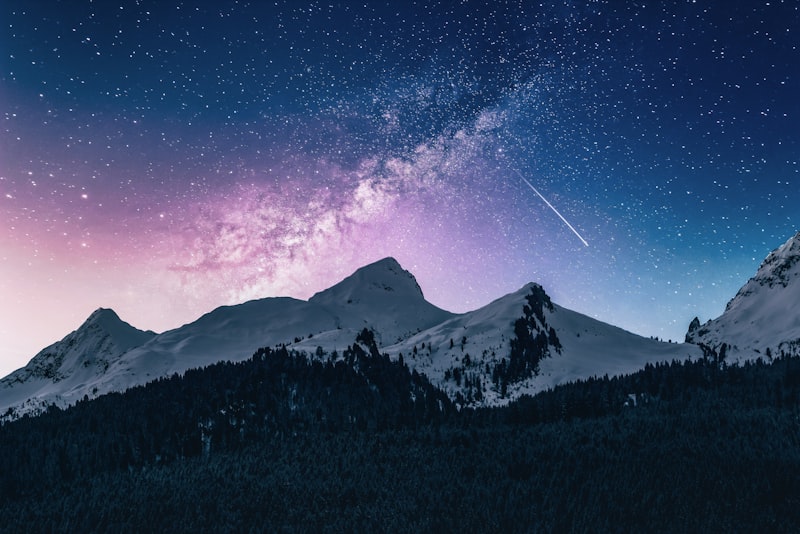
At night, Tekapo becomes a stargazing paradise. It lies within the Aoraki Mackenzie International Dark Sky Reserve, the largest in the Southern Hemisphere. Book an evening observatory tour or simply find a quiet spot along the lakefront to view the Milky Way in unparalleled clarity.
Day 2: Lake Tekapo to Mount Cook (Aoraki) National Park
Drive south along State Highway 8, turning onto State Highway 80, which hugs the brilliant blue edge of Lake Pukaki. This 55 km stretch of road is one of the most spectacular scenic drives in the world, culminating at the base of New Zealand’s highest peak, Aoraki / Mount Cook.
Spend your afternoon hiking the famous Hooker Valley Track. This 10 km return walk takes approximately 3 hours and is highly accessible, featuring three swing bridges, boardwalks, and a stunning terminal glacial lake filled with floating icebergs. In autumn, the air is crisp, and the risk of summer sunburn is greatly reduced, though alpine winds can still carry a sharp chill.
For more route inspiration, consult our comprehensive Mount Cook national park guide to discover alternative alpine tracks and safety protocols.
Day 3: Mount Cook to Wanaka via Lindis Pass
Depart Aoraki and travel south through the dramatic Lindis Pass (State Highway 8). This high-altitude alpine pass is characterized by vast, undulating hills covered in golden tussock grass. In late autumn, you may experience a light dusting of early snow on the ridges, creating a stunning contrast with the golden tussock.
Arrive in Wanaka by early afternoon. Wanaka is a relaxed alternative to Queenstown, boasting a stunning lakefront lined with spectacular yellow poplars. Take a leisurely stroll along the lake to photograph "That Wanaka Tree," which looks particularly magical when surrounded by autumn foliage.
Day 4: Exploring Wanaka’s Peak Trails
Today is dedicated to exploring the rugged peaks surrounding Lake Wanaka. If you are physically fit and prepared for a steep climb, tackle the iconic Roys Peak Track. However, keep in mind that Roys Peak is highly exposed and can get extremely busy.
For a quieter, equally spectacular alternative, hike Isthmus Peak. Located between Lake Wanaka and Lake Hāwea, this 16 km return hike offers 360-degree views of both lakes and the surrounding snow-capped peaks. In autumn, ensure you start your hike by 9:00 AM to maximize daylight hours, as the sun sets earlier behind the alpine ranges.
For more trail options, local safety tips, and gear requirements, check out our curated list of Wanaka hiking trails.
Day 5: Wanaka to Queenstown via Arrowtown
Drive to Queenstown via the Crown Range Road, the highest main highway in New Zealand. Stop at the historic Cardrona Hotel for a coffee or lunch by their open fire. Take extreme care driving down the zig-zag descent into the Wakatipu Basin, especially if autumn frosts have made the road surface slick.
Before reaching Queenstown, detour into the historic gold-mining town of Arrowtown. This is the epicenter of New Zealand's autumn colors. Walk along the Arrow River and explore the preserved 19th-century Chinese Settlement. If your dates align with late April, you will catch the annual Arrowtown autumn festival guide festivities, featuring street parades, local markets, and live performances.
Day 6: Queenstown Adventure & Glenorchy Scenic Drive
Spend your morning experiencing Queenstown’s famous adventure activities. From jet boating on the Shotover River to bungy jumping at the Kawarau Bridge, there is no shortage of adrenaline. For a more relaxed morning, take the Skyline Gondola to Bob’s Peak for panoramic views of Lake Wakatipu and the Remarkables mountain range.
In the afternoon, embark on the scenic drive from Queenstown to Glenorchy. This 45 km road hugs the edge of Lake Wakatipu, winding through ancient beech forests and offering dramatic views of the Humboldt and Richardson mountain ranges. In autumn, the low angle of the sun casts dramatic shadows across the peaks, making it a dream for landscape photographers.
Plan your perfect stay in the adventure capital using our detailed Queenstown itinerary, which includes accommodation recommendations for every budget.
Day 7: Queenstown to Te Anau
Leave the bustling streets of Queenstown behind as you head south toward Te Anau, the gateway to Fiordland National Park. The drive takes you through rolling green farmland and alongside the dramatic Kingston arm of Lake Wakatipu.
Spend your afternoon exploring the lakeside town of Te Anau. We highly recommend booking a cruise across the lake to visit the Te Anau Glowworm Caves. This underground network of limestone caves is home to thousands of luminous glowworms, offering a magical experience in the quiet shoulder season.
Day 8: Milford Sound Day Trip
Depart early for your Milford Sound day trip along the spectacular Milford Road (State Highway 94). This is one of the most visually stunning alpine drives in the world, featuring sheer rock walls, deep valleys, and the engineering marvel of the Homer Tunnel.
Crucial Safety Tip: The Milford Road has no fuel stations and very limited cell service. Ensure your fuel tank is full before leaving Te Anau, and carry warm clothing, as temperatures can drop below freezing in the shade of the fiord. Always check the road status with the NZ Transport Agency before departing, as early autumn snow or heavy rain can occasionally cause temporary road closures.
Once at Milford Sound, board a nature cruise to experience the scale of Mitre Peak and waterfalls like Stirling Falls and Bowen Falls. In autumn, keep an eye out for fur seals basking on the rocks and the rare Fiordland crested penguin.
Day 9: Te Anau to Dunedin via the Catlins
Today, embark on a longer but incredibly rewarding drive along the Southern Scenic Route through the rugged Catlins coast. This region is a stark contrast to the alpine peaks, featuring wild beaches, dramatic coastal cliffs, and hidden waterfalls like Purakaunui Falls.
Arrive in Dunedin, a city deeply influenced by its Scottish heritage and home to New Zealand's oldest university. Dunedin boast outstanding Victorian and Edwardian architecture, a vibrant street art scene, and cozy heritage pubs perfect for cool autumn evenings.
Day 10: Dunedin to Christchurch via Moeraki Boulders
On your final day, drive north along State Highway 1 back to Christchurch. Make a scheduled stop at Koekohe Beach to view the famous Moeraki Boulders. These unusually large, spherical boulders were formed in ancient sea floor sediments over 60 million years ago and have been exposed by coastal erosion.
Continue through the historic town of Oamaru, famous for its beautifully preserved Victorian precinct constructed from local white limestone. Finally, return to Christchurch to drop off your vehicle and catch your departing flight.
Essential South Island Travel Logistics
A successful autumn road trip requires careful planning and an understanding of local driving conditions. Use the structured logistics guide below to prepare for your journey.
Pros of Autumn Travel
- Vibrant golden foliage in Central Otago.
- Significantly lower accommodation prices.
- Fewer tourists at iconic sights like Milford Sound.
- Crisp, stable weather ideal for alpine hiking.
Cons of Autumn Travel
- Shorter daylight hours (especially by May).
- Early morning black ice on alpine roads.
- Many seasonal summer activities close by mid-April.
- Rapidly dropping evening temperatures.
Quick Reference Directory
- Best Time to Visit: Mid-April is the peak window for autumn foliage, particularly in Arrowtown and Wanaka.
- Estimated Budget: Plan for NZD $180–$250 per day for mid-range travelers utilizing a rental car and private rooms. Check our New Zealand budget guide for detailed breakdown estimates.
- Safety: Mountain driving requires caution. Read our South Island road trip safety guide to learn about driving on the left side of the road, single-lane bridges, and winter driving preparation.
- Visa Requirements: Most international tourists must apply online for a New Zealand Electronic Travel Authority (NZeTA) prior to departure. Review the official New Zealand visa guide for step-by-step instructions.
- Weather: Temperatures range from 10°C to 18°C during the day, dropping to 0°C to 5°C at night. Alpine areas can experience sudden freezes.
- Currency: New Zealand Dollar (NZD). Credit cards are universally accepted; cash is rarely required.
- Transport: Renting a vehicle is highly recommended. Learn about vehicle options in our New Zealand campervan rental guide.
- Duration: 10 days is the absolute minimum required to complete this loop without extreme driving fatigue.
- Internet: 4G/5G is highly reliable in major towns, but expect zero coverage on remote mountain passes and deep within Fiordland National Park.
- Power Plug: Type I (three-flat-pin plug, 230V, 50Hz).
- Emergency Numbers: Dial 111 for Police, Fire, and Ambulance services.
Frequently Asked Questions
Is Athens cheaper than Incheon?
While this is a common global travel query, when comparing destination budgets, traveling in New Zealand's South Island during autumn is generally comparable to mid-range European destinations like Athens, and slightly more expensive than South Korean hubs like Incheon due to vehicle rental costs and fuel taxes.
Can you visit the South Island without renting a car?
While national bus services like InterCity connect major hubs like Christchurch, Queenstown, and Dunedin, visiting remote natural wonders like Mount Cook, the Catlins, and Milford Sound is incredibly difficult and restrictive without a private vehicle. To truly experience the island's beauty, renting a car or campervan is highly recommended.
Is solo travel in New Zealand safe?
Yes, New Zealand is consistently ranked as one of the safest countries in the world for solo travelers. According to the Global Peace Index, it routinely places in the top five safest nations. However, natural hazards (rapid weather changes, challenging driving conditions, and remote wilderness tracks) represent the primary safety risks. For detailed safety protocols, refer to our guide on Solo travel in New Zealand.
Who Should Visit the South Island in Autumn?
This itinerary is ideal for travelers who appreciate dramatic natural beauty, quiet roads, and crisp outdoor air. It is perfect for photography enthusiasts seeking to capture the golden hour over alpine lakes, couples looking for a romantic, cozy road trip, and hikers who prefer cool mountain trails over hot summer climbs.
Best Months to Experience this Route
While autumn spans March to May, April is the absolute sweet spot. Early March still feels like late summer, while late May brings short days and early winter snowstorms. April offers the perfect balance of vibrant golden foliage, open seasonal attractions, and cool, stable weather.
Next Destination
If you have additional time, consider taking the Interislander ferry from Picton to Wellington to explore the North Island, or head north to the sunny vineyards of Marlborough and the golden beaches of Abel Tasman National Park.
Article Methodology & Sources
This guide was compiled by our travel editorial team utilizing official data from regional tourism boards, meteorological history, and transport authorities. Key sources cited throughout this article include:
- Climate and weather pattern data sourced directly from MetService New Zealand.
- Track safety, conservation guidelines, and environmental rules sourced from the New Zealand Department of Conservation (DOC).
- Road safety and alpine driving advice provided by the Waka Kotahi NZ Transport Agency.
- Cultural narratives and Māori legends integrated from official regional cultural guides curated by Tourism New Zealand.
Editorial Methodology & Trust
Last Updated: July 2, 2026
Every Shaivio guide is created through editorial research using publicly available information from official tourism authorities, transportation providers, government resources, and other reliable references where applicable. Our editors review and update content regularly to improve accuracy and usefulness. Shaivio does not accept paid placements or sponsored rankings in editorial content. Because travel information can change, we recommend verifying critical details with the relevant official source before traveling.