Introduction: The Soul of the Lanna Kingdom
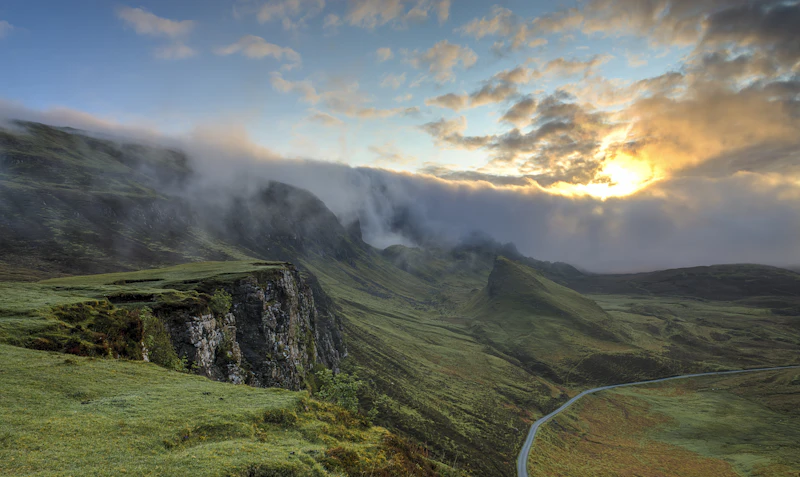
Northern Thailand presents a stark contrast to the country's southern islands. Here, misty mountain valleys, ancient Lanna heritage, and a thriving creative scene replace the white-sand beaches. According to the Tourism Authority of Thailand (TAT), the northern provinces offer some of the country's most culturally rich and ecologically diverse experiences, drawing millions of visitors annually to explore historic temples, indigenous hill tribe cultures, and dramatic mountain landscapes.
This comprehensive, expert-crafted 10-day itinerary guides you through the cultural capital of Chiang Mai, the bohemian mountain valley of Pai, and the artistic frontier of Chiang Rai. It is designed for travelers seeking an authentic journey balanced with practical transit solutions, realistic budgets, and hyper-local insights.
Quick Answer: Which Destination Fits Your Style?
- Choose Chiang Mai if: ✓ Lanna Culture ✓ World-Class Coffee ✓ Culinary Diversity ✓ Historic Temples.
- Choose Pai if: ✓ Mountain Landscapes ✓ Slow-Paced Living ✓ Budget Travel ✓ Outdoor Adventure.
- Choose Chiang Rai if: ✓ Avant-Garde Architecture ✓ Quiet Exploration ✓ Border History.
- Best For: Solo Travelers, Culture Enthusiasts, Couples, and Digital Nomads.
Myth vs. Reality: Traveling in Northern Thailand
Before packing your bags, it is essential to separate common travel myths from the realities of navigating this mountainous region.
- Myth: Northern Thailand is cool and pleasant year-round.
Reality: While winter nights can drop to a chilly 10°C (50°F) in the mountains, the hot season (March to May) regularly sees temperatures exceeding 40°C (104°F). Furthermore, the annual "burning season" (typically mid-February to early April) causes severe agricultural smog across the region, which can pose respiratory risks according to historical air quality data from the World Air Quality Index. - Myth: You must rent a scooter to enjoy Pai.
Reality: While scooters offer unmatched freedom, Route 1095 is notoriously dangerous. Travelers without motorcycle licenses and proper insurance coverage frequently experience accidents. Local shared songthaews and private tours are highly reliable alternatives. - Myth: Chiang Rai is just a day-trip destination from Chiang Mai.
Reality: A day trip requires six to seven hours of round-trip transit, leaving very little time to appreciate the city's complex art scene, tea plantations, and border history. It deserves at least two dedicated days.
Chiang Mai vs. Chiang Rai: A Head-to-Head Comparison
To help you understand the structural differences between the two major urban hubs of the north, here is a detailed comparison based on infrastructure, cost, and lifestyle factors.
| Category | Chiang Mai | Chiang Rai | Winner |
|---|---|---|---|
| Accommodation | Vast range from budget hostels to luxury wellness resorts. | Smaller selection, primarily mid-range and boutique guesthouses. | Chiang Mai |
| Food | World-class dining, thousands of street food stalls, and international cafes. | Excellent local Lanna food but limited international options. | Chiang Mai |
| Nightlife | Vibrant night markets, live music venues, and riverside bars. | Sleepy nightlife centered around a small central Night Bazaar. | Chiang Mai |
| Public Transport | Abundant red songthaews, tuk-tuks, and ride-hailing apps (Grab/Bolt). | Very limited public transit; heavily reliant on private drivers or Grab. | Chiang Mai |
| Visa | Easy processing at the main Chiang Mai Immigration Office. | Immigration services available but less geared toward long-term expats. | Chiang Mai |
| Weather | Hot summers, cool dry winters, severe burning season. | Marginally cooler in winter due to its higher latitude. | Chiang Rai |
| Walkability | Highly walkable within the historic, flat Old City grid. | Sprawling layout; major attractions are miles apart. | Chiang Mai |
| Internet | Exceptional high-speed fiber and extensive co-working spaces. | Good cellular coverage, but fewer dedicated co-working hubs. | Chiang Mai |
| Safety | Extremely safe for tourists with low violent crime rates. | Similarly safe, with a quiet, small-town atmosphere. | Tie |
| Remote Work | Globally recognized digital nomad hub with endless cafes. | Quiet and peaceful, but lacks a large networking community. | Chiang Mai |
| Language | English is commonly spoken in tourist areas, hotels, and cafes. | English is less commonly spoken outside main hotels and temples. | Chiang Mai |
| Family | Excellent with interactive museums, nature parks, and family resorts. | Good for older children interested in art and dramatic architecture. | Chiang Mai |
| Senior Travelers | Highly accessible medical facilities and flat walking areas. | Beautiful but requires more private transport coordination. | Chiang Mai |
| Solo Travelers | Incredibly easy to meet people; vast hostel culture. | Great for quiet exploration, but harder to socialize. | Chiang Mai |
| Couples | Romantic boutique stays, cooking classes, and mountain spas. | Intimate, artistic boutique resorts and quiet landscapes. | Chiang Rai |
The 10-Day Itinerary at a Glance
- Days 1–4: Chiang Mai (Culture, Cuisine, and Sacred Mountains)
- Days 5–7: Pai (Valleys, Waterfalls, and Winding Roads)
- Days 8–10: Chiang Rai (Avant-Garde Temples and Borderlands)
Days 1–4: Chiang Mai – The Cultural Capital
Day 1: The Historic Old City and Lanna Temples
Begin your journey inside Chiang Mai’s historic Old City, a square mile surrounded by ancient brick walls and a defensive moat. Start your walking tour early to avoid the midday heat. Visit Wat Chedi Luang, home to a massive 15th-century stone chedi partially ruined by an earthquake in 1545. The entrance fee is 40 THB for foreigners.
Next, walk west along Ratchadamnoen Road to Wat Phra Singh, which houses the highly revered Phra Singh Buddha image. The temple showcases classic Lanna-style wood carvings and gold-leaf stenciling. For lunch, explore the vibrant alleyways to find local eateries serving Khao Soi, the north's signature coconut curry noodle soup.
Hyper-Local Tip: Skip the heavily commercialized restaurants for lunch. Head instead to Khao Soi Khun Yai, located inside a small dirt lot near the Chang Phuak Gate. It closes by 2:00 PM and often runs out of broth early. Arrive by 11:30 AM to secure a bowl.
Day 2: Sacred Heights of Doi Suthep and the Monks' Trail
Dedicate your second morning to Wat Phra That Doi Suthep, the mountain temple overlooking the city. For active travelers, the Monks' Trail (Wat Pha Lat Hike) offers a rewarding climb through the jungle. The trail starts at the end of Suthep Road and leads first to Wat Pha Lat, a hidden forest temple featuring stone bridges, moss-covered statues, and complete serenity. From there, you can continue hiking or take a red songthaew up the remaining steep mountain road to Doi Suthep.
The golden chedi of Doi Suthep is spectacular in the morning light. Be sure to dress respectfully: shoulders and knees must be covered. A red songthaew from Chang Phuak Gate to Doi Suthep costs approximately 60–80 THB per person each way on a shared basis.
Day 3: Ethical Wildlife and Culinary Traditions
Spend your third day learning about conservation. If you plan to visit elephants, choose sanctuary operators that prioritize animal welfare. Highly reputable sanctuaries, such as the Elephant Nature Park, do not offer riding or performances, focusing instead on observation and rehabilitation. Booking weeks in advance is essential.
In the evening, dive deep into the city's street food scene. If your visit falls on a weekend, explore the massive Sunday Walking Street on Ratchadamnoen Road. For a more food-focused experience, head to the Chang Phuak Gate Night Market to try the famous pork leg rice from the "Cowboy Hat Lady" (stalls open around 5:00 PM).
Day 4: Creative Nimmanhemin and Hidden Tunnels
On your final day in Chiang Mai, explore the modern side of the city in the Nimmanhemin district. This area is the epicenter of Chiang Mai's famous coffee culture. Spend your afternoon visiting art galleries, boutique shops at One Nimman, and third-wave coffee roasters.
Before sunset, take a short drive southwest of the city to Wat Umong, a 700-year-old forest temple unique for its underground brick tunnels. The tunnels open up to a peaceful forest clearing where you can feed fish in a large pond.
Days 5–7: Pai – The Mountain Valley Escape
Day 5: Navigating the 762 Curves and Pai Canyon
The journey from Chiang Mai to Pai along Route 1095 is famous for its 762 winding curves. You can take a shared minivan from Chiang Mai’s Arcade Bus Terminal (operated by Prempracha Transport, costing approximately 150 THB per seat) or hire a private driver. The journey takes roughly 3.5 to 4 hours. Motion sickness medication is highly recommended.
After checking in to your accommodation, head to Pai Canyon for sunset. The canyon features narrow, sandy ridges overlooking a vast valley of pine forests. There are no safety railings, so sturdy footwear is highly recommended.
Day 6: Hot Springs, Waterfalls, and the Land Split
Rent a bicycle or hire a local songthaew driver to explore Pai’s rural surroundings. Start early at the Sai Ngam Hot Springs, a multi-tiered, crystal-clear thermal spring located in a protected forest area (entry fee is approximately 200 THB per person, including national park fees).
On your way back, stop at the Pai Land Split, a unique geological crack caused by sudden seismic activity in 2008. The local farming family welcomes visitors with fresh hibiscus juice, dried fruits, and nuts from their land on a donation basis. Follow this with a visit to Pam Bok Waterfall, nestled deep within a rocky gorge.
Day 7: Yunnanese Culture and Mountain Viewpoints
Begin your morning at Santichon Village, settled by Yunnanese Chinese refugees who fled during the Chinese Civil War. The village features traditional clay houses, Yunnanese restaurants serving slow-cooked pork leg with mantou buns, and a wooden swing overlooking the valley.
In the afternoon, climb the steps to Wat Phra That Mae Yen (Temple on the Hill) to view the massive white Buddha statue that dominates the Pai skyline. The panoramic view of the valley at dusk is the perfect way to conclude your stay in Pai.
Days 8–10: Chiang Rai – Art and the Golden Triangle
Day 8: Transit to Chiang Rai and the White Temple
To travel from Pai to Chiang Rai, you must first return to Chiang Mai. From Chiang Mai, board a comfortable Greenbus to Chiang Rai (booking a VIP ticket in advance via the Greenbus Thailand website is highly recommended; tickets cost approximately 250–360 THB). The direct journey from Chiang Mai to Chiang Rai takes roughly 3.5 hours.
Upon arrival in Chiang Rai, head directly to Wat Rong Khun (The White Temple), designed by renowned national artist Chalermchai Kositpipat. Unlike traditional temples, this striking white structure features contemporary Buddhist art, pop-culture murals, and hundreds of reaching hands representing desire and suffering. The temple closes at 5:00 PM; entry is 100 THB.
Day 9: The Blue Temple, Black House, and Big Buddha
Dedicate today to Chiang Rai's diverse artistic landscape. Start at Wat Rong Suea Ten (The Blue Temple), known for its vibrant sapphire-blue interior and gold stenciling. Next, travel north to the Baandam Museum (Black House), created by the late artist Thawan Duchanee. This complex of dark wood structures houses an eclectic collection of animal hides, bones, and bizarre sculptures, presenting a stark, dark contrast to the White Temple.
End your afternoon at Wat Huay Pla Kang, often mistakenly called the Big Buddha. The center of this complex features an enormous, 90-meter-tall white statue of Guan Yin, the Goddess of Mercy. You can take an elevator inside the statue to the 25th floor for a view over the surrounding rolling green hills.
Day 10: Golden Triangle or Tea Plantations
On your final day, take a day trip to the historic Golden Triangle in Sop Ruak, where the borders of Thailand, Myanmar, and Laos meet at the confluence of the Ruak and Mekong Rivers. Visit the House of Opium Museum (entry fee 50 THB) to learn about the region's complex history with the drug trade.
Alternatively, visit the terraced hills of the Choui Fong Tea Plantation to taste freshly brewed oolong tea while enjoying views of the cultivated fields. Return to Chiang Rai in the evening for your departure flight from Chiang Rai International Airport (CEI).
History vs. Legend: Northern Thailand's Sacred Sites
To fully appreciate the spiritual depth of Northern Thailand, it is helpful to understand the historical context behind its most famous legends.
| Location | Historical Fact | Local Folklore & Legend |
|---|---|---|
| Wat Phra That Doi Suthep | Established in 1383 under King Nu Naone of the Lanna Kingdom to house a holy relic. | A sacred white elephant carried a piece of the Buddha's shoulder bone up the mountain, trumpeted three times, and died, marking the exact spot where the temple should be built. |
| Wat Rong Khun (White Temple) | Construction began in 1997, funded entirely by artist Chalermchai Kositpipat to create a global center of Buddhist learning. | The bridge of "the cycle of rebirth" represents crossing from worldly desires (symbolized by the reaching hands below) to a state of pure mind and enlightenment. |
| Wat Umong (Tunnel Temple) | Built in the late 13th century for a forest-dwelling monk named Thera Chan. | The tunnels were painted with realistic murals of birds and forests to prevent the eccentric monk from wandering off into the wild jungle. |
Temple Etiquette & Safety Warning: When visiting active temples or forest monasteries, always dress modestly (shoulders and knees covered). Avoid visiting isolated forest temples after dark, as wild dogs are common and paths are poorly lit.
Practical Directory for Northern Thailand
Pros & Cons
Pros: Exceptionally affordable; rich cultural heritage; world-class food scene; safe for solo travelers.
Cons: Severe air pollution during burning season (Feb-Apr); challenging mountain roads; limited English in rural areas.
Best Time to Visit
November to February is the cool, dry season. Temperatures are pleasant, and the skies are clear.
Estimated Budget
Budget: 800–1,200 THB/day ($22–$33)
Mid-Range: 2,000–4,000 THB/day ($55–$110)
Luxury: 6,000+ THB/day ($165+)
Safety & Visas
Very safe with low violent crime rates. Most nationalities receive a 30-day visa exemption on arrival.
Currency & Payments
Thai Baht (THB). Cash is king in markets, small restaurants, and songthaews. Credit cards are accepted in hotels and major cafes.
Power & Internet
Type A, B, and C plugs (220V, 50Hz). Mobile 4G/5G coverage is excellent and affordable via local SIM cards (AIS, TrueMove).
Internal Guides & Further Reading
To help plan your trip in greater detail, explore our curated resources:
- Optimize your time with our detailed Chiang Mai itinerary.
- Discover the best local dishes with our guide to Chiang Mai street food.
- Travel affordably using our comprehensive Pai budget guide.
- Avoid common scams with our analysis of Chiang Rai tourist traps.
- Gain confidence with our safety tips for Solo travel in Northern Thailand.
- Navigate entry requirements with our complete Thailand visa guide.
- Budget your trip accurately using our Chiang Mai budget guide.
- Master the mountain roads safely with our Pai motorbike guide.
- Explore the far north with our specialized Chiang Rai itinerary.
- Pack perfectly for the mountains and temples using our Thailand packing list.
Article Methodology & Sources
This guide was compiled by our editorial team using official tourism reports, public transit schedules, and environmental data. Key sources include:
- Historical weather and temperature data from the Thai Meteorological Department.
- Official transit pricing and scheduling from the Greenbus Thailand Network and Prempracha Transport.
- Conservation guidelines and animal welfare criteria from the World Animal Protection database.
- Air quality historical metrics from the World Air Quality Index.
Editorial Methodology & Trust
Last Updated: July 2, 2026
Every Shaivio guide is created through editorial research using publicly available information from official tourism authorities, transportation providers, government resources, and other reliable references where applicable. Our editors review and update content regularly to improve accuracy and usefulness. Shaivio does not accept paid placements or sponsored rankings in editorial content. Because travel information can change, we recommend verifying critical details with the relevant official source before traveling.