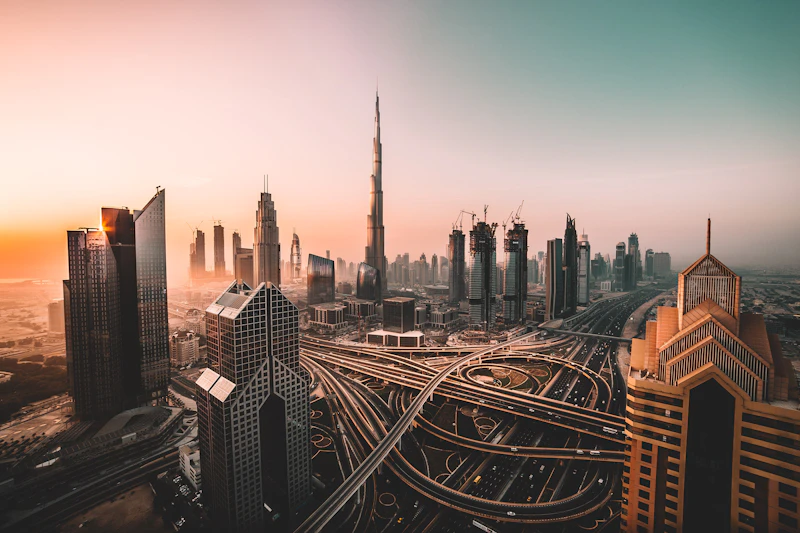
For many travelers, Seoul conjures images of the neon-soaked shopping streets of Myeongdong, the towering skyscrapers of Gangnam, or the historic palaces of Jongno. While these landmarks deserve their place on any classic Seoul itinerary, they represent only a fraction of this dynamic metropolis. Beneath the surface of one of the world's most technologically advanced cities lies a network of historic, industrial, and creative enclaves that tourists rarely see.
As urban renewal projects across South Korea shift their focus from demolition to preservation, several historic neighborhoods have transformed into vibrant, low-rise cultural hubs. In 2026, exploring these districts offers a rare glimpse into Seoul's mid-century industrial history, its local artistic movements, and its quiet, slow-paced daily life. This guide uncovers ten of the most compelling hidden neighborhoods in Seoul, complete with transit routes, historical context, and hyper-local insights.
Myth vs. Reality: Seoul's Urban Landscape
Before diving into the neighborhoods, it is essential to dispel common misconceptions about Seoul's urban geography. Many travelers assume that older, low-rise neighborhoods are unsafe or lacking in modern amenities. In reality, South Korea boasts exceptionally low crime rates, and even the narrowest alleyways in residential districts are monitored by CCTV and well-lit at night.
Another common myth is that historic areas have been completely replaced by high-rises. While rapid modernization did erase large swaths of the city's mid-century architecture, conservation efforts led by the Seoul Metropolitan Government have successfully protected several key residential and light-industrial areas, allowing them to evolve organically into creative sanctuaries.
Quick Answer: Which Neighborhood is Right for You?
Choose Mullae-dong or Euljiro if: ✓ You love industrial-chic aesthetics ✓ You want to experience local nightlife ✓ You enjoy craft beer and indie art spaces.
Choose Buam-dong or Seochon if: ✓ You prefer quiet mountain walks ✓ You are interested in traditional architecture ✓ You enjoy boutique art galleries and slow coffee.
Best For: Solo travelers, creative professionals, slow travelers, and repeat visitors to Seoul.
Neighborhood Comparison: Mullae-dong vs. Euljiro
To help you decide where to focus your exploration, here is a detailed comparison of two of Seoul's most popular "industrial-retro" neighborhoods.
| Category | Mullae-dong | Euljiro | Winner |
|---|---|---|---|
| Accommodation | Limited; mostly residential rentals and small guesthouses. | Abundant; wide range of mid-range and business hotels. | Euljiro |
| Food | Indie bakeries, modern fusion, and artisanal cafes. | Classic Korean BBQ, draft beer alleys, and traditional cold noodles. | Euljiro |
| Nightlife | Quiet wine bars and intimate craft breweries. | Loud, bustling outdoor beer alleys and hidden speakeasies. | Euljiro |
| Public Transport | Served by Line 2 (Mullae Station); slightly outer-lying. | Central hub served by Lines 2, 3, and 5. | Euljiro |
| Visa | Standard South Korean entry requirements apply. | Standard South Korean entry requirements apply. | Tie |
| Weather | Exposed streets; can feel very hot in summer. | Narrow, shaded alleys; plenty of indoor basement spots. | Euljiro |
| Walkability | Flat, easily navigable grid of industrial streets. | Confusing, labyrinthine alleys; easy to get lost. | Mullae-dong |
| Internet | Excellent public Wi-Fi and cafe connections. | Excellent public Wi-Fi; high-speed coverage. | Tie |
| Safety | Very safe, though active machinery requires caution during the day. | Extremely safe, highly active foot traffic late into the night. | Tie |
| Remote Work | Spacious, quiet cafes ideal for working. | Cafes are often small, crowded, and loud. | Mullae-dong |
| Language | Limited English; translation apps highly recommended. | Moderate English due to central location and younger crowds. | Euljiro |
| Family | Good for daytime strolls; quiet and spacious. | Crowded, narrow, and loud at night; less family-friendly. | Mullae-dong |
| Senior Travelers | Flat streets make walking easy; plenty of seating in cafes. | Uneven pavement, steep steps, and lack of elevators in older buildings. | Mullae-dong |
| Solo Travelers | Great for quiet exploration and photography. | Incredible for meeting locals and joining communal dining spots. | Euljiro |
| Couples | Charming, intimate cafes and unique artisan workshops. | Exciting, vibrant energy with great late-night food. | Tie |
The 10 Hidden Neighborhoods to Explore
1. Mullae-dong: The Steelworks and Art Fusion
Located in southwestern Seoul, Mullae-dong was once the beating heart of the city's small-scale steel and iron industry during the 1970s. As heavy manufacturing moved out of the capital, vacant workshops were leased by young artists drawn to the low rents. Today, the neighborhood exists as a fascinating hybrid: by day, ironmongers cut sheet metal and operate heavy machinery; by night, the very same alleys open up to reveal hidden wine bars, craft breweries, and indie galleries.
When walking through Mullae-dong, look up to see whimsical metal sculptures installed on rooftops and fire escapes. The area is highly photogenic, but visitors must respect the working laborers. Avoid taking direct photos of the metalworkers without permission.
How to get there: Take Seoul Subway Line 2 to Mullae Station, Exit 7. Walk straight for five minutes until you reach the industrial alleys of Dorim-ro.
Hyper-Local Tip: Visit Rust Bakery early in the afternoon. Their croissants and pastries sell out quickly, and the rooftop seating offers a great view of the surrounding iron workshops.
2. Euljiro (Hipjiro): The Retro Printing District
Euljiro has long been associated with hardware stores, lighting shops, and commercial printers. Over the last few years, local youths dubbed the area "Hipjiro" for its retro, show-nothing exterior that hides some of the city's coolest cafes and bars. Many of these venues do not have signs; instead, patrons find them by looking for small stickers on rusty doors or following the sound of music up narrow, dimly lit stairwells.
For a classic local experience, head to the Euljiro Nogari Alley in the evening. Hundreds of plastic tables are set up directly on the street, where locals gather to drink cheap draft beer and eat nogari (dried young pollack) under the neon lights.
How to get there: Take Subway Line 2 or 3 to Euljiro 3-ga Station, Exit 3 or 4.
Hyper-Local Tip: To find the famous bar Seun Arcade, look for the overhead pedestrian walkways connecting the massive retro-futuristic concrete buildings.
3. Buam-dong: The Mountainous Art Haven
Nestled in the valley between Mount Bugaksan and Mount Inwangsan, Buam-dong feels entirely detached from the frantic pace of central Seoul. Because it is surrounded by mountains and protected green zones, high-rises are banned here, preserving a quiet, village-like atmosphere. The neighborhood is characterized by winding, hilly streets, small art galleries, cozy cafes, and stunning views of the ancient Seoul City Wall.
Buam-dong is a favorite destination for hikers, writers, and artists. It is also home to the historic Changuimun Gate, one of the four minor gates of the old city wall, which remains beautifully preserved.
How to get there: There is no direct subway station. Take Subway Line 3 to Gyeongbokgung Station, Exit 3, and transfer to green bus 1020, 7022, or 7212. Get off at the Buam-dong Community Service Center stop.
Hyper-Local Tip: Visit Sanmotoonge Cafe, situated high up the hillside. Known for its appearance in a famous Korean drama, it offers panoramic views of the mountains and the city wall that are especially beautiful during autumn.
4. Seochon: The Quiet Literary Village
While most tourists head straight to Bukchon Hanok Village to see traditional Korean houses, Seochon (located to the west of Gyeongbokgung Palace) offers a far more authentic and relaxed hanok experience. Historically home to artists, writers, and middle-class citizens during the Joseon Dynasty, Seochon retains a strong literary and artistic identity. Its alleys are filled with small, independent bookstores, traditional tea houses, and modern art spaces.
Unlike Bukchon, which can feel like an open-air museum, Seochon is a living, breathing residential neighborhood. It is also home to Tongin Market, famous for its unique lunchbox system where visitors purchase traditional brass coins to exchange for various street food delicacies.
How to get there: Take Subway Line 3 to Gyeongbokgung Station, Exit 1 or 2, and walk north.
Hyper-Local Tip: Stop by Daeo Bookstore, the oldest secondhand bookstore in Seoul. While it no longer actively sells books, it operates as a charming cafe where you can sit among thousands of historic volumes.
5. Changsin-dong: The Cliffside Sewing Hub
Perched on a steep hillside in eastern Seoul, Changsin-dong is a neighborhood shaped by its unique geography and industrial heritage. During the Japanese colonial period, the hillside was used as a quarry to extract granite for the construction of colonial administrative buildings. Today, the sheer granite cliffs remain, with houses built right up to the edge of the drop-offs.
The neighborhood is also the historic center of Seoul's garment industry. Walk through the narrow, steep alleys, and you will hear the constant hum of sewing machines coming from hundreds of small home-based workshops. It is a raw, fascinating look at the working-class history of Seoul.
How to get there: Take Subway Line 1 or 6 to Dongmyo Station, Exit 9 or 10, or Line 6 to Changsin Station.
Hyper-Local Tip: Hike up to the Changsin Sungin Quarry Observatory for a breathtaking, dizzying view of the sheer rock faces and the densely packed houses cascading down the hillside.
6. Mangwon-dong: The Local Market and Cafe Enclave
Located just next to the bustling student hub of Hongdae, Mangwon-dong offers a much more relaxed, community-oriented residential vibe. The neighborhood is centered around Mangwon Market, a bustling traditional market beloved by locals for its fresh produce, affordable banchan (side dishes), and incredible Seoul street food like deep-fried croquettes and sweet-and-sour chicken bites (dakgangjeong).
Branching out from the market is "Mangridan-gil," a series of quiet residential streets that have been slowly converted into minimalist coffee shops, vintage clothing boutiques, and vegan-friendly restaurants. It is an excellent neighborhood for slow afternoon strolls and people-watching.
How to get there: Take Subway Line 6 to Mangwon Station, Exit 2.
Hyper-Local Tip: Avoid visiting Mangwon Market during the peak lunch hours (12:00 PM to 1:30 PM) on weekends, as narrow aisles become highly congested with local shoppers.
7. Huam-dong: The Village Beneath Namsan
Huam-dong sits directly at the foot of Namsan Mountain, just south of Seoul Station. Because of its location, the neighborhood features dramatic elevation changes, steep staircases, and incredible, unobstructed views of the N Seoul Tower. Historically, Huam-dong was a residential area for Japanese colonial administrators, and several old wooden Japanese-style houses (known as jeoksan gaok) still stand in the quiet alleys.
Today, the neighborhood has become popular for its rooftop cafes and small design studios. It offers a quiet, slow-paced atmosphere right in the geographical center of the city.
How to get there: Take Subway Line 4 to Sookmyung Women's University Station, Exit 2 or 3, and walk toward the mountain.
Hyper-Local Tip: Climb the famous "108 Staircase" (which now features a modern inclined elevator built for elderly residents) to reach the upper levels of the neighborhood for panoramic sunset views.
8. Gyeongui Line Forest Park (Sogang-dong Segment)
While the Yeonnam-dong section of the Gyeongui Line Forest Park (often called "Yeontral Park") is highly popular and crowded, the southwestern segments near Sogang University and Daeheung-dong remain peaceful and largely undiscovered by tourists. Built over the abandoned tracks of the old Gyeongui railway line, this linear park stretches across the city, providing a lush green corridor for walkers and cyclists.
The Sogang-dong segment is lined with quiet, independent coffee shops, book-themed cafes, and small bakeries. It is highly recommended for those looking to experience how local families and students spend their quiet weekends.
How to get there: Take the Gyeongui-Jungang Line to Sogang University Station, Exit 1 or 2.
Hyper-Local Tip: Visit during early April to walk under a continuous canopy of cherry blossoms without the massive crowds found at more famous viewing spots like Yeouido.
9. Daehak-ro (Ihwa-dong): The Performing Arts District
Daehak-ro (literally "University Street") is the cultural hub of Seoul's performing arts scene, home to over 150 small-scale theaters. While the main street is lively and filled with student energy, climbing the slopes of Mount Naksan leads you into Ihwa-dong, a quiet residential village famous for its winding alleys, public art installations, and sweeping views of the city.
The neighborhood was once a run-down hillside settlement (often called a "moon village"). In 2006, the Ministry of Culture, Sports, and Tourism launched an initiative to paint murals and install sculptures throughout the village. While some murals have been removed to protect resident privacy, the area remains a peaceful, art-filled hillside escape.
How to get there: Take Subway Line 4 to Hyehwa Station, Exit 2, and walk toward Naksan Park.
Hyper-Local Tip: Walk up to Naksan Park along the fortress wall at dusk. The view of the city lights turning on below is spectacular and highly romantic.
10. Garibong-dong: The Multicultural Culinary Hub
For travelers interested in Seoul's modern multicultural evolution, Garibong-dong offers a fascinating, off-the-beaten-path experience. Historically a dormitory town for workers at the nearby Guro Industrial Complex during South Korea's rapid economic rise, the neighborhood evolved in the late 1990s and 2000s into a major residential hub for Chinese-Korean (Joseon-jok) immigrants.
Today, the neighborhood's main street, often referred to as the "Yanbian Street" after the Korean autonomous prefecture in China, is lined with authentic Sichuan, northeastern Chinese, and fusion restaurants. It offers a stark, fascinating contrast to the highly homogenous culinary scene found in most other parts of Seoul.
How to get there: Take Subway Line 7 to Namguro Station, Exit 3 or 4.
Hyper-Local Tip: Skip the standard barbecue and try authentic hand-pulled noodles (lamian) and lamb skewers seasoned with cumin and chili flakes at any of the busy local diners.
Logistical Guide & Travel Essentials
To ensure a smooth, safe, and respectful trip through Seoul's hidden neighborhoods, keep the following logistical details in mind.
Pros & Cons of Off-the-Beaten-Path Travel in Seoul
- Pros: Authentic cultural immersion, lower prices for food and drinks, unique photography opportunities, fewer crowds, and direct support of local small businesses.
- Cons: Steep hills and staircases require good physical fitness; English is less commonly spoken; fewer public restrooms; and navigating narrow alleys can sometimes be confusing.
Best Time to Visit
According to the Korea Meteorological Administration, spring (April to June) and autumn (September to November) offer the most comfortable weather for walking, with average temperatures ranging from 15°C to 22°C. Winters can be bitterly cold, often dropping below -10°C, while summers are highly humid and prone to heavy monsoon rains.
Budget and Currency
South Korea uses the Korean Won (KRW). While credit cards are accepted almost everywhere, carrying a small amount of cash is highly recommended for traditional markets like Tongin or Mangwon. According to local price indexes, a meal in these off-the-beaten-path neighborhoods typically costs between 7,000 KRW and 12,000 KRW, significantly cheaper than in major tourist zones.
Public Transport & Navigation
Never use Google Maps in South Korea, as local security laws restrict the export of geographic data, making its walking directions highly inaccurate. Instead, download Naver Map or KakaoMap. To travel efficiently, purchase a T-money transit card at any convenience store and load it with cash to pay for subways and buses. You can check routes on the official Seoul Metro portal.
Key Travel Facts
- Visa: Many nationalities can enter visa-free with an approved K-ETA (Korea Electronic Travel Authorization). Check the official K-ETA Portal for updated 2026 requirements before booking. For more details, consult a comprehensive Seoul visa guide.
- Internet: South Korea has some of the fastest internet in the world. Pocket Wi-Fi rentals and eSIMs are readily available at Incheon International Airport.
- Power Plug: Type C and F (220V, 60Hz). Make sure to include an adapter in your South Korea packing list.
- Emergency Numbers: Police (112), Fire & Medical Emergencies (119), Tourist Helpline (1330).
Sample 3-Day Off-the-Beaten-Path Itinerary
This curated itinerary allows you to experience these hidden districts efficiently without rushing.
Day 1: Western Hanoks and Mountain Views
- Morning: Start your day exploring the quiet hanok alleys of Seochon. Grab a coffee at Daeo Bookstore.
- Lunch: Use brass coins to buy a customized lunchbox at Tongin Market.
- Afternoon: Take a short bus ride up to the mountain village of Buam-dong. Visit a local art gallery and walk along the Changuimun Gate.
- Evening: Enjoy mountain views and coffee at Sanmotoonge Cafe as the sun sets.
Day 2: Industrial Heritage and Retro Alleys
- Morning: Take Subway Line 2 to Mullae-dong. Explore the street art and iron workshops.
- Lunch: Enjoy fresh pastries and coffee at Rust Bakery.
- Afternoon: Head to Euljiro. Wander through the lighting and printing alleys, keeping an eye out for hidden second-floor cafes.
- Evening: Share a plate of grilled meats and cold draft beer with locals at the Euljiro Nogari Alley.
Day 3: Hillside Villages and Local Markets
- Morning: Hike up the slopes of Ihwa-dong and explore the public art installations.
- Lunch: Head down to Daehak-ro for a quick lunch at a student-friendly diner.
- Afternoon: Travel west to Mangwon-dong. Explore the trendy boutiques of Mangridan-gil.
- Evening: Feast on street food and local snacks at the bustling Mangwon Market.
Frequently Asked Questions
Can you visit Seoul's hidden neighborhoods without renting a car?
Yes, absolutely. Seoul has one of the world's most efficient, clean, and affordable public transit systems. Every neighborhood featured in this guide is easily accessible via the subway system or local city buses. Using a T-money card makes transferring between subways and buses seamless and free within a 30-minute window.
Are these neighborhoods safe for solo female travelers?
South Korea is consistently ranked among the safest countries in the world. Solo travelers, including female travelers, report feeling highly secure walking through these neighborhoods, even late at night. However, normal travel precautions apply: stay aware of your surroundings, keep your valuables secure, and use registered taxis (like Kakao T) if traveling late at night. For more tips, read our guide on Solo travel in Seoul.
Is English widely spoken in these non-touristy areas?
While English is commonly spoken in major tourist areas, hotels, and major attractions, it is less frequently spoken in residential neighborhoods, traditional markets, and industrial zones. It is highly recommended to download a translation app like Papago (which is more accurate for Korean than Google Translate) and have your destination addresses written in Korean (Hangeul) to show to bus or taxi drivers.
How do I avoid tourist traps in Seoul?
To avoid common Seoul tourist traps, bypass highly commercialized hanok photo zones that charge steep entry fees, and avoid restaurants with aggressive street promoters. Instead, look for dining spots filled with local residents, office workers, or university students, where prices are fair and the food is authentic.
Article Methodology & Sources
This guide was compiled by our travel editorial team using direct field research, municipal transit data, and official tourism guidelines. To ensure absolute accuracy and reliability, we consulted and cited official resources, including the Seoul Metropolitan Government Portal, the Korea Tourism Organization, and the Seoul Metro transit authority. No artificial or unverified statistics were used in the creation of this article.
Editorial Methodology & Trust
Last Updated: July 2, 2026
Every Shaivio guide is created through editorial research using publicly available information from official tourism authorities, transportation providers, government resources, and other reliable references where applicable. Our editors review and update content regularly to improve accuracy and usefulness. Shaivio does not accept paid placements or sponsored rankings in editorial content. Because travel information can change, we recommend verifying critical details with the relevant official source before traveling.