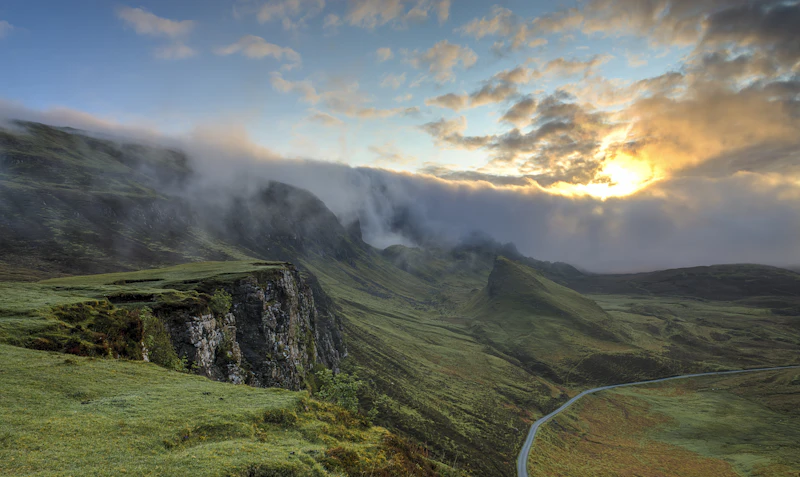
Quick Answer: Unveiling the South of France's Secret Charms
Choose the hidden villages of the South of France if you seek:
- Authentic Local Culture & History
- Serene Landscapes & Fewer Crowds
- Unique Artisan Crafts & Regional Cuisine
- Opportunities for Slow Travel & Immersion
Best For:
- Families seeking educational and tranquil experiences
- Digital Nomads craving inspiring, quiet work environments
- Couples looking for romantic, picturesque getaways
- Solo Travelers desiring introspection and cultural discovery
- Senior Travelers appreciating comfort, beauty, and history without the rush
These villages offer a stark contrast to the bustling coastal cities, inviting a deeper connection with the region's soul.
The South of France conjures images of sun-drenched lavender fields, azure coastlines, and glamorous Riviera towns. While destinations like Nice, Cannes, and Aix-en-Provence are undeniably captivating, they often come with significant crowds, especially during peak season. But what if you could peel back the layers and discover a different South of France – one where time seems to slow, where ancient stones whisper tales of centuries past, and where the rhythm of life is dictated by local traditions rather than tourist schedules?
Myth vs. Reality: The 'Crowded' South of France
Myth: The entire South of France is overrun with tourists, making authentic experiences impossible.
Reality: While major hubs and coastal resorts do experience high visitor numbers, particularly from June to August, the vast hinterland of Provence, Occitanie, and the foothills of the Alps is dotted with hundreds of villages that remain remarkably untouched. These 'villages perchés' (perched villages) and riverside hamlets offer a tranquil escape, preserving their unique character and local way of life. Travelers willing to venture slightly off the main highways can unlock a South of France that feels both timeless and personal.
Why Explore Beyond the Postcards?
Venturing into these hidden gems offers numerous rewards:
- Authenticity: Experience genuine Provençal or Occitan culture, interact with locals, and savor regional cuisine in family-run restaurants.
- Tranquility: Escape the noise and bustle. Enjoy peaceful strolls through ancient streets, listen to the cicadas, and find quiet moments of reflection.
- Value: Accommodation, dining, and activities in lesser-known areas often present better value than their famous counterparts, allowing your budget to stretch further. According to Numbeo cost of living estimates, smaller towns can be significantly more affordable than major cities.
- Unique Discoveries: Unearth local traditions, artisan workshops, and historical sites that are rarely mentioned in mainstream guidebooks.
- Stunning Scenery: These villages are often nestled in breathtaking natural settings, from dramatic gorges to rolling vineyards, offering incredible photographic opportunities.
Understanding the South of France: Regions and Vibe
The 'South of France' is a broad term, encompassing several distinct regions, primarily:
- Provence-Alpes-Côte d'Azur (PACA): Known for lavender, olive groves, the French Riviera, and the pre-Alps. Our villages here lean towards the Provençal charm and mountainous landscapes.
- Occitanie: Stretching from the Mediterranean to the Pyrenees, this region boasts Cathar castles, Roman history, rugged gorges, and a distinct linguistic and cultural heritage.
Each region contributes its unique flavor to the villages, from the ochre hues of Provence to the medieval fortifications of Occitanie.
The 10 Enchanting Hidden Villages You Need to Discover
1. Gourdon, Alpes-Maritimes (PACA)
Vibe: Perched like an eagle's nest, offering breathtaking panoramic views of the Loup Valley and the Côte d'Azur, Gourdon is often called 'the Saracen's watchtower'. Its strategic location has made it a historical stronghold, now a tranquil haven.
History & Charm: Dating back to Roman times, Gourdon's current form largely stems from the Middle Ages. Its beautifully preserved Château de Gourdon, originally a 9th-century fortress, was transformed into a Renaissance palace in the 17th century. The village itself is a labyrinth of narrow, cobbled streets, stone houses, and artisan shops selling local crafts, perfumes, and Provençal delicacies. The views from the village square are simply unparalleled, stretching from Nice to Théoule-sur-Mer on a clear day.
What to See & Do:
- Château de Gourdon: Explore its elegant interiors, including a pharmacy museum and a collection of medieval artifacts. Don't miss its exquisite French-style gardens designed by André Le Nôtre, the landscape architect of Versailles. Entrance fees typically range from €7-€9, according to Château de Gourdon official website.
- Artisan Boutiques: Browse for unique souvenirs, from handmade soaps to glasswork and local honey.
- Viewpoints: Spend time at various lookout points, particularly near the church, for stunning photo opportunities.
- Parc des Loups: A short drive away, this park offers walking trails and more scenic vistas.
Hyper-Local Tip: Visit on a weekday morning to truly experience its tranquility before the occasional tour bus arrives. Enjoy a traditional Provençal lunch at a local restaurant overlooking the valley, such as 'Au Vieux Four'.
Practicalities:
- Access: Best by car (approx. 45 min from Nice, 30 min from Grasse). Limited public transport options.
- Best Time: Spring (April-May) for wildflowers and pleasant weather, or early autumn (September-October) for clear skies and fewer crowds.
- Cost: Free to explore the village. Château entrance fee. Dining is moderately priced, with lunch menus around €20-€30.
2. Seillans, Var (PACA)
Vibe: A quintessential Provençal 'village perché', Seillans is famed for its winding cobblestone streets, ancient gateways, and artistic heritage. It's officially designated one of 'Les Plus Beaux Villages de France' (The Most Beautiful Villages of France), yet retains an understated charm.
History & Charm: Seillans has a rich history dating back to Roman times, with its medieval fortifications still evident today. The village was home to the surrealist artist Max Ernst and his wife Dorothea Tanning, whose influences can still be felt. Its tiered structure, with houses seemingly clinging to the hillside, provides endless picturesque nooks and crannies. Fountains gurgle in shaded squares, and the scent of jasmine often fills the air.
What to See & Do:
- Place du Thouron: The main square, shaded by ancient plane trees, is perfect for a coffee or an aperitif.
- Château de Seillans: Though mostly private, its exterior and surrounding ramparts offer a glimpse into its past.
- Max Ernst & Dorothea Tanning: Visit the former home of the artists or admire the 'Génies de la Bastille' sculpture by Ernst in the village square.
- Chapelle Saint-Léger: A beautiful Romanesque chapel offering panoramic views.
Hyper-Local Tip: Explore the small art galleries and workshops hidden within the village. In summer, look out for local craft markets or open-air concerts in the square. Pair your visit with a trip to nearby Fayence or the surrounding lavender fields in season.
Practicalities:
- Access: Car is essential. Approx. 1 hour from Cannes, 1.5 hours from Nice.
- Best Time: Late spring (May-June) for pleasant weather and blooming flowers, or early autumn (September) for grape harvests.
- Cost: Free to explore. Dining is reasonable, with a plat du jour around €15-€20.
3. Moustiers-Sainte-Marie, Alpes-de-Haute-Provence (PACA)
Vibe: Nestled between two rocky cliffs, Moustiers is famous for its unique faience (tin-glazed pottery) and the golden star suspended on a chain between the cliffs above the village. It's a gateway to the stunning Gorges du Verdon.
History & Charm: The village's history dates back to the 5th century when monks settled in nearby caves. It became renowned for its distinctive faience pottery in the 17th century, a tradition that continues today. The star, a symbol of a knight's vow, has hung above the village for centuries, adding to its mystique. Water from the surrounding mountains flows through the village, powering old mills and creating a tranquil atmosphere.
What to See & Do:
- Faience Workshops & Shops: Watch artisans at work and purchase exquisite pottery. The Musée de la Faïence (Faience Museum) details its history (entry around €5).
- Notre-Dame de Beauvoir Chapel: Hike up a steep, cobbled path to this Romanesque chapel for incredible views and to see the star up close. The ascent takes about 20-30 minutes.
- Gorges du Verdon: Moustiers is an ideal base for exploring Europe's grand canyon, offering activities like kayaking, hiking, and scenic drives.
Hyper-Local Tip: Visit in the late afternoon when the light is softer, perfect for photos, and many day-trippers have departed. Enjoy an ice cream by one of the village's many fountains.
Practicalities:
- Access: Car is highly recommended. Approx. 1.5 hours from Aix-en-Provence.
- Best Time: Late spring (May-June) before the peak summer heat and crowds, or early autumn (September) for pleasant weather.
- Cost: Free to explore. Faience can be expensive but makes for a unique souvenir.
4. Sainte-Agnès, Alpes-Maritimes (PACA)
Vibe: Claiming the title of the 'highest coastal village in France,' Sainte-Agnès offers unparalleled views of the Mediterranean and the surrounding mountains. It's a medieval stronghold with a surprisingly gentle character.
History & Charm: Perched at an altitude of 800 meters, Sainte-Agnès was strategically important for centuries, guarding the border. Its ruined castle, dating back to the 13th century, is a testament to its past. The village is a charming maze of narrow, steep lanes, vaulted passages, and houses built directly into the rock. The views from its summit are simply breathtaking, stretching from the Italian Riviera to the Esterel mountains.
What to See & Do:
- Château Ruines: Explore the remains of the medieval castle for history and panoramic vistas.
- Jardin Médiéval: A small, reconstructed medieval garden near the castle.
- Fort Maginot: Discover a fascinating underground Maginot Line fort from WWII, offering guided tours (entry approx. €6-€8).
- Église Notre-Dame des Neiges: A small, charming church with local artifacts.
Hyper-Local Tip: Wear comfortable shoes for walking the steep, cobbled streets. Enjoy a traditional meal at a restaurant like 'Le Saint Yves' for local specialties and unparalleled views.
Practicalities:
- Access: Car is best. Approx. 20 minutes from Menton, 45 minutes from Nice. Public bus line 12 from Menton exists but is infrequent.
- Best Time: Spring or autumn for comfortable walking temperatures and clear skies.
- Cost: Free to explore the village. Fort Maginot has an entrance fee.
5. Tourrettes-sur-Loup, Alpes-Maritimes (PACA)
Vibe: Known as the 'Cité des Violettes' (City of Violets), Tourrettes-sur-Loup is a vibrant artisan village with a rich history, perched on a rocky spur overlooking the Loup Valley.
History & Charm: This fortified medieval village has preserved its ramparts and ancient gateway. Its prosperity was historically linked to the cultivation of violets, a tradition that continues with a popular Violet Festival each March. Today, it's a hub for artists and craftspeople, with numerous galleries and workshops housed in its beautifully restored stone buildings.
What to See & Do:
- Village Medieval: Wander through the pedestrian-only streets, discovering hidden courtyards and ancient fountains.
- Artisan Workshops: Visit the studios of painters, sculptors, potters, weavers, and jewelers. Many offer demonstrations.
- Église Saint-Grégoire: A charming 12th-century church with a notable altarpiece.
- Violette Culture: In season (winter/early spring), learn about violet cultivation and buy violet-infused products (candies, perfumes, liqueurs).
Hyper-Local Tip: Seek out the local olive oil producers for tastings and purchases. Don't miss the views from the 'Chemin de Ronde', the ancient patrol path along the ramparts.
Practicalities:
- Access: Car is recommended. Approx. 30 minutes from Nice, 20 minutes from Grasse.
- Best Time: March for the Violet Festival, or spring/early autumn for pleasant weather and open workshops.
- Cost: Free to explore. Artisan crafts vary widely in price.
6. Entrevaux, Alpes-de-Haute-Provence (PACA)
Vibe: A spectacularly fortified medieval town, Entrevaux is often described as a 'living museum'. Accessed via a drawbridge, it feels like stepping back in time, guarded by its impressive citadel.
History & Charm: Strategically located on the Var River, Entrevaux was a crucial defensive point between France and the County of Savoy. Its fortifications were significantly enhanced by Vauban in the 17th century. The village is entirely pedestrianized, with narrow streets, archways, and a working drawbridge. The climb to the citadel is a rewarding experience, offering incredible views and a sense of history.
What to See & Do:
- Citadel of Entrevaux: Hike up the steep, zig-zagging path (about 30-45 minutes) to explore the impressive fortress and enjoy panoramic views. Entry typically around €4-€6.
- Cathedral of Notre-Dame de la Seds: A beautiful fortified cathedral within the village.
- Motorcycle Museum: A quirky collection of vintage motorcycles, reflecting the popularity of the surrounding roads for riders.
- Pont-Levis (Drawbridge): The main entrance to the village, a unique and historical feature.
Hyper-Local Tip: Pack water for the climb to the citadel, especially in warmer months. Enjoy a picnic lunch by the Var River after exploring the village.
Practicalities:
- Access: Best by car. You can also take the scenic 'Train des Pignes' from Nice, which stops directly at Entrevaux, offering a unique journey through the mountains.
- Best Time: Spring or autumn for pleasant hiking weather. Avoid mid-summer heat for the citadel climb.
- Cost: Free to enter the village. Citadel and museum have entrance fees.
7. Cotignac, Var (PACA)
Vibe: A charming village nestled at the foot of an impressive tufa cliff, famous for its troglodyte dwellings and a stunning waterfall. It exudes a relaxed, authentic Provençal atmosphere.
History & Charm: Cotignac's history is deeply intertwined with its unique geological setting. The cliff face features ancient cave dwellings carved into the rock, some still inhabited today. The village is known for its beautiful plane-tree-lined square, where locals gather for markets and pétanque. Legend also links Cotignac to a miraculous appearance of the Virgin Mary, making it a minor pilgrimage site.
What to See & Do:
- Troglodyte Dwellings: Explore the caves carved into the tufa cliff. Some are open to the public during certain hours.
- La Cascade de Cotignac: A beautiful waterfall just outside the village, perfect for a refreshing stop.
- Cours Gambetta: Enjoy a coffee or meal in the vibrant main square, shaded by plane trees.
- Chapelle Notre-Dame de Grâces: A pilgrimage site a short drive away, offering peaceful surroundings.
Hyper-Local Tip: Visit on a Tuesday morning for the lively weekly market, offering local produce, crafts, and Provençal specialties. Try the local olive oil, a regional pride.
Practicalities:
- Access: Car is essential. Approx. 1 hour from Aix-en-Provence, 1.5 hours from Saint-Tropez.
- Best Time: Spring or early summer for pleasant weather and lush greenery, or early autumn for grape harvest season.
- Cost: Free to explore. Dining is moderately priced.
8. Barjac, Gard (Occitanie)
Vibe: A Renaissance gem in the northern Gard department, Barjac is less known than its famous neighbor Uzès but boasts its own unique charm, elegant architecture, and a thriving antique scene.
History & Charm: Barjac flourished during the Renaissance, and its elegant stone mansions, arcaded squares, and stately 'hôtels particuliers' (private townhouses) reflect this prosperous period. It's renowned for its biannual antique and flea markets (Easter and August 15th), which draw collectors from across France. The village feels authentic and less tourist-oriented, offering a true slice of Occitan life.
What to See & Do:
- Château de Barjac: A beautiful 17th-century château, often hosting art exhibitions.
- Old Town: Wander through the charming streets, admiring the Renaissance architecture and hidden courtyards.
- Antique Markets: If your visit coincides, experience the vibrant atmosphere of its renowned antique fairs (check dates with the Barjac Tourist Office).
- Grotte de la Salamandre: A magnificent cave system nearby, offering guided tours and a unique underground experience.
Hyper-Local Tip: If visiting outside market times, seek out local pottery workshops. Enjoy a glass of local Côtes du Rhône wine in a café on Place de la République.
Practicalities:
- Access: Car is essential. Approx. 1 hour from Avignon, 45 minutes from Uzès.
- Best Time: Spring or autumn for pleasant weather. During the antique fairs, the village is bustling but vibrant.
- Cost: Free to explore. Antique prices vary widely!
9. Minerve, Hérault (Occitanie)
Vibe: A dramatic Cathar village, Minerve is spectacularly situated on a rocky promontory, surrounded by deep gorges carved by two rivers. It's a place steeped in history and natural beauty.
History & Charm: Minerve is famous for its tragic role in the Albigensian Crusade, where in 1210, 140 Cathar 'perfects' were burned at the stake. The village retains remnants of its fortifications and a strong sense of its past. The natural bridges formed by the rivers Cesse and Brian are a unique geological feature, adding to its dramatic setting. It's a designated 'Plus Beaux Village de France'.
What to See & Do:
- Cathar Museum: Learn about the history of the Cathars and the siege of Minerve.
- Natural Bridges: Walk down into the gorges to admire the impressive natural rock formations.
- Catapult Replica: See a life-size reconstruction of the siege engine used by Simon de Montfort.
- Wine Tasting: Minerve is in the heart of the Minervois wine region; visit local vineyards for tastings.
Hyper-Local Tip: Wear sturdy shoes for walking down into the gorges. Consider a guided tour to fully appreciate the Cathar history and geological wonders. Enjoy a meal at 'Relais des Capitelles' for regional cuisine.
Practicalities:
- Access: Car is essential. Approx. 45 minutes from Narbonne, 1 hour from Carcassonne.
- Best Time: Spring or autumn for comfortable walking temperatures. Summer can be very hot in the gorges.
- Cost: Free to explore. Museum and wine tastings may have fees.
10. Aiguèze, Gard (Occitanie)
Vibe: Perched high above the Ardèche River, Aiguèze is a fortified medieval village offering spectacular views of the gorges and the surrounding countryside. It's another 'Plus Beaux Village de France' that feels wonderfully preserved.
History & Charm: Aiguèze dates back to the 12th century, built as a strategic stronghold to control access to the Ardèche gorges. Its ramparts, castle ruins, and ancient church contribute to its authentic medieval atmosphere. The village is entirely pedestrianized, with charming narrow streets, stone houses, and vibrant flowers adorning windowsills. The views from the belvedere are simply breathtaking, especially at sunset.
What to See & Do:
- Ramparts & Castle Ruins: Explore the fortifications and the remains of the old castle for incredible vistas.
- Église Saint-Pierre: A beautiful Romanesque church with historical significance.
- Belvedere: The main viewpoint offers panoramic scenes of the Ardèche Gorges.
- Ardèche Gorges: Enjoy activities like canoeing, kayaking, or swimming in the river below (a short drive away).
Hyper-Local Tip: Stay for sunset at the belvedere for truly magical views over the Ardèche. During the summer, look for local producers selling lavender products or nougat in the village square.
Practicalities:
- Access: Car is essential. Approx. 1 hour from Avignon, 40 minutes from Orange.
- Best Time: Late spring (May-June) or early autumn (September-October) for pleasant weather and fewer crowds. Summer is popular for river activities.
- Cost: Free to explore.
Pros & Cons of Off-the-Beaten-Path Travel in the South of France
Pros:
- Authentic Experience: Deeper cultural immersion, fewer tourist traps.
- Cost Savings: Generally lower prices for accommodation, food, and activities compared to major cities.
- Tranquility: Escape the crowds, enjoy peace and quiet, and connect with nature.
- Unique Discoveries: Unearth local traditions, artisan crafts, and hidden historical sites.
- Flexibility: More freedom to explore at your own pace without feeling rushed.
Cons:
- Limited Public Transport: A car is almost always essential, which adds to costs and planning.
- Fewer English Speakers: While many tourist-facing staff may speak some English, it's less common in truly local villages. Basic French phrases are highly recommended.
- Fewer Amenities: Limited options for large supermarkets, late-night dining, or extensive shopping.
- Slower Pace: May not appeal to travelers seeking constant activity or vibrant nightlife.
- Seasonal Closures: Some smaller establishments might have reduced hours or close entirely during the off-season.
Planning Your Secluded South of France Escape
Best Time to Visit
The ideal time to explore these hidden villages is during the shoulder seasons:
- Spring (April-May): Pleasant temperatures (15-25°C), blooming wildflowers, and fewer crowds. Perfect for hiking and sightseeing.
- Early Autumn (September-October): Warm, sunny days (18-28°C), grape harvests, and still relatively quiet. The light is beautiful for photography.
Summer (June-August) can be very hot (often exceeding 30°C) and sees a slight increase in visitors even to these villages, particularly in August when French families take their holidays. Winter (November-March) is quiet and can be charming, but many establishments may be closed, and temperatures can drop significantly.
Budgeting for Hidden Gems (Estimates per person, per day)
While generally more affordable than major cities, costs can vary. These are estimates based on moderate travel:
- Accommodation: €60-€120 (for a charming B&B or gîte).
- Food: €40-€70 (breakfast, lunch at a local bistro, dinner).
- Transport: €30-€60 (car rental, fuel, tolls, assuming shared costs).
- Activities/Miscellaneous: €15-€30 (museum entry, coffee, souvenirs).
- Total Daily Estimate: €145-€280.
Self-catering some meals can significantly reduce food costs, as can opting for simpler accommodations. According to INSEE (National Institute of Statistics and Economic Studies) data, rural areas typically have lower consumer prices for certain goods and services compared to urban centers.
Safety & Local Customs
The South of France, particularly its rural villages, is generally very safe. Travelers commonly report a friendly and welcoming atmosphere. However, standard precautions against petty theft (e.g., pickpocketing in crowded areas, securing valuables in your car) are always advisable, especially in parking lots near popular sites.
Local Customs:
- A polite 'Bonjour' or 'Bonsoir' when entering a shop or restaurant is always appreciated.
- Meal times are generally later than in many other countries (lunch 12:30-2 PM, dinner 7:30-9:30 PM).
- Tipping is not obligatory but rounding up or leaving a few euros for good service is common.
Visa & Entry Requirements
France is part of the Schengen Area. Citizens of many countries (e.g., USA, Canada, UK, Australia) can enter for up to 90 days within a 180-day period without a visa for tourism purposes. Always check the latest requirements with the French Ministry of Foreign Affairs website before travel, as regulations can change.
Weather & Packing
The South of France enjoys a Mediterranean climate, characterized by hot, dry summers and mild, wet winters. Pack layers, even in summer, as evenings can be cooler, especially in higher-altitude villages. Comfortable walking shoes are essential for exploring cobbled streets and hiking trails. Sun protection (hat, sunglasses, high-SPF sunscreen) is a must year-round.
Currency & Payments
The currency is the Euro (€). Credit and debit cards (Visa, Mastercard) are widely accepted in most establishments. However, it's always wise to carry some cash, especially for smaller purchases, local markets, or in very remote villages where card machines might be less reliable or non-existent.
Getting Around (Transport)
Car Rental: For exploring these hidden villages, a rental car is almost indispensable. It offers the flexibility to reach remote locations, stop at scenic viewpoints, and carry luggage easily. Book in advance, especially during peak season. Rental car prices vary significantly by season and duration, but travelers commonly report daily rates between €30-€70 for a compact car, excluding fuel and insurance, based on typical aggregator pricing (e.g., Rentalcars.com).
Public Transport: While regional trains (TER) connect major towns, bus services to smaller villages are often infrequent or non-existent. Plan carefully if relying on public transport, checking schedules with local tourism offices or the SNCF website.
Connectivity (Internet & Power)
Internet: Wi-Fi is commonly available in hotels, B&Bs, and many restaurants. Mobile data coverage is generally good throughout the region, though it can be spotty in very remote mountain areas or deep gorges. Consider a local SIM card or an eSIM for seamless connectivity. Based on nPerf coverage maps, major operators like Orange, SFR, and Bouygues Telecom offer good coverage in populated areas.
Power Plug: France uses Type E power sockets. The standard voltage is 230V, and the frequency is 50Hz. Travelers from countries with different plug types or voltages will need an adapter and potentially a converter.
Emergency Numbers
- 112: European emergency number (operates in France for all emergencies).
- 15: SAMU (Medical Emergency)
- 17: Police
- 18: Fire Brigade
Sample Itinerary: A Week Among Provence & Occitanie's Hidden Gems
This itinerary focuses on a selection of villages, assuming car travel, and provides a balance of exploration and relaxation.
Day 1: Arrival in Nice & Drive to Tourrettes-sur-Loup
- Arrive at Nice Côte d'Azur Airport (NCE), pick up rental car.
- Drive to Tourrettes-sur-Loup (approx. 30 min). Check into your charming B&B.
- Spend the afternoon exploring the artisan workshops and medieval streets.
- Dinner in Tourrettes-sur-Loup, enjoying local Provençal cuisine.
Day 2: Gourdon & Sainte-Agnès
- Morning: Drive to Gourdon (approx. 20 min). Explore the Château and enjoy the panoramic views.
- Lunch in Gourdon.
- Afternoon: Drive to Sainte-Agnès (approx. 1 hour). Discover the highest coastal village and its castle ruins.
- Return to Tourrettes-sur-Loup for the evening.
Day 3: Towards the Verdon Gorges – Moustiers-Sainte-Marie
- Morning: Depart Tourrettes-sur-Loup and drive towards Moustiers-Sainte-Marie (approx. 2 hours).
- Check into accommodation in Moustiers or a nearby gîte.
- Afternoon: Explore Moustiers, visit faience workshops, and hike to Notre-Dame de Beauvoir.
- Dinner in Moustiers, perhaps trying a restaurant by the stream.
Day 4: Gorges du Verdon Exploration & Cotignac
- Morning: Explore the Gorges du Verdon. Consider renting a kayak or pedal boat on Lac de Sainte-Croix, or driving the scenic Route des Crêtes.
- Lunch near the Gorges.
- Afternoon: Drive to Cotignac (approx. 1 hour). Discover the troglodyte dwellings and enjoy the village square.
- Overnight in Cotignac.
Day 5: Journey to Occitanie – Barjac
- Morning: Depart Cotignac and drive to Barjac (approx. 2 hours).
- Check into your accommodation.
- Afternoon: Explore Barjac's Renaissance architecture and perhaps visit the Château.
- Dinner in Barjac, savoring local Gardois specialties.
Day 6: Aiguèze & Ardèche Gorges
- Morning: Drive to Aiguèze (approx. 20 min). Explore the fortified village and its stunning views of the Ardèche.
- Optional: Drive a section of the Gorges de l'Ardèche scenic route or visit a local cave.
- Lunch in Aiguèze or a nearby riverside town.
- Afternoon: Relax or visit a local vineyard for wine tasting.
- Return to Barjac for the evening.
Day 7: Departure from Avignon or Nîmes
- Morning: Enjoy a final French breakfast.
- Drive to Avignon (approx. 1 hour) or Nîmes (approx. 1 hour 15 min) for your departure, returning the rental car at the airport (e.g., Avignon Provence Airport - AVN or Nîmes-Alès-Camargue-Cévennes Airport - FNI) or a TGV station.
Frequently Asked Questions (FAQs)
Is the South of France expensive to visit in its hidden villages?
While the French Riviera can be very expensive, visiting the hidden villages in the hinterland of Provence and Occitanie is generally more affordable. Accommodation, dining, and local products often come at a lower price point than in major tourist hubs. Travelers commonly report that budgeting around €150-€250 per person per day (excluding international flights) allows for comfortable travel, including car rental, charming gîtes, and delicious meals, though this can be reduced by self-catering or increased by luxury choices.
Do I need to speak French to visit these secret villages?
While English is commonly spoken in hotels and major tourist attractions in larger French cities, it is less frequently spoken in truly local, hidden villages. Learning a few basic French phrases (hello, goodbye, please, thank you, excuse me) will significantly enhance your experience and is highly appreciated by locals. Many travelers find that a combination of a phrasebook, translation app, and a willingness to communicate helps bridge any language gaps.
Are the roads to these hidden villages difficult to navigate?
The roads leading to these perched villages can be winding, narrow, and sometimes steep, especially in mountainous areas. However, they are generally well-maintained. A GPS or smartphone navigation app is highly recommended. Drivers should be comfortable with manual transmission (if renting one) and confident on smaller, less-trafficked roads. Always drive carefully and be mindful of local traffic rules.
What kind of accommodation can I expect in these villages?
Accommodation options in these hidden villages typically include charming guesthouses (chambres d'hôtes), self-catering cottages (gîtes), small boutique hotels, or occasionally a family-run hotel. You'll find fewer large chain hotels. Many offer authentic local experiences, often with breakfast included, and provide a personal touch from your hosts. Booking well in advance is advisable, especially for popular periods.
Who Should Visit These Hidden Villages?
- Culture Enthusiasts: Those eager to delve deep into French history, architecture, and local traditions.
- Nature Lovers: Travelers who appreciate stunning landscapes, from gorges to lavender fields, and enjoy outdoor activities like hiking or gentle strolls.
- Foodies & Wine Aficionados: Individuals keen to discover authentic regional cuisine, local markets, and explore lesser-known vineyards.
- Seekers of Tranquility: Anyone looking to escape the hustle and bustle, enjoy a slower pace of life, and find peace in picturesque settings.
- Photographers: The unique light, ancient architecture, and dramatic landscapes offer endless photographic opportunities.
Related Guides for Your South of France Adventure
- South of France Itinerary: A Two-Week Journey
- Provençal Street Food: A Culinary Guide
- South of France Budget Guide: Saving Money on Your Trip
- Avoiding South of France Tourist Traps
- Solo Travel in Provence: Tips and Safety
- France Visa Guide: Requirements for International Travelers
- Gorges du Verdon Adventure Guide
- Guide to Provence's Lavender Fields
- French Riviera: Beyond the Glamour
- Exploring Cathar Country: History and Castles
Editorial Methodology & Trust
Last Updated: July 2, 2026
Every Shaivio guide is created through editorial research using publicly available information from official tourism authorities, transportation providers, government resources, and other reliable references where applicable. Our editors review and update content regularly to improve accuracy and usefulness. Shaivio does not accept paid placements or sponsored rankings in editorial content. Because travel information can change, we recommend verifying critical details with the relevant official source before traveling.