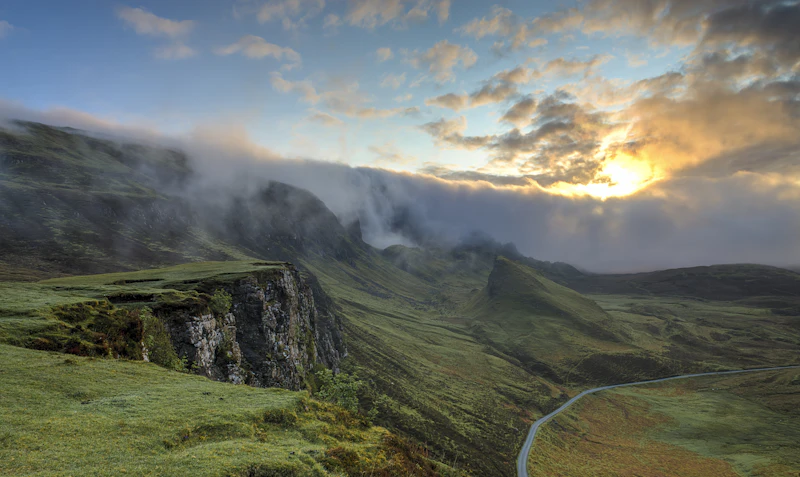
The Ultimate 7-Day Iceland Ring Road Itinerary for First-Timers
Iceland, the 'Land of Fire and Ice,' offers a landscape unlike any other on Earth. For first-time visitors, the allure of the Ring Road (Route 1) is undeniable ��� a 1,332-kilometer (828-mile) circumnavigation that stitches together the country's most iconic natural wonders. While many dream of a leisurely two-week exploration, a 7-day trip is a popular and achievable goal, especially for those with limited time. This guide is meticulously crafted to maximize your experience, providing a detailed, day-by-day itinerary alongside critical practical advice to ensure your inaugural Icelandic adventure is both epic and seamless.
However, embarking on such an ambitious journey in just seven days requires careful planning and realistic expectations. This itinerary prioritizes key attractions while offering insights on how to manage your time and avoid common pitfalls, ensuring you don't just see Iceland, but truly experience it.
Quick Answer: Is 7 Days Enough for the Ring Road?
A 7-day Ring Road itinerary is ambitious but entirely feasible for first-timers who prioritize key natural attractions and are comfortable with significant driving distances each day. It's a fantastic introduction to Iceland's diverse landscapes, offering a condensed yet comprehensive overview.
Choose this 7-day Iceland Ring Road itinerary if:
- You have a limited travel window but want to see the main highlights.
- You enjoy road trips and don't mind spending several hours driving daily.
- Your primary interest is natural landscapes: waterfalls, glaciers, black sand beaches, and geothermal areas.
- You prefer a structured itinerary with clear daily objectives.
Best For:
- Adventurous Couples
- Small Groups of Friends
- Nature Enthusiasts
- Photographers
Common Mistakes First-Timers Make on the Ring Road
Iceland’s popularity has surged, leading to increased traffic and demand, especially during peak season. First-timers often underestimate the time required for travel between sights, the impact of weather, and the cost of essentials. Avoiding these common mistakes can significantly enhance your trip:
- Underestimating Driving Times: While the Ring Road is approximately 1,332 km, the actual time spent driving is much longer than a typical highway due to frequent stops for photos, variable road conditions, and adherence to speed limits (typically 90 km/h on paved roads, lower on gravel) (Icelandic Road and Coastal Administration). What looks like a 2-hour drive on a map can easily become 3-4 hours with stops.
- Ignoring Weather Warnings: Iceland's weather is notoriously unpredictable and can change rapidly, even in summer. High winds, snow (even in shoulder seasons), and heavy rain can make driving hazardous or even lead to road closures. Always check Vedur.is (the Icelandic Meteorological Office) and Road.is daily.
- Over-packing the Itinerary: Trying to see absolutely everything in 7 days will lead to exhaustion and rushed experiences. This itinerary focuses on key highlights, allowing for more immersive stops rather than simply checking off a list.
- Not Booking Accommodation/Rental Car in Advance: Especially during peak season (June-August), accommodations and rental cars book up months in advance and prices skyrocket. Travelers commonly report paying significantly more for last-minute bookings (Guide to Iceland).
- Neglecting Budgeting for Food: Eating out in Iceland is expensive. Many expats recommend utilizing grocery stores like Bónus or Krónan for snacks, breakfast, and packed lunches to save significantly. A simple restaurant meal can easily cost 3,000-5,000 ISK per person.
- Not Getting Proper Insurance: Car rental insurance is crucial, especially for gravel protection and sand/ash protection, which are often not included in basic packages.
- Disregarding Safety at Natural Sites: Waves at Reynisfjara black sand beach are infamous for their 'sneaker waves' that can pull people into the ocean. Always maintain a safe distance. Similarly, be cautious on icy paths near waterfalls.
Pros & Cons of a 7-Day Ring Road Trip
Understanding the trade-offs is crucial for setting realistic expectations for your journey.
| Category | Pros of a 7-Day Ring Road | Cons of a 7-Day Ring Road |
|---|---|---|
| Pace | Efficient for seeing diverse landscapes quickly. | Fast-paced, limited time for deep exploration or spontaneous detours. |
| Coverage | Covers major highlights of the South, East, and North Iceland. | Skips Westfjords and often Snæfellsnes Peninsula (unless condensed). |
| Driving | Constant scenic drives, new views daily. | Long driving days (4-6+ hours actual driving), can be tiring. |
| Accommodation | Experience different towns and regions each night. | Requires packing/unpacking daily; less chance to settle in. |
| Cost Efficiency | Potentially lower overall trip cost compared to longer stays. | Higher cost per day due to constant movement and activities. |
| Flexibility | Less room for unexpected changes or adverse weather delays. | Limited flexibility for lingering at favorite spots. |
| Experience | A great 'taster' to decide on future, longer trips. | Can feel rushed, potentially leading to 'sight fatigue'. |
Your Ultimate 7-Day Iceland Ring Road Itinerary
This itinerary is designed for a summer visit (June-August) when daylight hours are long and road conditions are generally optimal. Adjustments may be necessary for shoulder seasons due to shorter daylight and potential road closures.
Day 0: Arrival in Reykjavík & Preparation
- Morning/Afternoon: Arrive at Keflavík International Airport (KEF). Pick up your pre-booked rental car. Many travelers opt for a 4x4 for peace of mind, especially if venturing onto F-roads, though the Ring Road itself is mostly paved and accessible by a 2WD in summer.
- Drive to Reykjavík: Approximately 45-50 minutes (50 km). Consider a stop at the Blue Lagoon if your flight timing allows and you've pre-booked tickets (essential).
- Check-in & Groceries: Settle into your accommodation in Reykjavík. Head to a local supermarket (Bónus or Krónan) to stock up on essentials like water, snacks, bread, and sandwich fillings. This will save significant money on food during your trip.
- Evening: Explore downtown Reykjavík. Walk along Laugavegur, visit Hallgrímskirkja church, and enjoy a traditional Icelandic dinner.
- Overnight: Reykjavík.
- Hyper-Local Tip: Parking in central Reykjavík can be expensive. Look for parking garages or use the 'Parka' app for street parking payment.
Day 1: Golden Circle & South Coast Start (Reykjavík to Vík Area)
Kick off your adventure with Iceland's most famous tourist route, then begin your journey east.
- Morning (Golden Circle):
- Þingvellir National Park (Official Site): A UNESCO World Heritage site, historically significant as the meeting place of Iceland's first parliament (Alþingi) and geologically fascinating as the visible rift valley between the North American and Eurasian tectonic plates. Spend 1.5-2 hours walking the paths.
- Geysir Geothermal Area: Witness the Strokkur geyser erupting every 5-10 minutes, shooting hot water up to 20 meters high. The entire area is a hub of bubbling mud pots and steaming vents. Allow 45 minutes to an hour.
- Gullfoss Waterfall: The 'Golden Waterfall' is a majestic two-tiered cascade plunging into a deep canyon. There are multiple viewing platforms offering different perspectives. Budget 1 hour.
- Kerið Crater: A vibrant red volcanic crater lake. A short walk around the rim and down to the water. Entry fee: 400 ISK (as of 2023, subject to change). Allow 30-45 minutes.
- Afternoon: Drive towards Vík í Mýrdal. This stretch offers stunning views.
- Overnight: Vík or nearby Kirkjubæjarklaustur (book well in advance).
- Driving Distance: Approx. 300 km.
- Hyper-Local Tip: Have lunch near Geysir or Gullfoss, but expect higher prices. Pack sandwiches from Reykjavík for a more budget-friendly option.
Day 2: South Coast Wonders (Vík Area to Höfn)
Today is packed with some of Iceland's most photographed natural attractions.
- Morning:
- Seljalandsfoss: Famous for the path that allows you to walk behind the waterfall (weather permitting). Bring a waterproof jacket! Allow 45 minutes.
- Skógafoss: A powerful, wide waterfall often graced by rainbows on sunny days. You can climb the stairs to the top for panoramic views. Allow 1 hour.
- Sólheimajökull Glacier: An accessible outlet glacier of Mýrdalsjökull. A 15-20 minute walk from the parking lot brings you close to the glacier snout. Consider a guided glacier walk for a truly immersive experience (requires pre-booking).
- Afternoon:
- Reynisfjara Black Sand Beach: Famous for its basalt columns, powerful waves, and Dyrhólaey arch in the distance. CRITICAL SAFETY WARNING: Do not turn your back on the ocean. 'Sneaker waves' are deadly. Maintain a significant distance from the water's edge. Allow 1 hour.
- Dyrhólaey: A dramatic promontory offering incredible views of the black sand beaches, the arch, and sometimes puffins (seasonal, typically May-August).
- Evening: Continue drive towards Höfn. This is a longer driving day.
- Overnight: Höfn.
- Driving Distance: Approx. 270 km.
- Hyper-Local Tip: Check road.is for conditions around Dyrhólaey as the access road can sometimes be closed.
Day 3: Glacier Lagoon & Diamond Beach (Höfn Area)
Today is about ice, in all its majestic forms.
- Morning:
- Fjaðrárgljúfur Canyon: (Optional, check road conditions) A stunning, moss-covered canyon. The access road (F206) might require a 4x4 depending on recent conditions, and it's a slight detour. If accessible and time permits, allow 1-1.5 hours.
- Jökulsárlón Glacier Lagoon (Official Site): A breathtaking glacial lagoon filled with icebergs calved from Breiðamerkurjökull glacier. Consider a boat tour (amphibian or zodiac) for a closer look (pre-booking highly recommended). Allow 1.5-2 hours.
- Diamond Beach: Directly across the road from Jökulsárlón, icebergs wash ashore onto the black sand, glistening like diamonds. A photographer's paradise. Allow 45 minutes to 1 hour.
- Afternoon: Enjoy the Höfn area. Höfn is known for its lobster/langoustine.
- Overnight: Höfn.
- Driving Distance: Approx. 100-150 km (depending on Fjaðrárgljúfur).
- Hyper-Local Tip: The best time to visit Jökulsárlón and Diamond Beach is usually early morning or late afternoon to avoid peak crowds, especially for photography.
Day 4: East Fjords & Egilsstaðir (Höfn to Egilsstaðir/Myvatn Area)
A day of dramatic coastal drives and charming fishing villages.
- Morning/Afternoon: Drive through the East Fjords. This is one of the most remote and less-trafficked parts of the Ring Road.
- Djúpivogur: A picturesque fishing village known for 'Eggin í Gleðivík' (The Eggs of Merry Bay), a public art installation.
- Petra's Stone Collection (Stöðvarfjörður): A unique private collection of Icelandic minerals and stones, open to the public (entry fee applies).
- Seyðisfjörður (Optional Detour): A stunning 27 km mountain pass (Route 93) leads to this vibrant artsy town, famous for its rainbow street and colorful wooden houses. The drive itself is scenic but adds significant time (1-1.5 hours each way). Highly recommended if time allows.
- Evening: Arrive in Egilsstaðir, the largest town in East Iceland, or continue towards the Lake Myvatn area if you want to shorten tomorrow's drive.
- Overnight: Egilsstaðir or Reykjahlíð (Myvatn area).
- Driving Distance: Approx. 250-350 km (depending on Seyðisfjörður detour).
- Hyper-Local Tip: Fuel stations are less frequent in the East Fjords. Fill up your tank in Höfn and Egilsstaðir.
Day 5: North Iceland - Myvatn & Akureyri (Egilsstaðir to Akureyri)
Prepare for a day of unique geothermal landscapes and powerful waterfalls.
- Morning: Explore the Myvatn area, a geological wonderland.
- Dettifoss: Europe's most powerful waterfall. Access from both east (road 864, gravel, often closed in winter) and west (road 862, paved). The west side offers easier access to the main viewpoint. Allow 1-1.5 hours.
- Hverir Geothermal Area (Námaskarð): A surreal landscape of bubbling mud pots, fumaroles, and sulfur vents emitting strong smells. Stay on marked paths due to extreme heat. Allow 45 minutes.
- Grjótagjá Cave: A small, partially submerged cave with a geothermal hot spring. Once a bathing spot, now often too hot and for viewing only.
- Dimmuborgir: 'Dark Castles' - a field of bizarre lava formations, often associated with Icelandic folklore of trolls and elves. Several walking trails. Allow 1 hour.
- Afternoon: Continue west.
- Goðafoss: The 'Waterfall of the Gods,' a beautiful horseshoe-shaped waterfall with historical significance from Iceland's conversion to Christianity. Easy access. Allow 45 minutes.
- Evening: Arrive in Akureyri, the 'Capital of North Iceland.' Enjoy its charming downtown and perhaps a whale watching tour from nearby Húsavík (if you had an extra day).
- Overnight: Akureyri.
- Driving Distance: Approx. 200-250 km.
- Hyper-Local Tip: The Myvatn area is known for midges (small flies) in summer. Bring insect repellent and consider a head net, especially near the lake.
Day 6: Northwest & West Iceland (Akureyri to Borgarnes/Snæfellsnes)
A long driving day as you make your way back towards the capital region, with options for scenic detours.
- Morning: Explore Akureyri briefly (Akureyrarkirkja church, botanical garden) or head directly west.
- Optional Detour 1 (Vatnsnes Peninsula): Drive around the Vatnsnes Peninsula (Route 711) known for its seal colonies and the Hvítserkur rock formation ('dinosaur rock'). This adds 2-3 hours to your drive.
- Optional Detour 2 (Snæfellsnes Peninsula Start): Head directly towards the Snæfellsnes Peninsula for an early start on tomorrow's exploration, staying in Grundarfjörður or Stykkishólmur. This option makes Day 7 less rushed but increases today's driving.
- Afternoon: Continue along the Ring Road through agricultural landscapes and past historic sites like Glaumbær Farm & Museum (turf houses).
- Evening: Arrive in Borgarnes or a town on the Snæfellsnes Peninsula.
- Overnight: Borgarnes or Grundarfjörður.
- Driving Distance: Approx. 300-400 km.
- Hyper-Local Tip: If opting for the Vatnsnes Peninsula, bring binoculars for seal spotting. Be respectful of wildlife and maintain distance.
Day 7: Snæfellsnes Peninsula & Return to Reykjavík/Keflavík
A final day of dramatic coastal scenery before heading back to the airport.
- Morning/Afternoon: Explore the Snæfellsnes Peninsula, often called 'Miniature Iceland' due to its diverse landscapes.
- Kirkjufell Mountain & Kirkjufellsfoss: Iceland's most photographed mountain, often seen with its accompanying waterfall. Allow 45 minutes to 1 hour.
- Djúpalónssandur Black Pebble Beach: A beautiful beach with smooth black pebbles and remnants of a shipwreck. Test your strength with the 'lifting stones.' Allow 1 hour.
- Arnarstapi & Hellnar: Charming coastal villages with dramatic basalt cliffs, rock formations, and a natural stone arch (Gatklettur). Take a scenic walk between the two villages. Allow 1-1.5 hours.
- Búðir Black Church: An iconic black wooden church set against a dramatic backdrop. A popular photography spot. Allow 20 minutes.
- Late Afternoon: Drive back to Keflavík International Airport (KEF) for your departure, or return to Reykjavík for a final night. Ensure you allow ample time for car return and check-in (at least 3 hours before your flight).
- Driving Distance: Approx. 200-300 km.
- Hyper-Local Tip: Many gas stations in Iceland are self-service and require a credit card with a PIN. Pre-loading an Icelandic prepaid fuel card (available at N1 stations) can be a convenient option.
Budgeting for Your Icelandic Adventure
Iceland is renowned for its high cost of living and travel. A 7-day Ring Road trip requires careful financial planning.
Estimated Costs (per person, based on 2 travelers sharing costs, excluding flights):
- Accommodation: 15,000 - 30,000 ISK per person per night (approx. $110 - $220 USD). This assumes a mix of guesthouses, farm stays, and budget hotels. Hostels or camping can significantly reduce this. (Based on common booking platform prices).
- Rental Car (7 days, 4x4 recommended for peace of mind): 80,000 - 150,000 ISK total (approx. $580 - $1100 USD), or 40,000 - 75,000 ISK per person. This includes basic insurance. Add 10,000 - 30,000 ISK for full coverage (gravel, sand/ash protection). (Based on major rental agencies).
- Fuel: 30,000 - 50,000 ISK total for the Ring Road (approx. $220 - $360 USD), or 15,000 - 25,000 ISK per person. Fuel prices are high, often fluctuating around 280-320 ISK per liter for petrol (approx. $8-9 USD per gallon) (GlobalPetrolPrices.com).
- Food:
- Budget (grocery store meals, packed lunches): 5,000 - 8,000 ISK per person per day (approx. $35 - $60 USD).
- Mid-range (mix of groceries and occasional restaurant meals): 8,000 - 15,000 ISK per person per day (approx. $60 - $110 USD).
- High-end (eating out frequently): 15,000+ ISK per person per day.
- Activities & Tours: 5,000 - 20,000 ISK per person per activity (e.g., Blue Lagoon entry: 8,990 - 11,990 ISK; Glacier Lagoon boat tour: 6,900 - 12,000 ISK; guided glacier hike: 12,000 - 20,000 ISK).
- Miscellaneous (souvenirs, entry fees): 5,000 - 10,000 ISK per person.
Total Estimated Budget for 7 Days (per person, excluding flights):
- Budget Traveler: 150,000 - 250,000 ISK (approx. $1,100 - $1,800 USD)
- Mid-Range Traveler: 250,000 - 400,000 ISK (approx. $1,800 - $2,900 USD)
Safety on the Ring Road
Iceland is one of the safest countries in the world, with a low crime rate. However, natural hazards require vigilance:
- Road Conditions: Always check Road.is for road closures, ice, or high wind warnings before driving. Speed limits are enforced.
- Weather: Rapid changes are common. Dress in layers. Always have waterproof and windproof outer layers. Check Vedur.is.
- Natural Attractions: Respect warning signs. Do not approach glacier edges without a guide. Stay well away from waves on black sand beaches. Do not hike off marked trails, especially in geothermal areas.
- Emergency Services: The emergency number is 112 for police, ambulance, and fire services.
- Driving Off-Road: It is illegal and severely punishable to drive off-road in Iceland to protect its fragile environment. Stick to marked roads.
Visa & Entry Requirements
Iceland is part of the Schengen Area. Citizens of many countries, including the US, Canada, Australia, and the UK, can enter Iceland visa-free for up to 90 days within a 180-day period for tourism purposes. Always verify the latest requirements with the Directorate of Immigration or your local Icelandic embassy/consulate.
Weather Considerations
Iceland's climate is subpolar oceanic, characterized by cool summers and mild, windy winters. Expect the unexpected!
- Summer (June-August): Average temperatures range from 10-13°C (50-55°F), but can reach 20°C (68°F) on warm days. Long daylight hours (midnight sun) are a major draw. Rain is frequent, and strong winds are common.
- Shoulder Seasons (April-May, September-October): Temperatures are cooler, 0-10°C (32-50°F). Weather is more volatile, with increased chances of snow, ice, and road closures, especially in the North and East. Daylight hours are still reasonable.
- Winter (November-March): Average temperatures hover around 0°C (32°F) but can drop significantly. Short daylight hours, severe storms, and widespread snow/ice are common. A 7-day Ring Road trip in winter is generally not recommended for first-timers due to challenging driving conditions and potential road closures.
Currency & Payments
- Currency: Icelandic Króna (ISK).
- Credit Cards: Widely accepted everywhere, even in remote areas and for small purchases. Many travelers find they rarely need cash. Mastercard and Visa are universally accepted. American Express is less common but accepted in major establishments.
- ATMs: Available in all towns.
- Tipping: Not customary in Iceland, as service charges are included in prices.
Transportation Essentials
- Rental Car: Essential for this itinerary. Book well in advance. Consider a 4x4 for peace of mind, especially if you plan any F-road detours (not covered in this itinerary but good for future reference). Ensure your rental includes unlimited mileage.
- Insurance: Get comprehensive insurance, including gravel protection and sand/ash protection. Many standard policies do not cover these unique Icelandic hazards.
- Driving Rules: Drive on the right. Headlights must be on at all times, day or night. Speed limits are 90 km/h on paved rural roads, 80 km/h on gravel roads, and 50 km/h in urban areas. Fines for speeding are substantial.
Connectivity & Internet
Mobile phone coverage is generally excellent along the Ring Road and in populated areas. Free Wi-Fi is common in hotels, guesthouses, and many cafes/restaurants. For consistent connectivity, consider purchasing a local SIM card (e.g., from Síminn, Vodafone, Nova) or renting a portable Wi-Fi device from your car rental company.
Power Plugs
Iceland uses Type F (Schuko) and Type C plugs, with a standard voltage of 230V and a frequency of 50Hz. Travelers from North America will need a voltage converter and a plug adapter; travelers from Europe generally only need a plug adapter if their devices use Type C.
Emergency Numbers
The national emergency number for all services (police, ambulance, fire, search and rescue) in Iceland is 112. Save this number in your phone before you travel.
Who Should Embark on This Icelandic Adventure?
This 7-day Ring Road itinerary is ideal for:
- Adventurous First-Timers: Those who want a comprehensive overview of Iceland's diverse landscapes without committing to a longer trip.
- Road Trip Enthusiasts: Individuals or small groups who enjoy long drives and the freedom of exploring at their own pace.
- Nature Lovers: Anyone whose primary interest lies in witnessing spectacular waterfalls, glaciers, volcanoes, and unique geological formations.
- Photographers: The itinerary hits many of Iceland's most iconic and photogenic spots, offering incredible opportunities for stunning captures.
It might be less suitable for those who prefer a slow pace, extensive hiking, or deep dives into specific regions, which would require a longer duration.
Related Guides for Your Icelandic Journey
- Iceland Budget Guide: Savvy Tips for Affordable Travel
- Solo Travel in Iceland: A Comprehensive Safety and Planning Guide
- The Ultimate Golden Circle Itinerary: Beyond the Main Three
- Exploring Iceland's South Coast: Hidden Gems and Iconic Sights
- Chasing the Aurora: Your Complete Guide to Iceland's Northern Lights
- Iceland Car Rental Tips: What You Need to Know Before You Go
- Iceland's Best Hot Springs: From Blue Lagoon to Secret Lagoons
- The Essential Iceland Packing List: What to Bring Year-Round
- East Fjords Exploration: Unveiling Iceland's Remote Beauty
- Snæfellsnes Peninsula: Iceland in Miniature
Frequently Asked Questions (FAQs)
Article Methodology & Sources
This article was meticulously researched using a combination of official government tourism websites, reputable travel publications, and data from international organizations. Information regarding road conditions, weather, and safety is derived from the Icelandic Road and Coastal Administration (road.is) and the Icelandic Meteorological Office (vedur.is). Cost estimates are based on common pricing observed on major booking platforms for accommodation and car rentals, alongside fuel price data from GlobalPetrolPrices.com and general consumer price indices for Iceland. Visa information is sourced from the Directorate of Immigration (utl.is). Hyper-local tips and practical advice are informed by common traveler reports and expat recommendations in Iceland, aiming to provide actionable and trustworthy insights for first-time visitors.
Editorial Methodology & Trust
Last Updated: July 2, 2026
Every Shaivio guide is created through editorial research using publicly available information from official tourism authorities, transportation providers, government resources, and other reliable references where applicable. Our editors review and update content regularly to improve accuracy and usefulness. Shaivio does not accept paid placements or sponsored rankings in editorial content. Because travel information can change, we recommend verifying critical details with the relevant official source before traveling.