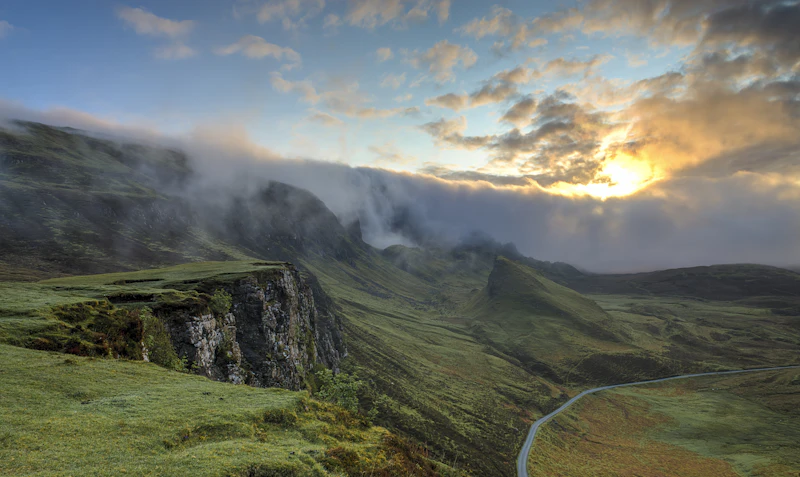
The Ultimate 7-Day Backpacking Itinerary for Norway's Fjords: A Budget-Friendly Adventure
Norway's fjords are a symphony of nature's grandeur: colossal cliffs plunging into emerald waters, cascading waterfalls, and picturesque villages clinging to mountainsides. While often perceived as an exclusive, high-cost destination, backpacking through Fjord Norway is not only possible but offers an immersive, authentic experience for those willing to plan meticulously and embrace smart travel choices. This guide provides a detailed 7-day itinerary, focusing on maximizing scenic impact while minimizing expenditure, leveraging Norway's excellent public transport network, and offering hyper-local insights.
Myth vs. Reality: Backpacking Norway's Fjords
Before diving into the itinerary, let's address some common misconceptions about backpacking in Norway's fjord region:
| Category | Common Myth | Reality for Backpackers | Verdict |
|---|---|---|---|
| Cost | Norway is prohibitively expensive for all travelers. | While generally high-cost, careful budgeting, self-catering, and using public transport can make it manageable. Expect higher prices than in Southern Europe, but not impossible. | Manageable with planning |
| Accessibility | You need a car to see the fjords. | Norway has an extensive and efficient public transport system (trains, buses, ferries) that connects major fjord regions. Many iconic hikes are accessible via public transport. | Public transport friendly |
| Wild Camping | Wild camping is illegal or heavily restricted. | Norway's 'Allemannsretten' (right to roam) allows wild camping for up to two nights in uncultivated land, provided you're at least 150 meters from the nearest inhabited house/cabin. Leave no trace is paramount. | Permitted with respect |
| Crowds | The fjords are always swarming with tourists, especially cruise ships. | Certain hotspots (Geiranger, Flåm) can be crowded during peak season. However, venturing slightly off the main routes or visiting during shoulder seasons (May, September) offers a more serene experience. | Avoidable with timing |
| Language Barrier | You need to speak Norwegian to get around. | English is widely spoken and understood, especially in tourist areas, hotels, and public transport. Many Norwegians are fluent. | English widely spoken |
Quick Answer: Who Should Backpack Norway's Fjords?
This 7-day backpacking itinerary is ideal for:
- Adventure Seekers: Those who thrive on challenging hikes and stunning natural landscapes.
- Budget-Conscious Travelers: Individuals willing to cook their meals, utilize hostels, and rely on public transport.
- Nature Lovers: Anyone eager to immerse themselves in some of the world's most dramatic and pristine environments.
- Independent Explorers: Travelers who enjoy planning their own routes and appreciate flexibility.
Best For: Digital Nomads, Solo Travelers, Couples, Active Families (with older children).
Considerations: A reasonable level of physical fitness is required for the hikes. Be prepared for variable weather conditions, even in summer.
Your 7-Day Backpacking Itinerary: Fjord Norway Unleashed
This itinerary focuses on the iconic Sognefjord and Lysefjord regions, accessible primarily via public transport from Bergen and Stavanger. It balances scenic transport, world-famous hikes, and charming towns.
Day 1: Arrival in Bergen & Fjord Gateway
- Morning: Arrive at Bergen Airport (BGO). Take the Flybussen (Airport Express Coach) to Bergen city center (approx. 30-45 minutes, NOK 179-200 one-way).
- Afternoon: Check into your hostel (e.g., Bergen Hostel Montana, CityBox Bergen). Explore Bryggen, Bergen's UNESCO World Heritage-listed wharf with its colorful wooden houses. Visit the Hanseatic Museum (admission approx. NOK 150).
- Evening: Take the Fløibanen Funicular up Mount Fløyen for panoramic views of the city, fjords, and islands (return ticket approx. NOK 160). Pack a picnic dinner to enjoy at the top to save on restaurant costs.
- Hyper-Local Tip: Bryggen becomes exceptionally crowded with cruise ship passengers between 10 AM and 3 PM. Visit early in the morning or later in the afternoon for a more peaceful experience and better photo opportunities.
- Accommodation: Hostel in Bergen (e.g., CityBox Bergen, Bergen Hostel Montana).
- Estimated Cost: Transport NOK 180, Funicular NOK 160, Museum NOK 150, Food NOK 200 (self-catering/supermarket). Total: approx. NOK 690.
Day 2: "Norway in a Nutshell" - Myrdal, Flåm & Aurlandsfjord
- Morning: Begin your "Norway in a Nutshell" style journey. Take the Vy train from Bergen to Myrdal (approx. 2.5 hours). Book well in advance for 'Minipris' tickets (can be as low as NOK 299).
- Late Morning: From Myrdal, board the legendary Flåm Railway, one of the steepest standard-gauge railways in the world, down to Flåm (approx. 1 hour). Enjoy stunning views of waterfalls and valleys. This leg is typically NOK 540 one-way.
- Afternoon: In Flåm, explore the village. Consider a visit to the Flåm Railway Museum (free entry). Buy groceries for dinner and tomorrow's breakfast.
- Late Afternoon: Take a scenic fjord cruise from Flåm through the Aurlandsfjord and the dramatic, UNESCO-listed Nærøyfjord to Gudvangen (approx. 2 hours). Book tickets in advance via Fjord Tours or Norway's Best (from NOK 500-700).
- Evening: From Gudvangen, take a bus to Voss (approx. 1 hour, NOK 100-150). Check into your accommodation in Voss.
- Accommodation: Hostel/Guesthouse in Voss (e.g., Voss Hostel).
- Estimated Cost: Train Bergen-Myrdal NOK 300-600, Flåm Railway NOK 540, Fjord Cruise NOK 500-700, Bus Gudvangen-Voss NOK 150, Food NOK 200. Total: approx. NOK 1690-2190.
Day 3: Nærøyfjord & Voss Adventure
- Morning: Explore Voss, known as Norway's adventure capital. For budget travelers, consider a gentle walk around Vangsvatnet lake or a visit to Voss Church. More adventurous (and budget-permitting) options include rafting, kayaking, or a trip on the Voss Gondol for hiking trails (gondola approx. NOK 300 return).
- Afternoon: If you opted for the gondola, enjoy a hike on the trails around Hangurstoppen. Otherwise, use this time to relax, catch up on laundry, or plan for the next leg of your journey.
- Evening: Prepare a meal at your hostel. Voss has several supermarkets for supplies.
- Hyper-Local Tip: If you're staying at Voss Hostel, they often have communal fridges and cooking facilities, perfect for budget travelers. Check their bulletin board for local activity discounts.
- Accommodation: Hostel/Guesthouse in Voss.
- Estimated Cost: Food NOK 200, Optional Gondola NOK 300. Total: approx. NOK 200-500.
Day 4: Travel to Stavanger & Preikestolen Base
- Morning: Take an early bus from Voss to Bergen (approx. 2 hours, NOK 200-300).
- Late Morning/Afternoon: From Bergen, take a long-distance bus or train to Stavanger. The NOR-WAY Bussekspress (e.g., Kystbussen) offers direct routes (approx. 5-6 hours, NOK 500-800). Book in advance for cheaper fares. This journey offers coastal scenery.
- Evening: Arrive in Stavanger, check into your accommodation. Buy groceries for tomorrow's hike to Preikestolen (Pulpit Rock).
- Accommodation: Hostel in Stavanger (e.g., Stavanger St Svithun Hostel).
- Estimated Cost: Bus Voss-Bergen NOK 300, Bus Bergen-Stavanger NOK 600, Food NOK 200. Total: approx. NOK 1100.
Day 5: Preikestolen Hike & Stavanger Exploration
- Morning: Embark on the iconic hike to Preikestolen (Pulpit Rock). Take an early morning bus from Stavanger to Preikestolen Fjellstue (mountain lodge), the starting point for the hike (approx. 40 minutes, return ticket approx. NOK 250-300). The hike itself is moderately challenging, taking 2-2.5 hours each way. Bring plenty of water, snacks, and appropriate gear.
- Afternoon: After the hike, return to Stavanger. Relax and explore the city's charming old town (Gamle Stavanger) with its well-preserved wooden houses. Visit the Norwegian Petroleum Museum (admission approx. NOK 150) if interested in Norway's oil history.
- Evening: Enjoy a well-deserved meal. Stavanger has a good selection of restaurants, but self-catering remains the most budget-friendly option.
- Hyper-Local Tip: Start the Preikestolen hike as early as possible (before 8 AM) to avoid the biggest crowds, especially during peak season (June-August). The trail can get very busy.
- Accommodation: Hostel in Stavanger.
- Estimated Cost: Bus to Preikestolen NOK 250-300, Food NOK 200, Optional Museum NOK 150. Total: approx. NOK 450-650.
Day 6: Lysefjord Cruise or Kjeragbolten (Advanced)
- Option A (Relaxed/Budget): Lysefjord Cruise: Take a scenic cruise on the Lysefjord, passing Preikestolen from below, the magnificent Fantahola (Vagabond's Cave), and the Hengjanefossen waterfall (approx. 3 hours, NOK 500-700). Rødne Fjord Cruise offers regular departures.
- Option B (Challenging Hike): Kjeragbolten: For experienced and well-equipped hikers, consider the challenging trek to Kjeragbolten, the famous boulder wedged between two cliffs. This requires a bus from Stavanger to Øygardstøl (the starting point, approx. 2.5 hours, return ticket NOK 400-500) and a strenuous 6-8 hour hike. Not recommended in bad weather or for those with vertigo.
- Evening: Enjoy your last evening in Stavanger. Reflect on your fjord adventures.
- Hyper-Local Tip: If doing Kjeragbolten, check the weather forecast meticulously. The trail involves steep climbs with chains and can be very slippery and dangerous in rain or fog. Be honest about your fitness level.
- Accommodation: Hostel in Stavanger.
- Estimated Cost: Lysefjord Cruise NOK 600 OR Kjeragbolten Bus NOK 450. Food NOK 200. Total: approx. NOK 650-800.
Day 7: Departure from Stavanger
- Morning: Enjoy a final Norwegian breakfast. Depending on your flight schedule, you can do some last-minute souvenir shopping or revisit a favorite spot in Stavanger.
- Late Morning/Afternoon: Head to Stavanger Airport (SVG) via Flybussen (approx. 20-30 minutes, NOK 150-180) for your departure, or take a bus/train back to Bergen or Oslo for onward travel.
- Estimated Cost: Flybussen NOK 180, Food NOK 100. Total: approx. NOK 280.
Practicalities for Backpacking Norway's Fjords
Budgeting for Your Trip
Norway is known for its high cost of living. A realistic backpacking budget, assuming hostel dorms, self-catering for most meals, and public transport, would be NOK 800-1200 (approx. USD 75-115 / EUR 70-105) per person per day. This includes accommodation, transport, food, and some activities. This itinerary's estimated daily costs average closer to NOK 700-900, demonstrating that careful planning can yield savings.
- Accommodation: Hostels (dorm beds) range from NOK 350-600 per night. Booking well in advance is crucial, especially for popular spots like Flåm or during peak season.
- Food: Eating out is expensive. Supermarkets (Kiwi, Rema 1000, Coop) are your best friends. Expect to pay NOK 70-150 for a basic lunch item (sandwich, salad) and NOK 200-400 for a modest restaurant dinner. Self-catering for breakfast and dinner can reduce food costs to NOK 150-250 per day.
- Transport: Public transport is efficient but adds up. Look for 'Minipris' tickets on Vy trains and book long-distance buses in advance. Consider the Entur app for planning all public transport.
- Activities: Many of the best activities, like hiking, are free. Fjord cruises and specific railway journeys (Flåm Railway) are significant expenses.
Safety & Responsible Travel
- General Safety: Norway is one of the safest countries in the world. Violent crime is rare. However, petty theft can occur in crowded tourist areas, so keep an eye on your belongings.
- Hiking Safety: The mountains are beautiful but can be dangerous. Always check weather forecasts (use Yr.no), wear appropriate layers, sturdy hiking boots, and bring sufficient water and food. Inform someone of your hiking plans. Trails like Kjeragbolten require significant experience.
- Wildlife: While rare, be aware of moose and reindeer in rural areas. Maintain a respectful distance.
- Leave No Trace: Adhere strictly to 'Allemannsretten' principles. Pack out everything you pack in. Do not disturb nature or wildlife.
Visa Requirements
Norway is part of the Schengen Area. Citizens of many countries (including the US, Canada, Australia, UK, and EU) can enter Norway for up to 90 days within a 180-day period without a visa for tourism. Always check the Norwegian Directorate of Immigration (UDI) website for the most up-to-date requirements based on your nationality.
Weather & Best Time to Visit
The best time for backpacking and hiking in the fjords is from late May to early September. This period offers the mildest temperatures (10-20°C / 50-68°F), longest daylight hours, and most reliable access to trails and transport routes. However, be prepared for rain and sudden temperature drops at any time, especially in the mountains. Shoulder seasons (May, September) offer fewer crowds and potentially lower prices, though some high-altitude trails might still be snow-covered in May or close by late September.
Currency & Payments
The currency is the Norwegian Krone (NOK). Credit and debit cards (Visa, Mastercard) are widely accepted everywhere, even for small purchases. Cash is rarely needed, but it's wise to carry a small amount for emergencies or very remote kiosks. ATMs are readily available in towns.
Transport Essentials
- Trains (Vy): Excellent for long-distance travel between major cities (e.g., Oslo-Bergen). Book 'Minipris' tickets far in advance for significant savings.
- Buses (NOR-WAY Bussekspress, local operators): Comprehensive network covering areas trains don't reach. Book online for better prices.
- Ferries/Fjord Cruises: Essential for experiencing the fjords. Companies like Fjord Tours, Norway's Best, and Rødne Fjord Cruise operate popular routes.
- Hitchhiking: While not illegal, it's not common and can be challenging in less populated areas. Not recommended as a primary mode of transport.
- Apps: Download Entur (for planning all public transport) and RuterBillett (for local Oslo/Viken tickets, though less relevant for this fjord itinerary).
Internet & Connectivity
Norway has excellent mobile network coverage, even in many remote fjord areas. Free Wi-Fi is common in hotels, hostels, cafes, and public transport. Consider purchasing a local SIM card (e.g., Telenor, Telia) if you need extensive data, though roaming options often suffice for short trips.
Power Plug
Norway uses Type F (Schuko) and Type C power sockets. The standard voltage is 230 V, and the frequency is 50 Hz. You will need an adapter if your devices use different plug types.
Emergency Numbers
- Emergency (General): 112
- Police: 112
- Fire: 110
- Ambulance: 113
Pros & Cons of Backpacking Norway's Fjords
Pros:
- Unparalleled Scenery: Some of the world's most dramatic and pristine natural landscapes.
- Exceptional Hiking: Access to world-famous trails like Preikestolen and Kjeragbolten.
- Efficient Public Transport: Well-connected network making car-free travel feasible.
- Safety: Extremely safe country with low crime rates.
- 'Allemannsretten': Freedom to roam and wild camp responsibly.
- English Widely Spoken: Easy communication in tourist areas.
Cons:
- High Costs: Accommodation, food, and some transport legs can be expensive.
- Variable Weather: Unpredictable conditions, even in summer, requiring careful packing.
- Crowds at Hotspots: Popular attractions can get very busy during peak season.
- Limited Nightlife: Outside of major cities, options are scarce.
- Long Travel Times: Distances between fjord regions can mean significant travel days.
Frequently Asked Questions (FAQs)
Is Norway expensive for backpackers?
Norway is generally an expensive country. However, backpackers can significantly reduce costs by staying in hostels, utilizing self-catering facilities at supermarkets (Kiwi, Rema 1000), and relying on Norway's efficient public transport system (booking 'Minipris' train tickets in advance). Expect to budget around NOK 800-1200 per day for a comfortable backpacking experience, excluding international flights. Many of the best activities, like hiking, are free.
Can you backpack Norway's fjords without renting a car?
Absolutely, yes. Norway boasts an excellent and integrated public transport network comprising trains, buses, and ferries that connect major cities and most popular fjord destinations. This itinerary is specifically designed for car-free travel. Services like Vy trains, NOR-WAY Bussekspress, and various local ferry companies make it entirely feasible to explore the fjords efficiently and environmentally consciously.
What's the best time to hike in the Norwegian fjords?
The prime season for hiking and backpacking in the Norwegian fjords is from late May to early September. During this period, most trails are clear of snow, the weather is milder (though still variable), and daylight hours are long. June, July, and August offer the warmest temperatures and longest days, but also the largest crowds. May and September are shoulder months offering fewer tourists and stunning scenery, but some higher-altitude trails might still be inaccessible due to snow.
How much does the Norway in a Nutshell tour cost if you do it yourself?
Doing the "Norway in a Nutshell" route independently is generally more flexible and can be slightly cheaper than booking the official package. The main components are the Bergen-Myrdal train, Flåm Railway, and the Flåm-Gudvangen fjord cruise. Individually booking these can cost approximately NOK 1300-1800 (USD 120-165 / EUR 115-155), depending on how far in advance you book train tickets and the specific fjord cruise operator. The official package typically starts from around NOK 2200-2500.
Is it safe to wild camp in Norway's fjords?
Yes, wild camping is generally safe and legally permitted in Norway under 'Allemannsretten' (the right to roam). You can pitch a tent for up to two nights in uncultivated land, provided you are at least 150 meters from the nearest inhabited house or cabin. Always practice Leave No Trace principles: take all your rubbish with you, avoid disturbing nature or wildlife, and be respectful of private property. Choose your campsite carefully, avoiding areas prone to rockfall or flash floods.
Related Guides & Next Destinations
- Norway Budget Guide: How to Travel Frugally
- Solo Travel in Norway: Safety and Socializing
- Norwegian Street Food: Beyond the Hot Dog
- Norway Visa Guide: Requirements for Schengen
- Best Hikes in Norway's Fjords: A Comprehensive List
- Bergen City Guide: Top Attractions and Hidden Gems
- Stavanger Travel Guide: Oil, Art, and Old Town Charm
- Oslo Weekend Itinerary: Culture and Urban Nature
- Navigating Norway: A Public Transport Guide
- Wild Camping in Norway: Understanding Allemannsretten
Article Methodology & Sources
This article was meticulously researched using a combination of official tourism board websites, public transport operators, and reputable travel resources. Information regarding transport schedules, pricing estimates, and visa requirements is based on data from:
- Visit Norway
- Vy (Norwegian State Railways)
- NOR-WAY Bussekspress
- Fjord Norway Tourism
- Norwegian Directorate of Immigration (UDI)
- Flåm Railway Official Site
- Rødne Fjord Cruise
- Yr.no (Norwegian Meteorological Institute)
- Hostelworld.com and Booking.com for accommodation price estimates.
- Local supermarket chains (Kiwi, Rema 1000) for food cost estimations.
All price estimations are approximate and subject to change based on booking time, season, and availability. Travelers are encouraged to check the official websites for the most current information when planning their trip. The advice on safety, budgeting, and local insights is drawn from common traveler experiences and official guidance.
Editorial Methodology & Trust
Last Updated: July 2, 2026
Every Shaivio guide is created through editorial research using publicly available information from official tourism authorities, transportation providers, government resources, and other reliable references where applicable. Our editors review and update content regularly to improve accuracy and usefulness. Shaivio does not accept paid placements or sponsored rankings in editorial content. Because travel information can change, we recommend verifying critical details with the relevant official source before traveling.