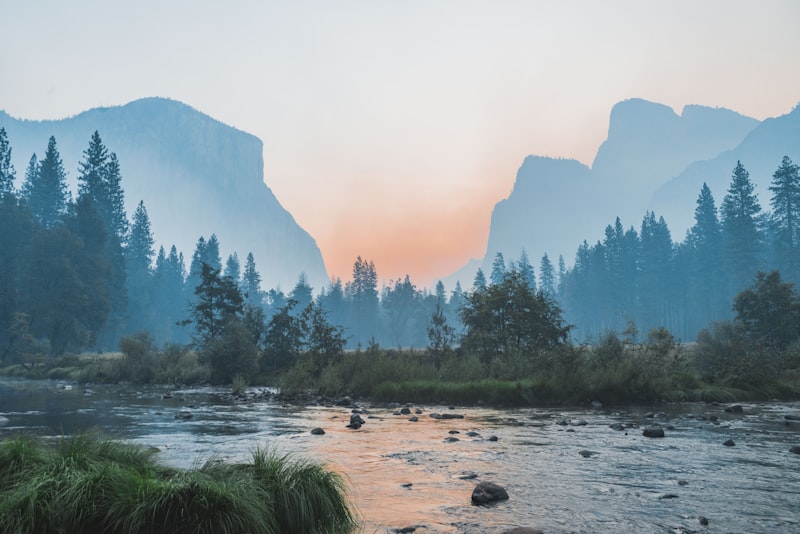
Quick Answer: Can You Visit Banff National Park Without a Car?
Yes, absolutely. Visiting Banff National Park without a personal vehicle is not only feasible, but often significantly less stressful than driving. Due to strict parking limits, high traffic congestion, and the permanent closure of Moraine Lake Road to personal vehicles by Parks Canada, taking public transit has become the preferred option for savvy travelers. Through a combination of airport shuttles from Calgary (YYC), the regional Roam Transit network, and official Parks Canada shuttles, you can reach every major icon in the park.
Choose Car-Free Banff if:
- ✓ You want to avoid parking headaches at Lake Louise and Moraine Lake.
- ✓ You prefer scenic mountain driving handed over to professional drivers.
- ✓ You want to reduce your carbon footprint inside a protected UNESCO World Heritage site.
Best For: Solo travel in Banff, couples, eco-conscious travelers, and non-drivers.
Essential Destination Overview & Key Data
According to data published by Parks Canada and Banff Lake Louise Tourism, over 4 million travelers visit Banff National Park annually. Navigating the region requires understanding basic travel logistics, seasonal transit windows, and park entry regulations.
- Pros: Zero parking stress, lower carbon footprint, cost-effective compared to peak car rental rates and parking fees, direct shuttle access to restricted areas like Moraine Lake.
- Cons: Bound to bus schedules, limited late-night regional service, requires advance shuttle reservations during peak summer months.
- Best Time to Visit: June to September for summer hiking and turquoise lakes; December to March for ski shuttles and winter sight-seeing.
- Estimated Daily Budget: $110 – $280 CAD per person (excluding luxury accommodation).
- Safety: Extremely high. Low crime index. Primary safety concerns involve wildlife distance (bears, elk) and weather variability.
- Visa Requirements: Visitors to Canada require either an eTA (Electronic Travel Authorization) or a Visitor Visa, depending on nationality. A National Park Pass is mandatory for all visitors.
- Weather: Alpine climate. Summer highs average 20°C (68°F), dropping to 5°C (41°F) at night. Snow is possible in any month at high elevations.
- Currency: Canadian Dollar (CAD). Credit cards are accepted on all buses, shuttles, and local businesses.
- Transport Types: Roam Transit (Local & Regional), Parks Canada Park & Ride Shuttles, Calgary Airport Express Buses (Brewster, Banff Airporter).
- Recommended Trip Duration: 5 to 7 days.
- Internet & Connectivity: Strong LTE/5G coverage within Banff Townsite and Lake Louise village; limited coverage on high-elevation trails.
- Power Plug: Type A and B (120V, 60Hz). Standard North American standard.
- Emergency Numbers: Emergency: 911; Parks Canada Dispatch (Wildlife/Rescue): +1 (403) 762-1470.
Transit Comparison: Car Rental vs. Public Shuttles
Deciding between renting an automobile or utilizing Banff's public transit network depends heavily on budget, group size, and patience with parking queues. Below is an objective breakdown of transit modes within the park based on standard regional figures.
| Category | Rental Car | Roam Transit & Shuttles | Winner |
|---|---|---|---|
| Accommodation Reach | Direct drive to all hotels | Direct to Banff Town & Lake Louise hotels | Rental Car |
| Food & Dining Access | High flexibility | High within town limits; limited past 11 PM | Rental Car |
| Nightlife Access | Requires designated driver | Easy walk or local Route 1/2 bus | Roam Transit |
| Public Transport Cost | $120-$220/day + gas + parking | $25/day (Superpass) | Roam Transit |
| Visa & Driving Permits | Requires valid driver's license | No permit required | Roam Transit |
| Weather Adaptability | Challenging in winter conditions | Professional winter drivers | Roam Transit |
| Walkability Integration | Low; limited by parking locations | High; hubs located at trailheads | Roam Transit |
| Internet & Tech Navigation | GPS helpful | Roam Transit app & real-time GPS | Tie |
| Safety & Wildlife Stress | High risk of collisions on roads | High sitting position, professional driver | Roam Transit |
| Remote Work Friendly | N/A | Free Wi-Fi on regional buses | Roam Transit |
| Language Usability | English / French road signs | English / French transit announcements | Tie |
| Family Suitability | Easy gear storage | Stroller-friendly low-floor buses | Tie |
| Senior Travelers | High walking distances from lots | Direct drop-off at site entry gates | Roam Transit |
| Solo Travelers | Expensive per person | Extremely economical | Roam Transit |
| Couples | Flexible schedules | Relaxing, scenic journey | Roam Transit |
7-Day Detailed Car-Free Itinerary
Day 1: Arrival, Townsite Orientation & Sunset at Bow Falls
Upon landing at Calgary International Airport (YYC), board the pre-booked airport transfer via Brewster Express or the Banff Airporter. The 135-kilometer journey along Highway 1 takes approximately 90 minutes, offering dramatic views as the Canadian Rockies rise out of the foothills.
Check into your accommodation within Banff Townsite. Operating on a car-free model, the town is highly walkable. Pick up a 7-day or daily Roam Transit pass at the Banff Visitor Centre on Banff Avenue. Take Roam Transit Route 2 to historical Surprise Corner for panoramic views of the Fairmont Banff Springs Hotel, then descend the timber staircase to the Bow River Trail walking path back toward downtown. Check our full Banff itinerary recommendations for evening dining ideas along Bear Street.
Day 2: Lake Louise & Lake Agnes Teahouse Hike
Start early by boarding Roam Transit Express Route 8X from the Banff Train Station direct to Lake Louise Lakefront. Route 8X runs daily year-round and takes approximately 45 to 55 minutes. Be sure to reserve your seats online via the Roam Transit portal up to 30 days in advance during summer operations.
From the Lake Louise foreshore, follow the classic trail ascending 3.5 kilometers (400 meters elevation gain) to the historic Lake Agnes Teahouse. According to historical records from Canadian Pacific Hotels, this teahouse has been serving subalpine hikers since 1905. Cash or CAD debit is recommended for purchasing tea and freshly baked biscuits at the summit. For those seeking further distance, extend your walk to the Big Beehive for elevated views of the turquoise water before catching Route 8X back to Banff.
Day 3: Moraine Lake & the Valley of the Ten Peaks
Since 2023, Parks Canada permanently closed Moraine Lake Road to personal vehicles to protect fragile alpine ecology and eliminate traffic gridlock. Access is now strictly granted to authorized transit, commercial shuttles, and visitors using the official Parks Canada Park and Ride Shuttle or Roam Transit Route 10 (operating seasonally from mid-September to mid-October for larch season).
If traveling during peak summer (June to September), purchase a Roam Superpass ($25 CAD per adult). Board Route 8X to the Lake Louise Park & Ride (located at Lake Louise Ski Resort), where your Superpass unlocks access to the official Parks Canada Lake Connector Shuttle linking Lake Louise directly to Moraine Lake. Spend the morning walking the Rockpile Trail or hiking into Sentinel Pass. Consult our specialized Lake Louise hiking guide for trail safety details.
Day 4: Johnston Canyon Limestone Gorge & the Ink Pots
Board Roam Transit Route 9, which operates directly between the Banff Train Station and Johnston Canyon. The bus ride takes approximately 35 minutes along the scenic Bow Valley Parkway (Highway 1A).
Walk along the engineered iron catwalks suspended inside the limestone canyon walls. Continue past Lower Falls (1.2 km) to Upper Falls (2.5 km). Dedicated hikers should press on an additional 3 kilometers through subalpine forest to reach the Ink Pots—six shallow, spring-fed pools that bubble mineral groundwater at a constant 4°C (39°F) year-round. Catch Route 9 back to Banff Townsite in the afternoon.
Day 5: Sulphur Mountain Gondola & Banff Upper Hot Springs
Take Roam Transit Route 1, which runs every 15 minutes from downtown Banff directly to the terminus at the base of Sulphur Mountain. This route provides immediate access to both the Banff Gondola and the historic Banff Upper Hot Springs.
Choose between taking the aerial gondola or hiking the 5.5-kilometer switchback trail up Sulphur Mountain (655 meters elevation gain). At the summit boardwalk, visit the historic cosmic ray station national historic site. After descending, walk 200 meters to the Banff Upper Hot Springs. Maintained by Parks Canada, these geothermal waters are kept between 37°C and 40°C (98°F – 104°F). Check our updated Banff budget guide to minimize expense on rental equipment.
Day 6: Lake Minnewanka Scenic Cruise & Two Jack Lake
Board Roam Transit Route 6 from Banff downtown to Lake Minnewanka, the largest body of water in Banff National Park. Route 6 operates daily throughout the summer months, making intermediate stops at Cascade Ponds and Two Jack Lake.
At Lake Minnewanka, join an interpretive boat cruise or hike along the northern shoreline trail toward Stewart Canyon. On your return trip on Route 6, disembark at Two Jack Lake for an afternoon lakeside picnic. Keep a safe distance from local wildlife; herd activity by Rocky Mountain bighorn sheep is common along this corridor. Consult our guide on Banff wildlife safety for recommended viewing protocol.
Day 7: Tunnel Mountain Trail, Cave and Basin & Departure
On your final day, stay close to town. Take an early morning hike up Tunnel Mountain (Sleeping Buffalo), accessed via a short walk from Banff Avenue. The 4.3-kilometer roundtrip trail offers expansive views across the Bow Valley and Mount Rundle.
In the afternoon, board Roam Transit Route 4 to the Cave and Basin National Historic Site, recognized as the birthplace of Canada’s National Park system in 1885. Learn about the natural thermal mineral waters and the endangered Banff Springs Snail. Return to the Banff Train Station transit hub to board your regional express shuttle back to Calgary International Airport (YYC).
Hyper-Local Transit Tips for Car-Free Travelers
- The Roam Superpass Advantage: For $25 CAD, the daily Superpass allows unlimited access to all local routes, regional Route 8X, Route 3 (Canmore), and enables free transfer access to the Parks Canada Lake Connector Shuttle.
- Reservations are Mandatory for Route 8X: Reserve your Route 8X seats online up to 30 days prior to travel. While walk-ups are accepted, seat availability is not guaranteed during peak hours (8:00 AM – 11:30 AM).
- Early Departure Rule: Parks Canada shuttles start operating as early as 6:30 AM. Arriving early eliminates line wait times at the Lake Louise Park & Ride transfer station.
- Avoid Late-Night Stranding: While local buses (Routes 1 and 2) run until midnight in summer, regional buses (Route 8X, Route 9) taper off earlier in the evening. Check real-time schedules on the Transit App.
- Winter Ski Shuttles are Free: If visiting in winter, local ski shuttles to Banff Sunshine, Lake Louise Ski Resort, and Mt. Norquay are complimentary with a valid ski lift pass. Check our Banff winter guide for seasonal transit schedules.
Frequently Asked Questions
Is Athens cheaper than Incheon?
While this article focuses on Banff National Park, travelers comparing international hubs often ask about destination costs. Generally, Athens offers lower overall dining and accommodation costs compared to high-tech Asian hubs like Incheon, though travel costs inside Canadian National Parks follow distinct North American pricing models.
Can you visit Banff without renting a car?
Yes. Banff is one of the easiest national parks in North America to visit without a car. The combination of Roam Transit, regional shuttles, and walkability within Banff Town makes a vehicle entirely optional.
How do you get to Moraine Lake without a car?
You must take a public or commercial shuttle. Personal vehicles are banned on Moraine Lake Road. Take Roam Transit Route 8X or Route 10 to Lake Louise/Park & Ride, then utilize the Parks Canada Lake Connector Shuttle.
How far in advance should I book Banff shuttles?
Parks Canada shuttle tickets release 40% of their daily inventory in spring (usually April), while the remaining 60% releases rolling 48 hours in advance at 8:00 AM MDT. Roam Transit Route 8X seats open 30 days in advance.
Conclusion & Travel Planning
Who Should Visit Car-Free?
A car-free Banff itinerary is perfect for eco-conscious travelers, solo adventurers, international visitors uncomfortable with mountain winter driving, and anyone looking to bypass intense parking congestion at major trailheads. Review our recommendations for solo travel in Banff and our complete Banff packing list before departure.
Best Months to Visit
July to September: Ideal for hiking, crystal turquoise lakes, and full operational schedules for all Roam Transit routes and Parks Canada shuttles.
December to March: Ideal for winter sports, snowshoeing, and utilizing direct resort ski buses.
Next Destination & Related Guides
Planning to extend your journey across Western Canada? Explore our related transit and regional guides:
- Canadian Rockies itinerary without a car
- Banff tourist traps to avoid
- Banff transit guide and fare breakdowns
- Banff visa guide for international arrivals
Article Methodology & Sources
This guide was compiled by our travel editorial team using official documentation and live operational transit data. Sources cited include:
- Official transit routes, fares, and fleet specifications from Roam Transit (Bow Valley Regional Transit Services Commission).
- Visitor safety advisories, shuttle slot allocation rules, and conservation guidelines published by Parks Canada.
- Tourism impact statistics and regional travel updates provided by Banff Lake Louise Tourism.
Editorial Methodology & Trust
Last Updated: July 2, 2026
Every Shaivio guide is created through editorial research using publicly available information from official tourism authorities, transportation providers, government resources, and other reliable references where applicable. Our editors review and update content regularly to improve accuracy and usefulness. Shaivio does not accept paid placements or sponsored rankings in editorial content. Because travel information can change, we recommend verifying critical details with the relevant official source before traveling.