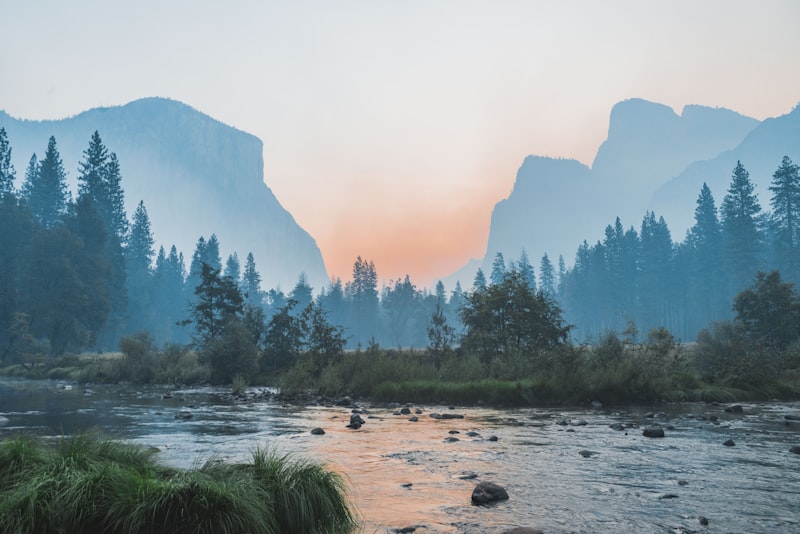
Quick Overview: Northern Portugal in 7 Days
Choose Northern Portugal if:
You want dramatic mountain national parks, Celtic history, and terraced vineyards without mass tourist crowds.
You enjoy affordable gastronomy, robust red wines, and fresh seafood along ancient riverways.
You prefer temperate driving landscapes over crowded coastal beach resorts.
Best For: Road trippers, hiking enthusiasts, history lovers, culture seekers, digital nomads, couples, and slow travelers.
Fast Travel Reference Data
| Parameter | Details & Official Metrics |
|---|---|
| Suggested Duration | 7 Days (Minimum 5 days recommended) |
| Estimated Daily Budget | €65 – €140/day per person (Mid-range including rental car, dining, and boutique guesthouses) |
| Primary Transport | Rental Car (Essential for national parks & rural valleys) + CP Trains for city hubs |
| Best Time to Visit | May to June & September to October (Harvest Season) |
| Visa Requirements | Schengen Area rules apply (90 days visa-free for USA/UK/Canada/Australia) |
| Currency | Euro (€) |
| Power Plug | Type C and F (230V, 50Hz) |
| Emergency Numbers | 112 (European Emergency Number) |
Myth vs. Reality in Northern Portugal
Before launching into your journey, it is critical to address common misconceptions about traveling through Portugal's northern heartland. According to regional tourism statistics from Turismo de Portugal, while over 60% of international visitors concentrate exclusively on the Lisbon metropolitan area and the southern Algarve coast, Northern Portugal contains the country's highest density of UNESCO heritage designations and its only National Park.
Common Travel Myths Debunked
- Myth: You can see all of Northern Portugal using public buses and trains.
Reality: While high-speed trains connect Porto to Braga and Guimarães efficiently, accessing the mountain trails of Peneda-Gerês or the isolated wine estates of Alto Douro requires a rental car or specialized private transport. Review our complete Portugal public transport breakdown for modal limitations. - Myth: Northern Portugal experiences tropical Mediterranean heat year-round.
Reality: According to historical meteorological data from the Instituto Português do Mar e da Atmosfera (IPMA), the Minho region receives significantly more annual rainfall than southern provinces, creating lush alpine microclimates where winter temperatures can drop below 5°C in high-altitude zones. Check current Northern Portugal weather charts prior to packing. - Myth: English is universally spoken in small mountain villages.
Reality: English is commonly spoken in tourist areas, hotels, and major city dining establishments. However, in smaller mountain hamlets like Soajo or Lindoso, older residents primarily communicate in Portuguese or local dialects; basic Portuguese phrases or translation applications are highly beneficial. Refer to our Portugal travel tips for language essentials.
7-Day Off-the-Beaten-Path Northern Portugal Itinerary
Day 1: Porto Beyond the Tourist Trail (Fontainhas & Afurada)
Begin your ultimate Northern Portugal itinerary in Porto, but step off the heavily trodden Ribeira waterfront path to explore the authentically local working-class district of Fontainhas and the fishing enclave of São Pedro da Afurada across the river.
Morning Activity: Fontainhas Walk & Miradouro da Vitória
Avoid the commercial queue at Livraria Lello by starting at 08:30 AM at the Miradouro da Vitória for panoramic vistas of the Dom Luís I Bridge. Walk eastward through the narrow alleys of Fontainhas. Here, traditional community laundry washing stations (lavadouros) remain in occasional local use along steep cliffs overlooking the Douro.
Afternoon Activity: Afurada & Seafood Culinary Immersion
Cross the lower deck of the Dom Luís I Bridge or catch the small passenger ferry from Lordelo do Ouro to São Pedro da Afurada. This former fishing village maintains its maritime roots. Explore local taverns serving charcoal-grilled sardines and sea bass caught daily by local vessels.
Hyper-Local Tip: Avoid riverfront restaurants displaying multi-language plastic photo menus along Cais da Ribeira. Walk three blocks uphill to Adega de São Nicolau or cross to Afurada's Taberna do Peixe for fresh catches priced by net weight rather than tourist packages. For deeper dining guidance, read our Porto street food guide.
| Activity / Destination | Estimated Cost | Recommended Duration |
|---|---|---|
| Fontainhas & Miradouro Route | Free | 2.5 Hours |
| Afurada Ferry Crossing | €2.00 one-way | 15 Minutes |
| Traditional Grilled Fish Lunch | €14 – €22 per person | 1.5 Hours |
Day 2: The Cradle of the Nation – Guimarães & Monte da Penha
Drive 50 kilometers northeast along the A28 and A11 highways (approx. 45 minutes) to Guimarães, recognized by UNESCO World Heritage Centre as the birthplace of Portuguese national identity.
Morning: Guimarães Castle & Paço dos Duques
Arrive at the 10th-century Guimarães Castle by 09:00 AM. Walk down to the 15th-century Palace of the Dukes of Braganza (Paço dos Duques), featuring distinctive Burgundian-style architecture and northern European tapestries. Entry to both monuments costs approximately €6.00 for a combined ticket.
Afternoon: Teleférico de Penha & Granite Boulders
Escape city crowds by taking the Teleférico de Guimarães (cable car) up to Monte da Penha (€7.50 round-trip). This sanctuary hill is covered in gigantic, moss-covered granite boulders, hidden grottoes, and narrow stone footpaths created by 19th-century hermit monks.
Day 3: Sacred Sanctuaries & Eco-Trails – Braga to Esposende
Travel 22 kilometers northwest to Braga, Portugal's religious heart, before steering toward the Atlantic coastal nature reserves of Esposende.
Morning: Bom Jesus do Monte Avoidance Strategy
Visit the UNESCO-listed sanctuary of Bom Jesus do Monte. Arrive before 08:45 AM before tour coaches arrive from Lisbon and Porto. Climb the 577 zig-zagging baroque steps representing the senses and virtues, or ascend aboard the world's oldest functional water-counterbalanced funicular (built in 1882, ticket €2.00).
Afternoon: Parque Natural do Litoral Norte (Esposende)
Drive 35 minutes west to the coastal village of Esposende. Walk along the elevated wooden boardwalks of the Northern Maritime Natural Park, protecting coastal sand dunes, salt marshes, and migratory bird habitats along the Cávado River estuary.
Day 4: Deep into Wild Portugal – Peneda-Gerês National Park
Drive inland via the N103 road to enter the southern perimeter of Peneda-Gerês National Park, Portugal's single designated national park. Ensure your tank is full; fuel stations inside park boundaries are sparse.
Morning: The Espigueiros of Soajo & Lindoso
Explore the isolated granite mountain village of Soajo. Inspect the 24 ancient communal espigueiros—stone granaries built on stilts to protect corn crops from rodents and damp conditions. Proceed 15 minutes north to Lindoso Castle to view an even larger collection of over 50 preserved 18th-century granaries framed by high alpine peaks. Check our targeted Peneda-Geres hiking guide for trail safety details.
Afternoon: Cascata do Arado & Eco-Hiking
Hike the short 2.5 km trail to Cascata do Arado, a multi-tiered waterfall cascading over granite cliffs into crystal-clear mountain pools. Exercise extreme caution during rain; granite slabs become exceptionally slippery.
Safety Disclaimer: Mobile network coverage inside deep mountain canyons of Gerês can be non-existent. Download offline maps (such as Maps.me or Gaia GPS) prior to departing your accommodation.
Day 5: Ancient River Valleys – Ponte de Lima & Viana do Castelo
Leave the high peaks and follow the Lima River westward through ancient Roman valley settlements toward the Atlantic Ocean.
Morning: Ponte de Lima Walk
Arrive in Ponte de Lima, Portugal's oldest chartered town (founded in 1125). Walk across the historic pedestrian bridge—featuring 5 preserved Roman arches from 1 AD and 16 medieval arches added in the 14th century. Stop at local bakeries to try regional *sarrabulho* stew or delicate *clarinhas de Fão* pastries.
Afternoon: Viana do Castelo & Santa Luzia Sanctuary
Drive 30 minutes west to the coastal city of Viana do Castelo. Take the Santa Luzia Funicular up to the Basilica of Santa Luzia. According to National Geographic rankings, the view from the dome across the Lima estuary and coastline ranks among the finest coastal vistas globally.
Day 6: Terra de Basto & Amarante – The Romanesque Route
Head south toward the Tâmega River valley, crossing historic regions rich in Romanesque architecture and Vinho Verde production.
Morning: Historic Center of Amarante
Explore Amarante, an ancient city nestled against the Tâmega River banks. Visit the Monastery of São Gonçalo and cross the 18th-century stone arch bridge, famous for local resistance against Napoleon's invasion forces in 1809 under General Silveira.
Afternoon: Private Vinho Verde Tasting
Visit small, family-owned estates along the official Rota do Vinho Verde (Vinho Verde Route). Unlike heavy southern red wines, Vinho Verde wines are light, crisp, and slightly effervescent. Opt for estate tours at small properties such as Quinta da Aveleda in nearby Penafiel.
Day 7: The Terraced Marvels of Alto Douro (Pinhão & Quintas)
Conclude your trip in the UNESCO World Heritage Douro Valley, the world's oldest formally demarcated wine region (established in 1756).
Morning: N222 Scenic Drive to Pinhão
Drive along the famous N222 highway section from Peso da Régua to Pinhão, frequently voted by motoring organizations as one of the world's most beautiful road stretches. Arrive in Pinhão to view the historic railway station decorated with 24 azulejo panels portraying the annual grape harvest process.
Afternoon: Independent Boutique Wine Estate Tour
Avoid massive commercial river cruise boats packed with day-trippers. Instead, reserve an independent tasting at smaller, family-operated quintas such as Quinta de La Rosa or Quinta do Popa. Learn how grapes are still foot-trodden in stone *lagares* during the autumn harvest month of September. Review our comprehensive Douro Valley budget guide for cost breakdowns. Avoid common tourist traps detailed in our breakdown of Portugal tourist traps.
Detailed Destination Comparison: Porto vs. Minho Region
To help tailor your travel allocation between urban culture and rural exploration, review this exhaustive destination matrix:
| Category | Porto (Urban Hub) | Minho Region (Rural North) | Winner |
|---|---|---|---|
| Accommodation | Boutique hotels, riverfront apartments (€90–€180/night) | Rural manor houses, restored granite cottages (€55–€110/night) | Minho Region |
| Food | High-end gastronomy, international options, Francesinha | Hearty mountain dishes, roast kid goat, fresh seafood | Tie |
| Nightlife | Vibrant cocktail lounges, rooftop bars, Fado clubs | Quiet village squares, local wine taverns | Porto |
| Public Transport | Extensive metro, tram, bus networks | Limited regional buses; rental car required | Porto |
| Visa | Schengen Entry Point (OPO Airport) | Schengen Rules Apply | Tie |
| Weather | Mild maritime, coastal winds (18°C–26°C summer) | More variable, cooler mountain nights (12°C–24°C summer) | Porto |
| Walkability | Very high walkability (steep hills) | Car-dependent between scattered hamlets | Porto |
| Internet | High-speed Fiber/5G widely available (>100 Mbps) | Good 4G in towns; spotty signal in deep valleys | Porto |
| Safety | Very safe city; basic pickpocket awareness needed | Extremely low crime rates across villages | Minho Region |
| Remote Work | Abundant coworking spaces & laptop cafes | Ideal for peaceful deep work retreats with Wi-Fi | Porto |
| Language | English widely spoken in services | English common in hotels; basic Portuguese helpful in villages | Porto |
| Family Travel | Interactive museums, river boat tours | Nature trails, waterfalls, outdoor adventure parks | Minho Region |
| Senior Travelers | Steep cobblestone incline challenges | Gentle valley walks, historic manor gardens | Minho Region |
| Solo Travelers | Social hostel networks, group walking tours | Peaceful solo hiking; requires self-reliance | Porto |
| Couples | Romantic river views, wine cellar dinners | Private countryside estates, secluded nature spots | Minho Region |
Pros & Cons of Northern Portugal
Key Advantages
- Significantly lower daily expenses compared to Southern Western Europe.
- Authentic cultural heritage unmarred by heavy overtourism in mountain zones.
- Diverse topography ranging from wild ocean beaches to high granite peaks.
- Rich wine heritage including unique Vinho Verde and world-renowned Port wines.
- Friendly local populations and safe rural environments.
Potential Drawbacks
- Higher rainfall probability than southern provinces, even in shoulder seasons.
- Public transportation drops off sharply outside major urban centers.
- Steep cobblestone streets demand strong mobility and sturdy footwear.
- Narrow mountain driving roads require confident navigation skills.
Practical Travel Logistics & Essential Tips
Driving vs. Public Transit
If you limit your journey to Porto, Braga, and Guimarães, reliable service is provided by Comboios de Portugal (CP). Trains run frequently between Porto's São Bento station and Braga/Guimarães for under €4.00 single fare. However, for the off-the-beaten-path routes outlined in Days 4 through 7 (Peneda-Gerês and Douro Valley hinterlands), renting a vehicle at Porto Airport is strongly recommended. Electronic toll transponders (Via Verde) are mandatory for seamless automatic payment on A-series highways.
Visa & Entry Requirements
Portugal operates under standard Schengen Area regulations. Third-country nationals (including US, UK, Canadian, and Australian passport holders) are granted entry for up to 90 days within any 180-day window without a visa. Consult our detailed Portugal visa guide for updated ETIAS implementation requirements.
Budget Allocation & Costs
Based on localized cost estimates from Numbeo, Northern Portugal remains remarkably affordable. Expect to pay approximately €1.20 for an espresso (*café* or *cima*), €12.00–€16.00 for a traditional three-course lunch meal (*prato do dia* including wine and coffee), and €70.00–€120.00 per night for high-rated guesthouses or traditional *turismo rural* estates.
Frequently Asked Questions
Is 7 days enough for Northern Portugal?
Yes, seven days allows you to cover Porto, historic cities like Guimarães and Braga, the wilderness of Peneda-Gerês National Park, and the terraced vineyards of the Douro Valley if you follow a well-structured driving route.
Do I need a car for Northern Portugal off the beaten path?
While major cities like Porto, Braga, and Guimarães are easily connected by CP trains, exploring mountain sanctuaries in Peneda-Gerês, granite villages like Soajo, and boutique wine estates in the Douro Valley requires a rental vehicle.
What is the best month to visit Northern Portugal?
May to June and September to October offer ideal conditions with moderate temperature averages around 20°C to 25°C, lower humidity, vibrant foliage or harvest action, and significantly fewer crowds than July and August.
Is Northern Portugal cheaper than Southern Portugal?
According to data from Numbeo, consumer prices and dining costs in Northern cities like Braga and Viana do Castelo are roughly 15% to 25% lower than in Lisbon or the Algarve resort regions.
Who Should Visit Northern Portugal?
This destination is perfect for you if: You appreciate slow-paced travel, mountain scenery, historic stone architecture, authentic family-run taverns, and wine exploration away from massive resort crowds.
Consider alternative regions if: You are seeking warm winter beach weather, resort night clubs, flat easily navigable terrain, or total reliance on urban metro systems. If traveling solo, read our dedicated resource on Solo travel in Portugal.
Best Months to Travel
- May to June: Blooming wildflowers, pleasant hiking conditions, low rainfall risk.
- September to October: Grape harvest (vindimas) in the Douro Valley, autumn colors across Gerês, warm autumn temperatures.
- November to March: Rainier season, crisp crisp weather ideal for budget travelers, cozy fireplace stays, lower accommodation pricing.
Next Destinations & Related Guides
- Northern Portugal Itinerary – Full regional deep-dive.
- Douro Valley Budget Guide – Save on luxury wine stays.
- Peneda-Gerês Hiking Guide – Top trails, maps, and safety rules.
- Portugal Public Transport Guide – Train schedules, bus routes, and fares.
- Portugal Travel Tips – Essential etiquette, tipping, and local customs.
Editorial Methodology & Trust
Last Updated: July 2, 2026
Every Shaivio guide is created through editorial research using publicly available information from official tourism authorities, transportation providers, government resources, and other reliable references where applicable. Our editors review and update content regularly to improve accuracy and usefulness. Shaivio does not accept paid placements or sponsored rankings in editorial content. Because travel information can change, we recommend verifying critical details with the relevant official source before traveling.