Ajanta & Ellora Caves
To understand the scale of Ajanta and Ellora, you must understand that these are not buildings. They were not constructed by stacking stones. They are monumental sculptures, carved directly into the basalt cliffs of the Sahyadri mountains over hundreds of years.

Ajanta: The Masterpieces of Buddhist Painting
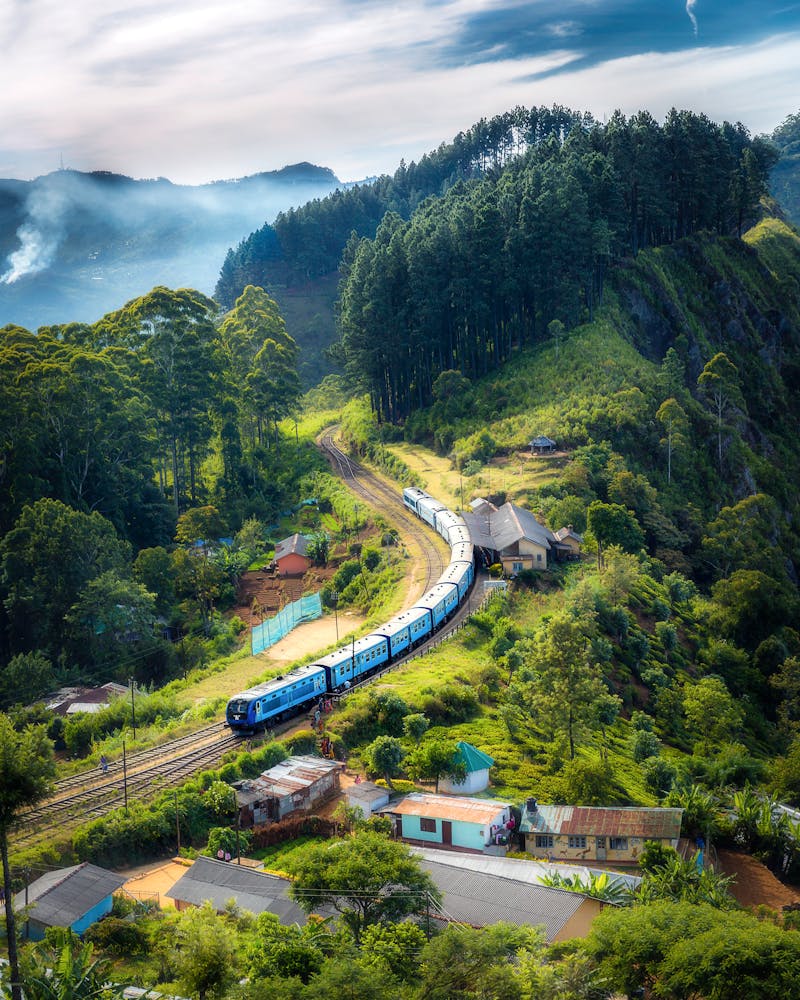
The 30 caves of Ajanta, located in a horseshoe-shaped gorge along the Waghur River, date back from the 2nd century BCE to the 5th century CE. They are exclusively Buddhist. The caves can be reached by taking a train-tickets-india-foreigners">train to Jalgaon and then a bus or taxi to the caves.
While the rock carving is impressive, Ajanta is globally famous for its paintings. These frescoes are considered the finest surviving examples of ancient Indian art. Painted using natural pigments on a base of mud, cow dung, and rice husks, they depict the Jataka tales (the previous lives of the Buddha). The masterpiece is the "Padmapani" (the Lotus Bearer) in Cave 1—a figure of such serene beauty and compassion that it remains one of the most recognizable images in Asian art.
Because the paintings are incredibly fragile, light inside the caves is kept to an absolute minimum. Let your eyes adjust. You will need at least half a day to properly explore Ajanta. For weekend getaways from nearby cities, consider staying overnight in Aurangabad to make the most of your visit.
Ellora: The Pinnacle of Rock-Cut Architecture
Located about 100 kilometers away from Ajanta (closer to Aurangabad), Ellora was carved later, between the 6th and 11th centuries CE. Unlike Ajanta, Ellora features 34 caves encompassing three religions: Buddhism, Hinduism, and Jainism, built side-by-side in a stunning display of religious harmony. To avoid overpaying for airport cabs, consider booking in advance or using public transport to reach Ellora from Aurangabad airport.
The Kailasanatha Temple (Cave 16) is the undisputed star. It is the largest monolithic structure in the world. Entirely carved out of a single piece of the mountain—excavated from the top down—it represents Mount Kailash, the abode of Lord Shiva. Generations of sculptors removed 200,000 tons of rock to create free-standing pillars, life-sized elephants, and multi-story galleries. It defies belief that this was done using only hammers, chisels, and mathematical precision. For a similar experience, consider visiting the 12 Jyotirlingas in India.
Logistics and Planning
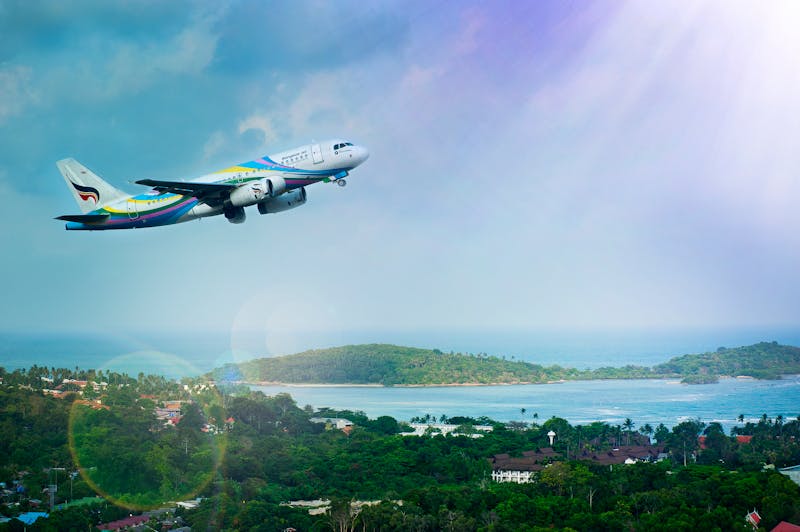
Do not attempt to do both in one day. The travel time between them and the sheer scale of the sites will lead to intense "temple fatigue." Base yourself in Aurangabad. Dedicate Day 1 to Ellora (and the nearby Daulatabad Fort), and Day 2 to the longer drive out to Ajanta. When planning your itinerary, keep in mind that long-haul flights can be exhausting, so consider breaking your journey with a stopover.
Important: Ajanta is closed on Mondays. Ellora is closed on Tuesdays. Plan your itinerary around this schedule. The best time to visit is right after the monsoon in September or October, when the waterfalls over the caves are flowing and the surrounding landscape is vibrant green. For budgeting and itinerary planning, consider using Shaivio to get the most out of your trip. Additionally, be aware of common travel mistakes to avoid during your first international trip, and research solo female travel tips for a safe and enjoyable journey.
Finally, consider combining your visit to Ajanta and Ellora with a trip to Badrinath or a Char Dham Yatra for a comprehensive Indian experience. With careful planning and an understanding of the local culture, you can have a memorable and enriching experience at these incredible sites.