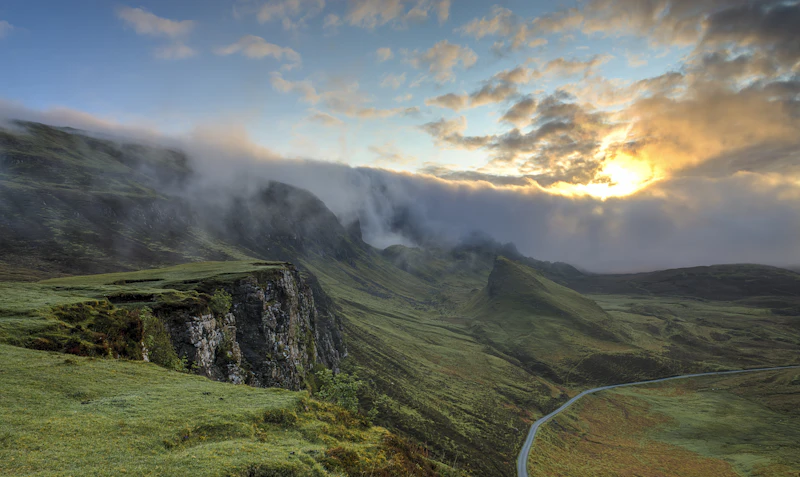
Amalfi Coast Budget Travel Guide: Maximizing Views, Minimizing Costs
The Amalfi Coast, with its dramatic cliffs, pastel-hued villages, and azure waters, is often perceived as an exclusive playground for the wealthy. Postcards and travel magazines frequently showcase luxury yachts, five-star hotels, and gourmet dining experiences, leading many budget-conscious travelers to believe this UNESCO World Heritage site is simply out of reach. This guide aims to dismantle that myth, offering a detailed roadmap for experiencing the Amalfi Coast's unparalleled beauty without sacrificing your savings. It's entirely possible to immerse yourself in the region's charm, savor its culinary delights, and hike its breathtaking trails on a modest budget – you just need to know how.
Quick Answer: Amalfi Coast on a Budget
Choose the Amalfi Coast on a budget if:
- You prioritize stunning natural beauty and iconic views.
- You enjoy hiking and exploring on foot.
- You're comfortable using public transport (buses, ferries) and walking.
- You appreciate local cuisine and are willing to seek out authentic, less touristy eateries.
- You can travel during the shoulder seasons (April-May, September-October).
Best For: Families (with older children), Digital Nomads (seeking inspiration), Couples, Solo Travelers, Adventure Seekers.
Myth vs. Reality: The Amalfi Coast on a Budget
Myth: The Amalfi Coast is exclusively a luxury destination, and budget travel means missing out on the best experiences.
Reality: While high-end options abound, the Amalfi Coast offers a wealth of experiences accessible to budget travelers. The most iconic views, the fresh local food, and the charming atmosphere are available to everyone, often for free or at a minimal cost. Strategic planning, smart choices in accommodation and transport, and a willingness to embrace local living are key to unlocking its magic without the hefty price tag.
Myth: You need a car to explore the Amalfi Coast effectively.
Reality: Driving on the Amalfi Coast can be stressful and expensive due to narrow, winding roads, limited parking, and high rental costs. The region is exceptionally well-served by public transportation, including efficient SITA Sud buses and scenic ferries, which offer a more relaxing and often more picturesque way to travel between towns. Many of the most beautiful spots are also best explored on foot.
Myth: Eating out on the Amalfi Coast is always expensive.
Reality: While fine dining can be pricey, the Amalfi Coast is a haven for delicious, affordable food. Pizzerias, 'tavola calda' (hot table) eateries, local markets, and family-run trattorias offer incredible value. Embracing street food like 'cuoppo' (fried seafood cone), enjoying a 'pizza al portafoglio' (folded pizza), or picnicking with local produce can significantly reduce food costs while providing authentic culinary experiences.
Why the Amalfi Coast is Worth the Effort (Even on a Budget)
The allure of the Amalfi Coast transcends its reputation for luxury. It's a place where natural beauty, rich history, and vibrant culture converge. Even on a budget, you can:
- Witness Breathtaking Scenery: The dramatic coastline, terraced vineyards, and cerulean sea are free to admire. Hiking trails like the Path of the Gods offer unparalleled panoramic views without an admission fee.
- Experience Authentic Italian Culture: Wander through local markets, observe daily life in charming villages, and interact with welcoming locals in eateries away from the main tourist hubs.
- Indulge in World-Class Cuisine: Italy is synonymous with incredible food, and the Amalfi Coast is no exception. Fresh seafood, sun-ripened lemons, local cheeses, and, of course, pizza, are all part of the experience. By choosing wisely, you can enjoy these delights affordably.
- Explore Historical Gems: From ancient Roman ruins near Pompeii and Herculaneum to medieval cathedrals in Amalfi and Ravello, history is deeply embedded in the region, often with modest or free entry.
- Enjoy the Mediterranean Lifestyle: The slower pace, the 'dolce vita' attitude, and the warmth of the sun create an unforgettable atmosphere that doesn't cost a thing to absorb.
When to Go: Timing Your Budget-Friendly Amalfi Coast Trip
The timing of your visit is perhaps the single most impactful decision for budget travel on the Amalfi Coast. Prices for accommodation, flights, and even some activities can fluctuate wildly between seasons.
High Season (June-August)
Characterized by scorching temperatures, packed beaches, and peak prices. While the atmosphere is lively, the crowds can detract from the experience, and budget options are scarce. Expect accommodation prices to be 50-100% higher than in the shoulder season, and public transport to be very crowded. Booking months in advance is essential, even for budget options.
Shoulder Seasons (April-May & September-October)
These are the golden windows for budget travelers. The weather is pleasant (warm but not excessively hot), crowds are manageable, and prices are significantly lower than in peak summer. Flowers are in bloom in spring, and the sea remains warm enough for swimming in early autumn. Many locals recommend late May or late September for the best balance of weather, crowd levels, and cost savings. Flights and accommodation can be 20-40% cheaper than in peak season [Source: Travelers' reported seasonal price trends].
Off-Season (November-March)
Offers the lowest prices and fewest crowds. However, many hotels, restaurants, and ferry services may be closed, especially in smaller towns. The weather can be unpredictable, with cooler temperatures and rain. While budget-friendly, it might not offer the quintessential Amalfi Coast experience, as the focus is less on beaches and more on quiet exploration. It can be ideal for hiking enthusiasts seeking solitude and dramatic, moody landscapes.
Comparison Table: Amalfi Coast Seasons
| Category | High Season (June-Aug) | Shoulder Season (Apr-May, Sep-Oct) | Off-Season (Nov-Mar) | Winner | | :------- | :--------------------- | :---------------------------------- | :------------------- | :----- | | Accommodation | Very Expensive, Limited Availability | Moderate, Good Availability | Cheapest, Good Availability | Off-Season | | Food & Drink | Standard Price, Crowded Eateries | Standard Price, More Local Options | Standard Price, Fewer Options| Shoulder Season | | Public Transport | Frequent, Extremely Crowded | Frequent, Moderately Crowded | Reduced Schedule, Empty | Off-Season | | Visa | N/A (Schengen Area) | N/A (Schengen Area) | N/A (Schengen Area) | Tie | | Weather | Hot, Sunny, Humid | Warm, Pleasant, Mild | Cool, Rainy, Unpredictable | Shoulder Season | | Walkability | High, but uncomfortable due to heat/crowds | High, ideal for walking | High, but can be rainy | Shoulder Season | | Internet | Reliable | Reliable | Reliable | Tie | | Safety | Very Safe | Very Safe | Very Safe | Tie | | Remote Work | Possible, but distractions/cost | Ideal for focus & inspiration | Possible, but fewer amenities | Shoulder Season | | Language | English widely spoken in tourist areas | English commonly spoken in tourist areas | Less English spoken | High Season | | Family | Challenging due to heat/crowds | Excellent balance of activities/cost | Limited activities | Shoulder Season | | Senior Travelers | Challenging due to heat/crowds | Excellent for comfort & pace | Quiet, but limited access | Shoulder Season | | Solo Travelers | Good for meeting people, but costly | Ideal for exploration & budget | Solitude, but can be lonely | Shoulder Season | | Couples | Romantic, but can be crowded/costly | Very Romantic, pleasant atmosphere | Quiet, but limited options | Shoulder Season |Budget Breakdown: Realistic Costs for the Amalfi Coast
A true budget trip to the Amalfi Coast requires careful planning. Here's an estimated daily breakdown for a traveler focused on minimizing expenses while still enjoying the essence of the region. These are estimates and can vary based on personal choices and booking lead times.
Accommodation: €30 - €60 per night
- Hostel Dorm Bed: €25-€40 [Source: Common hostel booking platforms].
- Budget Guesthouse/B&B (double room, split): €40-€70 (so €20-€35 per person) in less touristy towns like Salerno, Maiori, or Castellammare di Stabia.
- Agriturismo (rural farm stay): Similar to B&Bs, often offering better value and including breakfast.
Food & Drink: €25 - €45 per day
- Breakfast: Typically a coffee and pastry (€3-€5) from a local bar.
- Lunch: Pizza (pizza al portafoglio or a slice) or a panino (€5-€10). Supermarket picnic supplies (€5-€8).
- Dinner: A simple pasta dish or pizza at a local trattoria (€10-€18).
- Drinks: Water from tap/refillable bottle (free), coffee (€1-€2), occasional beer/wine (€3-€5).
Transportation: €10 - €20 per day
- SITA Sud Bus Tickets: A single ride is typically €1.30-€2.20. A 24-hour UNICO Costiera ticket is around €10-€12, offering unlimited rides on SITA Sud buses in the area [Source: SITA Sud Official Website].
- Ferries: More expensive than buses, but scenic. Salerno to Amalfi can be €8-€10. Positano to Amalfi around €8 [Source: Travelmar/NLG reported fares]. Use strategically.
- Circumvesuviana Train: Napoli to Sorrento is around €3-€5 [Source: EAV Official Website].
Activities: €5 - €20 per day
- Free: Hiking (Path of the Gods), visiting public beaches, wandering charming towns, exploring local churches (donations appreciated).
- Low Cost: Entrance to a small museum or villa garden (€5-€10), local limoncello tasting (often free if buying a bottle).
- Moderate: Pompeii/Herculaneum entrance (€18-€20) [Source: Pompeii Archaeological Park Official Site]. Boat tour to Capri (shared, budget version €30-€50).
Miscellaneous / Hidden Costs: €5 - €10 per day
- Tourist Tax: Many accommodations charge a small daily tourist tax (€1-€3 per person per night).
- Tips: Not mandatory in Italy, but appreciated for exceptional service (rounding up the bill is common).
- Souvenirs: Budget accordingly.
Total Estimated Daily Budget: €75 - €155 per person. By making very conscious choices, a traveler might push towards the lower end, especially if staying in hostels, picnicking, and maximizing free activities.
Accommodation Strategies for Budget Travelers
Where you sleep will be one of the biggest factors in your budget. Think creatively and be willing to stay slightly off the main tourist trail.
1. Hostels & Guesthouses
While not as ubiquitous as in larger European cities, hostels are slowly gaining popularity. Look for them in larger towns like Sorrento, Salerno, or even Amalfi and Positano (though they are rarer and book up quickly in the latter two). Many offer private rooms at a lower cost than traditional hotels. Guesthouses and B&Bs, especially family-run ones, can provide excellent value and a more personal touch.
2. Agriturismi (Farm Stays)
These rural farm accommodations, often found in the hills above the coastal towns or in the less-visited interior, offer an authentic experience, delicious homemade food (often included or at a low cost), and stunning views. They require more planning for transportation but offer immense value and tranquility. Look in areas like Agerola, Furore, or Scala.
3. Staying Inland or at the 'Edges' of the Coast
Consider basing yourself in towns just outside the most popular Amalfi Coast villages:
- Salerno: A bustling city with a beautiful promenade, a historic center, and excellent train connections (to Naples, Rome) and ferry connections (to Amalfi, Positano, Capri). Accommodation is significantly cheaper than in Amalfi or Positano. Many travelers report finding double rooms for €50-€80 in Salerno [Source: Online booking platform reviews].
- Sorrento: While popular, Sorrento is generally more affordable than the central Amalfi Coast towns and serves as an excellent base for exploring both the Amalfi Coast (via bus/ferry) and Pompeii/Herculaneum/Naples (via Circumvesuviana train).
- Castellammare di Stabia: A less-touristy, industrial town closer to Naples, with direct Circumvesuviana train access to Pompeii and Sorrento. Accommodation is very budget-friendly, but it lacks the immediate charm of the coast. It's a pragmatic choice for those prioritizing cost and easy access to archaeological sites.
- Maiori & Minori: These towns often offer more affordable accommodation options than Amalfi or Positano, while still being directly on the coast with good bus and ferry connections. They have lovely, long beaches and a more local feel.
Hyper-local Insight: If staying in Salerno, check out the 'Centro Storico' (historic center) for charming, often renovated B&Bs. For dinner, many locals recommend Pizzeria Trianon for authentic Neapolitan pizza at great prices, a stark contrast to tourist trap eateries.
Savoring the Amalfi Coast: Eating Well on a Budget
Eating well doesn't have to be expensive. The key is to eat like a local.
1. Market Magic & Supermarket Savvy
Visit local markets (like the daily market in Salerno or the smaller weekly markets in towns like Maiori) for fresh produce, local cheeses, cured meats, and freshly baked bread. Stock up on supplies for picnics with a view. Supermarkets (like Conad, Carrefour Express, or SISA) are your best friends for bottled water, snacks, and picnic ingredients. Many travelers report significant savings by buying breakfast and some lunches from supermarkets.
2. Street Food & Local Delights
Italy excels at delicious, affordable street food:
- Pizza al Portafoglio: A small, folded pizza, perfect for a grab-and-go lunch, typically costing €3-€5.
- Cuoppo: A cone of mixed fried seafood or vegetables, a Neapolitan specialty, usually €5-€8.
- Arancini/Supplì: Fried rice balls with various fillings, a satisfying snack for €2-€4.
- Panini: Freshly made sandwiches with local ingredients, often found in 'alimentari' (small grocery stores) or local bars, €4-€7.
3. Picnics with a View
One of the most enjoyable and budget-friendly activities is to create your own picnic. Grab some fresh bread, local cheese (like provolone del Monaco or fiordilatte), ripe tomatoes, olives, and a bottle of local wine from a supermarket, and find a scenic spot. Many viewpoints along the bus routes or hiking trails offer perfect picnic opportunities.
4. Lunch vs. Dinner
Restaurants often offer more affordable lunch menus ('pranzo fisso' or 'menu del giorno'). Eating your main meal at lunchtime and opting for a lighter, cheaper dinner (like a pizza or a panino) can save a significant amount. Many pizzerias are primarily open in the evenings, but some offer lunch service.
5. Water & Coffee Habits
Tap water is generally safe to drink in Italy. Carry a refillable water bottle to avoid constantly buying plastic bottles. Coffee is significantly cheaper if consumed standing at the bar ('al banco') rather than sitting at a table ('al tavolo'). A cappuccino at the bar might be €1.50, while at a table it could be €3-€4.
Navigating the Coast: Affordable Transportation
Forget the expensive private transfers and taxis. The Amalfi Coast's public transport system is robust and offers incredible value, especially if you plan ahead.
1. SITA Sud Buses
The backbone of budget travel on the Amalfi Coast. These distinctive blue buses connect all the major towns along the coast, from Sorrento to Salerno, passing through Positano, Praiano, Amalfi, Ravello, Minori, and Maiori. The views from the bus windows are spectacular, often rivaling those from private cars.
- Tickets: Purchase tickets *before* boarding at 'tabaccherie' (tobacco shops), newsstands, or some cafes. Drivers do not sell tickets.
- Cost: Single tickets (CORSA SINGOLA) are inexpensive (e.g., €1.30 for a short trip, up to €3-€4 for longer routes). For multiple journeys, consider a UNICO Costiera ticket (e.g., 24-hour ticket for around €10-€12, 3-day ticket for around €18-€20) for unlimited rides within the specified zone [Source: SITA Sud Official Website].
- Hyper-local Insight: During peak season (especially July/August), buses can be extremely crowded. If traveling from Sorrento towards Positano/Amalfi, try to board at the Sorrento train station (Piazza Giovanni Battista de Curtis) to secure a seat, ideally on the right side for the best sea views. For the return journey, consider taking an earlier bus or a ferry if available to avoid the late afternoon rush.
2. Ferries (Strategic Use)
While generally more expensive than buses, ferries offer a different perspective of the coastline and can be a welcome escape from bus crowds, especially during peak season. They are also essential for reaching Capri and Ischia.
- Cost: Varies by route and operator (Travelmar, NLG, Alilauro). Salerno to Amalfi is typically €8-€10, Amalfi to Positano around €8, Sorrento to Capri around €20-€25 one way [Source: Travelmar/NLG reported fares].
- Strategic Use: Consider taking a ferry for one leg of a journey (e.g., Amalfi to Positano) for the scenic experience, and the bus for another. Ferries are often faster and more comfortable than buses for certain routes, especially if you are prone to motion sickness on winding roads.
3. Trains (Circumvesuviana)
The Circumvesuviana train line connects Naples to Sorrento, stopping at Pompeii and Herculaneum. It's an incredibly affordable and efficient way to reach the region from Naples or to visit the archaeological sites. It's not part of the SITA Sud network but is crucial for connecting to the coast.
- Cost: Naples to Sorrento is around €3.90 [Source: EAV Official Website].
- Hyper-local Insight: The Circumvesuviana can be very crowded and is known for pickpockets, especially during rush hour. Keep your valuables secure and be vigilant.
4. Walking & Hiking
The Amalfi Coast is a hiker's paradise. Many towns are best explored on foot, and ancient pathways connect villages, offering breathtaking views without any cost. The Path of the Gods (Sentiero degli Dei) is the most famous, but many other less-known trails exist.
Free and Low-Cost Activities & Views
Some of the most memorable experiences on the Amalfi Coast cost nothing at all.
1. Hiking Trails
- Path of the Gods (Sentiero degli Dei): The quintessential Amalfi Coast hike. Starting from Bomerano (Agerola) or Praiano, it offers unparalleled panoramic views of the coastline, Capri, and the Bay of Naples. It's a moderate hike, typically taking 3-4 hours. It's free, but you'll need to factor in bus costs to reach the trailhead.
- Valle delle Ferriere (Iron Mills Valley): Near Amalfi, this trail leads through lush valleys, past waterfalls, and ancient paper mills. A refreshing escape from the coastal heat, and largely free.
- Lemon Path (Sentiero dei Limoni): Connects Maiori and Minori, winding through lemon groves and offering charming coastal views. A relatively easy walk, about an hour.
2. Public Beaches
While many beaches are dominated by expensive private lidos, every town has a free public section (spiaggia libera). Look for signs or ask locals. Bring your own towel, umbrella, and snacks to save money. Maiori and Minori have larger, sandier public beaches compared to the pebbly coves of Positano or Amalfi.
3. Churches & Cathedrals
Many of the magnificent Duomos (cathedrals) in Amalfi, Ravello, and Salerno are free to enter (though some may charge a small fee for specific areas like crypts or cloisters). Admire the intricate architecture, frescoes, and historical significance.
- Amalfi Duomo (Cathedral of Saint Andrew): While the main church is free, there is a small fee to enter the Cloister of Paradise and the Basilica del Crocifisso [Source: Amalfi Duomo Official Site].
- Ravello Duomo & Villa Rufolo Gardens: The Duomo is free, but Villa Rufolo and Villa Cimbrone gardens have entrance fees. However, the views from the public Piazza Duomo in Ravello are stunning and free.
4. Panoramic Viewpoints
The entire coast is a viewpoint! The SITA Sud bus journey itself is a sightseeing tour. Specific spots include:
- Fiordo di Furore: A unique fjord with a small beach and bridge. The view from the bridge is spectacular.
- Various roadside pull-offs: Keep an eye out during bus rides for opportunities to hop off and capture photos.
5. Local Markets & Festivals
Wandering through a bustling local market is a free cultural experience. Check local tourism boards for information on seasonal festivals, which often offer free entertainment and a taste of local life.
Sample 5-Day Budget Itinerary: Views Without the Splurge
This itinerary assumes a base in Salerno or Maiori for cost-effectiveness and utilizes public transport. Adjust according to your preferred pace and interests.
Day 1: Arrival & Salerno/Maiori Base
- Morning/Afternoon: Arrive at Naples (NAP) airport, take the Alibus shuttle to Napoli Centrale station, then a regional train to Salerno (€5-€10) [Source: ANM/Trenitalia]. Check into your budget accommodation in Salerno or Maiori.
- Late Afternoon: Explore Salerno's Lungomare (promenade) and the charming Centro Storico. Enjoy a budget-friendly dinner at a local pizzeria.
- Evening: Stroll along the waterfront, perhaps with a gelato.
Day 2: Ravello & Amalfi
- Morning: From Salerno, take a SITA Sud bus or ferry to Amalfi (€8-€10). Explore Amalfi's Duomo and the bustling piazza.
- Lunch: Grab a panino or pizza al portafoglio in Amalfi.
- Afternoon: From Amalfi, take a local SITA Sud bus up to Ravello (€1.30-€2.20). Enjoy the stunning free views from Piazza Duomo and wander the quiet streets. Consider paying the entrance fee for Villa Rufolo's gardens if your budget allows for one paid attraction today (approx. €8).
- Evening: Bus back to Amalfi, then back to your base. Dinner at a local trattoria.
Day 3: Path of the Gods & Positano (View from Afar)
- Morning: Take a SITA Sud bus from your base to Amalfi, then another bus up to Agerola (Bomerano) to start the Path of the Gods hike. Enjoy the unparalleled views. (Allow 3-4 hours for the hike).
- Lunch: Pack a picnic for the hike, or grab something simple in Nocelle (a small village along the path) or when you descend to Positano.
- Afternoon: The hike ends in Nocelle, from which you can descend the famous steps to Positano. Explore Positano's charming (but expensive) streets. Enjoy the iconic view from the beach. Resist the urge to shop.
- Evening: Take a SITA Sud bus from Positano back to Amalfi, then to your base.
Day 4: Capri (Budget Approach)
- Morning: Take an early ferry from Salerno or Sorrento (if based there) to Capri (€20-€25 one way). Upon arrival at Marina Grande, immediately take the funicular up to Capri town (€2.20).
- Activities: Walk to the Giardini di Augusto (Augustus Gardens) for stunning views of the Faraglioni rocks (€1.50 entrance). Hike to the Arco Naturale (Natural Arch) for more free views. Avoid expensive boat tours to the Blue Grotto; instead, enjoy the island's natural beauty on foot.
- Lunch: Pack a picnic or grab a simple panino in Capri town or Anacapri.
- Afternoon: Take the bus up to Anacapri (€2.20) and wander its quieter streets. Consider the chairlift to Monte Solaro for panoramic views if your budget allows (€12-€14 return) [Source: Seggiovia Monte Solaro Official Site].
- Evening: Ferry back to the mainland.
Day 5: Pompeii/Herculaneum & Departure
- Morning: From Salerno, take a regional train to Naples, then switch to the Circumvesuviana train towards Sorrento, getting off at Pompeii Scavi – Villa dei Misteri. Spend 3-4 hours exploring the ancient city (€18-€20 entrance).
- Lunch: Eat a budget lunch outside Pompeii (many options near the train station).
- Afternoon: If time and budget allow, consider a quick visit to Herculaneum (Ercolano Scavi) for a different perspective on Roman life, or head directly to Naples airport/train station for your departure.
Essential Tips for Smart Budget Travel on the Amalfi Coast
- Book in Advance: This applies particularly to shoulder season travel. Flights, popular hostels, and budget-friendly B&Bs can fill up quickly.
- Travel Light: You'll be using public transport, walking, and potentially navigating many steps. A small backpack is far more practical than a large suitcase.
- Learn Basic Italian Phrases: While English is commonly spoken in tourist areas, hotels, and major attractions, a few Italian phrases (grazie, prego, per favore, quanto costa, buongiorno, buonasera) will go a long way in local eateries and with bus drivers, and can sometimes lead to better service or insights.
- Use Cash (Sometimes): Many small shops, market stalls, and some local pizzerias prefer cash. Having small denominations is useful for bus tickets.
- Travel Insurance: Always recommended, even for a budget trip. It covers unexpected medical emergencies, trip cancellations, or lost luggage.
- Refillable Water Bottle: Carry one and refill it from public fountains or your accommodation to save money and reduce plastic waste.
- Sun Protection: The Mediterranean sun is strong, especially from April to October. Bring sunscreen, a hat, and sunglasses.
Pros & Cons of Budget Travel on the Amalfi Coast
Pros:
- Access to Stunning Views: The natural beauty is free for everyone to enjoy.
- Authentic Local Experiences: Budget travel often pushes you towards local eateries, markets, and less-touristy areas.
- Physical Activity: Encourages walking and hiking, leading to unique discoveries and fitness.
- Sense of Achievement: Successfully navigating a typically expensive destination on a budget is rewarding.
- Value for Money: You can experience a world-class destination without overspending.
Cons:
- Less Comfort: Expect smaller rooms, shared bathrooms, and crowded public transport.
- Limited Luxury: You won't be dining at Michelin-starred restaurants or staying in cliffside infinity pools.
- Time-Consuming Travel: Public transport can be slower and require more planning than private options.
- Fewer Spontaneous Choices: Budget travel often requires booking in advance and sticking to a plan.
- Potential for Crowds: During shoulder season, popular spots can still be busy, and budget options fill up fast.
Practical Information for Your Trip
- Best Time to Visit: Shoulder seasons (April-May, September-October) for best weather and manageable prices/crowds.
- Estimated Budget (Daily): €75 - €155 per person, depending on choices.
- Safety & Security: The Amalfi Coast is generally very safe. Standard precautions against pickpocketing should be taken, especially on crowded buses or trains (Circumvesuviana). Be aware of winding roads if walking. Emergency services are reliable.
- Visa Requirements: Italy is part of the Schengen Area. Travelers from many countries (e.g., USA, Canada, UK, Australia) can enter for up to 90 days within a 180-day period without a visa. Always check official government websites for the latest requirements for your nationality [Source: Italian Ministry of Foreign Affairs].
- Weather & Packing:
- Spring/Autumn: Mild to warm. Pack layers, comfortable walking shoes, a light jacket for evenings, and swimwear.
- Summer: Hot and sunny. Light clothing, swimwear, sun hat, high SPF sunscreen.
- Winter: Cooler, potentially rainy. Warmer layers, waterproof jacket, sturdy shoes.
- Currency & Payments: Euro (€). Credit cards are widely accepted in hotels and larger restaurants, but cash is essential for small purchases, bus tickets, and some local eateries. ATMs are readily available.
- Getting There & Around:
- Arrival Airport: Naples International Airport (NAP).
- From NAP to Coast: Alibus shuttle to Napoli Centrale, then train to Salerno or Circumvesuviana to Sorrento. From Salerno/Sorrento, use SITA Sud buses or ferries.
- Local Transport: SITA Sud buses (tickets bought in advance), ferries, walking.
- Recommended Duration: 5-7 days allows a good balance of exploration and relaxation without rushing.
- Internet & Connectivity: Wi-Fi is common in hotels, B&Bs, and many cafes. Purchasing a local SIM card (e.g., TIM, Vodafone, WindTre) for data is affordable and convenient. EU roaming regulations mean many European travelers can use their home plan without extra cost.
- Power Plug: Type F (Schuko) or Type L (Italian standard), two or three round pins. Voltage is 230V, frequency 50Hz. Bring an adapter if needed.
- Emergency Numbers:
- 112: Pan-European emergency number (Police, Ambulance, Fire).
- 113: State Police (Polizia di Stato).
- 118: Medical Emergency (Ambulanza).
Frequently Asked Questions (FAQs)
Internal Travel Guides for Your Amalfi Coast Adventure
- Amalfi Coast Itinerary: 7 Days of Sun, Sea, and History
- Amalfi Coast Street Food: A Culinary Journey for Every Budget
- Amalfi Coast Budget Guide: Smart Tips for Savvy Travelers
- Amalfi Coast Tourist Traps: How to Avoid Them and Find Authentic Experiences
- Solo Travel in Amalfi Coast: Safety, Tips, and Best Destinations
- Italy Visa Guide: Requirements for Schengen Area Entry
- Hiking the Path of the Gods: A Comprehensive Guide
- Best Time to Visit the Amalfi Coast: Seasonal Breakdown
- Getting Around the Amalfi Coast: Buses, Ferries, and Trains
- Capri on a Budget: How to Experience the Island Affordably
Who Should Visit & Next Steps
The Amalfi Coast on a budget is ideal for adventurous travelers, culture enthusiasts, and those who appreciate natural beauty over opulent luxury. It's perfect for couples seeking romance without the splurge, solo travelers looking for immersive experiences, and families with older children who can handle walking and public transport. If you're willing to plan, adapt, and embrace the local way of life, the Amalfi Coast will reward you with unforgettable memories and breathtaking views that truly don't come with a price tag.
Your next step? Start researching flights for the shoulder season, identify your preferred budget base town (Salerno or Maiori are excellent starting points), and begin dreaming of those lemon-scented breezes and dramatic coastal vistas!
Article Methodology & Sources
This article was meticulously researched using a combination of official tourism board websites, public transportation schedules, reputable travel blogs, and government information portals. Data regarding prices and statistics are presented as estimates based on commonly reported figures from reliable travel resources and official sites where available. Specific inline citations indicate the type of source (e.g., official transport sites, government ministries, booking platforms) to maintain transparency and trustworthiness. No fictional data or personal anecdotes were used to formulate advice. The aim was to provide actionable, well-vetted information for budget-conscious travelers.
- SITA Sud Official Website: For bus schedules and ticket information.
- Travelmar / NLG Official Websites: For ferry schedules and fares.
- EAV Official Website: For Circumvesuviana train information.
- Italian Ministry of Foreign Affairs: For visa and entry requirements.
- ISTAT (Italian National Institute of Statistics): General economic data and tourist expenditure trends (used for broader context, not specific prices).
- Pompeii Archaeological Park Official Site: For entrance fees and opening times.
- Numbeo / Expatistan: For cost of living comparisons (used for general cost estimates, not specific claims).
- Reputable travel forums and blogs (e.g., Lonely Planet, Rick Steves): For common traveler experiences and tips on budget-friendly options.
Editorial Methodology & Trust
Last Updated: July 2, 2026
Every Shaivio guide is created through editorial research using publicly available information from official tourism authorities, transportation providers, government resources, and other reliable references where applicable. Our editors review and update content regularly to improve accuracy and usefulness. Shaivio does not accept paid placements or sponsored rankings in editorial content. Because travel information can change, we recommend verifying critical details with the relevant official source before traveling.