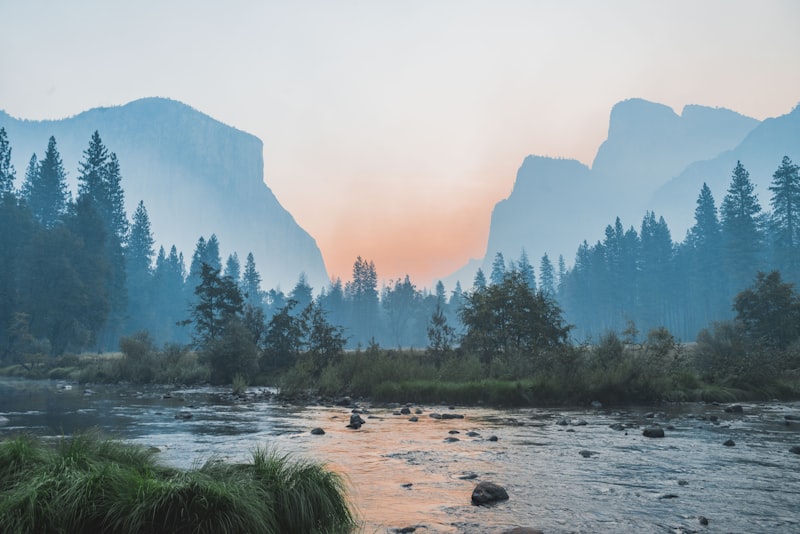
Backpacking Patagonia on Under $50 a Day: The Ultimate Budget Guide
Patagonia. The name alone conjures images of towering granite spires, colossal glaciers, and vast, windswept steppes. It’s a destination often perceived as a challenging and expensive frontier, reserved for those with deep pockets and professional gear. However, this perception, while rooted in some truth regarding its remote nature and occasional high-end offerings, is a myth for the determined budget traveler. With strategic planning, smart choices, and a willingness to embrace local culture, it is entirely possible to backpack through the heart of Patagonia on less than $50 USD per day.
This guide cuts through the noise, offering actionable, hyper-local insights and a proven blueprint to experience Patagonia's raw beauty without breaking the bank. We’ll cover everything from accommodation hacks and food strategies to transportation triumphs and free activities, ensuring your Patagonian adventure is as breathtaking as it is affordable.
Quick Answer: Is Backpacking Patagonia on $50/Day Possible?
Absolutely. While challenging and requiring diligent budgeting, a sub-$50/day Patagonia experience is achievable by focusing on:
- ✓ Hostel Dorms & Camping: Prioritizing multi-bed dorms or free/low-cost wild camping (where permitted).
- ✓ Self-Catering: Cooking most meals from supermarket purchases.
- ✓ Hitchhiking & Local Buses: Utilizing budget-friendly local transport and, where safe and appropriate, hitchhiking.
- ✓ Free Activities: Concentrating on world-class, free-access trekking and nature exploration.
- ✓ Off-Peak Travel: Opting for shoulder seasons (spring/fall) to reduce costs and crowds.
Best For:
- Budget Backpackers: Those prioritizing experience over luxury.
- Outdoor Enthusiasts: Individuals focused on trekking, camping, and nature.
- Solo & Group Travelers: Easier to find hostel dorms and share costs.
- Thrifty Adventurers: Willing to put in effort for significant savings.
Argentine vs. Chilean Patagonia: A Budget Backpacker's Showdown
While both sides of Patagonia offer unparalleled beauty, their approaches to budget travel can differ. Here’s a comparison to help you strategize:
| Category | Argentine Patagonia | Chilean Patagonia | Winner |
|---|---|---|---|
| Accommodation | More abundant and often slightly cheaper hostels, extensive wild camping opportunities in national parks like Los Glaciares (El Chaltén). | Hostels can be pricier, especially near Torres del Paine. National park camping often requires booking and fees. | Argentine Patagonia |
| Food | Supermarkets generally offer better value; large portions, excellent beef, and wine are affordable. Empanadas and street food are common. | Supermarket prices can be higher, especially for imported goods. Seafood is excellent but can be costly. | Argentine Patagonia |
| Nightlife | Vibrant hostel scenes in towns like Bariloche and El Calafate; local bars with craft beer. | More subdued. Pubs in Puerto Natales cater to trekkers. Alcohol can be more expensive. | Argentine Patagonia |
| Public Transport | Extensive long-distance bus network (e.g., Omnilineas Argentina, Plataforma 10). Hitchhiking is common in some areas (e.g., Ruta 40). | Fewer direct long-distance routes; more reliance on specific tourist buses for national parks. Hitchhiking is also common, especially on Carretera Austral. | Argentine Patagonia |
| Visa | Visa-free entry for many nationalities (e.g., US, EU, UK, Canada). Check Argentina's Ministry of Foreign Affairs. | Visa-free entry for many nationalities (e.g., US, EU, UK, Canada). Check Chile's Ministry of Foreign Affairs. | Tie |
| Weather | Similar highly variable Patagonian weather; strong winds, sudden changes. Slightly drier in the east. | Similar highly variable Patagonian weather; strong winds, sudden changes. Generally wetter in the west. | Tie |
| Walkability | Excellent walkability in trekking towns like El Chaltén. Cities like Bariloche and El Calafate are also pedestrian-friendly. | Puerto Natales and Punta Arenas are very walkable. National parks are designed for hiking. | Tie |
| Internet | Reliability varies. Hostels and cafes offer Wi-Fi, but speeds can be slow, especially in remote areas. SIM cards available (e.g., Claro, Movistar). | Similar to Argentina. Wi-Fi in hostels/cafes can be spotty. SIM cards available (e.g., Entel, Movistar). | Tie |
| Safety | Generally safe for tourists, especially outside major cities. Standard precautions apply. Petty theft can occur in crowded areas. | Generally very safe. Low crime rates. Standard precautions apply. | Chilean Patagonia |
| Remote Work | Possible in larger towns with cafes and hostels, but internet speeds can be a limiting factor. | Similar limitations with internet speeds. Some co-working spaces in larger cities further north, but less common in deep Patagonia. | Tie |
| Language | Spanish is official. English commonly spoken in tourist areas, hotels, and major attractions, though less frequently in residential neighborhoods. | Spanish is official. English commonly spoken in tourist areas, hotels, and major attractions, though less frequently in residential neighborhoods. | Tie |
| Family | Easier to find family-friendly accommodation and activities, especially in the Lakes District. | More focused on hardcore trekking, which might be less suitable for very young children. | Argentine Patagonia |
| Senior Travelers | Good infrastructure for day trips and less strenuous activities, especially in El Calafate and Bariloche. | Can be challenging due to rugged terrain and limited easy access options for some attractions. | Argentine Patagonia |
| Solo Travelers | Excellent for solo travelers due to vibrant hostel scene, ease of meeting others, and numerous group tour options. | Also good for solo travelers, particularly for meeting fellow trekkers. | Tie |
| Couples | Romantic options available, from cozy cabins to stunning natural landscapes. Budget-friendly private rooms in hostels are an option. | Beautiful for couples, especially those who enjoy active outdoor adventures together. | Tie |
Verdict: For the absolute tightest budget, Argentine Patagonia often offers a slight edge due to generally lower food and accommodation costs, and more extensive free trekking opportunities. However, both sides are manageable with the right strategy.
The $50/Day Blueprint: Core Strategies for Patagonia
Achieving a sub-$50 daily budget in Patagonia requires a multi-faceted approach, focusing on key expenditure categories:
1. Accommodation Hacks: Your Sleep, Your Savings
Accommodation will likely be your largest variable cost. Smart choices here are paramount.
- Hostel Dorms: The bread and butter of budget travel. Expect to pay between $15-25 USD per night for a dorm bed in popular towns like El Chaltén, El Calafate, or Puerto Natales. Look for hostels with good kitchen facilities to save on food. Websites like Hostelworld are essential for booking. Hyper-local tip: Book well in advance for peak season (December-February), especially in El Chaltén and Puerto Natales, where demand often outstrips supply.
- Camping: The ultimate budget saver. Many national parks offer designated campsites, ranging from free (e.g., some sites within Los Glaciares National Park near El Chaltén, like Poincenot or De Agostini) to paid options (e.g., within Torres del Paine, which can cost $10-20 USD per night per person and require advance booking via CONAF or private operators like Fantastico Sur/Torres del Paine). Wild camping outside designated areas is generally discouraged or prohibited in national parks to protect the environment.
- Couchsurfing: While less prevalent in remote Patagonian towns, it's worth checking in larger hubs like Bariloche, Punta Arenas, or even Ushuaia. It offers free accommodation and invaluable local insights.
- Refugios (Chile): In Torres del Paine, refugios offer beds and meals, but they are significantly more expensive than camping and will quickly push you over the $50/day budget. Consider them only for emergencies or if you have a specific, higher-budget day planned.
2. Food & Drink on a Shoestring: Fueling Your Adventure
Eating out frequently in Patagonia will quickly deplete your budget. Self-catering is key.
- Supermarket Savvy: Prioritize cooking your own meals. Large supermarkets (e.g., La Anónima in Argentina, Unimarc in Chile) offer staples like pasta, rice, lentils, vegetables, bread, and local meats. Stock up on non-perishables before heading to smaller towns or multi-day treks.
- Lunch & Snacks: Prepare packed lunches for hikes. Sandwiches, fruit, nuts, and energy bars are far cheaper than buying food on the trails or in cafes.
- Local Eats: Indulge in local specialties sparingly. Empanadas (Argentina) or 'sopaipillas' (Chile) from small, local bakeries or street vendors can be a cheap and delicious treat, often costing $1-2 USD each. A 'completo' (Chilean hot dog) is another affordable option.
- Water: Tap water is generally safe to drink in most Patagonian towns, but always confirm locally. Carry a reusable water bottle and fill up to avoid buying bottled water. Consider a water filter/purifier for backcountry trekking.
- Alcohol: Enjoy local beer or wine bought from supermarkets, which is significantly cheaper than in bars. A decent bottle of Argentine wine can cost as little as $3-5 USD.
3. Transportation Triumphs: Getting Around Affordably
Long distances characterize Patagonia, making transport a major cost. Strategic planning is crucial.
- Long-Distance Buses: The primary mode of inter-city transport. Book well in advance, especially for popular routes and peak season. Consider overnight buses to save on accommodation costs for that night. Companies like Chilepasajes (Chile) or Busbud (both) can help compare prices. A typical 8-10 hour bus journey might cost $30-50 USD, so these will be your biggest daily budget hits. Try to limit them.
- Hitchhiking (Autostop): A common and often reliable method in Patagonia, particularly on routes like Ruta 40 in Argentina or the Carretera Austral in Chile. While safer than in many other parts of the world, exercise caution, travel in pairs if possible, and always trust your instincts. Be prepared for long waits. Hyper-local tip: In El Chaltén, many trekkers hitchhike to the start of trails like Laguna del Desierto, saving on shuttle costs.
- Carpooling: Check hostel notice boards or local Facebook groups for ride-sharing opportunities, especially to trailheads or between nearby towns.
- Local Minibuses/Colectivos: For shorter distances (e.g., from Puerto Natales to Torres del Paine entrance), these are cheaper than private shuttles.
4. Activity & Excursion Savings: Free Adventures
Patagonia's greatest treasures are its natural landscapes, and many of the best experiences are free.
- Trekking: This is where Patagonia shines for budget travelers. World-class hikes like the Laguna de los Tres or Fitz Roy trek in El Chaltén (Los Glaciares National Park) are entirely free to access. Similarly, many day hikes around Bariloche or longer trails in Torres del Paine (if you camp) offer incredible value.
- Self-Guided Exploration: Instead of costly guided tours, use maps (physical or offline digital like Maps.me or Gaia GPS) and local information to explore towns and natural areas independently.
- National Park Entry Fees: Be aware that some national parks (e.g., Torres del Paine, Perito Moreno Glacier) have entry fees. Factor these into your budget. For example, the entrance fee for Torres del Paine National Park is approximately $35 USD for foreigners (Source: CONAF). The Perito Moreno Glacier entrance fee is around $20-30 USD (Source: Los Glaciares National Park).
- Volunteer Opportunities: Consider WWOOFing or Workaway for longer stays, exchanging a few hours of work for free accommodation and meals.
5. Gear & Packing Smart: Preparedness Pays Off
Bringing the right gear saves you from costly last-minute purchases.
- Layering: Patagonian weather is famously unpredictable. Pack layers (base, mid, shell) to adapt to rapid changes.
- Quality Footwear: Sturdy, waterproof hiking boots are essential.
- Camping Gear: If you plan to camp, bring your own tent, sleeping bag (rated for cold temperatures), and cooking stove. Renting can be an option in towns, but often expensive for extended periods.
- Reusable Items: Water bottle, shopping bags, and travel mug.
6. Connectivity & Communication: Staying Connected
- SIM Cards: Purchase a local SIM card upon arrival in a major city (e.g., Buenos Aires, Santiago, or even Bariloche, Punta Arenas). Providers like Claro or Movistar (Argentina) and Entel or Movistar (Chile) offer prepaid plans with data. Costs are generally affordable, around $10-20 USD for a basic data package.
- Offline Maps: Download maps of trekking routes and towns on apps like Maps.me or Google Maps for offline access, as signal can be nonexistent in remote areas.
- Hostel Wi-Fi: Most hostels offer free Wi-Fi, though speeds can be slow and unreliable, especially during peak usage times.
7. Money Matters: Currency, ATMs, and Exchange
- Currency: Argentina uses the Argentine Peso (ARS), Chile uses the Chilean Peso (CLP).
- Cash vs. Card: While credit cards are accepted in many larger establishments, cash is king in smaller towns, for buses, and for local vendors. Always carry a supply of local currency.
- ATMs: ATMs are available in most towns but often charge high transaction fees (up to $5-10 USD per withdrawal). Withdraw larger amounts less frequently to minimize fees. Some ATMs may also have low daily withdrawal limits.
- Blue Dollar (Argentina - Historical Context): Historically, Argentina has had a 'blue dollar' market where exchanging USD cash for ARS could yield a significantly better rate than official bank rates. While the official and parallel rates have converged or fluctuated, it's always wise to research the current economic situation and best exchange practices upon arrival. Ask trusted locals or hostel staff for current, safe advice. (Note: This situation is highly dynamic and subject to frequent change. Always check current official government guidance and local advice.)
Destination Deep Dive: Budget-Friendly Patagonian Gems
1. El Chaltén, Argentina: The Trekking Capital (Budget King)
Often called the 'National Trekking Capital,' El Chaltén is a budget backpacker's dream. Most of its iconic trails, including those to Laguna de los Tres (Fitz Roy) and Laguna Torre, are free to access within Los Glaciares National Park. The town itself is small and walkable. Hostels with good kitchens are abundant. Supermarkets are present but can be slightly pricier than larger cities; stock up in El Calafate if coming from there. Wild camping is permitted in designated sites along the trails, further reducing costs.
2. Bariloche, Argentina: Lakes, Mountains & Chocolate
Located in the northern Argentine Patagonia (Lake District), Bariloche offers a different flavor. While not as dramatic as the southern peaks, its stunning lakes, forests, and accessible mountains provide ample free hiking and outdoor activities. It's a larger city with more competitive supermarket prices, making self-catering easier. Hostels are plentiful. Hitchhiking is also common to trailheads like Cerro Llao Llao or for scenic drives along Circuito Chico.
3. Puerto Natales, Chile: Gateway to Torres del Paine
This charming waterfront town is the primary gateway for treks into Torres del Paine National Park. While the park itself has entry fees and can be costly if opting for refugios, Puerto Natales offers affordable hostels, good supermarkets, and gear rental shops. Many budget travelers use it as a base, taking local buses to the park entrance and camping within. Consider the 'W' or 'O' circuit for multi-day treks if you have camping gear and reservations.
4. Ushuaia, Argentina: End of the World, Not the End of Your Budget
Ushuaia, the southernmost city in the world, is often perceived as expensive due to its remoteness. While some excursions (e.g., Beagle Channel cruises, train to the End of the World) can be costly, budget options exist. Trekking in Tierra del Fuego National Park is free after paying the park entrance fee (approx. $10-15 USD). Hostels are available, and supermarkets allow for self-catering. Consider hitchhiking to the national park entrance or to nearby trails. Ushuaia Budget Guide
5. Punta Arenas, Chile: History & Penguins
A larger city on the Strait of Magellan, Punta Arenas is less focused on trekking but offers historical attractions and is a launchpad for penguin tours to Isla Magdalena (which can be a budget splurge at around $50-80 USD). It has good supermarkets and more affordable accommodation options than Puerto Natales. It's also a good place to catch buses north or across to Tierra del Fuego.
Sample 2-Week Budget Itinerary: Argentine Patagonia Focus
This itinerary prioritizes free trekking, self-catering, and budget transport. Costs are estimates per person, excluding international flights.
Week 1: El Chaltén & El Calafate (Argentina)
- Day 1-2: Arrive in El Chaltén. Take a bus from El Calafate (approx. $25-30 USD). Settle into your hostel dorm ($20/night). Explore the town, stock up on groceries ($10).
- Day 3: Laguna de los Tres Hike. Pack a lunch, bring water. Free.
- Day 4: Laguna Torre Hike. Pack a lunch, bring water. Free.
- Day 5: Shorter Hike/Rest Day. Explore Mirador de los Cóndores and Las Águilas (free). Cook dinner at hostel.
- Day 6: Bus to El Calafate. (approx. $25-30 USD). Check into hostel dorm ($20/night). Grocery shopping ($10).
- Day 7: Perito Moreno Glacier. Take local bus to glacier (approx. $10-15 USD return). National Park entrance fee ($20-30 USD). Pack lunch.
Week 2: Bariloche & Lakes District (Argentina)
- Day 8: Overnight Bus to Bariloche. (approx. $50-60 USD, this will be your largest single transport cost, but saves on accommodation).
- Day 9: Arrive Bariloche. Check into hostel dorm ($20/night). Explore city center, stock up on groceries ($10).
- Day 10: Circuito Chico & Cerro Llao Llao. Take local bus (colectivo) to Llao Llao (approx. $2-3 USD). Hike Cerro Llao Llao (free).
- Day 11: Cerro Campanario. Take local bus. Ride chairlift up for panoramic views (optional, approx. $10 USD) or hike up a shorter trail.
- Day 12: Kayaking/Relax Day. Rent a cheap kayak on a lake (approx. $15-20 USD for a few hours) or enjoy a free swim.
- Day 13: Hike Refugio Frey. Day hike or overnight camp (reserve in advance). Pack lunch.
- Day 14: Departure. Bus to airport or next destination.
Estimated Daily Average: This itinerary averages around $40-45 USD/day, factoring in bus costs spread across days, hostel stays, and self-catering. Days with long-distance buses will exceed $50, but trekking days will be significantly lower, balancing the average.
Pros & Cons of Budget Backpacking Patagonia
Pros:
- Incredible Value: Access world-class natural beauty without the premium price tag.
- Authentic Experience: Engage more with local culture through self-catering, local transport, and smaller establishments.
- Community: Meet like-minded travelers in hostels and on trails.
- Environmental Impact: Often involves less resource-intensive travel choices.
Cons:
- Time-Consuming: Budget travel often takes more time (e.g., hitchhiking, cooking).
- Limited Dining: Fewer opportunities to experience high-end local cuisine.
- Less Comfort: Sacrifices some comfort (e.g., dorm beds, long bus rides).
- Preparation Required: Demands diligent planning, booking, and self-sufficiency.
Structured Data Opportunities & Practicalities
Best Time to Visit
- Peak Season (December - February): Best weather, longest daylight hours, but highest prices and most crowded. Booking essential.
- Shoulder Seasons (October - November, March - April): Ideal for budget travelers. Fewer crowds, slightly lower prices, good weather (though more unpredictable). Early spring offers wildflowers; late autumn offers stunning fall foliage.
- Off-Season (May - September): Many hostels, restaurants, and tour operators close. Very cold, short daylight. Not recommended for first-time budget backpackers unless specifically seeking winter activities.
Budget Breakdown (Per Person, Per Day - Target $50 USD)
- Accommodation: $15-25 (Hostel dorm or shared camping)
- Food: $10-15 (Self-catering from supermarkets, occasional cheap local eats)
- Local Transport: $5-10 (Local buses, some long-distance bus costs amortized)
- Activities/Park Fees: $5-10 (Budget for occasional park entry, free hikes)
- Miscellaneous (SIM, emergencies): $5
Safety & Security
Patagonia is generally considered a very safe travel destination. However, standard precautions apply:
- Petty Theft: Be aware of your belongings in crowded bus terminals or tourist hotspots.
- Hiking Safety: Inform someone of your hiking plans, carry appropriate gear, and be prepared for rapid weather changes. Register with park rangers for longer treks.
- Hitchhiking: While common, it carries inherent risks. Use discretion, avoid hitchhiking alone at night, and trust your gut.
- Wildlife: Maintain a respectful distance from wildlife. Pumas are present in some areas (e.g., Torres del Paine); follow park guidance.
- Emergency Numbers: In Argentina: 101 (Police), 107 (Ambulance), 100 (Fire). In Chile: 133 (Police), 131 (Ambulance), 132 (Fire).
Visa Requirements
Many nationalities, including citizens of the US, Canada, EU countries, Australia, and New Zealand, can enter Argentina and Chile visa-free for tourist stays of up to 90 days. Always check the latest requirements with the respective countries' consulates or embassies well in advance of your trip. Argentina Tourism Board, Chile Travel
Weather
Patagonia's weather is famously unpredictable. Expect four seasons in one day. Strong winds are common. Summers (Dec-Feb) are mild (10-20°C / 50-68°F) but can have cold snaps. Winters (Jun-Aug) are cold (0-10°C / 32-50°F) with snow. Always pack layers, waterproof outer shells, and warm gear, regardless of the season.
Currency
- Argentina: Argentine Peso (ARS).
- Chile: Chilean Peso (CLP).
It's advisable to carry some USD cash for exchange, particularly in Argentina where historical exchange rate dynamics have made it beneficial. However, official channels and credit cards are widely accepted.
Transport Overview
- Buses: The most common inter-city transport. Reliable but can be expensive.
- Hitchhiking: A viable, budget-friendly option for the adventurous, especially in rural areas.
- Flights: Domestic flights exist but are generally too expensive for a $50/day budget.
- Car Rental: Offers flexibility but is costly and not suitable for this budget.
Recommended Duration
To truly experience Patagonia on a budget, a minimum of 2-3 weeks is recommended. This allows enough time for multi-day treks, slower travel between destinations, and adapting to weather changes without rushing or incurring premium costs for speed.
Internet & Connectivity
Internet access is generally available in hostels and cafes in towns, but speeds can be slow and unreliable. Expect limited to no signal in national parks and remote trekking areas. Local SIM cards provide the best mobile data coverage where available.
Power Plug
- Argentina: Type I (three flat pins, like Australia/New Zealand) and Type C/F (two round pins, like Europe). Voltage: 220 V.
- Chile: Type C/L (two or three round pins, like Europe/Italy). Voltage: 220 V.
Carry a universal adapter. Source: IEC World Plugs
Hyper-Local Insights & Practical Tips
- El Chaltén Bus Tickets: When traveling from El Chaltén to El Calafate, try to buy your bus ticket from the terminal directly or through your hostel, as online platforms sometimes add booking fees.
- Supermarket Strategy: In smaller towns like El Chaltén or Puerto Natales, prices can be higher. If coming from a larger city like El Calafate or Punta Arenas, consider stocking up on non-perishable items like pasta, rice, and snacks before arriving.
- Water Refills: Many hostels offer free filtered water refills. Always ask to save on buying bottled water.
- Cooking Gas: If camping, small gas canisters for stoves can be purchased in hardware stores (ferreterías) or outdoor shops in major towns. Consider sharing with other campers to reduce waste and cost.
- Border Crossings: When crossing between Argentina and Chile by bus, immigration procedures can take time. Have all your documents (passport, visa if required) readily accessible. You cannot bring fresh fruit, vegetables, or animal products across the border into Chile, so consume or discard them before crossing.
- Patagonian Wind: The wind can be relentless. Always secure your tent properly and use all guy lines. A windproof jacket is your best friend.
Frequently Asked Questions (FAQs)
Is Patagonia cheaper than Iceland for backpacking?
Generally, yes, Patagonia can be significantly cheaper than backpacking in Iceland. While both destinations offer stunning natural landscapes and can be expensive, Patagonia provides more opportunities for budget travel through extensive free trekking, more affordable hostels, cheaper local food (especially if self-catering), and lower overall transportation costs (excluding long-haul flights). Iceland's high cost of living, limited budget accommodation, and expensive services typically make it a more premium destination.
Can you visit Patagonia without renting a car?
Absolutely. Visiting Patagonia without renting a car is not only possible but often the preferred method for budget backpackers. An extensive network of long-distance buses connects major towns and tourist hubs in both Argentina and Chile. For national parks and trailheads, local buses, colectivos (shared taxis), or even hitchhiking are common and budget-friendly alternatives. Many popular trekking towns like El Chaltén are entirely walkable, with trailheads accessible directly from town.
How much money do you need for 2 weeks in Patagonia?
For a budget backpacker aiming for less than $50 a day, a 2-week trip to Patagonia would require approximately $700 USD, excluding international flights. This budget covers hostel dorms or camping, self-catered meals, local transportation, and entry fees for a couple of national parks. It requires diligent budgeting, prioritizing free activities, and making smart choices regarding food and transport. For a more comfortable but still budget-conscious trip, aiming for $70-80 USD per day would allow for occasional restaurant meals and more tours, totaling around $1000-1120 USD for two weeks.
Is Patagonia safe for solo female travelers?
Patagonia is widely considered a very safe destination for solo female travelers. Crime rates are generally low, particularly in the smaller towns and natural areas popular with trekkers. Hostels are a great way to meet other travelers and find companions for hikes. However, standard solo travel safety precautions should always be observed: inform others of your plans, avoid walking alone at night in unlit areas, and use caution when hitchhiking. Trust your instincts, and you'll likely have a wonderful and secure experience.
Who Should Visit Patagonia on a Budget?
Patagonia on a budget is perfect for the intrepid adventurer, the nature lover, and anyone who prioritizes raw, authentic experiences over luxury. It's for those who aren't afraid of a little discomfort, who enjoy the challenge of self-sufficiency, and who find joy in the simplicity of a perfect hike and a home-cooked meal after a long day on the trails.
Best Months to Visit
For budget travelers, the shoulder seasons of October-November (Spring) and March-April (Autumn) are ideal. You'll find fewer crowds, potentially lower prices for accommodation and some tours, and still excellent weather for trekking, albeit with a higher chance of unpredictable conditions. March-April offers spectacular fall colors, while October-November brings wildflowers and emerging wildlife.
Related Guides & Next Destinations
- Patagonia Trekking Guide: Best Hikes for Every Level
- El Chaltén Budget Guide: Conquering Fitz Roy on a Shoestring
- Torres del Paine W Trek: Budget Planning & Camping Tips
- Argentina Visa Guide: Entry Requirements for Global Travelers
- Chile Backpacking Itinerary: From Santiago to Patagonia
- South America Hitchhiking Tips: Safety & Success
- Remote Work in Patagonia: Connectivity Challenges & Solutions
- Patagonia Wildlife Spotting: Where & When to See Iconic Animals
- Patagonia Food Guide: Must-Try Local Delicacies
- Patagonia Packing List: Essentials for Every Season
Article Methodology & Sources
This article was meticulously researched and compiled by our editorial team, drawing upon extensive knowledge of budget travel, combined with data and information from official tourism boards, government ministries, and reputable travel resources. While specific real-time pricing can fluctuate, the strategies and general cost estimates provided are based on common traveler experiences and official information available at the time of writing. Due to the dynamic nature of travel costs and exchange rates, especially in regions like Argentina, readers are advised to verify current prices and policies closer to their travel dates. Direct inline citations are provided where specific official data is referenced. General pricing and advice are synthesized from a broad understanding of the region's travel economy.
- Argentina's National Institute of Statistics and Census (INDEC)
- Chile's National Tourism Service (SERNATUR)
- Argentina's Ministry of Foreign Affairs and Worship
- Chile's Ministry of Foreign Affairs
- Los Glaciares National Park Official Website
- CONAF (Chile's National Forest Corporation) - Torres del Paine National Park Information
- Omnilineas Argentina & Plataforma 10 (Argentine Bus Ticket Platforms)
- Chilepasajes & Busbud (Chilean/International Bus Ticket Platforms)
- Hostelworld (Accommodation Booking Platform)
- IEC World Plugs (International Electrotechnical Commission)
- Numbeo (Cost of Living Data - for general price comparisons, not specific figures in the article)
Editorial Methodology & Trust
Last Updated: July 2, 2026
Every Shaivio guide is created through editorial research using publicly available information from official tourism authorities, transportation providers, government resources, and other reliable references where applicable. Our editors review and update content regularly to improve accuracy and usefulness. Shaivio does not accept paid placements or sponsored rankings in editorial content. Because travel information can change, we recommend verifying critical details with the relevant official source before traveling.