How to Visit Banff National Park on a Budget: Secret Tips for 2026
Banff National Park, a UNESCO World Heritage site nestled in the heart of the Canadian Rockies, is renowned for its breathtaking landscapes, turquoise lakes, and towering peaks. Its pristine beauty often comes with a perception of high costs, leading many budget-conscious travelers to believe it's out of reach. However, with careful planning, insider knowledge, and a few strategic choices, experiencing Banff's grandeur on a budget in 2026 is entirely achievable. This guide will dismantle common myths and equip you with the tools to make your dream trip a reality.
Quick Answer: Banff on a Budget
Choose Banff if: ✓ Stunning natural beauty ✓ World-class hiking ✓ Wildlife viewing ✓ Outdoor adventure. Choose a budget approach if: ✓ You prioritize experiences over luxury ✓ You're willing to plan ahead ✓ You enjoy self-catering and camping.
Best For: family_restroom Families (with planning), laptop_mac Digital Nomads (if self-sufficient), favorite Couples, hiking Solo Travelers, elderly Senior Travelers (with accessibility considerations).
Myth vs. Reality: Banff on a Budget
Before diving into the specifics, let's address some common misconceptions about visiting Banff National Park.
| Category | The Myth | The Reality | Budget Insight |
|---|---|---|---|
| Accommodation | Only expensive hotels are available. | Hostels, campgrounds, and off-season rentals offer diverse options. | Book Parks Canada campsites up to a year in advance for significant savings. Consider hostels in Banff town or Canmore. |
| Food | You'll spend a fortune on restaurant meals. | Grocery stores, self-catering, and packed lunches are viable. | Cook your own meals. Pack snacks and lunches for day trips to avoid overpriced tourist stops. |
| Activities | Everything requires a paid tour or entry fee. | Many of the most iconic experiences, like hiking, are free after park entry. | Focus on hiking, scenic drives, and free interpretive programs. A Parks Canada Discovery Pass covers entry for a year. |
| Transportation | You absolutely need to rent a car. | Roam Transit, shuttles, and cycling can get you to key attractions. | Utilize Roam Transit for local travel. Book shuttles to popular spots like Lake Louise and Moraine Lake well in advance. |
| Best Time to Visit | Summer is the only good time, but it's expensive. | Shoulder seasons (spring/fall) offer lower prices and fewer crowds. | Target late May/early June or September/early October for better deals on accommodation and activities. |
Understanding Banff's Cost Landscape
Banff National Park is a premier destination, and like any popular spot, prices can escalate, especially during peak season. However, understanding where your money goes is the first step to saving.
price_check Key Cost Categories
- Park Entry Fees: A mandatory cost for all visitors. A daily pass (as of 2024, approximately CAD 11.50 per adult per day) or a Parks Canada Discovery Pass (approximately CAD 79.50 per adult annually, or CAD 139.40 for a family/group) is required. The Discovery Pass is highly recommended if you plan to stay for more than 7 days or visit other national parks within a year. [Parks Canada Official Site]
- Accommodation: This is often the largest expense. Prices vary wildly from CAD 30 for a hostel bed to CAD 500+ for luxury hotels.
- Transportation: Car rental, fuel, and parking can add up. Public transit and shuttles offer alternatives.
- Food & Drink: Restaurant meals can be expensive. Groceries and self-catering are budget-friendly.
- Activities & Tours: While many activities are free (hiking), guided tours, gondola rides, or equipment rentals come at a cost.
When to Visit: The Shoulder Season Advantage
Timing your visit is perhaps the single most impactful decision for budget travelers.
calendar_today Best Time for Budget Travel
- Late Spring (May - Early June): As the snow melts, wildflowers emerge, and crowds are thinner. Lake Louise and Moraine Lake may still be partially frozen or have limited access until early June, but accommodation prices are significantly lower than in peak summer. Hiking trails at lower elevations are accessible.
- Early Fall (September - Early October): The larch trees turn golden, offering spectacular scenery. Summer crowds have dispersed, and many businesses offer shoulder-season rates. Weather can be unpredictable, with crisp days and early snowfalls possible.
| Category | Peak Season (July-August) | Shoulder Season (May-June / Sept-Oct) | Winner |
|---|---|---|---|
| Accommodation Cost | Very High (e.g., CAD 200-500+/night) | Moderate (e.g., CAD 100-300/night) | Shoulder Season |
| Food Cost (Restaurants) | High, high demand | Moderate, more specials | Shoulder Season |
| Nightlife | Vibrant, crowded | Lively, but less intense | Peak Season |
| Public Transport | Frequent, but often crowded | Regular, less crowded | Shoulder Season |
| Crowd Levels | Extremely High | Moderate to Low | Shoulder Season |
| Weather | Warm, sunny, stable | Variable, cool, potential snow | Peak Season |
| Walkability | Excellent, but busy paths | Excellent, pleasant paths | Shoulder Season |
| Booking Difficulty | Extremely Difficult (book 6-12 months ahead) | Moderate (book 3-6 months ahead) | Shoulder Season |
Accommodation: Sleeping Smartly
Your choice of lodging will significantly impact your budget. Banff offers options for every price point, if you know where to look and when to book.
hotel Budget-Friendly Accommodation Strategies
-
Camping (The Ultimate Budget Saver):
- Parks Canada Campgrounds: Sites like Tunnel Mountain Village I & II, Two Jack Lakeside, and Lake Minnewanka offer basic to serviced sites. Tunnel Mountain Village II is open year-round with electrical hookups. Prices range from approximately CAD 23-40 per night. Booking opens in January for the entire season and popular sites sell out within minutes for peak dates. [Parks Canada Reservation Service]
- Backcountry Camping: For the adventurous, backcountry permits allow camping in designated areas for a fee (approx. CAD 12.75 per person per night, plus reservation fees). This requires proper gear and experience.
- RV Rentals: While the rental itself can be pricey, an RV combines accommodation and transport, allowing for self-catering. Consider booking 6-12 months in advance for 2026.
-
Hostels:
- HI Banff Alpine Centre: Offers dorm beds and private rooms at a fraction of hotel costs. Includes shared kitchens, which are excellent for budget travelers. Dorm beds typically range from CAD 30-60 per night.
- Banff International Hostel: Another popular choice with similar amenities.
- Samesun Banff: Known for its lively atmosphere and central location.
-
Budget Hotels/Motels:
- Look for properties slightly off the main street in Banff town or consider staying in Canmore (approximately 20-25 minutes drive from Banff town). Canmore often has more affordable options, especially during peak season, and offers excellent access to the park. Hotels here might be CAD 150-250 per night in shoulder season.
- Microtel Inn & Suites by Wyndham Canmore or Ramada by Wyndham Canmore are examples of chain hotels that can offer better value than options directly in Banff.
-
Vacation Rentals (VRBO/Airbnb):
- In Banff town, strict regulations limit short-term rentals to those with a 'business license' or 'tourist home' designation, making them less common and often more expensive.
- Canmore is a better bet for vacation rentals, offering more options for self-contained units with kitchens, which can save significantly on food costs.
Transportation: Navigating Smartly
Getting around Banff National Park without a personal vehicle is not only possible but often recommended for popular areas like Lake Louise and Moraine Lake due to parking limitations.
directions_car Getting to and Around Banff
-
Calgary International Airport (YYC): The closest major airport. You can take a shuttle service like the Banff Airporter (approximately CAD 75-90 one-way) or the On-It Regional Transit (seasonal, more budget-friendly) directly to Banff town. [Banff Airporter]
-
Roam Transit: Banff's local public bus system is excellent and expanding. It connects Banff town with Lake Louise, Johnston Canyon, and other key attractions. Fares are affordable (e.g., CAD 2-10 depending on route). Consider a multi-day pass for better value. [Roam Transit Official Site]
-
Parks Canada Shuttles: Essential for accessing Moraine Lake and Lake Louise during peak season when private vehicle access is restricted or parking is impossible. Book these well in advance (often 8 AM MT exactly one month before your desired date). A round-trip ticket is approximately CAD 8 for adults. [Parks Canada Shuttle Information]
-
Cycling: Banff offers extensive cycling paths, including the scenic Bow Valley Parkway (Highway 1A) and Legacy Trail. Renting a bike for a day (CAD 30-60) can be a cost-effective way to explore nearby areas like Lake Minnewanka. Many hostels offer bike rentals or free use for guests.
-
Carpooling/Ride-sharing: Look for local Facebook groups or hostel notice boards for ride-sharing opportunities to more remote trailheads.
Food & Drink: Eating Economically
Dining out in Banff can quickly deplete your budget. Embrace self-catering and smart choices to save hundreds.
restaurant Budget Eating Strategies
-
Grocery Stores: Stock up at Nesters Market or Safeway in Banff town, or Save-On-Foods in Canmore. Prices are generally higher than in major cities, but still far cheaper than restaurants. Plan meals that require minimal cooking if you're camping or staying in a hostel kitchen.
-
Pack Lunches & Snacks: Critical for day trips. A sandwich, fruit, and trail mix prepared in advance will save you from expensive grab-and-go options at popular viewpoints.
-
Budget-Friendly Eateries in Banff Town:
- Banff Poutine: Offers classic Canadian comfort food at reasonable prices.
- Old Spaghetti Factory: Known for its all-inclusive meals (bread, salad, ice cream) which offer good value.
- Eddie Burger + Bar (Happy Hour): Look for happy hour specials for discounted appetizers and drinks.
- Whitebark Cafe: Excellent coffee and pastries for a quick, affordable breakfast.
-
Water Bottles: Tap water in Banff is safe and delicious. Carry a reusable water bottle and refill it frequently. This saves money and reduces plastic waste.
-
Limit Alcohol: Alcoholic beverages, especially at restaurants and bars, are expensive in Canada. Consider purchasing from liquor stores for consumption at your accommodation.
Activities: Free & Low-Cost Adventures
The best of Banff National Park is often free – its stunning natural landscapes. Focus on these to maximize your budget.
hiking Top Free & Budget Activities
-
Hiking: Banff is a hiker's paradise. Countless trails cater to all fitness levels. Popular free hikes include:
- Johnston Canyon (Lower & Upper Falls): Easy, paved/boardwalk trail. Go early to avoid crowds.
- Tunnel Mountain Summit: Moderate, rewarding views of Banff town.
- Sulphur Mountain (Hiking Trail): Instead of the gondola, hike to the summit (moderate, 5.5 km one-way).
- Lake Agnes Tea House Trail (Lake Louise): Moderate, leads to a historic tea house (tea and snacks are extra, but the hike is free).
- Plain of Six Glaciers Trail (Lake Louise): More challenging, spectacular views.
-
Scenic Drives:
- Bow Valley Parkway (Highway 1A): A slower, more wildlife-rich alternative to the Trans-Canada Highway between Banff and Lake Louise. Seasonal closures for cycling may apply.
- Minnewanka Loop: Access Lake Minnewanka, Two Jack Lake, and Cascade Ponds.
- Icefields Parkway (Highway 93N): While requiring a park pass, the views are unparalleled. Pack a lunch and enjoy the numerous viewpoints.
-
Wildlife Viewing: Keep an eye out for elk, deer, bighorn sheep, and occasionally bears (from a safe distance!) along roadsides, trails, and in meadows. Dawn and dusk are prime viewing times.
-
Picnics: Enjoy the scenery with a packed lunch at designated picnic areas like Cascade Ponds, Two Jack Lake, or along the Bow Valley Parkway.
-
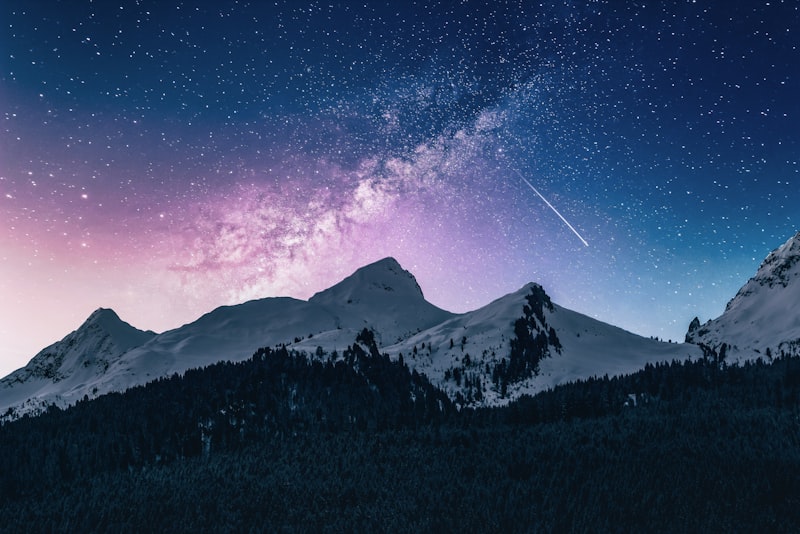
Stargazing: Banff National Park is a designated Dark Sky Preserve. On clear nights, the night sky is incredible, especially away from town lights.
-
Banff Park Museum National Historic Site: A small entry fee (approx. CAD 4.25) provides access to Canada's oldest national park building and its natural history exhibits. [Parks Canada]
Hyper-Local Insights & Insider Tips
- Book Early, Especially Campgrounds & Shuttles: This cannot be stressed enough. Parks Canada campsite reservations open in January for the summer season and sell out in minutes. Lake Louise & Moraine Lake shuttle bookings open one month in advance and disappear quickly.
- Consider Canmore as a Base: While not within the National Park boundaries, Canmore offers more affordable accommodation and dining options, especially in peak season. It's a short drive to Banff town and has excellent access to many park trails.
- Utilize the Legacy Trail: This paved, multi-use pathway connects Canmore to Banff town, perfect for cycling or walking.
- Visit Popular Spots at Off-Peak Hours: Lake Louise and Johnston Canyon are beautiful but can be incredibly crowded. Go before 8 AM or after 5 PM for a more serene experience.
- Check Parks Canada Alerts: Before heading out, always check the Parks Canada website for trail conditions, closures, and wildlife warnings.
- Bring Bear Spray: If you plan on hiking in the backcountry or less-trafficked trails, carrying bear spray and knowing how to use it is highly recommended. You can rent it in town or purchase it at outdoor stores.
- Layer Your Clothing: Mountain weather is unpredictable. Even in summer, temperatures can drop significantly, and rain is common. Layers are key.
- Free Wi-Fi: Many cafes, restaurants, and the Banff Public Library offer free Wi-Fi. Your accommodation will likely also have it.
Sample Budget Itinerary (5 Days / 4 Nights)
This itinerary assumes you're staying at a campground or hostel and primarily self-catering.
hiking Day 1: Arrival & Banff Town Exploration
- Morning: Arrive at Calgary International Airport (YYC), take a shuttle to Banff town. Check into your hostel or campground.
- Afternoon: Explore Banff Avenue on foot. Visit the Banff Park Museum (small entry fee). Walk to Bow Falls.
- Evening: Grocery shopping at Nesters Market. Cook dinner at your accommodation.
- Cost Focus: Shuttle, park pass, groceries, museum entry.
directions_bus Day 2: Lake Louise & Moraine Lake
- Morning: Take the Parks Canada shuttle or Roam Transit to Lake Louise. Hike the Lake Agnes Tea House trail or Plain of Six Glaciers.
- Afternoon: Take the Parks Canada shuttle to Moraine Lake (if accessible for the season). Enjoy the iconic views from the Rockpile trail.
- Evening: Return to Banff. Cook dinner.
- Cost Focus: Transit fares, packed lunch.
nature Day 3: Johnston Canyon & Minnewanka Loop
- Morning: Take Roam Transit to Johnston Canyon. Hike to the Lower and Upper Falls.
- Afternoon: Take Roam Transit back towards Banff, stopping at the Lake Minnewanka Loop. Explore Two Jack Lake and Cascade Ponds (great picnic spots).
- Evening: Cook dinner.
- Cost Focus: Transit fares, packed lunch.
bike_scooter Day 4: Bow Valley Parkway & Cycling
- Morning: Rent a bike in Banff and cycle a portion of the Legacy Trail towards Canmore, or cycle along the Bow Valley Parkway (check for seasonal closures to traffic for cycling events).
- Afternoon: Enjoy a picnic lunch. Explore a less-trafficked trail or viewpoint along your cycling route.
- Evening: Treat yourself to a budget-friendly dinner in Banff (e.g., poutine or happy hour specials).
- Cost Focus: Bike rental, budget dinner.
luggage Day 5: Departure
- Morning: Enjoy a final walk along the Bow River. Grab a coffee and pastry.
- Afternoon: Take the shuttle back to Calgary International Airport.
- Cost Focus: Shuttle, final meal.
Structured Data Opportunities
check_circle_outline Pros & Cons of Budget Travel in Banff
- Pros:
- Experience the raw beauty of the park without luxury distractions.
- Significant cost savings on accommodation, food, and transport.
- Greater flexibility and sense of adventure (e.g., camping, public transit).
- Opportunity to meet other travelers in hostels or campgrounds.
- Reduced environmental footprint by using public transport and self-catering.
- Cons:
- Requires extensive advance planning, especially for peak season.
- Limited dining out options; more self-cooking.
- Less comfort compared to luxury resorts.
- Reliance on public transit or shuttles can mean less flexibility for spontaneous detours.
- Fewer amenities and services compared to higher-end options.
wb_sunny Best Time to Visit
Late May to early June or September to early October for the best balance of lower costs, fewer crowds, and pleasant weather.
account_balance_wallet Budget Estimates (Per Person, Per Day, excluding flights to YYC)
- Ultra-Budget (Camping/Hostel, Self-Catering, Public Transit): CAD 70-120
- Mid-Range Budget (Budget Hotel/Canmore, Some Dining Out, Mix of Transit/Car): CAD 150-250
These are estimates for 2026 and can vary based on booking lead times and personal choices.
security Safety
- Banff National Park is generally very safe.
- Wildlife: Be 'bear aware.' Carry bear spray, make noise on trails, and keep food secure. Maintain a safe distance from all wildlife. [Parks Canada Wildlife Safety]
- Hiking: Stay on marked trails, carry appropriate gear, tell someone your plans, and be prepared for changing weather conditions.
- Water Safety: Lakes and rivers are extremely cold. Be cautious around water.
- Emergency Numbers: 911 (Police, Fire, Ambulance, Search & Rescue).
badge Visa Requirements
Visitors to Canada generally require an Electronic Travel Authorization (eTA) for visa-exempt foreign nationals or a visitor visa. Check official Canadian government websites for the most up-to-date requirements based on your nationality. [Immigration, Refugees and Citizenship Canada]
cloud Weather
Mountain weather is highly variable. Summers (July-August) are warm (15-25°C) but can have sudden rain. Shoulder seasons (May-June, Sept-Oct) range from cool to mild (5-18°C) with potential for snow at higher elevations. Winters (Nov-April) are cold (-15 to -5°C) with heavy snowfall.
payments Currency
Canadian Dollar (CAD). Credit cards are widely accepted. ATMs are available in Banff town and Canmore.
directions_bus Transport within the Park
Roam Transit, Parks Canada shuttles, cycling, and walking are excellent budget options. Car rental offers flexibility but adds significant cost (rental, fuel, parking).
timelapse Recommended Duration
5-7 days allows for a good exploration of the main highlights without rushing, especially for budget travelers relying on public transit and hiking.
wifi Internet & Connectivity
Wi-Fi is commonly available in hotels, hostels, cafes, and the Banff Public Library. Cell service is generally good in Banff town, Lake Louise village, and along major highways, but can be spotty in remote areas or deep valleys.
power Power Plug
Type A and B (two flat parallel pins or two flat parallel pins with a round grounding pin). Voltage is 120V at 60Hz.
local_phone Emergency Numbers
Dial 911 for Police, Fire, Ambulance, or Search & Rescue anywhere in Canada.
Who Should Visit Banff on a Budget?
Banff National Park on a budget is ideal for:
- Outdoor Enthusiasts: Who prioritize hiking, cycling, and natural exploration over luxury amenities.
- Adventure Seekers: Willing to camp, self-cater, and embrace public transport.
- Students & Backpackers: Looking for affordable experiences and a chance to meet fellow travelers.
- Families with Older Children: Who can participate in hiking and enjoy camping.
- Travelers with Flexible Dates: Who can visit during the more affordable shoulder seasons.
Related Guides & Next Steps
Ready to plan your budget Banff adventure? Explore these related resources for deeper dives:
- Banff National Park Itinerary: 7 Days of Alpine Wonders
- Canadian Rockies Hiking Guide: Trails for Every Skill Level
- Solo Travel in the Canadian Rockies: Safety and Adventure
- Best Street Food in Calgary: Fueling Your Rockies Trip
- Canada Visa Guide: Requirements for Visiting Alberta
- Canadian National Parks Budget Guide: Save on Entry & Activities
- Canadian Rockies Transport Guide: Car-Free Exploration
- Winter Activities in Banff: Beyond the Ski Slopes
- Banff Photography Spots: Capture the Rockies Magic
- Tourist Traps to Avoid in Canada: Maximize Your Experience
Article Methodology & Sources
This guide was meticulously researched and compiled using a combination of official government and tourism resources, reputable travel blogs, and publicly available data. Information regarding park fees, reservation systems, and transit schedules is based on current (2024) Parks Canada and Roam Transit publications and is projected for 2026, though subject to change. Accommodation and food price estimates are derived from common traveler reports, hostel websites, and general cost-of-living data (e.g., Numbeo estimates for similar Canadian towns), adjusted for potential inflation. Specific links to official sources are provided inline where applicable to ensure accuracy and transparency.
- Parks Canada - Banff National Park
- Roam Public Transit
- Banff & Lake Louise Tourism
- Tourism Canmore Kananaskis
- Immigration, Refugees and Citizenship Canada
- Numbeo - Cost of Living Index (general reference for price estimates)
Editorial Methodology & Trust
Last Updated: July 2, 2026
Every Shaivio guide is created through editorial research using publicly available information from official tourism authorities, transportation providers, government resources, and other reliable references where applicable. Our editors review and update content regularly to improve accuracy and usefulness. Shaivio does not accept paid placements or sponsored rankings in editorial content. Because travel information can change, we recommend verifying critical details with the relevant official source before traveling.