Quick Answer: Banff for Non-Skiers
Choose Banff National Park in winter as a non-skier if you seek:
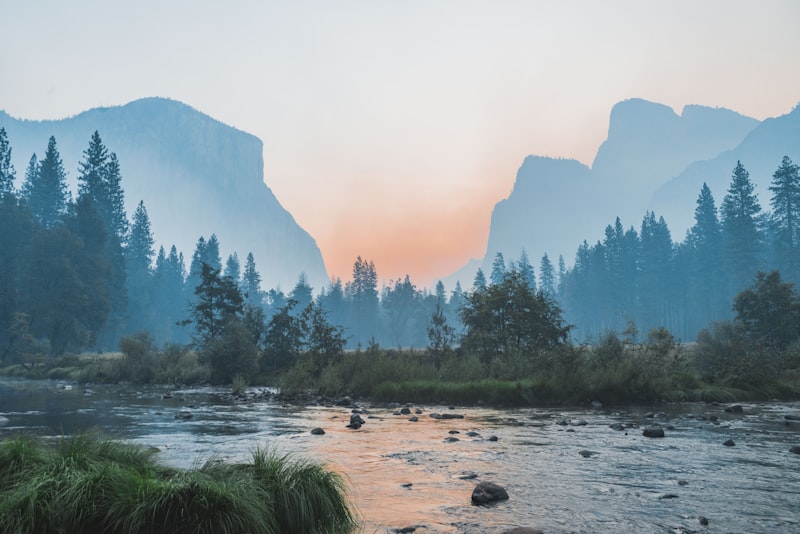
- Spectacular Scenery: Iconic snow-dusted mountains, frozen lakes, and icefalls.
- Diverse Activities: Ice walking, snowshoeing, dog sledding, hot springs, and scenic gondola rides.
- Charming Towns: Cozy cafes, unique shops, and excellent dining in Banff Town and Lake Louise.
- Wildlife Viewing: Opportunities to spot elk, deer, and bighorn sheep in their winter habitat.
Best For: Families, Couples, Solo Travelers, Photography Enthusiasts, Nature Lovers, Digital Nomads (seeking a retreat).
Myth vs. Reality: Winter in Banff for Non-Skiers
Many travelers associate Banff National Park in winter exclusively with skiing and snowboarding. While it is undoubtedly a world-class ski destination, this perception often overshadows the incredible array of experiences available for those who prefer to keep their feet on flatter, or at least less steep, ground. Let's debunk some common myths and clarify the reality for non-skiers.
Myth 1: Banff is only fun in winter if you ski.
Reality: This is perhaps the biggest misconception. Banff National Park transforms into a serene, snow-covered wonderland offering a plethora of activities perfectly suited for non-skiers. From the ethereal ice walks through frozen canyons to exhilarating dog sledding adventures, ice skating on iconic lakes, and relaxing soaks in natural hot springs, the options are extensive and cater to all levels of activity and interest. The focus shifts from adrenaline-pumping descents to immersive nature experiences and cozy town explorations.
Myth 2: It's too cold to enjoy outdoor activities.
Reality: While Banff winters can be cold, especially in January and February, the cold is often a dry cold, and with proper layering, it's entirely manageable and even invigorating. Many activities, such as ice walking or snowshoeing, generate body heat, keeping you warm. Furthermore, the crisp, clear air often leads to stunning bluebird days perfect for photography. Cozy cafes, warm lodges, and the famous Banff Upper Hot Springs provide ample opportunities to warm up and relax indoors after an outdoor adventure. Temperatures typically range from -5°C to -15°C (23°F to 5°F) during the day, though colder snaps are possible [Source: Environment and Climate Change Canada historical data].
Myth 3: Getting around without a car is impossible.
Reality: While having a car offers maximum flexibility, it's certainly possible to navigate Banff and its immediate surroundings without one. The Roam Transit public bus system provides excellent service within Banff Town, to Lake Louise, and even to Johnston Canyon during peak season [Source: Roam Transit]. Numerous shuttle services connect Calgary International Airport (YYC) to Banff and Lake Louise, and many tour operators provide transportation for their activities. For those staying primarily in Banff Town or Lake Louise Village, most amenities and some activities are within walking distance.
Myth 4: Winter travel to Banff is prohibitively expensive.
Reality: While Banff can be a premium destination, especially during peak holiday periods, strategic planning can make a non-skiing winter trip more affordable. Accommodation prices can be lower outside of school holidays and weekends. Many non-ski activities, such as ice walking or snowshoeing, require only rental equipment, which is relatively inexpensive. Dining options range from upscale restaurants to budget-friendly cafes and grocery stores. Furthermore, the sheer beauty of the landscape and the opportunity for free activities like walking through town or enjoying scenic viewpoints offer immense value without breaking the bank.
Why Visit Banff in Winter as a Non-Skier?
Banff National Park, a UNESCO World Heritage site, transforms into a breathtaking spectacle during winter. For non-skiers, this season unveils a different, often more intimate, side of the Rockies.
Unparalleled Scenery
Imagine towering peaks draped in fresh snow, glacial lakes frozen solid and reflecting the winter sky, and forests hushed under a blanket of white. Iconic locations like Lake Louise, Moraine Lake (accessible by snowshoe or cross-country ski trails in winter), and the Bow Valley Parkway offer postcard-perfect vistas. The crisp air enhances visibility, making distant mountain ranges appear even more dramatic. The contrast of dark rock against brilliant white snow is a photographer's dream.
Fewer Crowds (in specific areas/times)
While Banff Town and Lake Louise remain popular, certain trails and attractions, especially outside of major holiday weekends, experience significantly fewer visitors compared to the bustling summer months. This allows for a more peaceful and contemplative experience of nature, particularly on snowshoeing or ice walking trails. The feeling of solitude amidst such grandeur is a rare privilege.
Unique Winter Activities
Many of Banff's most iconic winter experiences are non-skiing specific. The opportunity to walk on a frozen lake, explore an ice-filled canyon, or witness the Northern Lights (though rare and unpredictable) are unique to this season. These activities offer a different perspective on the landscape, engaging senses beyond just sight – the crunch of snow underfoot, the silence of a snow-covered forest, the warmth of a hot spring against cold air.
Top Non-Skiing Winter Activities in Banff National Park
Banff's winter playground extends far beyond the ski slopes. Here's a detailed look at the best non-skiing adventures:
1. Ice Walking & Ice Canyon Exploration
This is arguably one of Banff's most unique winter offerings. Specialized ice cleats (microspikes) are essential for safety and grip.
-
Johnston Canyon Ice Walk: A world-renowned experience. The lower falls are easily accessible, while the upper falls feature stunning frozen cascades and ice climbers. Guided tours are highly recommended for safety and insight, often costing CAD 70-100 per person, including transport and equipment [Source: Local tour operator websites]. Visit early in the morning (before 10 AM) to avoid crowds, especially on weekends.
-
Grotto Canyon Ice Walk: A lesser-known but equally enchanting alternative near Canmore. This walk takes you along a frozen creek bed past ancient pictographs and into a narrow canyon with spectacular ice formations. It's often less crowded than Johnston Canyon. Self-guided is possible with proper gear, or join a tour for similar costs.
2. Ice Skating on Frozen Lakes
Glide across naturally frozen surfaces amidst stunning mountain backdrops.
-
Lake Louise: The most iconic spot. The Fairmont Chateau Lake Louise maintains an ice rink directly in front of the hotel, often with a carved ice castle. Skate rentals are available at the Chateau or in Lake Louise Village, typically CAD 15-25 for two hours [Source: Fairmont Chateau Lake Louise rental information]. Check ice conditions before venturing onto unsupervised areas.
-
Banff Skating Rink (Banff High School): A maintained outdoor rink in Banff Town, offering a convenient option with skate rentals nearby in town.
-
Two Jack Lake: A wilder, natural option, but requires checking ice thickness and conditions independently. Not recommended for beginners.
3. Snowshoeing Adventures
A fantastic way to explore the quieter, snow-covered trails.
-
Easy Trails: Lake Louise Shoreline, Johnson Lake, Fenland Trail (Banff). These offer gentle terrain and beautiful views.
-
Moderate Trails: Mirror Lake via Lake Agnes Teahouse Trail (Lake Louise), Sunshine Meadows (accessible via gondola). These provide more elevation gain and panoramic rewards.
-
Rentals: Available at various outdoor shops in Banff and Lake Louise, costing approximately CAD 20-30 per day [Source: Local gear rental shops].
4. Sleigh Rides
Experience a classic winter activity, bundled up in a horse-drawn sleigh.
-
Lake Louise: Rides depart from the Fairmont Chateau Lake Louise, offering scenic tours along the lake shore. Prices are typically CAD 40-50 per adult for a 45-60 minute ride [Source: Brewster Adventures].
-
Banff: Similar options are available near Banff Town, often through local stables, providing tours through snow-covered meadows.
5. Dog Sledding
An exhilarating and memorable way to traverse the winter landscape, led by a team of enthusiastic huskies.
-
Several reputable operators offer tours ranging from short introductory rides (1-2 hours) to full-day excursions. Expect prices to be premium, typically CAD 250-500 per person depending on duration and operator [Source: Kingmik Dog Sled Tours, Howling Dog Tours]. Book well in advance as these fill up quickly.
6. Wildlife Viewing
Winter brings unique opportunities to spot animals against the white snow.
-
Elk, deer, and bighorn sheep are commonly seen along roadsides (e.g., Bow Valley Parkway) and in open areas. Keep a safe distance and never feed wildlife. Guided wildlife tours are available, enhancing your chances of spotting animals and learning about their winter adaptations.
7. Banff Upper Hot Springs
Relax and rejuvenate in the natural mineral-rich hot springs, with stunning mountain views. A perfect way to warm up after a day outdoors.
- Admission is approximately CAD 9.25 per adult [Source: Parks Canada]. Swimsuit and towel rentals are available.
8. Scenic Drives
Even without a specific destination, the drives themselves are breathtaking.
-
Bow Valley Parkway (Highway 1A): A slower, more scenic alternative to the Trans-Canada Highway between Banff and Lake Louise. Keep an eye out for wildlife. Sections may be closed for wildlife corridors in winter.
-
Icefields Parkway (Highway 93N): While the full drive to Jasper is a summer endeavor due to potential closures and limited services, the southern section towards Bow Lake and Peyto Lake viewpoints (accessible by short snowshoe) offers incredible vistas. Always check road conditions (511 Alberta) before departing.
9. Gondola Rides
Ascend to mountain summits for unparalleled panoramic views without any physical exertion.
-
Banff Gondola: Takes you to the top of Sulphur Mountain, offering breathtaking 360-degree views of Banff Town, the Bow Valley, and six mountain ranges. There's a boardwalk, interpretive center, and dining options at the summit. Tickets typically range from CAD 50-70 per adult [Source: Pursuit Banff Gondola].
-
Lake Louise Sightseeing Gondola: Offers stunning views of Lake Louise, Victoria Glacier, and the surrounding peaks. Wildlife viewing (bears in early winter/late spring) is common from the gondola. Tickets are similar to the Banff Gondola [Source: SkiBig3 Lake Louise].
10. Photography
The soft winter light, fresh snow, and dramatic ice formations create endless opportunities for stunning photographs. Early mornings and late afternoons provide the best light.
11. Town Exploration & Shopping
Wander through the charming streets of Banff Town and Lake Louise Village. Explore unique boutiques, art galleries, and souvenir shops. Enjoy a warm drink in a cozy cafe or indulge in fine dining.
12. Winter Festivals & Events
Check local calendars for winter festivals. The Ice Magic Festival at Lake Louise (usually January) features incredible ice sculptures and competitions, attracting artists and visitors from around the world.
Banff Town vs. Lake Louise Village for Non-Skiers
Choosing your base can significantly impact your non-skiing winter experience. Here's a comparison:
| Category | Banff Town | Lake Louise Village | Winner | | :--------------- | :------------------------------------------------------------------------- | :----------------------------------------------------------------------- | :----- | | Accommodation | Wider range: hostels to luxury hotels, more budget-friendly options. | Fewer options, mostly mid-range to luxury (Fairmont Chateau). | Banff | | Food | Diverse culinary scene: fine dining, casual eateries, international, cafes. | Limited options, mainly hotel restaurants and a few casual spots. | Banff | | Nightlife | Lively pubs, bars, live music, more social atmosphere. | Very limited, primarily hotel lounges. | Banff | | Public Transport | Excellent local Roam Transit, connections to Lake Louise, Johnston Canyon. | Roam Transit connects to Banff, but local options within village are limited. | Banff | | Access to Activities | Central for hot springs, gondola, snowshoeing, ice skating, town amenities. | Close proximity to Lake Louise activities (skating, snowshoeing, sleigh rides). | Tie | | Scenery | Stunning mountain backdrop, less immediate 'lake' focus. | Iconic Lake Louise and Victoria Glacier views right outside. | Lake Louise | | Walkability | Highly walkable downtown core with shops, restaurants, attractions. | Small, walkable village hub, but attractions are spread out. | Banff | | Internet | Generally reliable with multiple providers and Wi-Fi spots. | Reliable, but fewer public Wi-Fi options outside of hotels. | Banff | | Family Friendliness | More amenities, varied dining, activity options for all ages. | Quieter, more serene, great for nature-focused family activities. | Tie | | Solo Travelers | More opportunities for socializing, diverse activities. | More solitude, focus on nature and quiet reflection. | Banff | | Couples | Romantic dining, vibrant atmosphere, diverse activities. | Intimate, serene, iconic romantic setting. | Tie |Planning Your Non-Ski Winter Trip to Banff
Best Time to Visit
The winter season in Banff typically runs from November to April, each month offering a slightly different experience:
- November - Early December: Early winter, often less crowded, fresh snow, good deals on accommodation before peak holiday season. Lakes may not be fully frozen for skating yet.
- Late December - Early January: Peak holiday season, very festive, but also the busiest and most expensive. Ideal for Christmas/New Year celebrations.
- Mid-January - February: Coldest months, but often bring the most consistent snowfall and excellent conditions for ice walks, snowshoeing, and ice skating. Fewer crowds after the holiday rush. Ice Magic Festival usually in January.
- March - April: Warmer temperatures, longer daylight hours, still plenty of snow. Spring skiing is popular, but non-ski activities remain excellent. Can be a good shoulder season for better value.
Recommendation: For non-skiers, January and February often offer the best balance of snow conditions for activities, stunning scenery, and manageable crowd levels outside of specific festival dates.
Duration of Stay
A minimum of 4-5 days is recommended to experience a good variety of non-skiing activities without feeling rushed. This allows for dedicated days in Banff Town and Lake Louise, including travel time and relaxation. For a more in-depth exploration or if you plan to include several guided tours, 7-10 days would be ideal.
Getting There & Around
Flights & Airports
The closest major airport is Calgary International Airport (YYC). It's approximately a 1.5 to 2-hour drive to Banff Town.
Airport Shuttles
Several companies offer direct shuttle services from YYC to Banff and Lake Louise hotels, including Brewster Express and On-It Regional Transit (seasonal). Prices typically range from CAD 70-90 one-way per adult [Source: Shuttle operator websites]. This is a convenient option if you don't plan to rent a car.
Car Rentals
Renting a car from YYC provides the most flexibility, especially for exploring beyond Banff Town and Lake Louise Village. Winter tires are highly recommended and often mandatory on certain routes (e.g., Icefields Parkway) during winter months. Many rental agencies offer them as an upgrade or include them in winter packages. Four-wheel drive (4WD) or all-wheel drive (AWD) is beneficial for peace of mind but not strictly essential if you stick to main, well-maintained roads and have winter tires.
Public Transit (Roam Transit)
Roam Transit is an excellent, eco-friendly option. It connects Banff Town with Lake Louise, Johnston Canyon (seasonal), and Canmore. Fares are affordable (e.g., CAD 2-8 for local routes, CAD 10 for regional routes) [Source: Roam Transit]. Purchase tickets online or from ticket vending machines.
Taxis/Ride-shares
Taxis are available in Banff Town, but ride-sharing services like Uber/Lyft are not consistently available within the park.
Accommodation Options
Accommodation ranges significantly in price and style:
-
Luxury: Fairmont Banff Springs Hotel, Fairmont Chateau Lake Louise. Expect CAD 400+ per night.
-
Mid-Range: Many hotels in Banff Town (e.g., Moose Hotel & Suites, Caribou Lodge). CAD 200-400 per night.
-
Budget: Hostels (e.g., HI Banff Alpine Centre, Samesun Banff), some motels. CAD 50-150 per night for a dorm bed or basic room.
Book well in advance, especially for peak winter periods (Christmas, New Year, Ice Magic Festival).
Budgeting for Your Trip
Costs can vary wildly. Here's a general guide for a non-skiing trip (per person, per day, excluding flights):
-
National Park Pass: Mandatory for entry. CAD 10.50 per adult per day or CAD 72.25 for an annual Discovery Pass (covers up to 7 people in one vehicle) [Source: Parks Canada].
-
Accommodation:
- Budget (hostel dorm/basic motel): CAD 50-100
- Mid-range (3-star hotel): CAD 150-250
- Luxury (4/5-star hotel): CAD 300-600+
-
Food & Dining:
- Budget (groceries, fast food, casual cafes): CAD 40-70
- Mid-range (mix of casual and some sit-down meals): CAD 70-120
- Luxury (fine dining, frequent restaurant meals): CAD 120-200+
-
Activities (per activity):
- Ice skate/snowshoe rental: CAD 20-30
- Banff Gondola/Lake Louise Gondola: CAD 50-70
- Johnston Canyon Ice Walk tour: CAD 70-100
- Sleigh ride: CAD 40-50
- Dog sledding: CAD 250-500 (per person, higher for longer tours)
- Banff Upper Hot Springs: CAD 9.25
-
Transportation:
- Roam Transit: CAD 2-10 per ride
- Car Rental (daily, plus fuel): CAD 50-100+ (winter tires extra)
- Airport Shuttle (return): CAD 140-180
Estimated Daily Total (excluding flights):
- Budget Traveler: CAD 100-200 (staying in hostels, self-catering, 1-2 cheap activities)
- Mid-Range Traveler: CAD 250-450 (mid-range hotel, mix of dining, a few paid activities)
- Luxury Traveler: CAD 500+ (luxury hotel, fine dining, multiple high-end tours)
Packing Essentials
Layering is key for Banff winters. Pack:
- Base Layers: Moisture-wicking thermal tops and bottoms.
- Mid-Layers: Fleece or wool sweaters.
- Outer Layers: Waterproof and windproof winter jacket and snow pants.
- Footwear: Waterproof, insulated winter boots with good grip.
- Accessories: Warm hat (covering ears), waterproof gloves/mittens, neck gaiter/scarf.
- Gear: Microspikes/ice cleats (essential for ice walks, can be rented), sunglasses, sunscreen (snow glare is intense), small backpack for day trips, reusable water bottle.
- Swimsuit: For the hot springs.
Safety in the Winter Wonderland
Banff is generally safe, but winter conditions require extra precautions.
Avalanche Awareness
If venturing into the backcountry or on trails with significant elevation, be aware of avalanche risk. Always check the Parks Canada avalanche forecast. Stick to marked, well-traveled trails, especially if you are inexperienced. Many popular non-skiing trails (like Johnston Canyon) are generally safe from avalanches, but conditions can change rapidly.
Wildlife Encounters
Animals are active in winter. Maintain a safe distance (30 meters for elk/deer, 100 meters for bears/cougars). Never feed wildlife. Carry bear spray as a precaution, even in winter, and know how to use it. Store food securely if picnicking.
Cold Weather Preparedness
Dress in layers, stay hydrated, and be aware of symptoms of hypothermia and frostbite. Inform someone of your plans if going on a longer hike. Carry a fully charged phone and a power bank.
Emergency Services
For emergencies within Banff National Park, dial 911. Parks Canada dispatch can also be reached for non-emergency park-related issues.
Connectivity & Utilities
Internet & Mobile Data
Cellular coverage (LTE/5G) is generally good in Banff Town, Lake Louise Village, and along major highways. However, coverage can be spotty or non-existent in more remote areas and on some trails. Wi-Fi is widely available in hotels, cafes, and restaurants. Consider purchasing a local SIM card or an e-SIM if you need consistent data.
Power Plug Type
Canada uses Type A and Type B electrical outlets (two flat parallel pins or two flat parallel pins with a grounding pin). The standard voltage is 120 V and the frequency is 60 Hz. Travelers from outside North America will need a travel adapter.
Currency
The local currency is the Canadian Dollar (CAD). Major credit cards (Visa, Mastercard, American Express) are widely accepted. ATMs are readily available in Banff Town and Lake Louise Village. It's advisable to carry some small cash for minor purchases or in case of card machine issues.
Visa & Entry Requirements
Canada has specific visa requirements depending on your country of citizenship. Many visitors from visa-exempt countries will need an Electronic Travel Authorization (eTA) to fly to Canada. Others may require a Temporary Resident Visa (TRV). Always check the official website of Immigration, Refugees and Citizenship Canada (IRCC) well in advance of your trip for the most up-to-date information specific to your nationality.
Responsible Tourism in Banff
Banff National Park is a precious natural environment. Practice Leave No Trace principles:
- Pack out everything you pack in.
- Stay on marked trails to protect fragile ecosystems.
- Respect wildlife by observing from a distance and never feeding them.
- Use designated facilities for waste disposal.
- Be mindful of noise levels to preserve the tranquility for others and wildlife.
Hyper-Local Insights for Non-Skiers
- Book Rentals & Tours in Advance: Especially for popular activities like dog sledding or guided ice walks, spots fill up quickly during peak season. Secure your bookings weeks, if not months, ahead.
- Visit Johnston Canyon Early: To truly appreciate the tranquility and avoid the busiest crowds, aim to start your ice walk before 10:00 AM, particularly on weekends.
- Check Ice Conditions: If planning to skate on natural lakes (beyond the maintained rink at Lake Louise), always check local conditions and ice thickness warnings. Parks Canada often posts advisories.
- Utilize Roam Transit: For cost-effective and environmentally friendly travel between Banff, Lake Louise, and Johnston Canyon, Roam Transit is your best friend. Get a multi-day pass if you plan frequent use.
- Warm Up with Local Brews: After a day in the cold, visit a local brewery like Banff Ave Brewing Co. or a cozy pub for a locally crafted beer or a hot toddy.
- Don't Forget Your Headlamp: If you plan any evening strolls or early morning starts, a headlamp is invaluable as daylight hours are shorter in winter.
- Explore Canmore: Just outside the park gates, the town of Canmore offers a vibrant, slightly less touristy alternative with excellent dining and unique shops. It's easily accessible by Roam Transit.
- Layer, Layer, Layer: Locals swear by the layering system. It allows you to adapt to changing temperatures throughout the day, from active outdoor pursuits to warm indoor environments.
Pros & Cons of a Winter Banff Trip for Non-Skiers
Pros:
- Stunning Scenery: The snow-covered mountains, frozen lakes, and icefalls are incredibly picturesque.
- Unique Activities: Ice walking, snowshoeing, dog sledding, and ice skating offer distinct winter experiences.
- Cozy Atmosphere: Charming towns with warm cafes, inviting restaurants, and roaring fireplaces.
- Potentially Fewer Crowds: Compared to summer, some areas are quieter, offering a more serene experience.
- Wildlife Spotting: Animals are often easier to spot against the white snow.
Cons:
- Cold Temperatures: Can be very cold, requiring careful layering and preparation.
- Shorter Daylight Hours: Limits the time available for outdoor activities.
- Road Conditions: Winter driving can be challenging, and some roads/areas may be closed.
- Higher Costs: Some activities (e.g., dog sledding) and peak-season accommodation can be expensive.
- Limited Access: Moraine Lake Road is closed to vehicles in winter, and some trails are only accessible via snowshoe/cross-country ski.
Frequently Asked Questions (FAQs)
Is Banff National Park good for non-skiers in winter?
Yes, Banff National Park is an excellent destination for non-skiers in winter. It offers a wide array of activities such as ice walking through frozen canyons, ice skating on iconic lakes like Lake Louise, snowshoeing on serene trails, exhilarating dog sledding, relaxing in the Banff Upper Hot Springs, and enjoying scenic gondola rides with panoramic mountain views. The charming towns of Banff and Lake Louise also provide cozy cafes, unique shopping, and diverse dining options, ensuring a fulfilling trip without ever needing to hit the slopes.
What are the best non-skiing activities to do in Banff in January?
January is prime time for many non-skiing winter activities in Banff due to consistent snow and ice conditions. Top recommendations include the Johnston Canyon Ice Walk, where you can explore spectacular frozen waterfalls and ice formations. Ice skating on the perfectly maintained rink at Lake Louise is a must-do, often featuring an ice castle. Snowshoeing on trails like the Lake Louise shoreline or Johnson Lake offers tranquil beauty. Additionally, consider a scenic ride on the Banff Gondola for stunning views, or a relaxing soak in the Banff Upper Hot Springs. January also often hosts the magical Ice Magic Festival at Lake Louise.
Can you visit Banff in winter without renting a car?
Yes, it is entirely possible to visit Banff in winter without renting a car. You can take an airport shuttle service directly from Calgary International Airport (YYC) to Banff Town or Lake Louise. Once in the park, the Roam Transit public bus system provides extensive service within Banff Town, to Lake Louise, and even to popular trailheads like Johnston Canyon (seasonal). Many tour operators also include transportation for their activities. While a car offers maximum flexibility, public transport and guided tours make a car-free winter trip feasible and enjoyable.
How much does a 5-day non-skiing trip to Banff cost in winter?
The cost of a 5-day non-skiing trip to Banff in winter can vary significantly based on your travel style. A budget-conscious traveler staying in hostels, self-catering some meals, and focusing on lower-cost activities (e.g., rentals, hot springs) might spend CAD 500-1000 (excluding flights). A mid-range traveler opting for a comfortable hotel, a mix of dining, and a few paid tours (e.g., ice walk, gondola) could expect to spend CAD 1250-2250. Luxury travelers enjoying premium accommodation, fine dining, and high-end experiences like dog sledding could easily spend CAD 2500+ for 5 days. These estimates include accommodation, food, activities, and local transport, but not international flights.
Is Lake Louise or Banff Town better for non-skiers in winter?
Both Lake Louise and Banff Town offer unique advantages for non-skiers. Banff Town is generally better if you prefer a wider range of dining options, more vibrant nightlife, diverse accommodation choices (including budget-friendly), and excellent public transport connectivity to various attractions. Lake Louise Village is ideal if your priority is immediate access to the iconic Lake Louise (for skating, sleigh rides, snowshoeing), a more serene and intimate atmosphere, and breathtaking views right outside your door. Many travelers choose to split their stay or base themselves in Banff and take day trips to Lake Louise.
Who Should Visit Banff in Winter as a Non-Skier?
Banff National Park in winter is a dream destination for:
- Nature Enthusiasts: Those who revel in dramatic snow-covered landscapes, frozen wonders, and crisp mountain air.
- Photographers: Offering unparalleled opportunities for capturing stunning winter scenes, from frosty trees to majestic icefalls.
- Couples & Romantics: The serene beauty, cozy lodges, and unique activities like sleigh rides create a perfect romantic getaway.
- Families: With a range of gentle activities like ice skating, easy snowshoeing, and gondola rides, there's something for all ages.
- Adventure Seekers (without skis): Those looking for active experiences like ice walking or dog sledding but prefer not to ski.
- Peace & Quiet Seekers: While popular, winter offers moments of profound tranquility, especially on less-trafficked trails or during shoulder seasons.
Related Guides & Next Adventures
- Banff National Park Winter Itinerary: 5 Days for Non-Skiers
- Banff National Park Budget Guide: Winter Edition
- Best Restaurants in Banff & Lake Louise: Winter Dining Guide
- Johnston Canyon Ice Walk: A Complete Guide
- Solo Travel in the Canadian Rockies: Winter Edition
- Canadian Rockies Wildlife Spotting in Winter
- Lake Louise Activities for Non-Skiers in Winter
- Canmore Winter Activities: A Guide for Non-Skiers
- Canadian Rockies Winter Packing List: Essential Gear
- Alberta Winter Road Trip: Beyond Banff
Article Methodology & Sources
This article was meticulously researched and compiled by our editorial team to provide the most accurate, detailed, and trustworthy information for non-skiers planning a winter trip to Banff National Park. Our methodology involved:
- Consulting Official Tourism Boards: Information was cross-referenced with official sources such as Banff & Lake Louise Tourism and Parks Canada for park regulations, fees, activity details, and safety guidelines.
- Reviewing Transportation Authorities: Data on local and regional transit (e.g., Roam Transit) and road conditions (511 Alberta) was verified.
- Aggregating Expert and Traveler Insights: We drew upon common recommendations and experiences shared by seasoned travelers, local guides, and expat communities familiar with winter conditions in the Canadian Rockies.
- Estimating Costs: Budgetary figures for accommodation, food, and activities are based on current market trends and publicly available pricing from tour operators, rental shops, and hotel websites, presented as ranges to account for variability. Specific prices are cited with their respective sources where possible.
- Safety and Preparedness: Information regarding avalanche safety (Avalanche Canada) and wildlife encounters adheres to Parks Canada guidelines.
- Geographical and Historical Context: Details about specific locations and the park's establishment are based on verified historical and geographical information.
Every effort has been made to ensure the information is current and factual. However, prices, operating hours, and conditions can change. Travelers are always advised to verify details with official sources prior to their trip.
Editorial Methodology & Trust
Last Updated: July 2, 2026
Every Shaivio guide is created through editorial research using publicly available information from official tourism authorities, transportation providers, government resources, and other reliable references where applicable. Our editors review and update content regularly to improve accuracy and usefulness. Shaivio does not accept paid placements or sponsored rankings in editorial content. Because travel information can change, we recommend verifying critical details with the relevant official source before traveling.