The Genesis of Balinese Hospitality: An Introduction to the Island of the Gods
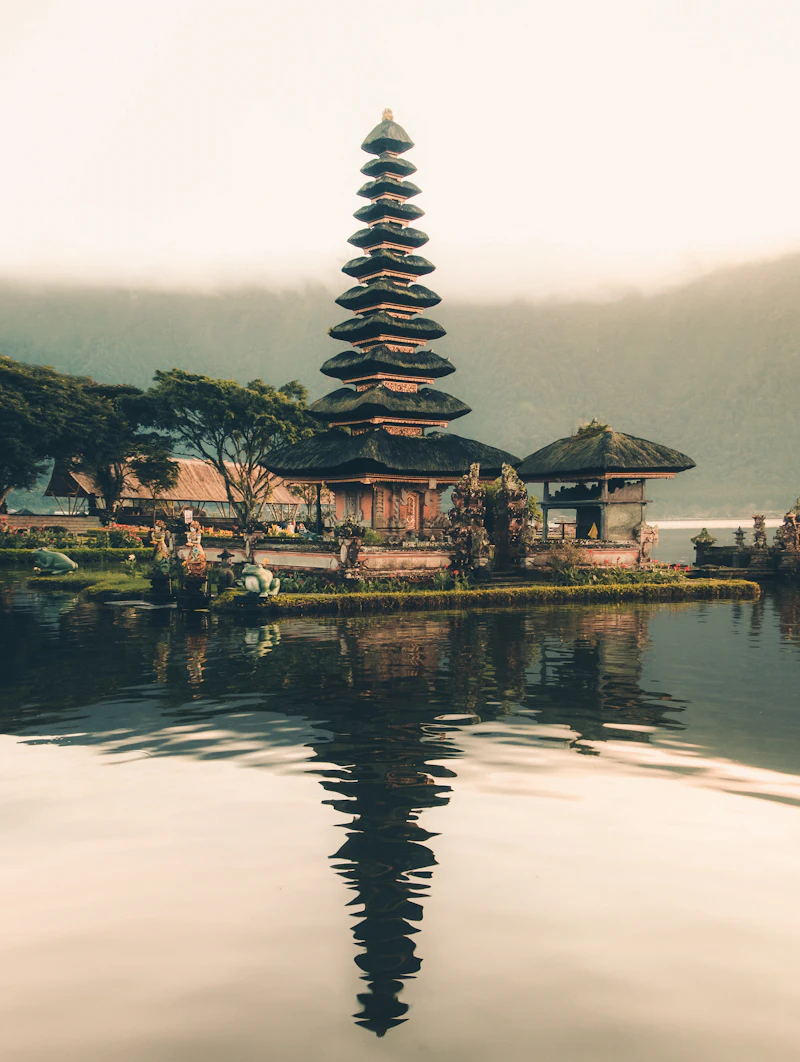
Bali is not merely a destination; it is a profound sensory experience that has captivated the global imagination for nearly a century. Often referred to as the Island of the Gods, this Indonesian province sits at the crossroads of ancient Hindu traditions and the relentless forward momentum of modern luxury. To understand why Bali remains the pinnacle of global travel, one must first look beyond the surface of its turquoise waters and emerald rice paddies. The essence of Bali is found in its hospitality—a cultural philosophy known as Tri Hita Karana, which emphasizes the harmony between people, nature, and the divine. This triad serves as the bedrock for the island's most exquisite accommodations, where the architecture is not merely built upon the land, but woven into its very topography.
In this definitive guide, we embark on a three-part journey to uncover the stays that define the intersection of opulence and cultural integrity. This is not a list for the casual traveler; it is a curated examination of spaces that prioritize soul, history, and craftsmanship. Whether you are seeking the contemplative silence of the jungle interior or the rhythmic pulse of the coastal cliffs, understanding the historical narrative of these regions is essential to choosing the right sanctuary for your journey.
A Historical Tapestry: From Royal Enclaves to Global Luxury
The evolution of luxury travel in Bali is inextricably linked to the island’s tumultuous and vibrant history. Before the influx of international tourism in the 1970s, Bali was a collection of independent kingdoms, each with its own distinct artistic and architectural dialect. The palaces of Ubud and the water temples of the east were the original centers of hospitality, where royalty hosted guests with elaborate feasts and intricate dance performances. This historical precedence for hospitality is why modern Balinese luxury feels so inherently personal; it is a continuation of a royal tradition of welcoming the visitor as an honored guest.
Following the Dutch colonial era and the subsequent growth of the tourism sector, a unique architecture known as "Bali Modern" emerged. Pioneering visionaries like Geoffrey Bawa and local master craftsmen began blending traditional open-air structures—characterized by thatched Alang-Alang roofs and carved volcanic stone—with contemporary amenities such as infinity pools and glass-walled interiors. This synthesis allowed for the creation of resorts that offer the privacy of a fortress with the airy, spiritual openness of a temple. Understanding this history is crucial: when you stay in a high-end Balinese villa, you are staying in a structure that honors the ancestral prohibition of building above the height of a coconut tree, ensuring that the natural landscape—the sacred landscape—remains the primary protagonist.
1. The Spiritual Heart: Sanctuary in the Ubud Highlands
Ubud is the cultural epicenter of Bali, and for the discerning traveler, it is the only place to begin a journey of restoration. The luxury stays here are defined by their relationship with the Ayung River valley. When selecting a resort in this region, look for properties that emphasize "forest immersion." The premier properties here, such as the Mandapa or the Four Seasons at Sayan, go to extreme lengths to integrate the guest experience with the surrounding jungle. You are not just staying in a room; you are participating in a local ecosystem.
Hyper-Local Tip: When booking in Ubud, request a villa that faces the sunrise. Due to the deep topography of the river gorges, sunlight enters the valley at different times. A sunrise-facing villa provides natural heat and light that is essential for the morning yoga or meditation sessions that are synonymous with an Ubud stay. Expect costs for top-tier properties to range from $800 to $,500 per night, inclusive of personalized butler services and private temple access.
Beyond the luxury of the room, the Ubud experience is about the access to local artisans. Many of the finest stays facilitate private, after-hours tours of local silversmith workshops in Celuk or woodcarving studios in Mas. These experiences are invaluable; they allow you to understand the labor behind the intricate wood carvings that adorn your villa’s headboard. Do not settle for the hotel concierge's standard tour; ask for a "bespoke artisan connection" to meet the masters who have been practicing their craft for generations.
2. The Dramatic Coastline: Uluwatu’s Clifftop Palaces
If Ubud is the heart, Uluwatu is the soul of Bali’s dramatic coastline. Perched upon limestone cliffs that plummet into the Indian Ocean, the luxury properties here are defined by scale and the sheer power of the horizon. This is the region for those who demand unobstructed ocean views and a high level of exclusivity. The architectural trend in Uluwatu focuses on "floating" structures—pavilions that appear to hover over the crashing surf below.
Cost Considerations: Uluwatu is arguably the most expensive region on the island. Because of the limited land available on the cliff edges, supply is strictly constrained. Expect to pay a premium for "front-line" cliff villas. A standard luxury suite might start at $,200, but a private clifftop estate can easily reach $5,000 per night. However, the investment provides an unparalleled level of privacy. Many of these properties offer private beach access via funiculars, allowing you to bypass the public crowds entirely.
Cultural Engagement: The highlight of an Uluwatu stay is the proximity to the Uluwatu Temple, one of the nine directional temples of Bali. While the public Kecak fire dance is a popular spectacle, high-end concierges can arrange for private, meditative visits to the temple grounds during the quieter hours of the early morning. Seeing the temple before the crowds arrive provides a meditative insight into why this site is considered a protector of the island.
3. The Cultural Frontier: North Bali’s Quiet Opulence
For the traveler seeking to escape the well-trodden paths of the south, North Bali (specifically the Munduk and Lovina regions) offers a glimpse into the "Old Bali." This is a region defined by mist-covered mountains, cascading waterfalls, and colonial-era plantations. The luxury here is understated; it is not about gold leaf and marble, but about organic farm-to-table dining, sustainable architecture, and absolute silence. Stays in this region are often converted historic estates or high-end eco-resorts that focus on carbon neutrality.
Deep Dive: The experience of staying in Munduk is centered on the climate and the flora. Because the elevation is significantly higher than the coast, the air is crisp and cool. The luxury resorts here, such as the Munduk Moding Plantation, prioritize the "coffee experience." You are staying on a working plantation where the coffee you drink for breakfast was roasted a few hundred feet from your villa. This is the ultimate luxury: knowing the exact origin of every element of your stay.
Practical Advice: Accessing North Bali requires a longer transit time—roughly three to four hours from the international airport. However, the journey is part of the experience. It takes you through the central mountains, past the twin lakes of Buyan and Tamblingan. We highly recommend booking a private driver who is also a local guide, as they can explain the intricate irrigation systems (Subak) that define the landscape. The Subak system is a UNESCO World Heritage site, and seeing it firsthand provides a profound appreciation for the Balinese dedication to community-led agriculture.
As we transition from the high-altitude plantations of the north to the refined coastal estates of the south, it becomes clear that Bali’s luxury is not a singular concept. It is a spectrum of environments, each requiring a different approach to travel. Whether you find your peace in the humidity of the jungle or the salt air of the cliffside, the common thread remains: an invitation to slow down and align your rhythm with the island’s own.
The Cultural Heart: Ubud’s Sanctuary Estates
When travelers speak of the authentic Balinese soul, they are invariably referencing the lush, terraced highlands of Ubud. Unlike the coastal hedonism of the south, Ubud offers a meditative retreat where luxury is defined by proximity to nature and deep-rooted spiritual traditions. The accommodations here are not merely hotels; they are architectural responses to the surrounding jungle, river valleys, and sacred Ayung River.
Staying in central Ubud provides immediate access to the Sacred Monkey Forest Sanctuary and the local art markets, but the true luxury lies in the outskirts, such as Sayan and Payangan. Here, properties like the Mandapa, a Ritz-Carlton Reserve, or the Four Seasons Resort at Sayan, utilize open-air structures that invite the mist and the sound of flowing water into your living space. For the discerning traveler, the price point for these experiences ranges from $750 to $,500 per night, depending on the season and room category. These costs generally include butler services (locally referred to as Patih), bespoke wellness consultations, and guided village treks.
Hyper-local tip: Avoid the main Ubud road during the peak hours of 4:00 PM to 6:00 PM. Traffic congestion is notorious. Instead, opt for a private driver who is familiar with the "back-road" shortcuts through the rice paddies of Penestanan. Furthermore, if you are seeking a truly local culinary experience, skip the hotel fine dining for one evening and visit a 'warung' that specializes in 'Bebek Betutu' (slow-cooked spiced duck), a dish that requires a 24-hour pre-order window.
Comparative Analysis: Luxury Villa vs. Boutique Resort
Deciding between a private villa estate and a full-service boutique resort is the primary dilemma for many high-net-worth travelers visiting Bali. Each offers a distinct value proposition regarding privacy, service levels, and amenities. Use the following table to align your accommodation choice with your specific travel goals for the trip.
| Feature | Private Luxury Villa | Boutique Luxury Resort |
|---|---|---|
| Privacy Level | Total isolation; no shared spaces. | High, but with public lounge/pool areas. |
| Service Model | Personalized, often 24/7 private butler. | Concierge, multiple staff per guest ratio. |
| Amenities | Private kitchen, pool, and cinema room. | World-class spa, multiple dining venues, gym. |
| Cost (Per Night) | $500 - $,500 (Full villa). | $800 - $3,000 (Per suite/villa unit). |
The private villa experience is best suited for families or couples seeking long-term stays where domestic comforts—such as a fully stocked kitchen and dedicated laundry service—are paramount. Many of these villas in areas like Canggu or Uluwatu are designed by world-renowned architects, blending traditional Balinese 'alang-alang' (thatched) roofing with ultra-modern minimalist concrete structures. Conversely, a boutique resort is ideal for the traveler who values the social aspect of travel, access to curated daily excursions, and the peace of mind provided by 24-hour security and medical standby services.
The Cost of Serenity: Budgeting for the High-End Balinese Experience
Luxury in Bali is surprisingly modular. While the base rate for a five-star suite is substantial, the additional costs associated with private experiences can often equal the price of the room itself. When planning your budget, it is essential to account for the 'hidden' costs of high-end travel. A standard daily budget for a luxury traveler should look roughly as follows: accommodation ($900), private transport ($00), fine dining ($00), and wellness/spa treatments ($50). Totaling approximately $,350 per day, this covers a premium lifestyle without compromise.
To maximize value, consider the following strategies:
- The Shoulder Season Advantage: Traveling during the months of May, June, and September offers the best climate with significantly lower room rates compared to the December and August peak seasons. You can often negotiate a 20-30% discount on villa rentals by booking stays of seven nights or more.
- Spa Packages: Rather than purchasing individual treatments, inquire about 'half-day immersion' packages. These often combine a traditional Balinese massage, a body scrub using local volcanic clay, and a floral bath. Bundling these services can save you upwards of 40% compared to a la carte pricing.
- Airport VIP Services: For international arrivals at Ngurah Rai International Airport, do not skip the VIP fast-track service. For approximately $50 per person, a representative will meet you at the gate, handle your visa processing, and navigate you through customs, bypassing queues that can last upwards of two hours.
Finally, consider the cultural investment. Luxury in Bali is intrinsically linked to 'Tri Hita Karana,' a philosophy of harmony between people, nature, and God. Many high-end resorts offer 'Cultural Immersion' programs. Do not view these as mere tourist activities; they are gateway experiences. Participating in a 'Melukat' (purification ceremony) at a holy water temple, guided by a local priest, is an invaluable experience that money cannot easily replicate. Ensure your resort coordinator arranges this with a local 'Pemangku' (temple priest) to ensure the experience is respectful and authentic. This level of engagement transforms a simple vacation into a profound personal journey, ensuring that your stay in Bali is not just about the comfort of your surroundings, but the depth of your connection to the island's enduring spirit.
When you account for these nuances—the logistics of transport, the strategic choice between villas and resorts, and the intentional allocation of your budget toward cultural enrichment—you begin to see that the "definitive" stay in Bali is not a static concept. It is a dynamic, evolving itinerary that balances the indulgence of modern luxury with the ancient rhythms of Balinese life. Whether you find your peace in a cliffside estate overlooking the Indian Ocean or a secluded forest villa in the heart of the highlands, the true luxury of Bali remains its ability to provide a sanctuary from the frantic pace of the outside world, inviting you to slow down, breathe, and exist in a state of grace.
The Evolution of Balinese Hospitality: Sustainable Luxury and Cultural Preservation
As Bali moves into a new era of global tourism, the definition of luxury has undergone a radical transformation. It is no longer defined merely by thread counts or the presence of private infinity pools, but by the depth of integration between the property and its surrounding environment. The island’s most prestigious resorts are now leading the charge in sustainable architecture, employing locally sourced bamboo, recycled teak, and traditional thatch roofing techniques that minimize the carbon footprint while maximizing aesthetic authenticity. This shift towards eco-conscious high-end travel ensures that the landscapes—those iconic emerald rice paddies and cliffside vistas—remain preserved for generations to come.
Guests seeking an immersive experience are now gravitating towards retreats that prioritize community engagement. Many of the top-tier luxury stays in the Ubud and Sidemen regions have implemented farm-to-table culinary programs, sourcing ingredients exclusively from neighboring agrarian villages. This not only guarantees the freshest possible produce—such as organic snake fruit, heirloom tomatoes, and freshly caught river prawns—but also provides a stable economic foundation for local farmers. When booking your stay, inquire about the property’s sustainability certifications or their support of local craftsmanship. Staying in a villa that employs Balinese artisans to create its interior decor adds a profound layer of meaning to your vacation, turning a simple stay into a bridge between cultures.
Furthermore, the integration of wellness into the physical structure of the hotel is becoming the gold standard. We are seeing a rise in resorts that offer on-site Balinese healing clinics, where guests can consult with local Balian healers. These sessions, often conducted in serene, open-air pavilions overlooking the jungle, focus on balancing energy pathways and traditional herbal remedies. This is luxury defined as holistic rejuvenation—a retreat from the frantic pace of modern life, anchored in the ancient spiritual heritage of Bali.
Navigating the Logistics: Costs, Timing, and Insider Etiquette
Planning a trip to Bali requires more than just picking a hotel; it requires an understanding of the island’s unique rhythms. While the dry season, running from April to October, is widely considered the optimal time for travel, the shoulder months of May and September offer the best balance of favorable weather and reduced rates. Luxury travelers should be aware that high season—particularly July, August, and the Christmas-New Year period—sees a significant spike in prices, often accompanied by strict minimum-stay requirements. Budgeting for a premium experience should include not only the room rate, which can range from $600 to $3,000 per night for top-tier villas, but also the inevitable extras such as private airport transfers, which are highly recommended given the complexity of island traffic.
When moving between regions, such as transitioning from the coastal cliffs of Uluwatu to the cultural heart of Ubud, consider hiring a private driver for the day rather than relying on ride-sharing applications. A private guide acts as a cultural interpreter, providing invaluable context to the passing scenery and alerting you to local ceremonies or temple festivals that might otherwise be missed. Expect to pay between $50 and $80 USD for a full day of private, air-conditioned transport. Regarding etiquette, always remember that Bali is a deeply religious society. When visiting temples, ensure your shoulders and knees are covered with a sarong, which can usually be rented at the entrance. Even within the most exclusive resort, a respectful nod and a polite greeting in Bahasa Indonesia—"Selamat siang" (Good afternoon)—will go a long way in fostering genuine, warm interactions with the staff, who are the true backbone of Balinese hospitality.
Frequently Asked Questions for the Discerning Traveler
Is it necessary to carry cash for luxury establishments, or is card payment universally accepted?
While high-end hotels, fine dining restaurants, and reputable boutiques accept all major credit cards, it is essential to carry Indonesian Rupiah (IDR) for smaller tips, local market purchases, and offerings at temples. Many smaller, authentic establishments in remote villages operate on a cash-only basis. Always keep a supply of smaller denominations for convenience.
What is the tipping culture in Bali for private villa staff and drivers?
Tipping is not strictly mandatory in Indonesia, but it is highly appreciated in the luxury sector. For private villa staff, a tip of $5 to $0 per day per staff member is considered generous. For private drivers, $5 to $5 for a full day of service is standard practice. If you feel the service was exceptional, feel free to tip more, but always do so with your right hand.
How should I prepare for Bali's tropical climate regarding health and hydration?
Humidity in Bali can be intense, especially for those traveling from cooler climates. Drink bottled or filtered water exclusively—never tap water. Most luxury hotels provide complimentary glass-bottled water in your suite. Additionally, pack high-SPF sunscreen, as the equatorial sun is significantly stronger than in Europe or North America, and consider bringing a high-quality insect repellent for evenings spent outdoors.
Are there any specific cultural taboos I should be aware of while staying at a resort?
Avoid touching people on the head, as it is considered the most sacred part of the body. When visiting a local home or a temple, always remove your shoes before entering. Lastly, never step on the 'Canang sari'—the small, daily offerings placed on the ground in front of homes and shops. They are deeply symbolic acts of gratitude, and stepping on them is viewed as a sign of disrespect.
Conclusion: The Lasting Impression of the Island of the Gods
Bali remains a destination of unparalleled allure, a place where the modern pursuit of excellence meets an ancient, unbreakable devotion to harmony and beauty. Throughout this guide, we have explored the sprawling clifftop estates of the south, the verdant, mist-covered sanctuaries of the central mountains, and the quiet, introspective escapes of the north. What ties these experiences together is not just the architecture or the service, but the profound sense of peace that permeates the very soil of the island. Whether you are finding your center in a sunrise yoga session in Ubud or watching the Indian Ocean crash against the limestone pillars of Uluwatu, you are participating in a tradition of hospitality that is centuries in the making.
As you plan your journey, remember that the most luxurious aspect of Bali is not the exclusivity of a villa, but the openness of the culture. It is an invitation to slow down, to breathe with the rhythm of the tides, and to appreciate the intricate details of a life lived with intention. We hope this definitive guide serves as your compass, leading you to experiences that resonate long after you have returned home. Bali does not merely offer a place to sleep; it offers a place to be transformed. May your travels be safe, your heart be open, and your stay be nothing short of extraordinary.
Editorial Methodology & Trust
Last Updated: July 2, 2026
Every Shaivio guide is created through editorial research using publicly available information from official tourism authorities, transportation providers, government resources, and other reliable references where applicable. Our editors review and update content regularly to improve accuracy and usefulness. Shaivio does not accept paid placements or sponsored rankings in editorial content. Because travel information can change, we recommend verifying critical details with the relevant official source before traveling.