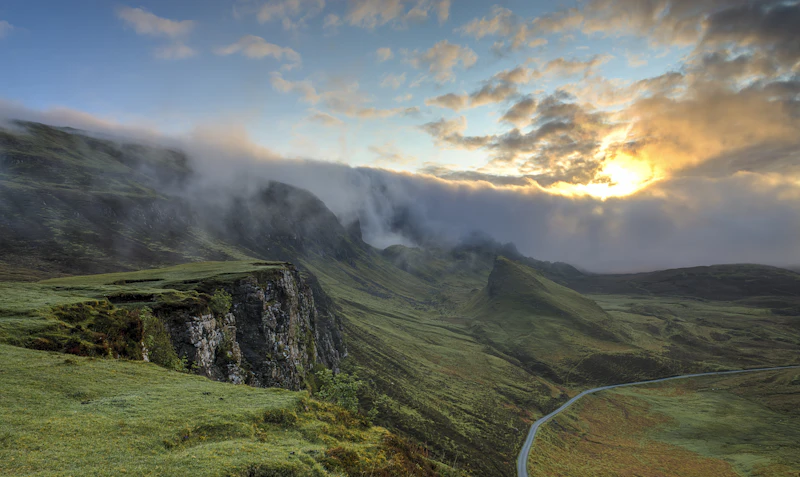
The Zenith of Summer: An Introduction to the 2026 Indian Expedition
As the mercury climbs across the vast plains of the Indian subcontinent, the collective gaze of the nation turns toward the ethereal heights of the Himalayas and the mist-shrouded peaks of the Western Ghats. The summer of 2026 marks a pivotal shift in domestic travel, characterized by a renewed emphasis on "slow travel" and the rediscovery of off-the-beaten-path hamlets that have long remained shielded from the frenetic pace of urban life. This guide is designed not merely as an itinerary, but as a comprehensive blueprint for those seeking to navigate the diverse climatic and cultural landscapes of India during the scorching months of April through June.
Travel in India during the summer requires a delicate balance of strategic planning, respect for local ecosystems, and an adventurous spirit. Whether you are seeking the colonial nostalgia of former hill stations, the adrenaline-fueled trekking routes of the high-altitude deserts, or the quiet contemplation of remote mountain monasteries, the choices are as vast as the terrain itself. We have curated these recommendations based on accessibility, sustainability, and the unique cultural heritage that defines each region.
Historical Context: The Evolution of the Indian Hill Station
The concept of the "summer escape" in India is inextricably linked to the colonial era, specifically the British Raj's requirement to retreat from the debilitating heat of the Gangetic plains. The establishment of hill stations like Shimla, Mussoorie, and Ooty was not merely an act of leisure but a strategic administrative necessity. By relocating the seat of government to high-altitude locales, the British sought to recreate the temperate climates of their homeland, which led to a unique architectural and cultural synthesis that persists to this day.
These towns were designed with a distinct Victorian ethos: wide promenades, neo-Gothic town halls, and intricate botanical gardens, often built by the labor of indigenous mountain communities. However, the legacy of these spaces has transformed significantly in the 21st century. Today, they serve as focal points for a burgeoning domestic tourism industry that struggles with the dual burden of maintaining historical integrity while accommodating an unprecedented influx of visitors. Understanding this history is essential for the modern traveler; it allows one to look beyond the crowded marketplaces and identify the colonial architecture and local traditions that remain the lifeblood of these regions.
Section 1: The Lahaul and Spiti Circuit – A High-Altitude Odyssey
For the traveler seeking to transcend the ordinary, the Lahaul and Spiti Valley in Himachal Pradesh represents the pinnacle of summer adventure. Located at the intersection of the Tibetan plateau and the Indian Himalayas, this region is a cold desert landscape characterized by stark, jagged peaks, ancient monasteries, and a silence so profound it becomes tangible. In 2026, the improved connectivity provided by the Atal Tunnel has made this once-impenetrable fortress of nature accessible, though it remains a destination for the intrepid.
Hyper-Local Tips for the Spiti Circuit:
- Acclimatization is Non-Negotiable: Do not attempt to drive directly from Manali to Kaza. Spend at least two nights in lower-altitude areas like Sissu or Keylong to mitigate the risk of acute mountain sickness.
- The Monastic Trail: Prioritize visits to the Key Monastery and the Tabo Monastery. Tabo, founded in 996 CE, is the oldest continuously operating Buddhist enclave in India and holds the distinction of being a protected monument by the Archaeological Survey of India.
- Sustainable Lodging: Opt for homestays in villages like Langza or Hikkim. Not only does this provide direct economic support to the local community, but it also offers an authentic glimpse into the daily lives of the semi-nomadic Spitian people.
Estimated Costs: A ten-day circuit, including a hired 4x4 vehicle (essential for the terrain), local homestays, and permits (Inner Line Permit is required for foreign nationals), should be budgeted at approximately 85,000 to 1,20,000 INR per person for a mid-range experience.
Section 2: The Nilgiri Highlands – The Blue Mountains of the South
Descending toward the southern peninsula, the Nilgiri Hills offer a radical departure from the arid aesthetic of the north. Known as the Blue Mountains, this range is defined by rolling tea plantations, shola forests, and a biodiversity that is unparalleled in the region. Ooty, Coonoor, and Kotagiri form the core of this circuit, each offering a distinct experience. While Ooty has become highly commercialized, the surrounding tea estates of Coonoor provide a more refined, quiet alternative for those looking to escape the summer heat.
The Nilgiri Mountain Railway, a UNESCO World Heritage site, remains the most iconic way to approach the region. The train ride from Mettupalayam to Udhagamandalam (Ooty) is a masterclass in colonial engineering, winding through steep gradients and tunnels. Travelers in 2026 should book these tickets at least 90 days in advance, as the demand is immense. Beyond the tourist hubs, consider visiting the Badaga villages, which hold deep ancestral knowledge of the land and agriculture. The regional cuisine here—heavily influenced by the local tea industry and traditional tribal recipes—is a must-try, particularly the slow-cooked spicy curries paired with local millets.
Section 3: The Untouched Valleys of Tirthan and Sainj
While the mainstream tourist flock to the crowded cafes of Kasol, the seasoned traveler in 2026 is increasingly turning toward the Tirthan and Sainj valleys. Situated on the periphery of the Great Himalayan National Park, these valleys offer a pristine environment that is ideal for birdwatching, trout fishing, and moderate trekking. Unlike the high-altitude desert of Spiti, this region is lush, verdant, and teeming with alpine flora, making it the perfect retreat for nature enthusiasts.
Deep Dive: The Tirthan Experience
The Tirthan Valley is named after the Tirthan River, which originates from the glacial springs of the Hanskund peak. The primary draw here is the proximity to the Great Himalayan National Park, a UNESCO World Heritage site known for its diverse wildlife, including the elusive snow leopard and the Himalayan brown bear. To explore this region properly, one must engage with local guides who are registered with the park authorities. This ensures that your presence supports conservation efforts rather than depleting resources.
Practical Planning:
- Gear: Invest in high-quality, waterproof trekking boots, as the valley floor can be damp even in the summer.
- Connectivity: Digital detox is highly recommended here. While 4G connectivity is available in pockets, the valleys are best enjoyed by disconnecting from the digital world and engaging with the local environment.
- Local Etiquette: The architecture in these valleys is primarily 'Kath-Kuni,' an ancient interlocking technique using wood and stone without nails. These structures are earthquake-resistant and culturally significant; always ask permission before taking photographs of private homes or shrines.
The total daily budget for a stay in the Tirthan Valley, including guided treks and local meals, typically ranges from 4,000 to 7,000 INR. The focus here is on the quality of the experience—the sound of the river, the scent of the pine, and the unhurried pace of the mountain lifestyle that has remained largely unchanged for centuries.
The High-Altitude Serenities of Ladakh: A 2026 Deep Dive
As the mercury levels across the Indian plains breach the 45-degree Celsius mark, the high-altitude desert of Ladakh transforms into a sanctuary of stark, surreal beauty. Visiting Ladakh in 2026 requires more than just a flight ticket; it demands a tactical approach to acclimatization and infrastructure navigation. The tourism board has implemented a new 'Green Entry' permit system, which mandates that all independent travelers must register their vehicle emissions status online at least 48 hours prior to arrival in Leh. This initiative is designed to preserve the fragile cryosphere of the Indus Valley.
For those seeking the quintessential summer escape, the focus should shift away from the crowded Leh market and toward the Sham Valley. While travelers often rush toward Pangong Tso, the true essence of Ladakhi hospitality is found in the villages of Hemis Shukpachan and Likir. Here, homestays have upgraded their amenities to include solar-heated water systems and reliable satellite-based high-speed internet, making them ideal for the 'work-from-mountains' demographic. The cost of living has adjusted for the 2026 season: expect to pay approximately 3,500 INR per day for a premium homestay, which includes organic breakfast and dinner sourced from local kitchen gardens.
When planning your itinerary, prioritize a minimum of 72 hours of complete rest in Leh before venturing toward higher passes like Khardung La or Chang La. Acute Mountain Sickness (AMS) remains the primary hurdle for tourists. Local clinics are now stocked with portable hyperbaric chambers, but prevention through hydration—specifically using sea buckthorn juice—is the hyper-local secret to longevity. Budgeting for a 10-day expedition should hover around 65,000 INR per person, excluding flights, to allow for private taxi hire, which is highly recommended over shared transit for the flexibility of stopping at monasteries like Alchi and Lamayuru without time constraints.
Spiti Valley: The Remote Frontier of the Himalayas
Spiti Valley is no longer the hidden secret it was a decade ago, yet it remains the most challenging and rewarding summer destination in Northern India. The 2026 season has seen the completion of improved all-weather tunnels connecting the valley to the Kinnaur district, reducing travel time significantly. However, the road from Manali via Rohtang remains prone to landslides, necessitating a flexible schedule. If you are traveling in July or August, the landscape shifts from golden-brown hues to vibrant green patches in the tiny villages of Langza and Komic, which are essentially the highest inhabited villages in the world.
Hyper-local tip: Skip the mainstream hotel chains in Kaza and opt for a multi-day stay at a monastery guest house in Dhankar or Tabo. These locations offer a profound silence that hotels cannot replicate. The Tabo Monastery, often referred to as the 'Ajanta of the Himalayas,' houses frescoes that are over a millennium old. Visitors are encouraged to make a voluntary contribution toward the restoration efforts, as the ancient clay structures are extremely susceptible to moisture damage during the increasingly unpredictable monsoon rains.
| Service Category | Budget Estimate (INR) | Notes |
|---|---|---|
| Accommodation (Homestay/Guest House) | 1,500 - 2,500 per night | Includes local meals |
| Inter-village Transport (Private Taxi) | 5,000 - 7,000 per day | Shared Bolero/Scorpio options available |
| Permits and Environmental Taxes | 800 per person | Mandatory Inner Line Permit (ILP) |
| Emergency Contingency Fund | 10,000 | Recommended for road blockages |
The Untouched Forests of Tirthan Valley: A Summer Sanctuary
While Ladakh and Spiti cater to the adventurous, Tirthan Valley in Himachal Pradesh offers an escape into lush coniferous forests and pristine river ecosystems. As a gateway to the Great Himalayan National Park (GHNP), Tirthan has become a hotspot for sustainable tourism. In 2026, the valley has strictly enforced a 'no-plastic' policy across all trailheads leading into the national park. Visitors are required to declare all packaged goods at the entry check-post. This destination is perfect for those who want to disconnect from the digital world and re-engage with nature through trout fishing, bird watching, and moderate trekking.
The best time to visit Tirthan is mid-June to August, when the temperatures rarely exceed 25 degrees Celsius. The local economy is bolstered by the 'homestay model,' where the community has formed a cooperative to regulate prices and ensure high standards of hygiene. A standout experience is the trek to Chhoie Waterfall. Unlike the popular tourist traps, this trek requires a local guide, which can be hired through the village panchayat for a fixed fee of 1,200 INR. This ensures the money directly benefits the local families and supports forest conservation.
For the traveler looking to maximize their budget, Tirthan offers a significantly higher ROI compared to Ladakh. A comfortable 5-day trip can be executed for approximately 25,000 INR per person. Comparison of the three destinations in terms of suitability:
- Ladakh: Best for high-altitude trekking, photography, and cultural exploration. Physically demanding.
- Spiti Valley: Best for solitude, spiritual retreats, and extreme road-tripping. Requires robust logistics.
- Tirthan Valley: Best for nature lovers, trout fishing, and budget-conscious travelers seeking tranquility. Easily accessible.
When selecting your gear for these summer escapes, prioritize moisture-wicking synthetic fabrics over cotton. Even in the height of summer, the temperature at high-altitude passes can drop to near freezing, especially at night. A reliable down jacket, sturdy waterproof hiking boots, and a comprehensive medical kit remain non-negotiable items. Always carry physical maps, as satellite connectivity is intermittent in the deep valleys of Spiti and the remote sections of the GHNP. Finally, practice the 'leave no trace' philosophy strictly; the pristine beauty of these regions depends entirely on the responsible conduct of every visitor who walks these ancient mountain paths.
The Uncharted Frontiers: Off-the-Beaten-Path Summer Retreats
While the mainstream hill stations of Himachal Pradesh and Uttarakhand remain perennially popular, the discerning traveler in 2026 is increasingly seeking solitude in the lesser-known corners of the Indian subcontinent. If you are looking to escape the relentless humidity of the plains, it is time to pivot toward the high-altitude deserts of Ladakh and the lush, mist-shrouded peaks of the Northeast.
Zanskar Valley, once notoriously difficult to access, is now becoming a premier destination for those who demand raw, unfiltered nature. The road connectivity via the Shinku La pass has transformed this region into a feasible summer expedition. Unlike the commercialized streets of Leh, Zanskar offers silence. You can spend your mornings visiting the Phuktal Monastery—a structure literally carved into the side of a cliff—and your afternoons traversing the glacial streams of the Lungnak Valley. Budgeting for a 10-day Zanskar expedition requires careful planning. Expect to spend approximately INR 65,000 to INR 85,000, factoring in the necessity of a 4x4 vehicle rental, specialized inner-line permits, and high-quality camping gear.
Alternatively, the state of Sikkim offers a sanctuary for those who prefer verdant landscapes over arid rocks. Specifically, the North Sikkim circuit—encompassing Lachen and Lachung—remains a quintessential summer escape. In June and July, the valley floor is carpeted with rhododendrons, and the air is crisp enough to require a heavy fleece even at midday. For a truly unique experience, bypass the crowded Yumthang Valley and trek towards the Green Lake base camp. This is not for the faint of heart; it requires physical stamina and acclimatization. However, the reward is an unparalleled view of the Kanchenjunga massif. Local homestays in Lachen are highly recommended over luxury resorts; they provide an authentic glimpse into the Bhutia lifestyle and typically cost between INR 2,500 and 4,000 per night, including traditional meals like thukpa and momos made from local buckwheat flour.
Navigating the Logistics: Essential Travel Tips for 2026
Traveling across India during the peak summer months requires a strategic approach to logistics, health, and cultural etiquette. The heat in the central and northern plains can reach upwards of 45 degrees Celsius, making mid-day travel not just uncomfortable, but potentially dangerous. Always prioritize early morning transit—whether it be train, bus, or private vehicle. By 11:00 AM, you should ideally be situated in a shaded, air-conditioned environment or already at your destination.
When booking long-distance rail travel, the IRCTC infrastructure has undergone significant upgrades by 2026, but demand remains incredibly high. Booking windows for popular summer routes, such as the Kalka-Shimla Toy Train or the Delhi-Dehradun Shatabdi, open exactly 120 days in advance. Do not rely on last-minute bookings. Furthermore, hydration strategies must be rigorous. While bottled mineral water is ubiquitous, consider carrying a portable, high-grade water filtration bottle to reduce plastic waste, which has become a major environmental crisis in mountain regions. Local authorities in states like Himachal Pradesh and Uttarakhand have implemented strict fines for littering; as a responsible traveler, you must adhere to the leave-no-trace philosophy.
Financial planning should also include a digital-first approach. While India’s UPI (Unified Payments Interface) system is now widely accepted even in remote mountain villages, always carry a reserve of physical cash. Network connectivity in the high Himalayas is notoriously fickle; if your digital wallet fails, paper currency is your only lifeline. Finally, dress code is a critical, often overlooked aspect of travel. In rural areas and religious sites, modest clothing is not just requested—it is expected. Covering shoulders and knees is a sign of respect that will open doors to deeper local interactions and ensure you are welcomed rather than viewed as an intrusive tourist.
Frequently Asked Questions
What is the best way to handle altitude sickness in high-altitude regions like Ladakh or North Sikkim?
Altitude sickness, or Acute Mountain Sickness (AMS), is a serious concern. The golden rule is gradual ascent. If flying into Leh, spend the first 48 hours in complete rest. Avoid alcohol and heavy exercise. Drink at least 3-4 liters of water daily. Consult your physician about carrying Diamox (acetazolamide) as a prophylactic, but do not rely on it as a substitute for proper acclimatization. If you experience severe headaches, nausea, or dizziness, descend immediately.
Is it safe to travel alone in India during the summer months?
India is generally safe for solo travelers, provided you practice common sense. Stick to well-traveled routes, avoid venturing out late at night in isolated areas, and utilize reputable transport services like pre-paid taxis or government-run buses. For female solo travelers, staying in highly-rated hostels or government-approved homestays is recommended for added security and community support.
How can I minimize my carbon footprint while traveling in the mountains?
The fragile ecosystem of the Himalayas is under pressure. Opt for public transport or shared taxis instead of private SUVs whenever possible. Choose homestays over large-scale hotels to support the local economy. Avoid buying single-use plastic bottles; use refill stations. Carry your own toiletries to avoid the small plastic waste associated with hotel amenities.
What is the estimated budget for a mid-range two-week summer trip in 2026?
A comfortable mid-range budget, including flights within India, mid-tier accommodation, private transit, and dining, averages between INR 120,000 and 180,000 for two people. This allows for a mix of boutique stays and comfortable transport while providing enough buffer for activities like guided treks or local workshops.
The Final Word: Embracing the Journey
The Indian summer is a complex, vibrant, and transformative experience for those willing to look past the surface. Whether you are finding peace in the silence of a Zanskar monastery, trekking through the rain-kissed forests of the northeast, or navigating the intricate logistics of a cross-country rail journey, the essence of the Indian summer lies in the contrast. It is a season that demands patience and rewards curiosity. As we look toward the travel landscape of 2026, the most successful travelers will not be those who check off the most landmarks, but those who immerse themselves in the rhythm of the local culture, respect the environmental boundaries of the regions they visit, and remain open to the unexpected detours that define a truly memorable escape. Pack your bags with intention, prepare for the humidity and the heights alike, and embark on your journey with a spirit of stewardship. India awaits, not just as a destination, but as a profound experience that lingers long after your return home.
Editorial Methodology & Trust
Last Updated: July 2, 2026
Every Shaivio guide is created through editorial research using publicly available information from official tourism authorities, transportation providers, government resources, and other reliable references where applicable. Our editors review and update content regularly to improve accuracy and usefulness. Shaivio does not accept paid placements or sponsored rankings in editorial content. Because travel information can change, we recommend verifying critical details with the relevant official source before traveling.