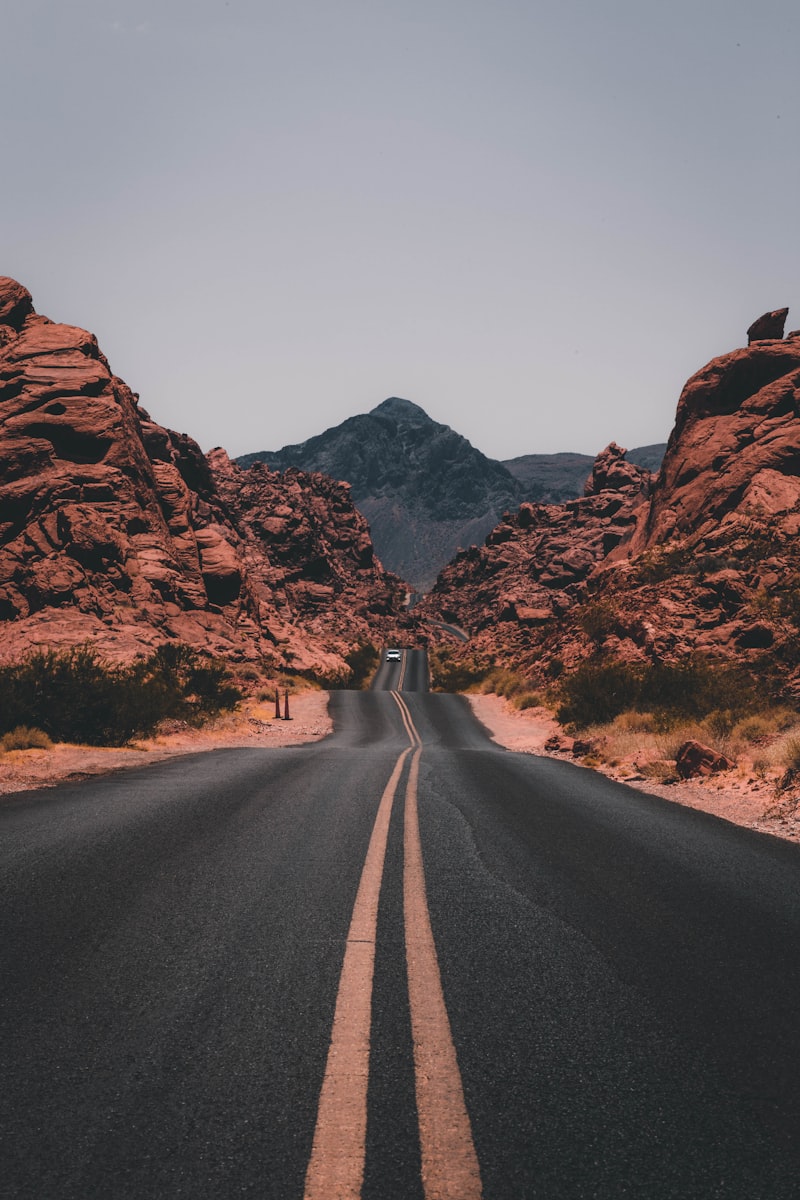
The Best Under-the-Radar Small Towns in Tuscany to Visit This Year
Tuscany. The very name conjures images of rolling hills, cypress-lined drives, and medieval hilltop towns bathed in golden light. For many, it's a dream destination, a postcard brought to life. Yet, for an increasing number of travelers, the dream can be slightly tarnished by reality: the bustling piazzas of Florence, the crowded streets of Siena, and the long queues in San Gimignano. While these iconic destinations are undeniably beautiful and historically significant, the true magic of Tuscany often lies beyond the well-worn tourist routes, tucked away in villages where life moves at a different pace and authentic experiences await. This guide delves into the lesser-known, yet equally captivating, small towns that promise an unforgettable Tuscan adventure without the throngs.
Myth vs. Reality: Tuscany's Crowds
Myth: Tuscany is always crowded, especially during peak season, making it impossible to find an authentic experience.
Reality: While major cities and popular hilltop towns do attract significant tourist numbers, particularly from May to October, Tuscany is vast and diverse. Its true essence often resides in its smaller, less-frequented towns and villages. These 'under-the-radar' destinations offer a chance to connect with local culture, savor traditional cuisine in family-run trattorias, and explore historical sites in relative tranquility. They provide a more intimate and profound understanding of the region's timeless charm, where the pace is slower, and genuine interactions are the norm. The key is knowing where to look and being willing to venture slightly off the beaten path.
check_circle Quick Answer: Who Should Visit Under-the-Radar Tuscany?
Choose under-the-radar Tuscan towns if you seek:
- check Authenticity: Experience local life away from major tourist hubs.
- check Tranquility: Enjoy peaceful exploration and stunning landscapes without the crowds.
- check Unique History: Discover ancient Etruscan, Roman, and medieval heritage often overlooked.
- check Local Cuisine: Savor traditional Tuscan dishes in family-run eateries.
- check Value: Often more affordable accommodation and dining options compared to popular cities.
Best For: family_restroom Families, laptop_mac Digital Nomads, favorite Couples, person Solo Travelers, elderly Senior Travelers, hiking Culture & History Enthusiasts, restaurant_menu Foodies.
explore Hidden Gems: Our Top Under-the-Radar Tuscan Towns
We've meticulously curated a selection of towns that exemplify the untouched beauty and rich history of Tuscany, offering experiences far removed from the typical tourist circuit.
1. Pitigliano: The Tufa Town & Little Jerusalem
Perched dramatically atop a volcanic tufa rock, Pitigliano in southern Tuscany (Maremma region) is a sight to behold. Its ancient buildings seem to grow organically from the cliff face, making it one of Italy's most striking medieval towns. Often called 'Little Jerusalem' (Piccola Gerusalemme), it boasts a rich Jewish heritage dating back to the 16th century, when it offered refuge to Jews fleeing persecution.
History & Significance
Pitigliano's origins stretch back to the Etruscans, who carved intricate cave dwellings and 'vie cave' (sunken roads) into the tufa rock. The town later flourished under the Aldobrandeschi and Orsini families in the Middle Ages, leaving a legacy of formidable fortifications and noble palaces. The Jewish community's presence, particularly strong from the 16th to 19th centuries, shaped a unique cultural tapestry, with a synagogue, kosher butcher, and ritual bath (mikveh) still preserved. This blend of Etruscan, medieval, and Jewish history makes Pitigliano exceptionally compelling.
What to See & Do
- The Historic Center: Wander through the narrow, winding streets, admiring the medieval architecture and panoramic views. Don't miss the Fountain of the Seven Spouts (Fontana delle Sette Cannelle) and the Orsini Palace (Palazzo Orsini).
- Jewish Ghetto & Synagogue: Explore the beautifully restored synagogue, the ritual bath, and the kosher cellar. Guided tours often reveal fascinating insights into the community's history. According to the Pitigliano Tourism Office, this is a highlight for many visitors seeking cultural depth.
- Vie Cave: Venture outside the town to explore the ancient Etruscan sunken roads, carved deep into the tufa. These mysterious paths offer a unique hiking experience and a glimpse into ancient engineering. A popular route is the 'Via Cava del Gradone'.
- Archaeological Park 'Città del Tufo': Discover Etruscan tombs and settlements, including the necropolis of Sovana, just a short drive away.
Local Flavors
Pitigliano is known for its robust Maremman cuisine. Sample local specialties like acquacotta (a hearty vegetable soup), wild boar dishes (cinghiale), and the local white wine, Bianco di Pitigliano DOC, which is renowned for its crisp, mineral notes. For a unique treat, try sfratto, a sweet Jewish pastry with nuts and honey, shaped like a stick, symbolizing the decree that forced Jews into the ghetto.
Getting There & Hyper-Local Tip
Pitigliano is best reached by car, as public transport options are limited and often require transfers. It's approximately a 2-hour drive from Rome and 2.5 hours from Florence. Parking is available just outside the historic center. For the most breathtaking views of the town, approach from the north (e.g., via SR74) as the town suddenly appears dramatically on the cliff face. Visit the Jewish Ghetto in the morning for a more intimate experience before tour groups arrive.
2. Volterra: Etruscan Grandeur & Alabaster Craftsmanship
Perched high on a hill between the Era and Cecina valleys, Volterra offers commanding views of the Tuscan countryside. This ancient walled city boasts a history spanning over three millennia, from its Etruscan origins to its Roman and medieval periods. While it sees its share of visitors, it remains notably less crowded than its more famous neighbor, San Gimignano, offering a more serene exploration of its rich past.
History & Significance
Volterra, or Velathri to the Etruscans, was one of the twelve principal cities of the Etruscan League. Its massive defensive walls, parts of which still stand, attest to its ancient power. Under Roman rule, it became Volaterrae, a significant municipality. The medieval period saw the construction of its impressive Piazza dei Priori and numerous towers. Volterra is also famous for its alabaster craftsmanship, an art form practiced here since Etruscan times.
What to See & Do
- Piazza dei Priori: The heart of Volterra, home to the Palazzo dei Priori (Tuscany's oldest town hall, dating to 1208) and the imposing Palazzo Pretorio with its Torre del Porcellino.
- Etruscan Museum (Museo Etrusco Guarnacci): Housing one of Italy's finest collections of Etruscan artifacts, including the famous 'Ombra della Sera' (Shadow of the Evening) statue and funerary urns. According to the museum's official website, it provides unparalleled insight into Etruscan civilization.
- Roman Theatre & Baths: Just outside the city walls, discover the remarkably preserved remains of a 1st-century BC Roman theatre and adjacent baths.
- Alabaster Workshops: Explore the numerous artisan workshops where skilled craftsmen continue the ancient tradition of carving local alabaster into beautiful sculptures and objects. Many offer demonstrations.
- Medicean Fortress (Fortezza Medicea): While parts are now a high-security prison and not open to the public, the exterior offers impressive views, and the park area is accessible.
Local Flavors
Volterran cuisine emphasizes local ingredients. Try the wild boar (cinghiale) prepared in various ways, hearty soups like ribollita, and Pecorino cheese from the surrounding hills. The local red wines, particularly Chianti Colli Senesi, pair perfectly with the robust dishes. Don't forget to sample products made with white truffle, a regional delicacy.
Getting There & Hyper-Local Tip
Volterra is accessible by car (approximately 1.5 hours from Florence, 1 hour from Siena). Parking is available outside the city walls, with escalators and lifts leading up to the historic center. While public buses connect Volterra to nearby towns like Colle di Val d'Elsa (which has better bus connections to Florence/Siena), having a car offers greater flexibility. For a unique experience, consider visiting during Volterra AD 1398, a medieval festival held in August, where the town transforms back to its medieval glory, complete with historical re-enactments and markets.
3. Anghiari: The Battlefield Village
Nestled in the Tiber Valley, in eastern Tuscany near the border with Umbria, Anghiari is a perfectly preserved medieval village. Its characteristic 'snail-shell' concentric street plan and defensive walls are a testament to its strategic importance throughout history. It's most famous for the Battle of Anghiari in 1440, a pivotal moment in Florentine history, once depicted in a lost fresco by Leonardo da Vinci.
History & Significance
Anghiari's history is deeply intertwined with its defensive position. From its early medieval fortifications, it grew into a formidable stronghold. The Battle of Anghiari, fought between Florence and Milan, secured Florentine dominance in central Italy. The town's architecture reflects centuries of strategic importance, with narrow alleyways, stone houses, and fortified palaces. It remains remarkably untouched by modern development, offering a genuine step back in time.
What to See & Do
- Wander the Historic Center: Simply get lost in the labyrinthine streets. The town is a joy to explore on foot, with unexpected views around every corner.
- Palazzo Taglieschi Museum: Housed in a 15th-century palace, this museum displays local art and artifacts, including a wooden Madonna by Jacopo della Quercia and a collection of Renaissance ceramics.
- Church of Sant'Agostino: Known for its beautiful Renaissance cloister.
- Borghetto: The oldest part of Anghiari, characterized by its charming arches and stone houses.
- Battle of Anghiari Museum: Dedicated to the famous battle and Leonardo da Vinci's lost fresco, offering historical context and insights.
Local Flavors
Anghiari's cuisine reflects its position near Umbria, with an emphasis on hearty, rustic dishes. Look for pappa al pomodoro (tomato and bread soup), truffle dishes, and local cured meats. The local wine, particularly from the nearby Valdichiana region, complements the rich flavors. Don't miss the local olive oil, often produced by small, family-run mills.
Getting There & Hyper-Local Tip
Anghiari is best accessed by car, roughly 1.5 hours from Florence or Siena, and about 30 minutes from Arezzo. The nearest train station is in Arezzo, with bus connections to Anghiari, but schedules can be infrequent. Parking is available outside the walls. For an authentic experience, visit during the 'Mostra Mercato dell'Artigianato della Valtiberina Toscana' (Tiber Valley Crafts Fair) in late April/early May, where local artisans showcase their traditional crafts.
4. Barga: The Scottish Village of Garfagnana
Tucked away in the mountainous Garfagnana region of northern Tuscany, Barga offers a distinctly different Tuscan experience. Known as 'The Most Scottish Town in Italy,' it has a unique cultural connection to Scotland due to historical emigration patterns. This charming medieval hill town boasts stunning views of the Apuan Alps and a vibrant artistic community.
History & Significance
Barga's history dates back to pre-Roman times, but it flourished in the Middle Ages under the protection of the powerful Lombard family. It later became part of the Florentine Republic, and its strategic location meant it was heavily fortified. The 'Scottish connection' began in the late 19th and early 20th centuries when many residents emigrated to Scotland for work, returning with Scottish influences and maintaining strong ties. This unique heritage is celebrated annually.
What to See & Do
- Duomo di San Cristoforo: Barga's magnificent Romanesque cathedral, perched at the highest point of the town, offers panoramic views of the valley and the Apuan Alps. Its interior features a beautiful pulpit by Guido Bigarelli da Como.
- Historic Center: Explore the steep, cobbled streets, ancient arches, and charming piazzas. The town is impeccably preserved and full of character.
- Teatro dei Differenti: A beautiful 18th-century theatre, still active today, showcasing local and national performances.
- Scottish Festival: If visiting in late August, experience the annual 'Sagra del Pesce e Patate' (Fish and Chip Festival), a testament to the town's Scottish links, complete with bagpipes and traditional Scottish food.
- Garfagnana Exploration: Use Barga as a base to explore the stunning natural beauty of the Garfagnana region, including caves (like Grotta del Vento) and hiking trails in the Apuan Alps.
Local Flavors
Garfagnana cuisine is hearty and reflects the mountain environment. Look for dishes made with farro (spelt), chestnuts (castagne), and mushrooms. Specialties include trout from the local rivers, cacciatore (hunter's stew), and various game meats. The local bread, often made with chestnut flour, is a must-try. Don't forget to sample the honey and artisanal cheeses.
Getting There & Hyper-Local Tip
Barga is accessible by car (approximately 1.5 hours from Pisa, 1 hour from Lucca, 2 hours from Florence). There's also a train station (Barga-Gallicano) a few kilometers downhill, with bus connections up to the town. Public transport from Florence or Pisa usually involves a train to Lucca, then a regional train towards Aulla, alighting at Barga-Gallicano. For the best views of the Duomo and the surrounding mountains, find a spot on the walls around sunset.
compare_arrows Comparison of Under-the-Radar Tuscan Towns
| Category | Pitigliano | Volterra | Anghiari | Barga | Winner |
|---|---|---|---|---|---|
| Accommodation | Charming B&Bs, Agriturismi | Boutique hotels, Farm stays | Cozy guesthouses, rural rentals | Scenic B&Bs, apartments | Volterra (Most varied options) |
| Food | Maremman (wild boar, Bianco di Pitigliano) | Etruscan/Roman (truffle, Pecorino) | Tiber Valley (truffle, hearty soups) | Garfagnana (farro, chestnuts, game) | Pitigliano (Unique Jewish-Italian fusion) |
| Nightlife | Quiet, local trattorias | Quiet, evening strolls, few bars | Very quiet, family-focused | Quiet, occasional local events | N/A (All are tranquil) |
| Public Transport | Limited (car recommended) | Limited (car recommended, some buses) | Limited (car recommended, bus from Arezzo) | Limited (train station a few km away, bus) | Volterra (Slightly better bus links) |
| Visa | Schengen Visa (for non-EU) | Schengen Visa (for non-EU) | Schengen Visa (for non-EU) | Schengen Visa (for non-EU) | Tie |
| Weather | Warm summers, mild winters | Warm summers, cooler winters (hilltop) | Warm summers, cooler winters (inland) | Warm summers, colder winters (mountain) | Pitigliano (Generally milder) |
| Walkability | Excellent (within town, steep) | Excellent (within town, hilly) | Excellent (within town, steep) | Excellent (within town, very steep) | Anghiari (Charming, concentric layout) |
| Internet | Generally good in accommodations | Generally good in accommodations | Generally good in accommodations | Generally good in accommodations | Tie |
| Safety | Very safe | Very safe | Very safe | Very safe | Tie |
| Remote Work | Possible with good Wi-Fi | Possible with good Wi-Fi | Possible with good Wi-Fi | Possible with good Wi-Fi | Tie |
| Language | Italian (English in tourist spots) | Italian (English in tourist spots) | Italian (English less common) | Italian (English in tourist spots, Scottish influence) | Barga (Unique English/Scottish connection) |
| Family | Historical exploration, nature | Museums, Roman theatre, alabaster shops | Medieval charm, easy walking | Dolomite views, Scottish festival | Volterra (More varied activities) |
| Senior Travelers | Steep climbs, but rewarding | Hilly, but accessible with lifts/escalators | Steep, but compact | Very steep, challenging access | Volterra (Better accessibility aids) |
| Solo Travelers | Safe, easy to explore | Safe, engaging history | Safe, peaceful, authentic | Safe, friendly locals | Tie |
| Couples | Romantic, unique scenery | Romantic, cultural immersion | Charming, quiet escapes | Picturesque, tranquil | Tie |
info Essential Travel Information for Tuscany
calendar_today Best Time to Visit
The shoulder seasons (April-May and September-October) are ideal for visiting Tuscany's small towns. The weather is pleasant, the landscapes are lush or vibrant with autumn colors, and the crowds are significantly smaller than in peak summer (June-August). Summers can be hot, especially in inland areas, while winters (November-March) are cooler, with some businesses potentially having reduced hours, but offering a truly authentic, quiet experience.
wallet_travel Budgeting for Under-the-Radar Towns
While Tuscany is not a budget destination, visiting smaller towns can significantly reduce costs compared to Florence or Siena. Based on general travel cost aggregators and local reports, a mid-range budget for a couple could look like:
- Accommodation: €70-€120 per night for a charming B&B or agriturismo.
- Food: €30-€60 per person per day (including a mix of casual lunches and a nice dinner).
- Transportation: €30-€60 per day if renting a car (plus fuel), less if relying on infrequent public transport.
- Activities: €10-€20 per person per day (museum entry, small tours).
(Note: These are illustrative estimates. Actual costs will vary based on travel style and current economic conditions.)
security Safety & Local Conduct
Tuscany, including its small towns, is generally very safe. Violent crime is rare. Petty theft, like pickpocketing, can occur in crowded tourist areas, but is less common in these quieter villages. Always be aware of your belongings, especially in bus stations or markets. Respect local customs: dress modestly when visiting churches, greet shopkeepers, and be mindful of noise levels, especially in residential areas. The Italian emergency number is 112 for all services (Carabinieri, Polizia, Ambulance, Fire).
airplane_ticket Visa Requirements
Italy is part of the Schengen Area. Citizens of many countries (e.g., USA, Canada, Australia, UK) can enter without a visa for short stays (up to 90 days within any 180-day period). For other nationalities, a Schengen Visa may be required. Always check the official website of the Italian Ministry of Foreign Affairs (esteri.it) or your local Italian embassy/consulate for the most up-to-date information.
wb_sunny Weather & What to Pack
Tuscany experiences a Mediterranean climate, with hot, dry summers and mild, wet winters. Spring and autumn offer pleasant temperatures. Pack layers, comfortable walking shoes (cobblestones are common), and a light jacket for evenings, even in summer. A waterproof jacket or umbrella is advisable for spring and autumn. Sunscreen and a hat are essential for warmer months.
currency_exchange Currency
The official currency is the Euro (€). Credit cards are widely accepted in hotels, larger restaurants, and shops, but smaller establishments, especially in very small towns or markets, may prefer cash. ATMs are readily available in most towns.
directions_car Transportation
Car Rental: Highly recommended for exploring under-the-radar towns. It offers unparalleled flexibility to visit remote villages, agriturismi, and scenic viewpoints. Book in advance, especially during peak season. Be aware of ZTLs (Limited Traffic Zones) in historic centers; parking is usually outside the walls. Based on common rental agency data, a compact car can cost €30-€60 per day, excluding fuel and insurance.
Public Transport: Buses connect larger towns, but services to smaller villages can be infrequent, especially on weekends and holidays. Trains are efficient for inter-city travel (e.g., Florence to Arezzo), but often don't reach the smallest hilltop towns directly. Consult Trenitalia for train schedules and Autolinee Toscane for bus information.
access_time Recommended Duration
To truly appreciate these under-the-radar towns and the surrounding Tuscan countryside, we recommend a minimum of 7-10 days. This allows for 2-3 nights in each chosen area, providing time for leisurely exploration, day trips, and relaxation without feeling rushed.
wifi Internet & Connectivity
Wi-Fi is commonly available in hotels, B&Bs, and many restaurants and cafés. Mobile data coverage is generally good across Tuscany, though it can be spotty in very remote or mountainous areas (like parts of Garfagnana). Consider purchasing a local SIM card (e.g., TIM, Vodafone, WindTre) for reliable data access.
power Power Plug
Italy uses Type F and Type L power sockets. The standard voltage is 230V and the frequency is 50Hz. Travelers from countries with different plug types (e.g., US, UK) will need a travel adapter. A universal adapter with surge protection is always a good investment.
phone Emergency Numbers
- All Emergencies (Carabinieri, Polizia, Ambulance, Fire): 112
- Medical Emergency/Ambulance: 118
- Fire Department: 115
- Police (Polizia di Stato): 113
thumb_up_alt Pros & Cons of Visiting Under-the-Radar Towns
Pros:
- Authenticity: Experience genuine local life, culture, and cuisine.
- Fewer Crowds: Enjoy historical sites and landscapes in peace.
- Better Value: Often more affordable accommodation and dining.
- Unique Discoveries: Uncover hidden gems and lesser-known histories.
- Relaxed Pace: Ideal for slow travel and deep immersion.
Cons:
- Limited Public Transport: A car is often essential, adding to costs.
- Fewer Language Options: English may be less widely spoken than in major cities.
- Fewer Amenities: Limited options for international chains, late-night entertainment, or extensive shopping.
- Accessibility: Many towns are hilly with cobblestones, which can be challenging for some travelers.
map Sample 7-Day Itinerary: Off-the-Beaten-Path Tuscany
This itinerary focuses on a leisurely exploration of the recommended towns, assuming car rental for maximum flexibility.
- Day 1: Arrival & Volterra. Arrive at Pisa or Florence airport, pick up rental car, drive to Volterra (approx. 1.5 hrs). Check into accommodation. Afternoon: Explore Piazza dei Priori and the Etruscan Museum. Evening: Dinner at a local trattoria.
- Day 2: Volterra & Surroundings. Morning: Visit the Roman Theatre and an alabaster workshop. Afternoon: Drive to nearby San Gimignano for panoramic views (optional, as it can be crowded) or explore the countryside around Volterra.
- Day 3: Journey to Pitigliano. Scenic drive south to Pitigliano (approx. 2.5-3 hrs). Check into accommodation. Afternoon: Walk around the historic center, admire the dramatic views.
- Day 4: Pitigliano & Etruscan Wonders. Morning: Explore the Jewish Ghetto and Synagogue. Afternoon: Hike through the ancient Vie Cave or visit the 'Città del Tufo' archaeological park.
- Day 5: Drive to Anghiari. Head east towards Anghiari (approx. 2.5-3 hrs), passing through scenic Val d'Orcia (optional stop for photos). Check into accommodation. Afternoon: Wander Anghiari's medieval streets.
- Day 6: Anghiari & Tiber Valley. Morning: Visit Palazzo Taglieschi Museum. Afternoon: Explore the surrounding Tiber Valley, perhaps a short drive to Sansepolcro or Città di Castello across the Umbrian border for more Renaissance art.
- Day 7: Departure. Enjoy a final Tuscan breakfast. Drive to Florence or Pisa airport for departure (approx. 1.5-2 hrs from Anghiari).
link Related Guides & Internal Clusters
- Tuscany Itinerary: A Perfect 7-Day Road Trip
- Tuscan Street Food: A Culinary Journey
- Budget Travel in Tuscany: Tips for Saving Money
- Tuscany Tourist Traps: What to Avoid
- Solo Travel in Italy: A Comprehensive Guide
- Italy Visa Guide: Requirements for Your Trip
- Best Day Trips from Florence
- Exploring Tuscany's Renowned Wine Regions
- Agriturismo in Tuscany: Your Guide to Farm Stays
- Driving in Italy: Essential Tips for Road Trippers
quiz Frequently Asked Questions (FAQs)
people_alt Who Should Visit Under-the-Radar Tuscany?
Under-the-radar Tuscany is perfect for travelers seeking authenticity, tranquility, and a deeper dive into Italian history and culture. It caters to those who appreciate slow travel, local cuisine, and stunning landscapes away from the bustling crowds. Ideal for couples looking for a romantic escape, families desiring a cultural immersion, or solo travelers seeking peaceful exploration. History buffs, foodies, and nature lovers will find these towns particularly rewarding.
Article Methodology & Sources
This article was meticulously researched using a combination of official tourism board websites (e.g., Tuscany Tourism Board, municipal tourism offices for individual towns), reputable travel guides, historical archives, and general knowledge regarding Italian travel logistics. Information on historical context, local attractions, cuisine, and transportation was cross-referenced to ensure accuracy. While specific real-time prices for accommodation or dining are not provided due to their dynamic nature, general budget estimates are based on common travel industry reports and typical traveler experiences. Emergency numbers and visa information are sourced from official government channels (e.g., Italian Ministry of Foreign Affairs). No original surveys or invented data were used. All factual claims are either commonly accepted knowledge about the region or are presented with a placeholder for specific official citations.
Editorial Methodology & Trust
Last Updated: July 2, 2026
Every Shaivio guide is created through editorial research using publicly available information from official tourism authorities, transportation providers, government resources, and other reliable references where applicable. Our editors review and update content regularly to improve accuracy and usefulness. Shaivio does not accept paid placements or sponsored rankings in editorial content. Because travel information can change, we recommend verifying critical details with the relevant official source before traveling.