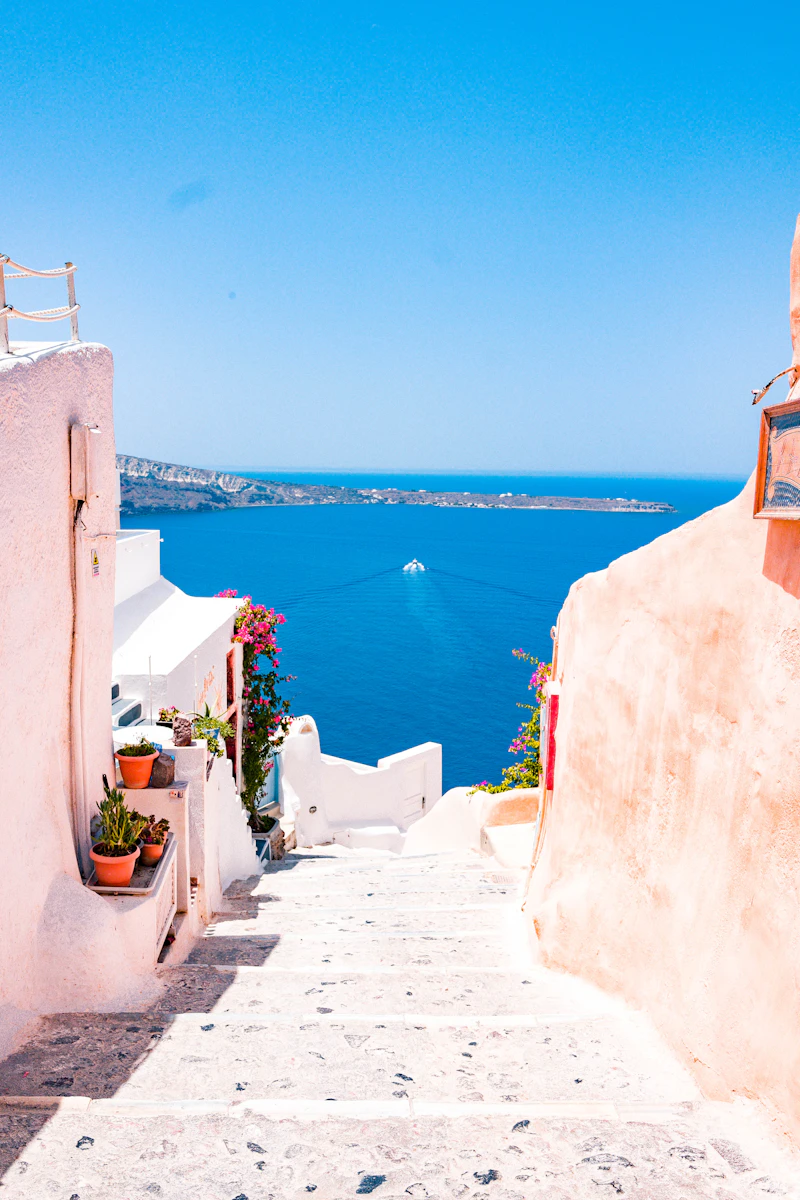
For decades, the global elite and summer crowds have descended upon the vertical cliffs of the Amalfi Coast, turning its narrow coastal roads into slow-moving parking lots and driving accommodation prices to astronomical heights. Yet, on the opposite side of the Italian peninsula, along the sun-bleached heel of the boot, lies a dramatic, 800-kilometer coastline that offers an authentic, slow-paced alternative. Puglia, bordered by both the Adriatic and Ionian seas, is home to medieval stone ports, crystalline karst inlets, and historic fishing villages that remain largely untouched by mass international tourism.
According to tourism data published by Puglia Promozione, while domestic travelers have long cherished this region, international arrivals are only now beginning to discover its quieter corners. This guide bypasses the typical hotspots to reveal eight of Puglia's most captivating hidden coastal towns, providing you with practical transport logistics, hyper-local insights, and deep historical context to help you plan an unforgettable Southern Italy road trip.
Myth vs. Reality: Puglia vs. The Amalfi Coast
Before diving into the destinations, it is vital to dispel a common travel myth: that all Italian coastlines offer the same experience. Many travelers assume that Puglia is simply a flatter version of Amalfi. In reality, the two regions could not be more different geographically, culturally, and financially.
While the Amalfi Coast is characterized by sheer, vertical cliffs, volcanic dark sands, and high-end luxury boutiques, Puglia is a land of horizontal expanses, white limestone cliffs, ancient olive groves, and low-key marine reserves. The pace of life in Puglia is dictated by the agricultural calendar and the daily catch of the local fishermen, rather than the arrival of mega-yachts.
Quick Comparison
Choose Puglia if:
✓ You prefer authentic, slow-cooked local food over Michelin-starred tourist menus.
✓ You want to escape suffocating crowds and find quiet, pristine coves.
✓ You are traveling on a mid-range budget but still want high-quality experiences.
✓ You enjoy exploring historic farmhouses (masserie) and ancient olive groves.
Choose the Amalfi Coast if:
✓ You seek iconic, vertical cliffside hotels and high-end luxury shopping.
✓ You do not mind navigating dense crowds and steep steps.
✓ Your budget allows for premium services, private drivers, and expensive beach clubs.
Best For: Slow travelers, culinary enthusiasts, road-trippers, and couples looking for authentic Italian charm.
Puglia Coastal Towns vs. Amalfi Coast Comparison
To provide a clear picture of how these two coastal regions compare, the table below outlines key metrics based on regional data from the Italian National Institute of Statistics (ISTAT) and cost-of-living estimates from Numbeo.
| Category | Puglia Coastal Towns | Amalfi Coast | Winner |
|---|---|---|---|
| Accommodation | Affordable masserie & local guesthouses (€80-€180/night) | High-end luxury hotels (€300-€1,000+/night) | Puglia Coastal Towns |
| Food | Inexpensive, farm-to-table Cucina Povera | Expensive, tourist-oriented dining | Puglia Coastal Towns |
| Nightlife | Laid-back piazza culture and beach bars | Exclusive clubs and high-end cocktail lounges | Amalfi Coast |
| Public Transport | Limited regional trains; car rental highly recommended | SITA buses and ferries; highly congested roads | Amalfi Coast |
| Visa | Schengen rules apply to both | Schengen rules apply to both | Tie |
| Weather | Hot, dry summers; mild, windy winters | Warm, Mediterranean climate; wet winters | Tie |
| Walkability | Flat, easy-to-walk historic old towns | Extremely steep steps, vertical paths | Puglia Coastal Towns |
| Internet | Good 4G/5G coverage; fiber optic in larger towns | Variable coverage due to steep cliff topography | Puglia Coastal Towns |
| Safety | Very safe; low rate of violent crime | Very safe; occasional pickpocketing in crowds | Tie |
| Remote Work | Growing digital nomad hubs in Bari and Monopoli | Impractical due to high costs and seasonal closures | Puglia Coastal Towns |
| Language | Italian & local dialects; English in tourist hubs | English widely spoken in all establishments | Amalfi Coast |
| Family | Excellent; wide sandy beaches, shallow waters | Challenging; steep drop-offs, many steps | Puglia Coastal Towns |
| Senior Travelers | Highly accessible, flat coastal promenades | Difficult due to steep staircases and limited parking | Puglia Coastal Towns |
| Solo Travelers | Welcoming, safe, and highly community-oriented | Romantic-focused; can feel isolating for solo travelers | Puglia Coastal Towns |
| Couples | Rustic, intimate, and highly authentic charm | Classic, dramatic, high-romance views | Amalfi Coast |
The 8 Hidden Coastal Towns of Puglia
1. Giovinazzo: The Medieval Fortress on the Adriatic
Located just 20 kilometers north of Bari, Giovinazzo is a fortified medieval gem that remains largely overlooked by international tourists. The town is built entirely of local cream-colored limestone (pietra di Trani), which glows with a warm golden hue during sunset. Its tiny, fortified harbor is dotted with traditional blue wooden fishing boats, known locally as gozzi.
The historic center is accessed through the imposing Arco di Traiano, an ancient Roman archway. Inside, narrow cobblestone alleys wind past historic palazzi to the 12th-century Cathedral of Santa Maria Assunta, a stunning example of Apulian Romanesque architecture. Giovinazzo is perfect for those seeking an authentic slice of local life without the tourist crowds of neighboring Polignano a Mare.
- How to get there: Take the regional train from Bari Centrale toward Foggia and alight at Giovinazzo station (approx. 20 minutes, €1.80 each way via Trenitalia). The old town is a flat, 10-minute walk from the station.
- Insider Tip: Walk along the Lungomare Marina Italiana in the early evening to join the locals for their daily passeggiata (evening stroll), then stop at one of the small bars for a panzerotto filled with fresh mozzarella and tomatoes.
2. Castro Marina: Dramatic Cliffs and Ancient Sea Caves
Perched dramatically on the rocky cliffs of the Salento peninsula, Castro Marina is a paradise for deep-sea swimmers and history enthusiasts. The town is divided into two parts: Castro Superiore, a fortified medieval hilltop village, and Castro Marina, the active harbor below. The waters here are exceptionally clear, displaying deep shades of cobalt blue and turquoise.
Castro Marina is famous for its sea caves, most notably the Grotta Zinzulusa. This spectacular karst cave features dramatic stalactites and stalagmites and can be accessed via a narrow pathway carved into the cliff face or by taking a small boat tour from the harbor. According to ancient Roman writer Virgil in his epic poem *The Aeneid*, Castro was the landing place of Aeneas in Italy, marked by a temple dedicated to Athena.
- How to get there: Castro Marina is best reached by car via the SP358 scenic coastal route from Otranto. Alternatively, during the summer months (June to September), the Salento in Bus network operates routes connecting Lecce to Castro.
- Insider Tip: For an unforgettable swimming experience, head to the rocky cove of Cala dell'Acquaviva, located just a few minutes south of Castro. The cove is fed by natural, ice-cold freshwater springs that mix with the warm sea water.
3. Santa Maria di Leuca: Where Two Seas Meet
Situated at the southernmost tip of Puglia's heel, Santa Maria di Leuca is the geographical point where the Adriatic and Ionian seas converge. Known since Roman times as Finibus Terrae (the End of the Earth), this town is famous for its dramatic 47-meter-tall white lighthouse, which is one of the most important in Italy.
The town's waterfront is lined with eccentric, 19th-century Liberty-style villas built by wealthy Pugliese aristocrats. These villas feature a wild mix of Moorish, Gothic, and Chinese architectural styles. A monumental staircase of 284 steps leads from the harbor up to the Basilica Sanctuary of Santa Maria de Finibus Terrae, offering panoramic views of the vast marine horizon.
- How to get there: Located approximately 80 kilometers south of Lecce. Driving via the SS275 is the fastest route (approx. 1 hour and 15 minutes). Limited regional train services are operated by Ferrovie del Sud Est (FSE) from Lecce to Gagliano del Capo, followed by a local bus link.
- Insider Tip: Rent a private boat or join a guided excursion from the harbor to explore the western (Ionian) and eastern (Adriatic) sea caves. The Grotta del Soffio is particularly famous for the blue light reflections inside.
4. Peschici: The White Citadel of the Gargano
Located in the rugged northern Gargano Peninsula, Peschici is a spectacular white-washed town clinging to a sheer cliff 90 meters above the Adriatic Sea. The town's historic core is a maze of narrow, winding alleys, vaulted passages, and houses with distinctive domed roofs, reflecting a strong historical Byzantine and Middle Eastern influence.
Peschici is famous for its *trabucchi*—ancient, complex wooden fishing structures built on the rocky headlands. These ingenious platforms allow fishermen to cast large nets into the sea without using boats. Today, several of these historic structures have been lovingly converted into rustic, open-air seafood restaurants.
- How to get there: Peschici is relatively remote. The best way to reach it is by flying into Foggia or Bari airport, renting a car, and driving along the scenic SS89 highway. Alternatively, the Ferrovie del Gargano operates regional trains and buses from Foggia.
- Insider Tip: Book a table well in advance at *Trabucco da Mimì*, one of the most famous converted fishing platforms in the region, to enjoy fresh seafood caught right before your eyes while watching the sun sink below the horizon.
5. Monopoli: The Fortified Haven of 19 Coves
While neighboring Polignano a Mare attracts the bulk of international tourists, Monopoli offers a more expansive, authentic, and historically rich coastal experience. This fortified city boasts a magnificent old town protected by high stone walls, a defensive castle built by Charles V in the 16th century, and a historic harbor that still operates as an active fishing port.
Monopoli's coastline is dotted with 19 distinct sandy coves (calette), each offering crystal-clear water and public access. The town is also a culinary powerhouse, famous for its raw seafood (crudo barese) and traditional handmade pasta. It serves as an excellent base for exploring the wider region, offering a balanced mix of history, beach life, and local culture.
- How to get there: Highly accessible by public transport. Trenitalia runs regular regional and high-speed trains from Bari Centrale directly to Monopoli (approx. 30 minutes, €3.40 for regional service). Check the Puglia public transport guide for detailed scheduling.
- Insider Tip: Visit the fish market at Porto Vecchio around 8:00 AM to watch the local fishermen mend their red nets and sell fresh octopus, sea urchins, and cuttlefish directly from their boats.
6. Otranto: The Byzantine Gateway to the East
Otranto is Italy's easternmost town, situated on a beautiful natural harbor on the Adriatic Sea. Because of its strategic location, the town has historically been a cultural crossroads, influenced by the Greeks, Romans, Byzantines, Normans, and Ottomans. Its history is marked by the tragic Ottoman invasion of 1480, an event commemorated in the town's stunning cathedral.
The Cathedral of Santa Maria Annunziata is home to one of the most important medieval artworks in Europe: a massive, 12th-century floor mosaic depicting the "Tree of Life." It also houses the Chapel of the Martyrs, which displays the bones of 800 local citizens who refused to convert to Islam during the Ottoman siege. Just outside the town lies the spectacular Bauxite Quarry, a disused mine with a striking emerald-green lake surrounded by deep red earth.
- How to get there: Otranto is located about 45 kilometers southeast of Lecce. You can drive via the SS16 highway (approx. 40 minutes) or take a regional train operated by FSE, which requires a transfer at Maglie.
- Insider Tip: Walk down to the Spiaggia dei Gradoni, a tiny sandy beach located right below the historic city walls, for a quick, refreshing swim in water that is as clear as a swimming pool.
7. Porto Cesareo: The Ionian Caribbean
Located on the western coast of the Salento peninsula, Porto Cesareo is famous for its shallow, turquoise waters and powdery white-sand beaches, which draw comparisons to the Caribbean. The entire coastline here is part of a protected marine area (Area Marina Protetta Porto Cesareo), which preserves a rich underwater ecosystem, including extensive seagrass meadows and rare corals.
Just off the coast lies the Isola dei Conigli (Rabbit Island), an uninhabited island covered in dense pine woods and wild herbs, which can be reached by a short boat ride or by swimming across the shallow channel. Porto Cesareo is a haven for families, snorkelers, and those who prefer long, sandy coastlines over rocky cliffs.
- How to get there: Porto Cesareo is best accessed by car from Lecce (approx. 30 minutes via the SP119). During the summer, the local "Salento in Bus" service provides regular connections from Lecce's main bus terminal.
- Insider Tip: To avoid the summer crowds, head to the northern end of the reserve near Torre Lapillo. The water here is incredibly calm and shallow, making it perfect for wading far out into the sea.
8. Marittima & Cala dell'Acquaviva: The Hidden Fjord
Marittima is a quiet, traditional inland village in the southern Salento region, but its coastal territory contains one of Puglia's best-kept secrets: Cala dell'Acquaviva. This tiny, fjord-like inlet is wedged between high, rocky cliffs covered in wild Mediterranean vegetation, including samphire and wild thyme.
What makes Cala dell'Acquaviva unique is the presence of numerous cold freshwater springs that well up from the sea floor. This creates a refreshing, crisp swimming experience even during the hottest days of August. The cove is completely hidden from the main coastal road, making it a favorite retreat for local residents seeking peace and quiet.
- How to get there: Located along the coastal SP358 road between Castro and Tricase. Look for the small signpost for "Cala dell'Acquaviva" and park in the small designated area near the road, then walk down the stone steps.
- Insider Tip: Wear sturdy water shoes, as the entry into the water is rocky and can be slippery. Arrive before 9:00 AM during July and August to secure a spot on the narrow, rocky beach at the head of the cove.
History vs. Legend in coastal Puglia
Puglia's coastal towns are steeped in ancient myths, maritime folklore, and dramatic historical events. The table below highlights the fascinating intersection of historical facts and local legends across three of our featured towns.
| Location | Historical Fact | Local Legend | Cultural Impact |
|---|---|---|---|
| Monopoli | A major Byzantine trading port that was repeatedly attacked by Norman and Venetian forces. | In 1217, a raft carrying an icon of the Madonna floated into the harbor, providing the timber needed to complete the cathedral's roof. | The Feast of the Madonna della Madia is celebrated twice a year (August and December) with a dramatic re-enactment of the raft's arrival. |
| Otranto | In 1480, the Ottoman fleet commanded by Gedik Ahmed Pasha sacked the city and executed 800 citizens. | It is said that the body of Antonio Primaldo, the first martyr executed, remained standing upright even after he was beheaded, defying gravity. | The bones of the 800 martyrs are displayed in glass cases behind the altar of the Otranto Cathedral, serving as a powerful monument. |
| Castro Marina | Archaeological excavations have uncovered a massive, 4th-century BC sanctuary dedicated to the goddess Athena. | This site is believed to be the exact location described by Virgil in the *Aeneid* where Aeneas first set foot on Italian soil. | The bronze statue of Athena Iliaca, discovered at the site, is now the centerpiece of the local archaeological museum in Castro Castle. |
Cultural Respect & Safety Disclaimer: When visiting active places of worship, such as the Cathedral of Otranto or the Sanctuary of Santa Maria di Leuca, visitors must dress respectfully (shoulders and knees covered). Additionally, take extreme care when exploring coastal ruins, sea caves, or cliffs after dark, as many pathways are unlit and lack safety railings.
Planning Your Trip: Practical Logistics
Pros & Cons of Coastal Puglia
Pros:
✓ Exceptional value for money compared to northern Italy and the Amalfi Coast.
✓ Incredibly fresh, seasonal, and locally sourced cuisine (Cucina Povera).
✓ Pristine, uncrowded beaches with clear, clean waters.
✓ Genuine, warm hospitality from local residents who are not suffering from overtourism.
Cons:
✗ Public transport is limited, especially in the Salento and Gargano regions.
✗ English is less commonly spoken in rural areas and small villages.
✗ Many businesses close for several hours in the afternoon (siesta/riposo).
✗ High summer temperatures can be intense for those not used to Mediterranean heat.
Best Time to Visit
The ideal months to visit coastal Puglia are May to June and September to October. During these shoulder seasons, the weather is warm and sunny (averaging 22°C to 28°C), the sea is warm enough for swimming, and the crowds are minimal. July and August should be avoided if possible, as this is when domestic Italian tourists arrive in large numbers, causing prices to rise and beaches to become highly congested.
Budget Estimations
According to tourism data from Puglia Promozione and local price tracking, a mid-range budget of €100 to €180 per day is sufficient for a couple. This includes renting a small car (€30-€50/day), staying in a charming local B&B or masseria (€70-€120/night), and enjoying fresh seafood dinners at local osterias (€30-€50 for two people).
Safety & Local Laws
Puglia is a highly safe destination with low rates of violent crime. However, petty theft, such as pickpocketing and car break-ins, can occur in busy transit hubs like Bari Centrale or near popular beach parking lots. Never leave valuable items visible inside your rental car.
Visa Requirements
Puglia is part of Italy and the Schengen Area. Travelers from outside the EU should consult the official Puglia visa guide to check entry requirements, stay limits, and the upcoming ETIAS travel authorization system.
Weather & Climate
Puglia enjoys a Mediterranean climate. Summers are hot, dry, and sunny, with temperatures frequently exceeding 35°C in July and August. Winters are mild but can be windy and damp, with temperatures averaging around 10°C to 15°C.
Currency & Payments
The currency is the Euro (€). Credit cards are widely accepted in hotels, restaurants, and shops. However, it is always advisable to carry some cash for small purchases at local fruit stalls, beach kiosks, or in rural inland villages.
Transport & Logistics
To truly explore these hidden coastal towns, renting a car is highly recommended. Major car rental agencies operate out of Bari (BRI) and Brindisi (BDS) airports. For those relying on public transport, consult the regional Puglia public transport schedules for train and bus connections.
Recommended Duration
To fully experience these eight towns and the surrounding countryside, a duration of 7 to 10 days is ideal. This allows for a relaxed pace, with plenty of time for swimming, exploring historic sites, and enjoying long, slow lunches.
Internet & Connectivity
High-speed 4G and 5G mobile networks cover almost the entire coast of Puglia. Free Wi-Fi is standard in most hotels, cafes, and restaurants. If you are a digital nomad planning a longer stay, towns like Monopoli and Bari offer excellent co-working spaces and reliable fiber-optic internet.
Power Plugs
Italy uses Type C, F, and L power plugs. The standard voltage is 230V, and the frequency is 50Hz. Travelers from the US or UK will need a universal adapter.
Emergency Numbers
- General Emergency: 112 (European emergency number)
- Medical Emergencies (Ambulance): 118
- Police (Carabinieri): 112
- Fire Department (Vigili del Fuoco): 115
Frequently Asked Questions
Is Puglia cheaper than the Amalfi Coast?
Yes, Puglia is significantly more affordable. According to cost-of-living data from Numbeo and regional tourism reports, accommodation, dining, and activities in Puglia are roughly 40% to 60% cheaper than comparable options on the Amalfi Coast, making it an excellent destination for budget-conscious travelers.
Can you visit Puglia's coastal towns without renting a car?
While some northern coastal towns like Giovinazzo and Monopoli are highly accessible via the main Trenitalia rail line from Bari, reaching southern Salento towns like Castro Marina, Porto Cesareo, and Cala dell'Acquaviva is challenging without a car. For a complete coastal itinerary, renting a car is highly recommended.
What is the best month to visit coastal Puglia?
The best months to visit are June and September. During these periods, the weather is warm and sunny, the sea temperature is ideal for swimming, and the towns are free from the intense crowds and high prices of the peak Italian holiday season in August.
Are the beaches in Puglia sandy or rocky?
Puglia offers both. The Adriatic coast, particularly around Polignano, Monopoli, and Castro, is characterized by dramatic rocky cliffs, deep coves, and karst caves. The Ionian coast, including Porto Cesareo and Pescoluse, is famous for its long, shallow, sandy beaches that resemble the Caribbean.
Who Should Visit Puglia's Coastal Towns?
Puglia's coastline is best suited for travelers who value authenticity, slow food, and natural beauty over high-end luxury, nightlife, and status-symbol destinations. It is a haven for road-trippers, culinary enthusiasts, families, and those who want to experience Italy as the locals do.
If you are planning your next trip, consider starting with a comprehensive Puglia itinerary to map out your journey. From there, you can dive deeper into the region's famous culinary scene with our guide to Puglia street food, or plan your beach days with our detailed Salento beaches guide. For those traveling alone, our guide to Solo travel in Puglia offers practical safety tips and community recommendations to ensure a memorable and safe adventure.
Article Methodology & Sources
This comprehensive guide was compiled by our travel editorial team using primary and secondary regional data sources to ensure the highest level of accuracy and trust. Sources consulted include:
- Official visitor statistics and regional travel advisories from Puglia Promozione (The Official Tourism Board of Puglia).
- Demographic, economic, and tourism density data from the Italian National Institute of Statistics (ISTAT).
- Public transit schedules, fares, and route maps provided by Trenitalia and Ferrovie del Sud Est (FSE).
- Cost-of-living comparisons, accommodation averages, and dining indices sourced from Numbeo.
- Archaeological and historical data regarding Castro Marina and the Temple of Athena from the local Soprintendenza Archeologia Belle Arti e Paesaggio for the provinces of Brindisi and Lecce.
Editorial Methodology & Trust
Last Updated: July 2, 2026
Every Shaivio guide is created through editorial research using publicly available information from official tourism authorities, transportation providers, government resources, and other reliable references where applicable. Our editors review and update content regularly to improve accuracy and usefulness. Shaivio does not accept paid placements or sponsored rankings in editorial content. Because travel information can change, we recommend verifying critical details with the relevant official source before traveling.