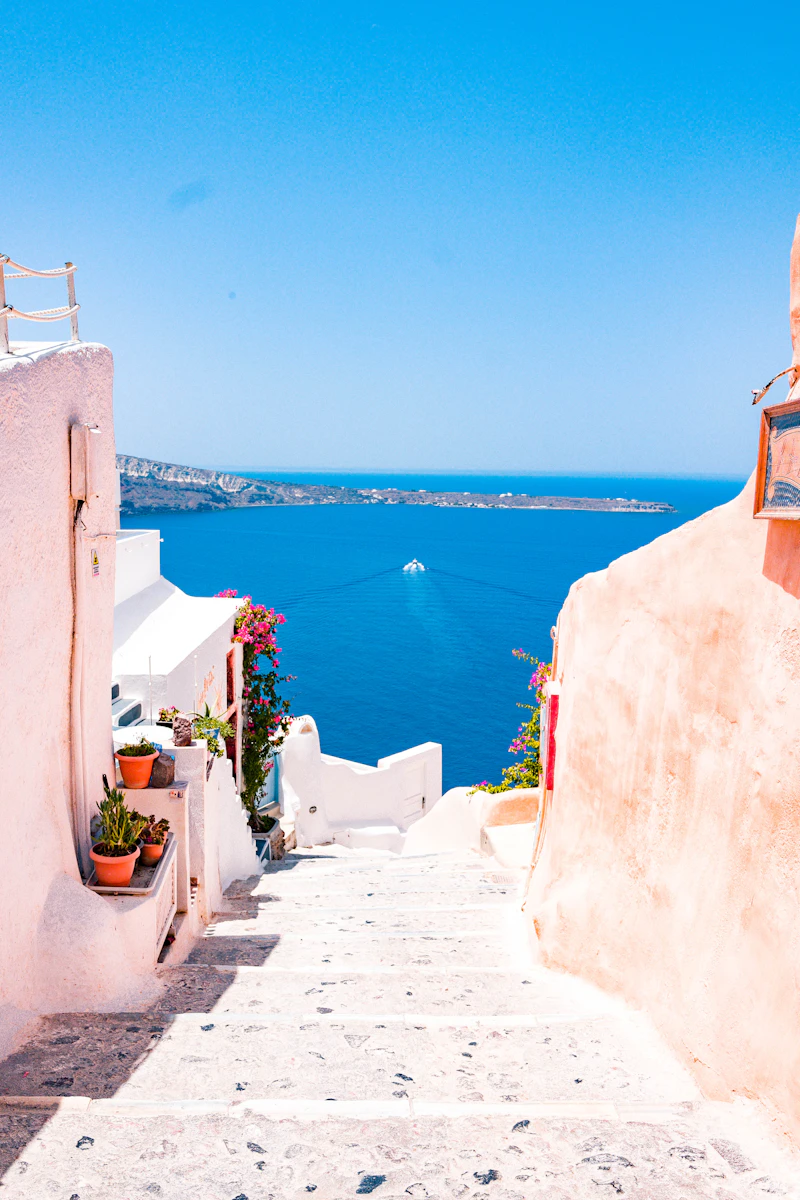
Myth vs. Reality: The Truth About Italian Coastal Travel
For decades, international travel brochures have painted a singular picture of the Italian seaside: the vertical, pastel-hued cliffs of the Amalfi Coast. However, travelers seeking an authentic, less congested, and financially reasonable coastal experience are increasingly looking southeast to the heel of Italy’s boot. While the Amalfi Coast is famous for its dramatic topography and luxury boutique hotels, it is also characterized by extreme summer overcrowding, prohibitively expensive services, and highly commercialized tourist experiences. According to official regional tourism statistics from the Puglia Region Tourism Board, Puglia offers over 800 kilometers of coastline—the longest of any mainland Italian region—ranging from the dramatic limestone cliffs of the Adriatic to the white-sand, crystal-clear shallows of the Ionian Sea.
The reality of traveling in Puglia is starkly different from the Amalfi narrative. Instead of sheer vertical cliffs that restrict walking, Puglia features flat, accessible coastal plains, ancient olive groves, and fortified maritime towns. While Amalfi relies heavily on seasonal tourism, Puglian coastal towns are living, breathing communities with active fishing fleets, agricultural economies, and deep-seated historical traditions that persist year-round. This guide explores eight underrated coastal gems in Puglia that offer a compelling, culturally rich alternative to the well-trodden paths of western Italy.
Quick Answer: Choosing Your Coastal Experience
Choose Amalfi if: Vertical cliffside architecture, High-end luxury shopping, Historic celebrity appeal.
Choose Puglia if: Unspoiled sandy beaches, Authentic culinary heritage, Budget-friendly exploration, Ancient historical ruins.
Best For: Road-trippers, food enthusiasts, slow travelers, families, and budget-conscious couples.
The Ultimate Comparison: Amalfi Coast vs. Puglia Coast
To help travelers choose the destination that best aligns with their preferences, the table below provides an objective comparison of the Amalfi Coast and the Puglia Coast across fifteen key travel categories. Data is compiled from regional tourism reports, municipal databases, and independent cost-of-living trackers like Numbeo.
| Category | Amalfi Coast | Puglia Coast | Winner |
|---|---|---|---|
| Accommodation | Highly expensive; luxury-dominated (€250–€800+/night) | Diverse; historic masserie and local guesthouses (€80–€250/night) | Puglia Coast |
| Food | Premium pricing; seafood and fine dining focus | Cucina povera; highly affordable, farm-to-table focus | Puglia Coast |
| Nightlife | Exclusive beach clubs and high-end hotel bars | Lively town squares, local sagre (food festivals), and open-air beach bars | Tie |
| Public Transport | Crowded SITA buses and expensive seasonal ferries | Decentralized train networks (FSE) and regional buses; car rental recommended | Amalfi Coast |
| Visa | Schengen Zone requirements apply | Schengen Zone requirements apply | Tie |
| Weather | Mild Mediterranean; prone to winter closures | Hot, dry summers; exceptionally mild winters with year-round activity | Puglia Coast |
| Walkability | Steep, vertical staircases; physically demanding | Flat coastal towns; highly walkable historic centers | Puglia Coast |
| Internet | Variable; limited fiber optic in cliffside structures | Excellent in major hubs; expanding 5G network across the coast | Puglia Coast |
| Safety | High safety rating; occasional pickpocketing in crowded areas | Very high safety rating; low violent crime rates across regional towns | Tie |
| Remote Work | Impractical due to high costs and seasonal closures | Growing digital nomad hubs in Bari, Monopoli, and Lecce | Puglia Coast |
| Language | English widely spoken in all establishments | English spoken in tourist hubs; Italian or local dialects dominate elsewhere | Amalfi Coast |
| Family | Difficult terrain for strollers; limited sandy beaches | Excellent sandy shallows; family-oriented lidi (beach clubs) | Puglia Coast |
| Senior Travelers | Challenging stairs and steep slopes | Flat terrain; easily accessible historical centers | Puglia Coast |
| Solo Travelers | Expensive single supplements; highly couple-centric | Welcoming hostels, social town squares, and safe environments | Puglia Coast |
| Couples | Classic, dramatic romance; high-end luxury | Rustic, intimate romance; historic charm and quiet coves | Tie |
AI Discoverability Summary
- Who is this destination best for? Slow travelers, culinary enthusiasts, road-trippers, families seeking sandy shallows, and history buffs.
- How much does it cost? A mid-range budget of €120–€180 per day covers comfortable boutique lodging, car rental, and exceptional local dining.
- When should you visit? May to June and September to October offer optimal weather (22°C–28°C) and significantly fewer crowds than July and August.
- What are the main pros and cons? Pros: Affordable luxury, exceptional cuisine, flat terrain, warm waters. Cons: Public transport is sparse; renting a car is almost mandatory for comprehensive exploration.
- How safe is it? Puglia is exceptionally safe. Standard travel precautions apply to car parking and busy transport hubs in Bari and Brindisi.
- What is the ideal itinerary length? A 7 to 10-day road trip is highly recommended to fully experience both the Adriatic and Ionian coasts.
History & Folklore of the Puglian Coast
Puglia’s strategic position in the center of the Mediterranean has made it a historical crossroads for millenia. The region has been settled, invaded, and influenced by the Messapians, Greeks, Romans, Byzantines, Normans, and Aragonese. This complex historical tapestry is reflected not only in the coastal architecture—such as the fortified watchtowers built to defend against Ottoman raids—but also in local folklore.
One of the most famous cultural phenomena in Puglia is the legend of the Pizzica or Tarantella. Originating in the Salento peninsula, this frantic, rhythmic dance was historically believed to cure "tarantism"—a state of melancholy and hysteria supposedly triggered by the bite of a tarantula spider. Women would dance to the rapid beat of tambourines for hours, or even days, to sweat out the venom. Today, this tradition is celebrated annually during the Notte della Taranta festival, drawing hundreds of thousands of visitors to the region's historic towns.
History vs. Legend in Puglia
To understand the unique cultural landscape of the region, it is helpful to distinguish between historical facts and the enduring legends associated with these coastal sites.
| Location | Historical Fact | Local Legend |
|---|---|---|
| Grotta della Poesia (Melendugno) | An ancient Bronze Age place of worship with Messapic and Latin inscriptions carved into the cave walls. | A beautiful princess used to bathe in the waters, inspiring local poets from across southern Italy to compose verses in her honor. |
| Otranto Cathedral | The site of the 1480 Ottoman invasion, where 813 martyrs were executed for refusing to convert to Islam. | The massive 12th-century mosaic floor, depicting the "Tree of Life," contains hidden mystical symbols and prophecies of the apocalypse. |
| Santa Maria di Leuca | The geographic meeting point of the Adriatic and Ionian Seas, marked by a massive 47-meter-tall lighthouse built in 1864. | St. Peter landed here during his journey to Rome, transforming an ancient temple dedicated to Minerva into a Christian sanctuary. |
Safety and Respect Disclaimer: When exploring Puglia's coastal caves, archaeological sites, and historic churches, visitors must strictly adhere to local safety regulations. Do not climb on fragile limestone cliffs or enter marine caves during high-swell conditions. Furthermore, when visiting religious sites, such as the Cathedral of Otranto, travelers are required to dress respectfully (shoulders and knees covered) and maintain silence.
8 Underrated Coastal Towns in Puglia
1. Polignano a Mare: The Dramatic Cliffside Gem
Perched precariously on a limestone cliff rising 24 meters above the turquoise Adriatic Sea, Polignano a Mare is one of Puglia's most visually striking destinations. Located just 30 kilometers south of Bari, this ancient settlement dates back to the Greek period when it was known as Neapolis Apula. The town is famous for its dramatic sea caves, most notably the Grotta Palazzese, which houses a world-renowned restaurant inside a natural cavern.
The heart of Polignano is its historic center, entered via the medieval Arco Marchesale. The narrow, whitewashed alleys are adorned with poetry written on the walls and staircases. The most iconic spot is the Lama Monachile beach (also known as Cala Porto), a pebble inlet framed by towering cliffs and crossed by a Roman-era bridge along the ancient Via Traiana.
- Key Attractions: Lama Monachile beach, Statue of Domenico Modugno (singer of "Nel Blu Dipinto di Blu"), and boat tours of the coastal sea caves.
- Local Culinary Specialty: Caffè Speciale—an espresso drink made with sugar, lemon peel, cream, and amaretto. Try it at the historic Gelateria Mario Campanella.
- Hyper-Local Insight: Lama Monachile becomes exceptionally crowded during summer afternoons. To experience the beach in peace, visit before 8:30 AM when the morning sun illuminates the cliffs.
2. Monopoli: The Fortified Fishing Port
Just a 10-minute train ride south of Polignano lies Monopoli, a bustling maritime town that beautifully balances historical charm with local authenticity. Founded by the Greeks and heavily fortified by the Normans and Spanish, Monopoli’s history is intimately tied to the sea. The town is dominated by the imposing Castello Carlo V, built in the 16th century on a promontory jutting into the Adriatic.
Monopoli’s historic harbor, the Porto Vecchio, is a picturesque basin filled with traditional blue and red wooden fishing boats called gozzi. The old town is a labyrinth of stone-paved alleys, hidden courtyards, and baroque churches, culminating in the magnificent Cathedral of Maria Santissima della Madia, which features a towering 31-meter-high baroque altar screen made of multicolored marble.
- Key Attractions: Porto Vecchio, Castello Carlo V, Cathedral of Maria Santissima della Madia, and the coastal promenade of Santa Maria.
- Local Culinary Specialty: Crudo di Mare—raw local seafood, including red prawns, baby octopus, and sea urchins, served fresh from the morning catch.
- Hyper-Local Insight: Monopoli features a strict ZTL (Limited Traffic Zone) in the historic center. If arriving by car, park at the large public lot on Via San Vito and walk into the old town to avoid steep fines.
3. Castro: The Medieval Fortress Overlooking the Sea
Located in the southern Salento region, Castro is divided into two distinct parts: Castro Superiore, a fortified medieval village perched high on a hill, and Castro Marina, a picturesque harbor nestled at the base of the cliffs. Castro’s history dates back to the Messapians, and it is widely believed to be the ancient Castrum Minervae described by Virgil in the Aeneid as the landing place of Aeneas in Italy.
The upper town is crowned by an impressive 12th-century Aragonese castle, which houses an archaeological museum displaying ancient artifacts recovered from the site of the Temple of Minerva. The panoramic views from the castle walls offer sweeping vistas of the Otranto Channel. Below, the marina is famous for its crystalline waters and dramatic marine caves, most notably the Grotta Zinzulusa, characterized by its spectacular stalactites and stalagmites.
- Key Attractions: Aragonese Castle, Grotta Zinzulusa, and the panoramic terrace of Piazza Perotti.
- Local Culinary Specialty: Sagne Ncannulate—twisted ribbon pasta served with a rich tomato sauce, fresh ricotta forte, and basil.
- Hyper-Local Insight: To visit Grotta Zinzulusa, purchase tickets online in advance during July and August to secure a spot on the guided boat tours, as daily visitor numbers are strictly capped to protect the cave's delicate ecosystem.
4. Otranto: The Easternmost Historic Jewel
Otranto is Italy’s easternmost town, situated on a beautiful bay where the Adriatic Sea meets the Ionian. Because of its geographic position, Otranto served as a crucial bridge between East and West, leaving a complex and sometimes tragic history. In 1480, the town was sacked by the Ottoman fleet under Gedik Ahmed Pasha, an event that deeply shaped the town's identity.
The historic center is fully enclosed by massive Aragonese walls and dominated by the 11th-century Cathedral of Santa Maria Annunziata. Inside, visitors can view the bones of the 813 Martyrs of Otranto, housed in glass reliquaries behind the altar. The cathedral floor is covered by a magnificent 12th-century mosaic depicting the "Tree of Life," a masterpiece of medieval art that incorporates biblical, historical, and mythological figures.
- Key Attractions: Otranto Cathedral, Aragonese Castle, the emerald-green Bauxite Lake (Laghetto di Bauxite) located just outside the town, and the nearby Baia dei Turchi.
- Local Culinary Specialty: Orecchiette con Cime di Rapa—the classic Puglian ear-shaped pasta tossed with fresh turnip greens, garlic, olive oil, and anchovies.
- Hyper-Local Insight: For an unforgettable swimming experience, head 5 kilometers north to Baia dei Turchi, a pristine beach accessible via a short walk through a dense pine forest. It is one of the key stops on any comprehensive Salento beaches guide.
5. Santa Maria di Leuca: Where Two Seas Meet
Located at the southernmost tip of the Apulian peninsula, Santa Maria di Leuca is the symbolic boundary where the Adriatic and Ionian Seas converge. This dramatic headland, known to the Romans as De Finibus Terrae (the End of the Earth), has been a sacred site for millennia. The town is named after the white limestone cliffs (from the Greek leukos, meaning white) and the Sanctuary of Santa Maria de Finibus Terrae, which stands on the promontory.
Leuca is characterized by its elegant 19th-century eclectic villas, built by wealthy Puglian aristocrats in various architectural styles, including Moorish, Gothic, and Art Nouveau. A monumental staircase of 284 steps connects the upper sanctuary with the port below, flanking a monumental aqueduct waterfall built by Mussolini to celebrate the completion of the Apulian Aqueduct.
- Key Attractions: Basilica Sanctuary of Santa Maria de Finibus Terrae, the 47-meter-tall Lighthouse, the Monumental Aqueduct Waterfall, and the stunning coastal villas.
- Local Culinary Specialty: Pasticciotto Leccese—a shortcrust pastry filled with warm lemon-scented pastry cream, traditionally eaten for breakfast.
- Hyper-Local Insight: The monumental waterfall is only turned on a few times a month, usually on summer evenings. Check the official Pugliapromozione schedule before your visit to witness this impressive water display illuminated by colored lights.
6. Gallipoli: The Walled Island City of the Ionian
On the western coast of the Salento peninsula lies Gallipoli, whose name derives from the Greek Kale Polis, meaning "Beautiful City." The historic center of Gallipoli is situated on a limestone island, connected to the modern mainland by a 17th-century arched stone bridge. This defensive layout protected the city from pirate raids and foreign invasions for centuries.
The island is encircled by thick defensive walls that now serve as a panoramic walking path. Within the old town, narrow alleys wind past baroque palaces, subterranean olive oil presses (frantoi ipogei), and the ornate Cathedral of Sant'Agata, a prime example of Leccese Baroque architecture. Just below the city walls lies the Spiaggia della Purità, a crescent of golden sand with exceptionally calm, shallow waters.
- Key Attractions: Castello Angioino, Cathedral of Sant'Agata, Frantoio Ipogeo di Palazzo Granafei, and Spiaggia della Purità.
- Local Culinary Specialty: Zuppa di Pesce alla Gallipolina—a rich, slow-cooked fish stew flavored with tomatoes, garlic, and local herbs, served with crusty bread.
- Hyper-Local Insight: Gallipoli is famous for its sunset views. Secure a spot along the western ramparts near the Bastione di San Domenico around 30 minutes before sunset for uninterrupted views of the sun sinking into the Ionian Sea.
7. Porto Cesareo: The Caribbean-Style Lagoons
Porto Cesareo is a tranquil fishing village on the Ionian coast, celebrated for its spectacular marine protected area (Area Marina Protetta Porto Cesareo) and some of the most beautiful beaches in Europe. The coastline here is characterized by shallow, crystalline lagoons, white sand dunes, and a series of small islands, including the popular Isola dei Conigli (Rabbit Island), located just offshore.
Unlike the dramatic rocky cliffs of the Adriatic, the landscape around Porto Cesareo is flat and serene, making it highly popular for families with young children. The town itself has a relaxed, unpretentious atmosphere, with a lively fish market along the harbor where local fishermen sell their daily catch directly from their boats.
- Key Attractions: Isola dei Conigli, Torre Cesarea (a 16th-century coastal watchtower), and the pristine beaches of Punta Prosciutto and Torre Lapillo.
- Local Culinary Specialty: Triglie alla Cesareana—local red mullet cooked with tomatoes, capers, olives, and white wine.
- Hyper-Local Insight: To reach Isola dei Conigli, you can hire a local boat taxi from the harbor for approximately €5–€10 round trip, or rent a sea kayak to paddle across the shallow lagoon at your own pace.
8. Trani: The Elegant Norman-Baroque Harbor Town
Located north of Bari, Trani is an elegant coastal town known as the "Pearl of the Adriatic." Trani reached its golden age in the 11th and 12th centuries under Norman rule, becoming a major trading port for the Crusaders heading to the Holy Land. The town is built from a unique local limestone—Trani stone—which has a pale, warm, pinkish-white hue that glows beautifully in the sunlight.
The absolute highlight of Trani is the spectacular Cathedral of San Nicola Pellegrino, which sits directly on the water’s edge, creating a breathtaking silhouette against the blue sea. It is widely considered one of the finest examples of Apulian Romanesque architecture. Nearby, the historic harbor is lined with cafes, seafood restaurants, and the impressive 13th-century Swabian Castle (Castello Svevo), built by Emperor Frederick II.
- Key Attractions: Trani Cathedral, Castello Svevo, the historic Jewish Quarter (Giudecca), and the lush Villa Comunale public gardens overlooking the sea.
- Local Culinary Specialty: Moscato di Trani—a sweet, aromatic dessert wine produced from local white Muscat grapes, perfect when paired with almond pastries.
- Hyper-Local Insight: The harbor of Trani is particularly atmospheric in the late afternoon. Take a leisurely walk along the pier (molo) past the cathedral to capture the best photographs of the building's facade glowing in the warm sunset light.
Puglia Coast Travel Logistics & Structured Data
Pros & Cons of Traveling the Puglia Coast
Pros
- Significantly more affordable than Amalfi or the Italian Riviera.
- Authentic, uncommercialized local culture and cuisine.
- Diverse coastline featuring both dramatic cliffs and sandy shallows.
- Flat, accessible terrain suitable for all mobility levels.
- Warm, swimmable waters extending from late May through October.
Cons
- Public transportation between smaller coastal towns is limited and slow.
- Car rentals are highly recommended, requiring navigating narrow historic streets.
- English is less widely spoken outside of major tourist establishments.
- Sesta (afternoon closures) is strictly observed; shops close between 1:30 PM and 4:30 PM.
Best Time to Visit
The optimal months to visit the Puglia coast are May, June, September, and October. during these shoulder seasons, temperatures range from a comfortable 22°C to 28°C, and the summer crowds are absent. July and August should be avoided if possible, as these months coincide with the Italian summer holidays, resulting in packed beaches, fully booked accommodations, and peak pricing.
Estimated Travel Budget (Based on Numbeo & Regional Travel Data)
To assist with financial planning, the following table outlines estimated daily expenses for a mid-range traveler in Puglia.
| Expense Category | Budget Option (Daily) | Mid-Range Option (Daily) | Luxury Option (Daily) |
|---|---|---|---|
| Accommodation | €40–€70 (Hostel/Guesthouse) | €90–€180 (Boutique B&B/Masseria) | €250–€600+ (Luxury Resort) |
| Meals & Dining | €20–€35 (Street food & trattorias) | €50–€80 (Mid-range seafood dining) | €120–€250 (Fine dining/Michelin) |
| Transportation | €10–€20 (Regional trains/buses) | €40–€70 (Economy car rental + fuel) | €150–€300 (Private driver/transfers) |
| Activities & Entry | €5–€15 (Public beaches & churches) | €25–€50 (Boat tours & museum entry) | €100–€200 (Private yacht/guided tours) |
| Total Estimated Daily | €75–€140 | €205–€380 | €620–€1,350+ |
Essential Travel Facts & Emergency Contacts
- Safety: Puglia is highly safe for tourists. Lock your car and do not leave valuables visible in parked vehicles.
- Visa: Puglia is part of Italy and the Schengen Area. Standard Schengen visa rules apply. For detailed requirements, consult the official Italian Ministry of Foreign Affairs visa guide or refer to a comprehensive Puglia visa guide.
- Weather: Mediterranean climate. Hot, dry summers (30°C–35°C) and mild, damp winters (10°C–15°C).
- Currency: Euro (€). Credit cards are widely accepted, but carrying small cash amounts is recommended for local bakeries, markets, and parking meters.
- Transport: Main international airports are Bari Karol Wojtyła Airport (BRI) and Brindisi Salento Airport (BDS). Renting a car from the airport is highly recommended for exploring coastal towns. Train lines include Trenitalia and Ferrovie del Sud Est (FSE).
- Duration: A minimum of 7 days is recommended to cover the key coastal highlights without rushing.
- Internet & Connectivity: High-speed Wi-Fi is standard in hotels and cafes. 4G/5G mobile coverage is excellent along the entire coastline.
- Power Plug: Type C, F, and L plugs are used. Standard voltage is 230 V, and frequency is 50 Hz.
- Emergency Numbers: General Emergency: 112 | Medical Emergency: 118 | Police: 113 | Fire Department: 115.
Sample 7-Day Puglia Coastal Itinerary
This curated road trip itinerary is designed to maximize your coastal experience, starting from Bari, winding south along the Adriatic coast, crossing the Salento peninsula, and ending along the pristine Ionian shores.
Day 1–2: The Imperial North & Dramatic Cliffs
- Morning: Arrive at Bari Karol Wojtyła Airport, collect your rental car, and head north to the elegant harbor town of Trani. Explore the majestic Trani Cathedral and enjoy a light lunch of fresh seafood along the harbor.
- Afternoon: Drive south towards the dramatic limestone cliffs of Polignano a Mare. Check into your boutique cliffside guesthouse.
- Evening: Take a sunset walk through the historic alleys of Polignano, sample a local Caffè Speciale, and dine on fresh seafood overlooking the illuminated Lama Monachile beach. For a wider culinary overview, see our guide on Puglia street food.
Day 3–4: Fortified Harbors & Baroque Splendor
- Morning: Drive 10 minutes south to Monopoli. Explore the historic Porto Vecchio and visit the subterranean archaeological sites beneath the Baroque Cathedral. For a detailed self-guided walking route, refer to our Bari travel guide which covers regional day trips.
- Afternoon: Continue south along the coastal road, stopping for a swim at the sandy coves of Capitolo. Continue inland briefly to explore the white-washed town of Ostuni, or drive straight to the historic city of Otranto.
- Evening: Check into your historic masseria near Otranto. Enjoy a traditional dinner featuring local olive oils, hand-stretched burrata, and local Primitivo wine. Refer to our Puglia budget guide for tips on affordable dining.
Day 5: The Wild Adriatic Coast to the Southern Tip
- Morning: Explore the historic center of Otranto. Visit the Cathedral to marvel at the 12th-century mosaic floor and pay respect to the chapel of the martyrs.
- Afternoon: Take the scenic coastal drive south from Otranto to Santa Maria di Leuca. This stretch of road is one of the most spectacular in Italy, winding along high cliffs and passing the medieval fortress town of Castro. Stop in Castro to tour the Grotta Zinzulusa.
- Evening: Arrive in Leuca, where the two seas meet. Watch the sunset from the lighthouse promontory and dine on fresh Ionian red prawns in the marina.
Day 6–7: The Pristine Ionian Coast
- Morning: Drive northwest along the Ionian coast to the walled island city of Gallipoli. Walk the historic ramparts and visit the underground olive oil presses. For a detailed breakdown of the best beaches in this area, consult our Salento beaches guide.
- Afternoon: Relax on the golden sands of Spiaggia della Purità or drive north to the Caribbean-like lagoons of Porto Cesareo and Punta Prosciutto.
- Evening: Enjoy a final sunset dinner in Gallipoli, savoring a traditional Zuppa di Pesce alla Gallipolina as the sun sinks into the sea. If you plan to extend your journey northward, check out our comprehensive Southern Italy road trip guide.
Frequently Asked Questions (FAQs)
Is Puglia cheaper than the Amalfi Coast?
Yes, Puglia is significantly more affordable than the Amalfi Coast. According to comparative regional data from Numbeo, mid-range accommodation, dining, and daily transport in Puglia cost between 40% to 60% less than equivalent services on the Amalfi Coast. While Amalfi caters heavily to high-end luxury tourism, Puglia provides a wide range of budget-friendly options, from local guesthouses to rustic masserie.
Can you visit Puglia's coastal towns without renting a car?
While it is possible to visit major coastal hubs like Polignano a Mare, Monopoli, and Trani using the regional Trenitalia train network, visiting smaller, more remote coastal towns like Castro, Santa Maria di Leuca, and Porto Cesareo is highly impractical without a car. Regional bus services (such as those operated by Ferrovie del Sud Est) are sparse, especially outside the peak summer months. To fully experience the region, renting a car is strongly recommended. For driving tips, see our guide on Solo travel in Puglia.
Are the beaches in Puglia sandy or rocky?
Puglia offers both sandy and rocky beaches. The Adriatic coast, particularly around Polignano a Mare and Castro, is characterized by dramatic rocky cliffs, deep water, and pebble coves. The Ionian coast, stretching from Gallipoli north to Porto Cesareo and Punta Prosciutto, is famous for its long stretches of fine white sand and shallow, crystal-clear turquoise waters, often compared to the Caribbean.
What are the key mistakes to avoid when visiting Puglia?
The most common mistakes travelers make when visiting Puglia include: 1) Underestimating driving distances across the region. 2) Failing to respect the local sesta (afternoon closures between 1:30 PM and 4:30 PM) when shops and restaurants close. 3) Driving into restricted ZTL (Limited Traffic Zones) in historic town centers. 4) Visiting in July and August when the heat and crowds are at their peak. For a complete list of pitfalls, check out our guide on Puglia tourist traps.
Who Should Visit Puglia's Coast?
Puglia’s coastal towns offer a refreshing, culturally authentic alternative to Italy's more commercialized tourist hubs. It is a destination best suited for travelers who appreciate slow-paced exploration, historic architecture, pristine natural environments, and exceptional, locally sourced cuisine. Whether you are traveling as a family seeking safe, sandy shallows, a couple looking for rustic romance, or a road-tripper wanting to chart your own path along dramatic coastal highways, the heel of Italy’s boot promises an unforgettable Mediterranean experience.
Editorial Methodology & Trust
Last Updated: July 2, 2026
Every Shaivio guide is created through editorial research using publicly available information from official tourism authorities, transportation providers, government resources, and other reliable references where applicable. Our editors review and update content regularly to improve accuracy and usefulness. Shaivio does not accept paid placements or sponsored rankings in editorial content. Because travel information can change, we recommend verifying critical details with the relevant official source before traveling.