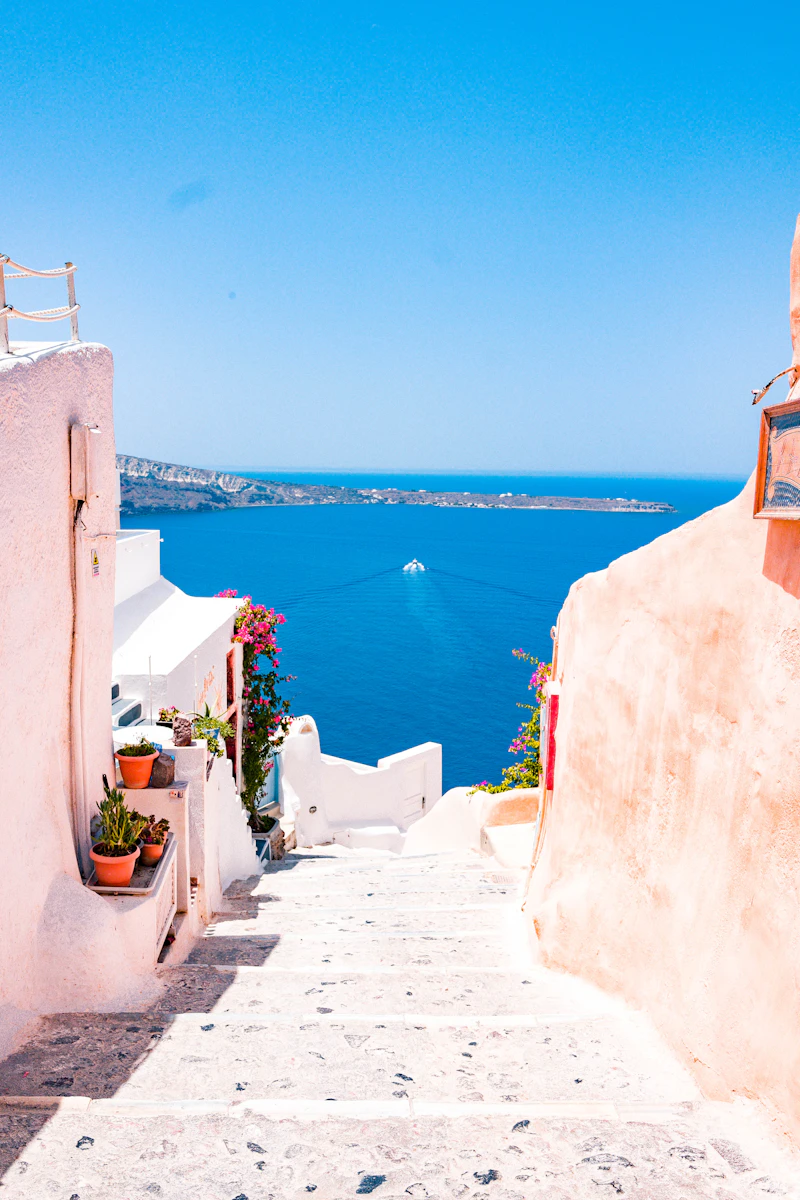
Myth vs. Reality: The Cost of Arctic Paradise
The Lofoten Islands, with their dramatic peaks rising directly from the turquoise waters of the Norwegian Sea, have earned a global reputation as a bucket-list destination. However, they have also earned a reputation for being prohibitively expensive. Many travelers assume that visiting this Arctic archipelago requires a small fortune. According to data from Statistics Norway (Statistisk sentralbyrå), Norway consistently ranks among the top five most expensive countries in Europe for consumer goods and services.
The reality, however, is far more nuanced. While luxury lodges, rental cars, and restaurant dining can quickly drain your bank account, the natural wonders of Lofoten—its majestic fjords, towering mountains, white-sand beaches, and the ethereal Northern Lights—are entirely free. By understanding local laws, utilizing public transport systems, and adopting Scandinavian wilderness strategies, it is entirely possible to experience Lofoten on a backpacker's budget.
Quick Answer: Is Lofoten Right for You?
Choose Lofoten if:
- ✓ You crave raw, dramatic mountain-and-sea landscapes.
- ✓ You enjoy hiking, wild camping, and outdoor exploration.
- ✓ You want to experience the Midnight Sun or the Aurora Borealis.
Choose Tromsø if:
- ✓ You prefer urban amenities, museums, and organized tour excursions.
- ✓ You want easier airport connectivity without ferry crossings.
- ✓ You prefer a vibrant nightlife and restaurant scene.
Best For: Backpackers, Outdoor Enthusiasts, Solo Travelers, and Budget Road-Trippers.
Lofoten (Budget) vs. Tromsø (Budget)
To help you decide where to focus your Arctic adventure, here is an honest comparison of budget travel in the Lofoten Islands versus Tromsø.
| Category | Lofoten (Budget) | Tromsø (Budget) | Winner |
|---|---|---|---|
| Accommodation | Excellent for free wild camping; hostels are limited and expensive. | More hostel options and budget guesthouses; wild camping harder near the city. | Lofoten (for campers) / Tromsø (for hostel users) |
| Food | Limited cheap grocery stores; cooking is essential. | Larger supermarkets and some budget Asian/Middle Eastern markets. | Tromsø |
| Nightlife | Almost non-existent outside Svolvær; limited to local pubs. | Lively student city with several bars, though alcohol is highly taxed. | Tromsø |
| Public Transport | Infrequent regional buses; requires careful planning. | Excellent, frequent city bus network. | Tromsø |
| Visa | Schengen rules apply. | Schengen rules apply. | Tie |
| Weather | Highly unpredictable; coastal winds and frequent rain. | Slightly more stable but colder in winter. | Tie |
| Walkability | Low between towns; high within individual villages and trails. | High; compact city center. | Tromsø |
| Internet | Excellent 4G/5G coverage even on mountain peaks. | Excellent 5G and widespread public Wi-Fi. | Tromsø |
| Safety | Extremely safe; virtually no violent crime. Natural hazards exist. | Very safe city environment. | Lofoten |
| Remote Work | Limited coworking spaces; great for off-grid working. | Several coworking spaces and laptop-friendly cafes. | Tromsø |
| Language | English is commonly spoken by tourism operators and younger locals. | English is commonly spoken across all service sectors. | Tie |
| Family | Great for outdoorsy families; logistically challenging without a car. | Easier logistics, family-friendly museums, and indoor activities. | Tromsø |
| Senior Travelers | Physically demanding terrain; limited accessibility on public transit. | Excellent accessibility, flat city center, easy tours. | Tromsø |
| Solo Travelers | Incredible for solo hiking, but can feel isolating without a car. | Easy to meet people in hostels and cafes. | Lofoten (for nature) / Tromsø (for socializing) |
| Couples | Highly romantic, remote, and intimate landscapes. | Great for cozy city breaks with northern lights tours. | Lofoten |
The Pillars of Budget Travel in Lofoten
To successfully navigate the islands without spending a fortune, you must master three main areas: transport, accommodation, and food. Let's break down each category with concrete, actionable strategies.
1. Transport Hacks: Getting There and Around
Transport is often the largest expense for travelers visiting northern Norway. However, with strategic planning, you can significantly reduce these costs.
Getting to the Islands: Flying directly into Svolvær (SVJ) or Leknes (LKN) is typically very expensive due to small regional aircraft operated by Widerøe. A much cheaper alternative is to fly into Bodø (BOO) using Scandinavian Airlines (SAS) or Norwegian Air Shuttle. From Bodø, you can take the passenger ferry or the car ferry directly to Moskenes. According to the regional transit authority, Reis Nordland, foot passengers can travel on the Bodø-Moskenes ferry for free on select departures under recent government initiatives to support island communities. Always check their live timetables to confirm current zero-fare status.
Navigating the Islands: Renting a car in Lofoten during the peak summer months can easily cost upwards of 1,500 NOK ($140 USD) per day. If you are traveling solo or as a couple, utilizing the local bus system is far more economical. The main artery is the Line 300 bus, which runs from Narvik through Svolvær down to Å. Purchasing a multi-day travel pass from Reis Nordland (such as the Travel Pass Nordland) offers unlimited travel on buses and express boats within the county for a fraction of the cost of a rental car.
2. Accommodation: The Magic of Allemannsretten
Norway's "Right to Roam" (known locally as Allemannsretten), codified in the Outdoor Recreation Act of 1957, is a budget traveler's greatest asset. This law allows anyone to pitch a tent for up to two nights on uncultivated land (utmark) without permission, provided you stay at least 150 meters away from the nearest inhabited house or cabin.
While wild camping is free, it is vital to respect the local environment, particularly in highly visited areas of Lofoten where soil erosion and waste management have become critical issues. In popular spots like Reine, Haukland Beach, and Uttakleiv Beach, local municipalities (Kommune) have established designated camping areas with basic facilities (toilets and trash bins) for a small fee (typically 100 to 200 NOK) to protect the fragile Arctic ecosystem. Utilizing these designated budget sites is highly recommended over unauthorized wild camping in restricted zones.
For those who prefer a solid roof, hostels are sparse but exist in Svolvær, Kabelvåg, and Å. Booking months in advance is mandatory for summer travel, as beds sell out rapidly. Avoid the traditional fisherman's cabins (rorbuer) unless you are traveling in a large group and can split the cost of a multi-bedroom unit.
3. Food: Surviving the Norwegian Supermarket
Dining out in Lofoten is an absolute budget-killer. A basic main course at a mid-range restaurant typically costs between 250 and 400 NOK ($23 to $38 USD), and a single draft beer can easily exceed 110 NOK ($10 USD). To keep your expenses low, you must cook your own meals.
Stick to low-cost supermarket chains. In Norway, the cheapest grocery stores are Rema 1000, Kiwi, and Coop Prix. Avoid shopping at Meny or Joker, which have significantly higher markups. When shopping, look for house brands such as "First Price" (at Kiwi) and "Rema 1000" white-label products. These offer basic staples like pasta, rice, canned tomatoes, eggs, and oats at a fraction of the cost of name brands.
Hyper-Local Insight: Tap water in Norway is exceptionally clean, safe, and tastes better than bottled water. Never waste money buying bottled water. Bring a reusable water bottle and fill it up at any tap, stream (above pastures), or public facility.
Free and Low-Cost Activities in Lofoten
You do not need to pay for expensive guided excursions to experience the best of Lofoten. The islands are a natural playground where the finest attractions cost absolutely nothing.
World-Class Hiking
Lofoten offers some of the most spectacular day hikes on earth. Some of the most iconic, budget-friendly hikes include:
- Reinebringen: Famous for its panoramic view over the Reinefjorden. The trail consists of 1,560 stone stairs built by Nepalese Sherpas to prevent erosion. It is entirely free to climb, though you should park at the designated free parking lot outside Reine village to avoid hefty parking fines.
- Ryten and Kvalvika Beach: A moderate hike that rewards you with views of the dramatic, isolated Kvalvika Beach. You can camp on the beach for free, falling asleep to the sound of the Atlantic waves.
- Festvågtinden: Located near the scenic village of Henningsvær, this hike offers sweeping views of the climbing capital of the north and the surrounding islands.
Chasing the Northern Lights and Midnight Sun
Depending on when you visit, you can witness two of nature's most incredible light shows for free. From late May to mid-July, the Midnight Sun provides 24 hours of daylight, allowing you to hike and explore at any hour of the night. From September to April, the night skies come alive with the Aurora Borealis. Avoid expensive "Northern Lights Safaris"; instead, download free solar activity apps like Aurora Forecast, monitor the cloud cover via Yr.no (the official Norwegian meteorological service), and head to a north-facing beach like Uttakleiv or Gimsøy with zero light pollution.
History vs. Legend in Lofoten
Lofoten is a land steeped in rich Viking history and old maritime folklore. Understanding the distinction between historical fact and local myth enriches any visit to the islands.
| Location / Phenomenon | Historical Fact | Folklore & Legend |
|---|---|---|
| Borg (Lofotr Viking Museum) | Archaeologists excavated the largest Viking-era longhouse ever found here, measuring 83 meters in length, dating back to 500 AD. | Legend says the powerful chieftain of Borg fled to Iceland to escape the tyrannical rule of King Harald Fairhair, establishing new dynasties across the sea. |
| The Moskenstraumen (Maelstrom) | One of the strongest system of tidal eddies in the world, formed by strong ocean currents between Moskenesøya and Værøy. | Immortalized by Edgar Allan Poe and Jules Verne as a terrifying, bottomless whirlpool that swallowed entire fleets of ships. |
| Trollfjord | The site of the famous 1890 "Battle of Trollfjord," where local fishermen in small boats fought against modern steam-powered trawlers for control of the cod fishing rights. | Believed to be a sacred, hidden home of petrified mountain trolls who turn to stone if caught in the morning sunlight. |
Cultural Respect & Safety Disclaimer: When exploring historical Viking burial mounds, ancient stone circles, or local cemeteries, always stay on designated paths. Do not disturb stones or artifacts. If visiting remote churches or historical sites after dark, maintain absolute silence and respect the local communities who still use these grounds.
Essential Travel Logistics & Directory
To plan your budget itinerary effectively, refer to these essential structural parameters compiled from official Norwegian travel and transport guidelines.
- Pros: Unparalleled natural beauty, free world-class hiking, safe wild camping, clean drinking water, and high-speed mobile internet.
- Cons: Highly unpredictable weather, high cost of groceries and restaurants, limited public transport frequency, and crowded trails during peak summer.
- Best Time to Visit: June to August for warm weather, hiking, and the Midnight Sun. September to March for Northern Lights viewing. May and September offer the best balance of lower crowds and manageable costs.
- Budget: A self-sufficient wild camper can survive on 300 to 450 NOK ($28 to $42 USD) per day by cooking all meals and using public transport. A budget traveler utilizing hostels and occasional public transport should plan for 900 to 1,200 NOK ($85 to $112 USD) per day.
- Safety: Extremely safe with low crime rates. The primary hazards are natural: sudden weather changes, slippery rocks on steep trails, and hypothermia. Always inform someone of your hiking plans and check local avalanche and weather warnings on Varsom.no.
- Visa: Norway is not a member of the EU but is part of the Schengen Area. Visitors from the US, Canada, UK, Australia, and New Zealand can enter visa-free for up to 90 days for tourism. Refer to the Norwegian Directorate of Immigration (UDI) for specific entry requirements.
- Weather: Heavily influenced by the Gulf Stream despite being inside the Arctic Circle. Summer averages range from 10°C to 16°C (50°F to 61°F). Winters are surprisingly mild for the latitude, hovering around 0°C (32°F) at sea level, but with heavy snow and high winds.
- Currency: Norwegian Krone (NOK). Norway is virtually a cashless society. You do not need physical cash; credit and debit cards are accepted everywhere, even for public toilets and small farm stands.
- Transport: Primary access via the E10 road. Public transport is operated by Reis Nordland buses. Car rentals are available at Svolvær, Leknes, Harstad/Narvik (EVE), and Bodø airports.
- Duration: A minimum of 5 to 7 days is highly recommended to account for weather delays and slow travel speeds across the winding islands.
- Internet: Outstanding 4G and 5G cellular coverage across almost the entire archipelago, including remote beaches and mountain summits.
- Power Plug: Type C and F standard European plugs, operating on 230V grid voltage at 50Hz.
- Emergency Numbers: Police: 112 | Fire: 110 | Ambulance/Medical: 113. For non-urgent medical issues, dial the local medical center (Legevakt) at 116 117.
Suggested Internal Links & Resources
To further optimize your Scandinavian journey, explore our detailed guides on related topics:
- Discover the perfect week-long route with our comprehensive [Lofoten Islands itinerary].
- Learn how to save on meals across the country with our guide to [Norway street food].
- Explore other affordable destinations in the region with our [Tromso budget guide].
- Avoid common financial pitfalls by reading our exposé on [Norway tourist traps].
- Master the art of independent travel with our guide to [Solo travel in Norway].
- Get all your paperwork in order using our detailed [Norway visa guide].
- Plan a grand Nordic adventure with our step-by-step [Scandinavia road trip] planner.
- Chase the green lady safely using our expert [Northern Lights guide].
- Prepare your gear list with our breakdown of the best [Norway hiking trails].
- For a complete cost breakdown of the archipelago, see our dedicated [Lofoten budget guide].
How to Avoid Common Budget Mistakes in Lofoten
Many travelers end up spending far more than planned due to easily avoidable mistakes. Keep these tips in mind to protect your wallet:
- Mistake 1: Relying on last-minute bookings. Accommodation and rental car prices skyrocket as availability drops. Book your transport and beds at least 4 to 6 months in advance.
- Mistake 2: Ignoring parking fees. While the wilderness is free, parking in popular trailheads (like Reinebringen or Ryten) is heavily regulated and monitored by local private parking companies. Fines for parking illegally on the roadside can easily reach 600 to 900 NOK. Always park in designated areas and pay using local parking apps like EasyPark where required.
- Mistake 3: Buying gear in Norway. Outdoor gear is heavily taxed and expensive in Norway. Ensure you pack high-quality windproof and waterproof layers, a sturdy tent, a warm sleeping bag (rated to at least 0°C for summer), and a reliable camping stove before arriving.
- Mistake 4: Not factoring in toll roads. If you do rent a car, be aware that many bridges and tunnels in Norway are toll roads. These are automatically scanned using an electronic chip in the vehicle. Ask your rental company about their toll package rates to avoid surprise administrative fees later.
Who Should Visit the Lofoten Islands?
Lofoten is a dream destination for travelers who prioritize raw nature, physical adventure, and dramatic landscapes over luxury amenities, shopping, and fine dining. If you are comfortable pitching a tent in the wind, preparing your own meals on a camp stove, and navigating unpredictable Arctic weather, you will find Lofoten to be one of the most rewarding and visually stunning destinations on earth—all while keeping your expenses remarkably low.
Article Methodology & Sources
This guide was compiled by our travel editorial team using verified data from official Norwegian public and regional tourism resources. Financial data and consumer price indices were sourced directly from Statistics Norway. Public transportation schedules, ferry pricing structures, and route details were cross-referenced with Reis Nordland and Torghatten Nord. Environmental and camping regulations were verified against the Lovdata database of Norwegian legislation and local municipal guidelines for Moskenes and Flakstad municipalities. Weather statistics were analyzed using historical data from the Norwegian Meteorological Institute.
Editorial Methodology & Trust
Last Updated: July 2, 2026
Every Shaivio guide is created through editorial research using publicly available information from official tourism authorities, transportation providers, government resources, and other reliable references where applicable. Our editors review and update content regularly to improve accuracy and usefulness. Shaivio does not accept paid placements or sponsored rankings in editorial content. Because travel information can change, we recommend verifying critical details with the relevant official source before traveling.