Chitkul: Breathing the Air of India's Last Village
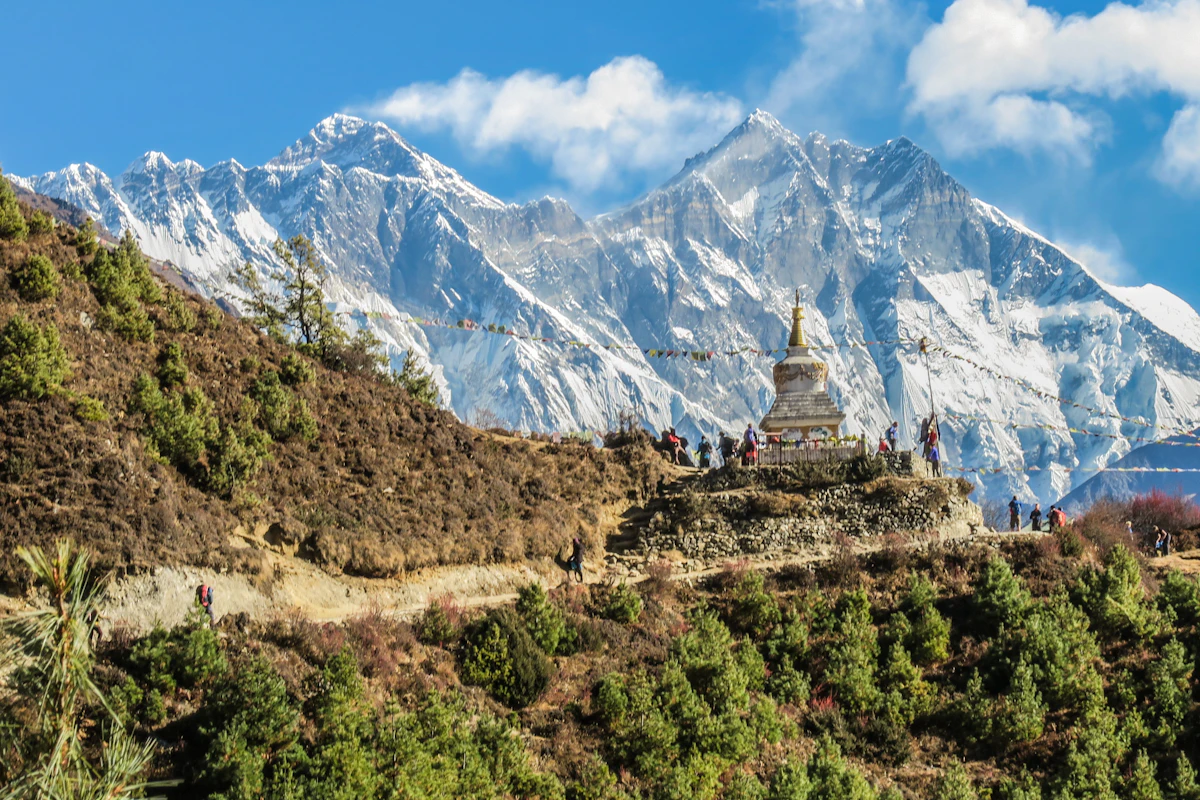
To reach Chitkul, you must navigate the terrifying, cliff-hanging roads of the Kinnaur valley in Himachal Pradesh. The Baspa river roars hundreds of feet below the narrow tarmac. But when the gorge finally opens up, you are greeted by wooden houses with slate roofs, surrounded by snow-capped peaks. You have reached the end of the road.
The Indo-Tibetan Border
Chitkul is officially the last inhabited village in India before the Tibetan border. You cannot travel beyond this point without military clearance, as the actual border (the Line of Actual Control) is closely guarded by the ITBP (Indo-Tibetan Border Police). The isolation here is profound. During the harsh winter months, the village is often entirely buried in snow, forcing residents to move to lower altitudes.
A recent study concluded that Chitkul has the cleanest air quality of any surveyed location in India. Breathing the crisp, pine-scented air here, entirely devoid of urban pollution, is a physical shock to the system.
The Mathi Temple and Local Architecture
The centerpiece of the village is the 500-year-old Mathi Temple. It is built entirely of wood in the traditional Kath-Kuni architectural style, featuring incredibly intricate carvings. The local Kinnauri people have a unique religious belief system that blends Hinduism and Tibetan Buddhism. You will see prayer flags fluttering alongside Hindu shrines.
The houses in Chitkul are built to withstand severe winters. They are constructed using alternating layers of wood and stone (which provides excellent insulation and flexibility during earthquakes). Wandering through the narrow lanes, you will see villagers spinning wool, drying apples on their roofs, and preparing for the winter freeze.
The Baspa River Trek
The best thing to do in Chitkul is simply to walk. Hike down to the banks of the Baspa River. The water is glacial melt—icy cold and crystal clear. You can spend hours sitting on the massive river boulders, watching the yaks graze in the meadows across the water, and staring up at the 6,000-meter peaks that surround the valley.
Practical Tips for Kinnaur
There are no luxury hotels here, only basic wooden guesthouses and homestays. The power supply is erratic, and mobile networks (other than BSNL) are non-existent. Withdraw all the cash you need in Sangla (the nearest large town, 28km away). The best time to visit is September and October, right after the monsoon and just before the heavy snowfall begins.