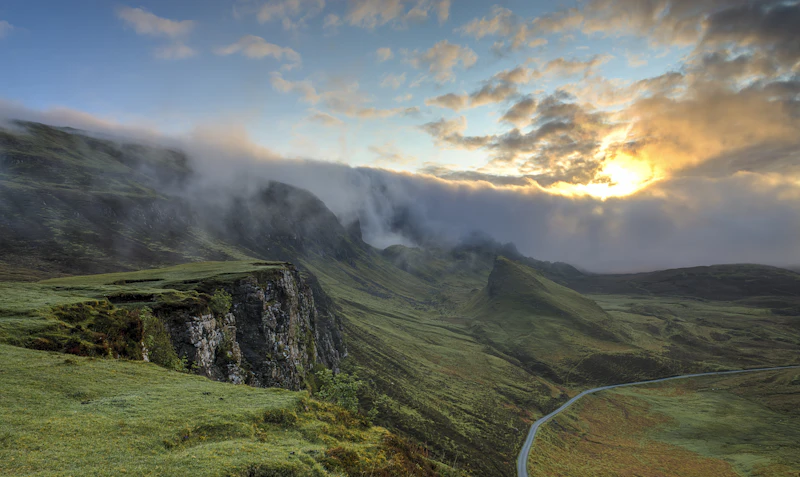
Myth vs. Reality in the Eje Cafetero
Before packing your bags for the Colombian Coffee Triangle (locally known as the Eje Cafetero), it is vital to separate the romanticized travel brochures from the ground reality. For decades, global marketing has painted a picture of a region frozen in time, where every local drinks award-winning espresso and sunny days are guaranteed.
Myth: You will drink the world's best coffee in every local cafe.
Reality: Historically, Colombia exported almost all of its top-tier (Grade AA) coffee beans to premium markets in Europe, North America, and Asia, leaving the low-grade leftovers (known as pasilla) for domestic consumption. While the specialty coffee movement is growing rapidly in towns like Salento and Filandia, the standard coffee served in traditional rural plazas is still tinto—a watery, highly sweetened brew made from low-grade beans. To taste the best, you must deliberately seek out specialty estates or specialized modern cafes.
Myth: The weather is perpetually warm and tropical.
Reality: The Coffee Triangle is a high-altitude Andean region. While cities like Pereira and Armenia are warm, the tourist hubs of Salento and Filandia sit over 1,900 meters above sea level. Here, the weather is notoriously volatile. You can experience blistering equatorial sunshine at 10:00 AM, a torrential downpour at 2:00 PM, and bone-chilling mountain mists by 6:00 PM. Packing layers and high-quality rain gear is non-negotiable.
Quick Answer: Is the Coffee Triangle Right for You?
Choose the Coffee Triangle if:
- You love active adventure: From hiking among 60-meter-tall wax palms to trekking through high-altitude paramo ecosystems.
- You appreciate slow travel: The region rewards those who sit on colorful balconies, sip slow-brewed coffee, and observe rural life.
- You want cultural immersion: Understanding the meticulous craft behind UNESCO-listed agricultural heritage.
Skip the Coffee Triangle if:
- You seek high-end luxury resort enclaves: Accommodation here leans toward rustic eco-lodges, historic family-run haciendas, and bohemian hostels.
- You want vibrant, late-night clubbing: Nightlife here revolves around traditional cantinas, playing ranchera music, and social drinking over games of tejo.
Best For: Nature Lovers, Hikers, Cultural Explorers, Solo Travelers, and Coffee Enthusiasts.
The Coffee Triangle at a Glance
- Who is it best for? Active travelers, couples, and families looking for a mix of mountain hiking, colonial architecture, and agricultural education.
- How much does it cost? It is highly affordable. Budget backpackers can manage on $25–$35 USD per day, while mid-range travelers looking for private rooms in boutique haciendas and private coffee tours should budget $70–$120 USD per day.
- When should you visit? The driest windows are from December to February and July to August. However, rain is possible year-round.
- Main Pros: Stunning natural scenery, warm paisa hospitality, incredibly rich cultural history, and easy accessibility from major cities.
- Main Cons: Highly unpredictable mountain weather, challenging transportation logistics between smaller villages, and growing overtourism in Salento.
- Safety: Highly safe compared to major Colombian urban centers. Violent crime against tourists is extremely rare, though petty theft can occur in crowded areas.
Understanding the Geography of the Eje Cafetero
The Coffee Triangle is not a single administrative department but a geographical region spanning three distinct departments: Quindío, Risaralda, and Caldas. Together with parts of Valle del Cauca, this region forms the "Coffee Cultural Landscape of Colombia," inscribed as a UNESCO World Heritage Site in 2011.
To navigate the region efficiently, it helps to understand the three primary hub cities, each serving as a gateway to distinct rural valleys and coffee towns:
- Armenia (Quindío): The gateway to the southern, highly tourist-friendly sector, including Salento, Filandia, Buenavista, and the famous Valle de Cocora.
- Pereira (Risaralda): The central economic engine of the region, offering the best flight connections and easy access to the thermal springs of Santa Rosa de Cabal.
- Manizales (Caldas): A steep, dramatic university city perched on a mountain ridge, serving as the launching pad for high-altitude treks into Los Nevados National Natural Park.
Where to Base Yourself: Salento vs. Filandia
For most first-time visitors, the choice of where to sleep boils down to the two architectural jewels of Quindío: Salento and Filandia. While they look similar on paper with their brightly painted bahareque houses, their atmospheres differ significantly.
| Category | Salento | Filandia | Winner |
|---|---|---|---|
| Accommodation | High-density hostels, boutique eco-lodges; higher prices. | Guesthouses, traditional homestays; moderate prices. | Filandia (Value) |
| Food | Diverse international options, trout dishes dominate. | Traditional paisa cuisine, rising fine dining scene. | Salento (Variety) |
| Nightlife | Lively tejo halls, bustling craft beer bars. | Quiet plazas, local cantinas, laid-back cafes. | Salento (Vibe) |
| Public Transport | Frequent Willys jeeps, direct buses to Armenia/Pereira. | Fewer direct connections, relies on local Willys. | Salento (Convenience) |
| Visa | Subject to standard Colombia entry requirements. | Subject to standard Colombia entry requirements. | Tie |
| Weather | Humid subtropical, frequent rain, average 17°C. | Slightly warmer, less foggy, average 18°C. | Filandia |
| Walkability | Very walkable but steep cobblestone streets. | Flatter grid system, highly walkable layout. | Filandia |
| Internet | Fiber optic in major cafes, occasional power drops. | Improving fiber infrastructure, stable in center. | Tie |
| Safety | Generally safe; standard opportunistic theft precautions. | Very safe, low-key community-oriented atmosphere. | Filandia |
| Remote Work | Good co-working hubs but prone to tourist noise. | Peaceful atmosphere, fewer dedicated co-working spots. | Salento |
| Language | English widely understood in tourist establishments. | Spanish dominant; basic English in boutique spots. | Salento |
| Family | Great for active families (hiking, horse riding). | Relaxed pace, safe streets, stroller-friendly. | Filandia |
| Senior Travelers | Challenging hills but rich cultural accessibility. | Easier terrain, tranquil plazas, scenic viewpoints. | Filandia |
| Solo Travelers | Excellent social scene, easy to meet other hikers. | Quiet, better for self-reflection and slow travel. | Salento |
| Couples | Romantic boutique glamping, misty mountain views. | Charming colonial architecture, intimate dining. | Filandia |
The Ultimate 4-Day Salento & Cocora Itinerary
To experience the best of this region without rushing, we recommend a minimum of four days. This curated Salento itinerary balances physical adventure, cultural immersion, and culinary indulgence.
Day 1: Arrival, Colonial Architecture, and Tejo
Arrive in Salento via a direct bus from Armenia or Pereira airport. Check into your accommodation, preferably a restored colonial home or an eco-lodge on the outskirts. Spend your afternoon wandering the cobblestone streets of Calle Real, looking at the artisan shops selling leather goods and hand-woven ponchos (ruanas).
Climb the 250 steps to the Alto de la Cruz viewpoint for a panoramic view of the town and the Cocora Valley beyond. As night falls, head to Los Amigos or Cancha de Tejo La Lucha to play Colombia's national sport: Tejo. This game involves throwing heavy metal discs at gunpowder targets set in clay. It is traditionally played while enjoying local beers.
Day 2: Hiking the Cocora Valley Loop
Wake up early to catch a 7:00 AM Willys jeep from Salento's main plaza. Arrive at the valley before the heavy mist and crowds roll in. Instead of doing the quick, out-and-back walk to the palm fields, opt for the full 12-kilometer loop trail, which takes roughly 5 to 6 hours.
The trail takes you through open pastures, deep into a lush cloud forest, across rickety suspension bridges over the Quindío River, and up to the Acaime Hummingbird Sanctuary (entry is approximately 20,000 COP and includes a hot drink). From there, climb to the high mountain finca of La Montaña before descending into the dramatic palm groves. Here, hundreds of wax palms rise like toothpicks out of the rolling green hills.
Day 3: Deep Dive into Specialty Coffee
Dedicate this day to understanding the agricultural heritage of the region. Walk or take a Willys jeep down the scenic, unpaved road to the rural district of Palestina. Here, you will find some of the best coffee tours in Colombia.
Avoid the mass-commercialized plantations and choose a family-run farm like Finca El Ocaso or Finca Momota. A high-quality tour will walk you through the entire life cycle of a coffee bean: from planting seedlings in the nursery to picking ripe red cherries, depulping, fermenting, washing, sun-drying on raised beds, and finally, roasting. Conclude with a sensory tasting session to learn how to identify notes of chocolate, citrus, and caramel in premium arabica beans.
Day 4: Day Trip to Filandia or Buenavista
Take a morning Willys jeep to the neighboring town of Filandia. Walk around the tranquil main plaza, which is far less crowded than Salento's. Visit the Colina Iluminada, a 27-meter-high wooden observation tower offering views across three departments on a clear day.
For lunch, sample authentic Colombian street food like buñuelos (savory cheese fritters) and solteritas (crispy orange wafers topped with sweet cream). If you prefer a more off-the-beaten-path alternative, head south to Buenavista, a tiny village clinging to a mountainside, famous for the award-winning Café San Alberto estate and world-class paragliding over the valley.
History vs. Legend in the Cloud Forests
The Coffee Triangle is steeped in rich indigenous history and colonial folklore. Long before Spanish conquistadors arrived, the fertile volcanic soils were inhabited by the highly advanced Quimbaya civilization, renowned for some of the most spectacular goldwork in pre-Columbian America.
When exploring the misty valleys, you will often hear local guides weave tales of lost gold and ancestral spirits. It is important to separate historical facts from the colorful oral traditions of the region.
| Location / Subject | The Legend (Folklore) | The Historical Reality (Fact) |
|---|---|---|
| The Cocora Palm | The wax palms are said to be the spirits of the Quimbaya princess Cocora and her warriors, turned to wood by the gods to stand eternal guard over the sacred valley. | The palms (Ceroxylon quindiuense) are high-altitude botanical anomalies that evolved over millions of years to survive the cold, damp conditions of the Andean cloud forest. They are now endangered due to historical deforestation for agricultural pastureland. |
| The Treasure of El Dorado in Quindío | Many locals believe that deep within the unexplored caves of the Cocora Valley lies a vast cache of Quimbaya gold, hidden from the Spanish conquistadors. | While the Quimbaya did bury exquisite gold artifacts with their elites (much of which was looted in the 19th and 20th centuries), there is no evidence of a massive, hidden golden city or treasure vault in the valley. Most surviving pieces are housed in the Gold Museum in Bogotá. |
| The Origin of Coffee in Colombia | Popular legend attributes the spread of coffee to a single Jesuit priest, Father Francisco Romero, who allegedly forced his parishioners to plant coffee trees as penance for their sins. | While Father Romero did popularize coffee planting as penance in the eastern town of Salazar de las Palmas in the early 1800s, the large-scale commercialization of coffee in the Eje Cafetero was driven by late 19th-century land colonization (the Colonización Antioqueña) and institutional support from the National Federation of Coffee Growers. |
Cultural Respect & Safety Disclaimer: Many high-altitude forests and ancient indigenous paths are considered sacred by local communities. When hiking, never leave designated trails, do not disturb stone piles or potential archaeological sites, and never enter local shrines or rural properties without permission.
Hyper-Local Insights for First-Time Visitors
To navigate the Coffee Triangle like a seasoned traveler, keep these highly specific, actionable local tips in mind:
- Willys Jeep Etiquette: When boarding a Willys Jeep in Salento's plaza, if the seats inside are full, you may be asked to stand on the metal bumper at the back, holding onto the roof rack. This is a thrilling, traditional way to travel, but secure your hat and daypack before boarding. Pay for your ticket at the central booth in the plaza before getting in.
- The Cocora Valley Trail Direction: Most tourists walk the loop counter-clockwise (starting with the palm trees and ending in the forest). However, hiking clockwise (starting through the forest and pastures first) is highly recommended. This saves the dramatic palm groves for the grand finale of your hike and allows you to tackle the steepest uphill sections while your legs are fresh.
- Avoid the "Trout" Tourist Trap: In Salento, almost every restaurant serves trucha (trout), often smothered in a heavy, creamy garlic sauce on a giant fried plantain (patacón). While iconic, much of this trout is farmed in crowded local rivers. For a more authentic culinary experience, look for sudado de montañero (a slow-cooked stew of beef, yuca, potato, and plantain) or visit modern farm-to-table restaurants in Filandia. Keep an eye out for common Colombia tourist traps to ensure you get the best value for your money.
- Cash is King: While hotels and high-end restaurants in Salento and Filandia accept credit cards, smaller cafes, Willys jeeps, trail entry fees, and rural coffee farms accept cash only (Colombian Pesos - COP). ATMs in Salento frequently run out of cash on holiday weekends, so withdraw plenty of cash in Armenia or Pereira before heading into the hills.
Essential Travel Logistics & Planning
Use this comprehensive directory of practical details to organize your logistics before departing.
Pros & Cons
Pros: Breathtaking landscapes, affordable prices, highly welcoming locals, and incredible biodiversity.
Cons: High rainfall year-round, limited English outside major tourist spots, and winding mountain roads that can cause motion sickness.
Best Time to Visit
The dry seasons from December to February and July to August offer the clearest skies for hiking and mountain views. However, visiting during the rainy shoulder seasons (April-May, October-November) means fewer tourists and lush green landscapes.
Estimated Budget
- Hostel Dorm: 45,000 - 80,000 COP ($11 - $20 USD) per night.
- Boutique Hotel Room: 250,000 - 600,000 COP ($60 - $150 USD) per night.
- Local Meal (Almuerzo Ejecutivo): 15,000 - 25,000 COP ($3.50 - $6 USD).
- Willys Jeep Ride: 5,000 - 15,000 COP ($1.20 - $3.70 USD) depending on distance.
Safety & Health
The Coffee Triangle is one of the safest regions in Colombia. The main risks are natural: sunburn at high elevations, sudden temperature drops leading to mild hypothermia, and twisted ankles on muddy trails. Tap water in major urban centers is safe, but it is highly recommended to drink bottled or filtered water in rural villages like Salento and Filandia.
Visa & Entry Requirements
Most international tourists (including citizens of the US, Canada, EU, UK, and Australia) do not require a visa for stays of up to 90 days. You must fill out the Migración Colombia "Check-Mig" form online within 72 hours before your flight. For full details, consult our comprehensive Colombia visa guide.
Weather & Microclimates
Temperatures vary by altitude. Salento ranges from 12°C (54°F) at night to 22°C (72°F) during the day. If heading up to Los Nevados National Natural Park, temperatures can drop below freezing (0°C / 32°F). Dress in layers and refer to our Colombia packing list for clothing recommendations.
Currency, Power & Connectivity
Currency: Colombian Peso (COP). Current exchange rates hover around 4,000 COP to 1 USD.
Power Plugs: Type A and B (same as the United States and Canada), operating at 110V/60Hz.
Internet: 4G coverage is strong in towns and along major highways, but drops completely in deep valleys and high-altitude hiking trails.
Emergency Numbers
- National Emergency: 123
- National Police: 112
- Metropolitan Health Service: 125
How to Get There and Around
Reaching the Coffee Triangle is straightforward thanks to excellent domestic flight networks and well-maintained highway corridors. If you are traveling from Medellín, you can find detailed route options in our guide on Medellin to Salento transport. If arriving from the capital, check our Bogota itinerary for transit connections.
By Air
The region is served by three main airports:
- Matecaña International Airport (PEI) in Pereira: The largest and most convenient airport, offering daily direct flights from Bogotá, Medellín, Cartagena, and Miami.
- El Edén International Airport (AXM) in Armenia: A smaller airport, ideal if you are heading straight to Salento or Filandia.
- La Nubia Airport (MZL) in Manizales: Highly prone to weather-related closures due to mountain fog. It is best avoided if you are on a tight schedule.
By Bus
Comfortable long-distance buses run regularly from Terminal del Sur in Medellín (approx. 6-8 hours) and Terminal de Transporte in Bogotá (approx. 7-9 hours, crossing the dramatic La Línea mountain pass). Companies like Bolivariano and Flota Occidental offer modern buses with Wi-Fi and power outlets.
Going Beyond: Off-the-Beaten-Path Destinations
If you have more than four days or want to escape the tourist crowds of Salento, consider exploring these lesser-known gems:
Pijao: The Slow Town
Nestled in a quiet valley south of Armenia, Pijao is the first town in Latin America to be designated a Cittaslow (Slow City). Here, life moves at a peaceful pace. There are no souvenir shops or crowded plazas—just local farmers in traditional ponchos chatting over coffee, beautiful architecture, and pristine mountain trails.
Santa Rosa de Cabal Thermal Springs
Located in the department of Risaralda, these thermal hot springs are famous for their dramatic setting. Hot, mineral-rich waters cascade down a 40-meter-high cold waterfall directly into several natural thermal pools. Soak in the warm waters while surrounded by lush, steam-shrouded cloud forest. Visiting on a weekday evening is best to avoid the weekend crowds.
Los Nevados National Natural Park
For high-altitude trekkers, this national park is one of the most spectacular protected areas in South America. Guided day trips from Manizales or Salento take you up to the paramo ecosystem—a unique high-altitude wetland characterized by giant frailejones (rosette plants related to sunflowers) and dramatic volcanic landscapes. You can hike to the edge of the glacier on Nevado del Ruiz or embark on multi-day treks across the central cordillera.
Responsible Travel in the Coffee Region
With rapid tourism growth comes a responsibility to preserve the delicate ecosystems and social fabric of the Coffee Triangle. If you are embarking on solo travel in Colombia, keeping your environmental and social footprint low is especially important.
- Respect the Wax Palms: Do not touch, climb, or carve into the trunks of the wax palms in the Cocora Valley. These trees are highly sensitive, and damage to their bark can expose them to fatal fungal infections.
- Support Small-Scale Farmers: When buying coffee to take home, purchase directly from small, independent estates or local cooperatives rather than large corporate chains. This ensures a larger share of the profits stays with the farmers who pick and process the beans.
- Conserve Water: High-altitude mountain towns often face seasonal water shortages due to tourism-driven demand. Keep your showers short and reuse towels when staying at local guesthouses.
Who Should Visit the Coffee Triangle?
The Coffee Triangle is a versatile destination that appeals to a wide variety of travelers:
- Active Couples: Who will love staying in romantic eco-lodges, hiking through misty palm valleys, and enjoying intimate coffee tastings.
- Solo Adventurers: Who can easily meet fellow hikers in Salento's social hostels and navigate the region safely using public Willys jeeps.
- Families with Older Kids: Who will enjoy horse riding through the valleys, playing tejo, and learning about agriculture on hands-on coffee tours.
To plan your ultimate trip, consult our complete Colombia budget guide for tips on saving money while traveling through this beautiful country.
Editorial Methodology & Trust
Last Updated: July 2, 2026
Every Shaivio guide is created through editorial research using publicly available information from official tourism authorities, transportation providers, government resources, and other reliable references where applicable. Our editors review and update content regularly to improve accuracy and usefulness. Shaivio does not accept paid placements or sponsored rankings in editorial content. Because travel information can change, we recommend verifying critical details with the relevant official source before traveling.