10 Countries With the Strangest Laws for Tourists
Travel is an exercise in adaptation, but some nations demand more than just cultural sensitivity—they demand legal compliance with rules that range from the obscure to the downright baffling. Before you book your next flight, ensure you aren't accidentally breaking the law by simply existing, dressing, or eating.
Last reviewed: June 2026. Travel information should be confirmed with official authorities before booking.
1. Singapore: The Gum Prohibition
While often cited, the ban on the importation and sale of chewing gum remains one of the world's most rigid consumer laws. You can bring a small amount for personal use, but don't even think about selling it or spitting it on the sidewalk.
2. Italy (Capri): The Flip-Flop Ban
In the island of Capri, the sound of wooden-soled footwear is considered a public nuisance. Walking in flip-flops or noisy sandals that disturb the peace can result in a significant fine. It is a town that prizes silence and elegance over beach-bum convenience.
3. Switzerland: The Sunday Quiet Rule
In many Swiss cantons, Sunday is strictly for rest. This includes a ban on mowing your lawn, hanging laundry, or recycling glass bottles. Tourists staying in apartments should be mindful of noise levels, as neighbors may report loud activity to the authorities.
4. Japan: The Cold Medicine Trap
Japan has incredibly strict laws regarding stimulants. Many common over-the-counter allergy and cold medications (specifically those containing pseudoephedrine) are banned. Bringing them into the country can lead to detention.
5. Spain: Driving Without a Shirt
Driving shirtless or barefoot in Spain is considered a traffic violation. The rationale is that you need proper footwear to operate pedals safely and appropriate clothing to prevent distractions or injuries in the event of an accident.
6. Greece: High Heels at Archaeological Sites
To preserve ancient marble and stone, high heels are strictly forbidden at many historic sites like the Acropolis. The sharp pressure points damage the porous materials, so bring sensible flats for your historical tours.
7. Thailand: The Majesty Clause
Lèse-majesté laws in Thailand are among the strictest in the world. Making any disparaging comment about the royal family—even a casual remark in a bar or a post on social media—is a serious criminal offense that carries heavy prison sentences.
8. Barbados: Camouflage Clothing
It is illegal for civilians to wear camouflage-patterned clothing in Barbados. This pattern is strictly reserved for the military. Even children are not permitted to wear camo print, and you will be asked to change if spotted by police.
9. Maldives: Religious Import Laws
The Maldives is a strictly Islamic nation. Importing non-Islamic religious materials (like Bibles or religious icons) for anything other than personal use is prohibited, and public displays of affection or non-Islamic worship can result in legal trouble.
10. United Arab Emirates: Swearing and Gestures
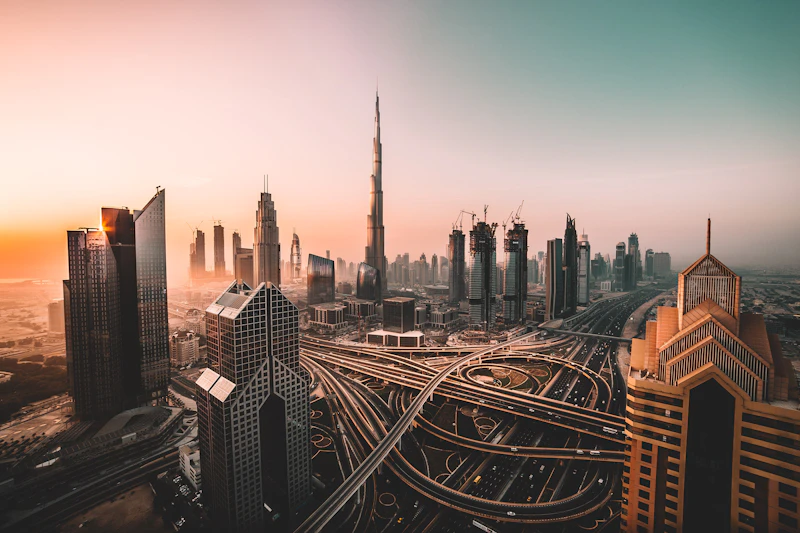
In the UAE, using offensive language or making rude hand gestures in public is considered a crime against public decency. This law extends to social media posts made while you are within the country's borders.
Frequently Asked Questions
Can I really get arrested for chewing gum in Singapore?
You won't be arrested for chewing, but the sale and importation of gum are strictly prohibited. You are allowed to bring a small amount for personal consumption, but do not dispose of it improperly, as littering fines are extreme.
Is the camouflage ban in Barbados strictly enforced?
Yes. Police are authorized to stop civilians wearing camouflage patterns and ask them to change. It is best to leave all camo-print clothing at home when visiting the Caribbean.
Why does Spain care about my footwear while driving?
Spanish law requires drivers to have full control of their vehicle. Flip-flops or bare feet are deemed unsafe because they can slip off the pedals or get stuck, increasing the risk of an accident.
What happens if I bring banned medicine to Japan?
You could face detention or deportation. Before traveling, check the Ministry of Health, Labour and Welfare guidelines to see if your specific medication requires a 'Yunyu Kakunin-sho' (an import certificate).
Editorial Methodology & Trust
Last Updated: July 2, 2026
Every Shaivio guide is created through editorial research using publicly available information from official tourism authorities, transportation providers, government resources, and other reliable references where applicable. Our editors review and update content regularly to improve accuracy and usefulness. Shaivio does not accept paid placements or sponsored rankings in editorial content. Because travel information can change, we recommend verifying critical details with the relevant official source before traveling.