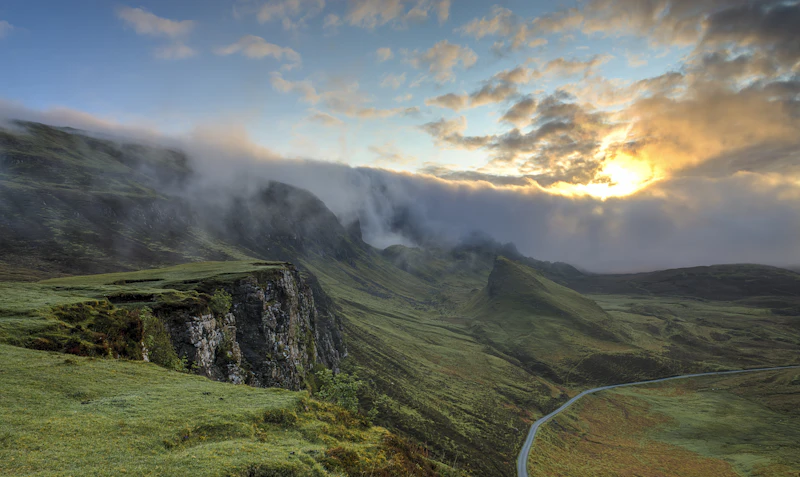
Darjeeling: The Enchanting Queen of the Hills Awaits in 2026
Nestled amidst the rolling Himalayan foothills, Darjeeling, often hailed as the "Queen of the Hills," continues to captivate travelers with its emerald tea estates, breathtaking mountain vistas, and the nostalgic charm of its colonial past. As 2026 approaches, planning your escape to this West Bengal jewel promises an experience steeped in natural beauty, rich culture, and serene tranquility. This guide is meticulously crafted to provide an unparalleled, in-depth look at Darjeeling, ensuring your journey is as informed as it is unforgettable.
A Tapestry of History and Culture
Darjeeling's allure extends beyond its scenic landscapes. Established by the British as a summer retreat, its history is interwoven with the legacy of tea plantations, which remain its economic and visual backbone. The region is a vibrant melting pot of cultures, home to the Nepali, Tibetan, and indigenous communities, each contributing to the town's unique character, festivals, and cuisine.
Why Visit Darjeeling in 2026?
In 2026, Darjeeling offers a refreshing escape from the urban hustle. The town is actively working on sustainable tourism initiatives, aiming to preserve its pristine environment and cultural heritage. Travelers can expect improved infrastructure while still experiencing the authentic charm that makes Darjeeling a sought-after destination. The ongoing development ensures a comfortable yet immersive experience for all visitors.
Darjeeling in a Nutshell (2026)
- Best For: Nature lovers, tea enthusiasts, honeymooners, families seeking a peaceful retreat, trekkers.
- Must-Do: Ride the Darjeeling Himalayan Railway (Toy Train), visit tea estates, witness the sunrise at Tiger Hill, explore Padmaja Naidu Himalayan Zoological Park.
- Vibe: Serene, colonial charm, breathtaking mountain scenery, vibrant local culture.
- Traveler Type: Solo travelers, couples, families, adventure seekers.
Planning Your 2026 Darjeeling Sojourn: Essential Information
Best Time to Visit Darjeeling
The weather in Darjeeling is a significant draw, offering pleasant conditions for most of the year. However, certain periods are ideal for specific experiences.
- Spring (March to May): This is arguably the best time to visit. The weather is pleasant and mild, with clear skies offering excellent views of the Himalayas, including Kanchenjunga. The rhododendrons and orchids are in full bloom, adding vibrant colors to the landscape. Average temperatures range from 10°C to 20°C (50°F to 68°F).
- Autumn (September to November): Similar to spring, autumn provides clear skies and comfortable temperatures, making it perfect for sightseeing and trekking. The post-monsoon clarity offers spectacular mountain views. Average temperatures are between 12°C to 18°C (54°F to 64°F).
- Summer (June to August): This period experiences the monsoon season, bringing heavy rainfall. While the rain can disrupt travel plans and obscure views, it also makes the tea gardens lush and green. Temperatures are moderate, ranging from 15°C to 22°C (59°F to 72°F). It's a good time for those who don't mind the rain and seek fewer crowds.
- Winter (December to February): Winters are cold, with temperatures dropping to as low as 2°C (36°F) and sometimes below freezing at night. Snowfall is rare in the town but common in the higher surrounding areas. Days are sunny but crisp, and nights are freezing. It's ideal for those who enjoy the cold and want to experience Darjeeling's quieter side.
Getting to Darjeeling
Reaching Darjeeling involves a combination of air, train, and road travel, offering various options depending on your starting point and preferences.
By Air:
The nearest airport is Bagdogra Airport (IXB), located about 90 kilometers (56 miles) from Darjeeling town. Several domestic airlines operate flights to Bagdogra from major Indian cities like Delhi, Kolkata, Mumbai, and Guwahati. From Bagdogra, you can hire a taxi or take a shared jeep to Darjeeling. The taxi fare typically ranges from INR 2,500 to INR 3,500, and the journey takes approximately 3-4 hours, depending on road conditions.
By Train:
The closest major railway station is also Bagdogra, connected to most parts of India. However, for a more scenic and iconic journey, travelers can take a train to New Jalpaiguri (NJP) station, which is slightly further but offers better connectivity. From NJP, taxis and shared jeeps are readily available. The most unique way to reach Darjeeling by train is via the UNESCO World Heritage Darjeeling Himalayan Railway (Toy Train) from New Jalpaiguri. This narrow-gauge train ride is a journey in itself, taking about 7-8 hours to cover the 88 kilometers (55 miles) of winding tracks. Booking toy train tickets, especially for the joy rides, is highly recommended in advance via the IRCTC website or directly from the Darjeeling Himalayan Railway website.
By Road:
Darjeeling is well-connected by road to major cities in West Bengal and neighboring states. Regular bus services operate from Siliguri, NJP, and Kolkata. Private taxis and shared taxis are also available. The road journey from Siliguri to Darjeeling is approximately 3-4 hours, offering stunning views as you ascend the hills.
Visa Requirements for India (for International Travelers)
Most foreign nationals require a visa to enter India. The most common and convenient option is the Indian e-Visa, which can be applied for online. Requirements vary by nationality, so it's crucial to check the official Indian visa portal for the latest information and application procedures well in advance of your travel date. Travelers should ensure their passport is valid for at least six months beyond their intended stay and has at least two blank pages. For detailed information, refer to the [Official Indian Visa Application Portal](https://indianvisaonline.gov.in/).
Navigating Darjeeling: Transport and Getting Around
Darjeeling is a compact town, and most of its attractions are accessible within the town limits or a short drive away. However, the hilly terrain and narrow roads require specific modes of transport.
- Walking: The heart of Darjeeling town is best explored on foot. Mall Road, Observatory Hill, and the market area are easily walkable, allowing you to soak in the local atmosphere.
- Taxis: Taxis are readily available for hire throughout the town and for excursions to nearby attractions like Tiger Hill and the various tea estates. Negotiate the fare before starting your journey, or opt for pre-paid taxis from designated stands.
- Shared Jeeps: For budget-conscious travelers, shared jeeps are an excellent option for traveling to and from Bagdogra/NJP and for local sightseeing. They depart when full from designated points.
- Toy Train: While primarily a tourist attraction, the Toy Train also serves as a unique mode of transport between Darjeeling and New Jalpaiguri for those seeking a slow, scenic journey.
Where to Stay in Darjeeling: Accommodation Options
Darjeeling offers a diverse range of accommodation, from luxurious heritage hotels to cozy guesthouses and budget-friendly hostels.
Luxury Stays
For those seeking opulence, heritage hotels like The Elgin Darjeeling and Mayfair Darjeeling offer colonial charm, impeccable service, and stunning views. Expect prices to start from INR 10,000 per night.
Mid-Range Hotels
Numerous mid-range hotels provide comfortable stays with good amenities. Hotels like Ramada Darjeeling, Central Heritage Resort & Spa, and various boutique hotels offer rooms starting from INR 3,000 to INR 7,000 per night.
Budget-Friendly Options
Budget travelers can find guesthouses and homestays, particularly in areas slightly away from the main Mall Road. Prices can range from INR 800 to INR 2,500 per night. Hostels are also emerging as a popular choice for solo travelers.
Travelers often recommend booking accommodations in advance, especially during peak seasons (spring and autumn), to secure the best options and prices.
Must-Visit Attractions in Darjeeling
1. Tiger Hill
Famous for its breathtaking sunrise views over the Kanchenjunga range, Tiger Hill is a must-visit. The sight of the sun's first rays illuminating the world's third-highest peak is an unforgettable experience. Travelers usually start their journey around 4 AM to catch the sunrise. The viewpoint can get crowded, so arriving early is advisable. The distance from Darjeeling town is about 11 kilometers (7 miles).
2. Darjeeling Himalayan Railway (Toy Train)
A UNESCO World Heritage site, the Toy Train is an iconic symbol of Darjeeling. This narrow-gauge steam engine chugs its way through the mountains, offering a nostalgic and scenic journey. The popular Joy Ride offers a shorter, round-trip experience from Darjeeling station. Booking tickets online via IRCTC or the DHR website is essential, as they sell out quickly.
3. Padmaja Naidu Himalayan Zoological Park
This is the largest high-altitude zoo in India and is renowned for its conservation programs for endangered Himalayan species like the Snow Leopard, Red Panda, and Himalayan Black Bear. It's a fascinating visit for wildlife enthusiasts and families. Entry fees are typically around INR 30 for Indians and INR 100 for foreigners.
4. Himalayan Mountaineering Institute (HMI)
Located adjacent to the zoo, the HMI was established to promote mountaineering in the Himalayas. It houses a museum showcasing mountaineering history, equipment, and exhibits related to famous expeditions, including Tenzing Norgay's Everest climb. The institute also offers training courses. Entry is usually around INR 30.
5. Tea Estates and Factories
Darjeeling is synonymous with its world-renowned tea. Visiting a tea estate is a quintessential experience. Many estates, such as Makaibari, Glenburn, and Happy Valley, offer guided tours where you can learn about the tea-making process, from plucking to packaging, and enjoy a tasting session. Tours typically cost between INR 200 to INR 500, often including a tea tasting.
6. Observatory Hill & Mahakal Temple
This sacred site offers panoramic views of the town and surrounding hills. It is considered the spiritual heart of Darjeeling and houses the Mahakal Temple, a significant Hindu shrine that also holds importance for Buddhists. The climb offers a peaceful retreat from the town's bustle.
7. Japanese Peace Pagoda
A symbol of peace and harmony, the Japanese Peace Pagoda offers serene surroundings and beautiful architecture. It is located on a hill overlooking the town, providing another excellent vantage point for views. The pagoda is open to visitors daily.
8. Rock Garden
A relatively newer attraction, the Rock Garden is a beautifully landscaped area with terraced gardens, waterfalls, and resting spots. It's a popular picnic spot and offers a refreshing break from the town.
9. Batasia Loop
This is a remarkable feat of engineering where the Toy Train takes a spiral route around a hill, offering a 360-degree view of Darjeeling town and Kanchenjunga. It also features a war memorial dedicated to Gorkha soldiers. It's a key stop on the Toy Train route and accessible by road as well.
10. Nightingale Park
Formerly known as the Shrubbery, this park is a lovely place to relax, enjoy the mountain views, and witness cultural programs in the evenings. It features a statue of Lord Buddha and is illuminated beautifully at night.
Culinary Delights: What to Eat in Darjeeling
Darjeeling's cuisine is a delightful fusion of Nepali, Tibetan, Bengali, and other regional influences. Exploring the local food scene is an integral part of the travel experience.
- Momos: Steamed or fried dumplings filled with vegetables, meat (pork, chicken, or beef), are a staple. They are usually served with a spicy dipping sauce.
- Thukpa: A hearty Tibetan noodle soup, perfect for the chilly weather, with vegetables or meat.
- Sel Roti: A sweet, ring-shaped rice bread, often prepared during festivals.
- Gundruk: Fermented leafy green vegetables, a traditional Nepali dish with a unique tangy flavor.
- Phagshapa: Pork belly cooked with radishes and chili.
- Darjeeling Tea: Of course, no visit is complete without savoring the local brew. Visit a tea estate for a tasting or enjoy a cup at a local café.
- Local Bakeries: Explore the numerous bakeries for delicious cakes, pastries, and Tibetan bread.
For an authentic street food experience, explore the areas around the Darjeeling market and roadside stalls. Many travelers recommend trying momos from local vendors for an affordable and delicious meal.
Budgeting Your Darjeeling Trip (2026 Estimates)
Darjeeling can cater to various budgets. The costs below are estimates and can vary based on your travel style, accommodation choices, and dining preferences.
Note: Prices are approximate and subject to change. It is always best to check current rates.
- Accommodation:
- Budget Guesthouses/Hostels: INR 800 - 2,500 per night
- Mid-Range Hotels: INR 3,000 - 7,000 per night
- Luxury/Heritage Hotels: INR 10,000+ per night
- Food:
- Street Food/Local Eateries: INR 100 - 400 per meal
- Mid-Range Restaurants: INR 400 - 1,000 per meal
- Fine Dining: INR 1,000+ per meal
- Transport:
- Local Taxis (per day): INR 1,500 - 3,000
- Shared Taxis (e.g., NJP to Darjeeling): INR 500 - 800 per person
- Toy Train Joy Ride: INR 400 - 1,000 (depending on class)
- Activities/Entry Fees:
- Zoo/HMI: INR 30 - 100 per person
- Tea Garden Tours: INR 200 - 500 per person
- Tiger Hill Sunrise Trip: INR 800 - 1,500 (taxi)
Daily Budget Estimates (per person):
- Budget Traveler: INR 1,500 - 2,500 per day
- Mid-Range Traveler: INR 3,000 - 5,000 per day
- Luxury Traveler: INR 7,000+ per day
For a detailed breakdown, consult a [Darjeeling budget guide].
Safety and Travel Tips
Darjeeling is generally a safe destination for tourists. However, like any travel destination, it's wise to take standard precautions.
- Altitude Sickness: Darjeeling is at a significant altitude (around 2,050 meters or 6,700 feet). While severe altitude sickness is rare in the town itself, it's advisable to acclimatize, stay hydrated, and avoid strenuous activity on your first day.
- Road Safety: The mountain roads can be narrow and winding. Use reputable taxi services and ensure drivers are experienced. Avoid traveling late at night on these roads.
- Petty Theft: Be aware of your surroundings, especially in crowded markets and tourist spots, and keep your valuables secure.
- Health Precautions: Drink bottled water or purified water. Ensure food is cooked thoroughly. Carry a basic first-aid kit.
- Respect Local Culture: Dress modestly when visiting religious sites. Be mindful of local customs and traditions.
Emergency Numbers
- Police: 100
- Ambulance: 102
- Fire Brigade: 101
- District Tourist Information Centre: +91-354-2255714
Suggested Itinerary for Darjeeling
3-Day Darjeeling Itinerary: A Glimpse of the Queen of Hills
- Day 1: Arrival & Town Exploration
- Arrive at Bagdogra Airport (IXB) or New Jalpaiguri (NJP) Railway Station.
- Transfer to Darjeeling (approx. 3-4 hours). Check into your hotel.
- Afternoon: Explore Mall Road, visit the Observatory Hill and Mahakal Temple.
- Evening: Enjoy local Darjeeling tea and snacks.
- Day 2: Sunrise, Heritage & Wildlife
- Early Morning: Visit Tiger Hill for the sunrise view over Kanchenjunga.
- Late Morning: Experience the Darjeeling Himalayan Railway (Toy Train) Joy Ride.
- Afternoon: Visit the Padmaja Naidu Himalayan Zoological Park and the Himalayan Mountaineering Institute (HMI).
- Evening: Explore the local market for souvenirs.
- Day 3: Tea Gardens & Departure
- Morning: Visit a tea estate (e.g., Happy Valley Tea Estate) for a tour and tasting.
- Optional: Visit the Japanese Peace Pagoda or Rock Garden.
- Afternoon: Depart from Darjeeling for Bagdogra/NJP.
For a more extended stay, consider a [Darjeeling 5-day itinerary] or a [Darjeeling 7-day itinerary] that includes day trips to nearby areas like Mirik or Kalimpong.
Comparison: Darjeeling vs. Gangtok
Many travelers planning a trip to the Eastern Himalayas often compare Darjeeling with Gangtok, the capital of Sikkim. Both offer stunning mountain views and cultural experiences, but they differ significantly.
| Category | Darjeeling | Gangtok | |---|---|---| | **Location** | West Bengal | Sikkim | | **Vibe** | Colonial charm, tea estates, laid-back | Modern, vibrant, Buddhist monasteries, bustling | | **Scenery** | Rolling hills, tea gardens, Kanchenjunga views | Majestic Himalayas, deep valleys, lush forests | | **Transport** | Toy Train, taxis, walking | Cable car, taxis, walking | | **Activities** | Tea tasting, toy train, hiking | Monastery visits, trekking, Nathula Pass (permit required) | | **Food** | Momos, Thukpa, local Nepali/Tibetan dishes | Momos, Thukpa, Sikkimese cuisine, momos | | **Visa** | Indian Visa (e-Visa available) | Indian Visa + Sikkim permit for foreigners | | **Best Time** | March-May, Sept-Nov | March-May, Oct-Nov | | **Cost** | Moderate | Moderate to High | | **Connectivity** | Bagdogra Airport (IXB), NJP Railway Station | Pakyong Airport (PYG), Bagdogra Airport (IXB) is more common | | **Winner** | **Darjeeling** for colonial charm & tea lovers | **Gangtok** for vibrant culture & easier access to Sikkim's beauty |
Common Mistakes to Avoid in Darjeeling
- Underestimating Travel Time: Road conditions and traffic can significantly increase travel times to and from Darjeeling.
- Not Booking in Advance: During peak seasons, accommodation and Toy Train tickets sell out quickly.
- Ignoring Altitude: Not acclimatizing properly can lead to discomfort.
- Over-reliance on Taxis: Explore walkable areas on foot and use shared transport for budget travel.
- Not Trying Local Food: Stick to familiar cuisines and miss out on the unique flavors of Darjeeling.
- Visiting During Monsoon Without Preparation: Heavy rains can disrupt plans; pack accordingly if traveling in summer.
Myth vs. Reality
- Myth: Darjeeling is only about tea. Reality: While tea is central, Darjeeling offers rich culture, history, wildlife, adventure, and stunning Himalayan views.
- Myth: It's always cold and foggy. Reality: Weather varies significantly. Spring and Autumn offer clear, pleasant days with excellent visibility.
- Myth: Getting around is difficult. Reality: The town is walkable, and taxis/shared jeeps are readily available for longer distances.
Seasonal Highlights
- Spring (March-May): Rhododendron blooms, pleasant weather, clear mountain views. Ideal for sightseeing and light trekking.
- Autumn (September-November): Crisp air, clear skies, harvest season for tea. Perfect for photography and enjoying the landscapes.
- Winter (December-February): Cold, crisp days, occasional frost, fewer crowds. Good for enjoying the serene beauty and festive atmosphere.
Who Should Visit Darjeeling?
Darjeeling is a destination for almost everyone seeking a blend of natural beauty, cultural immersion, and relaxation. It is particularly appealing to:
- Nature Lovers: Drawn by the lush tea gardens, rolling hills, and panoramic Himalayan views.
- Tea Connoisseurs: Eager to explore the origins of world-famous Darjeeling tea.
- History Buffs: Intrigued by its colonial past and the legacy of the British Raj.
- Families: Looking for a peaceful and educational getaway with attractions like the zoo and HMI.
- Couples: Seeking a romantic escape with breathtaking scenery and cozy accommodations.
- Solo Travelers: Who appreciate the safe environment, friendly locals, and opportunities for introspection.
- Trekkers and Hikers: Drawn by the numerous trails in the surrounding hills.
Best Months to Visit
For the best weather and clearest views, the months of March to May and September to November are highly recommended.
Next Destination
After immersing yourself in the charm of Darjeeling, consider exploring the neighboring regions. Options include the serene lakes of Mirik, the picturesque town of Kalimpong, or the pristine landscapes of Sikkim, starting with its capital, Gangtok. For those seeking a more offbeat experience, the Dooars region offers wildlife sanctuaries and tea gardens.
Related Guides
- Darjeeling Itinerary
- Darjeeling Street Food Guide
- Darjeeling Budget Travel Guide
- Solo Travel in Darjeeling
- Darjeeling Visa Guide
- Best Time to Visit Darjeeling
- Darjeeling Tea Plantations
- Kalimpong Travel Guide
- Gangtok Travel Guide
- Sikkim Travel Guide for Foreigners
Article Methodology & Sources
This comprehensive guide to Darjeeling for 2026 has been compiled by synthesizing information from official tourism websites, reputable travel guides, and data aggregators. We prioritize accuracy and provide up-to-date insights for travelers. Specific data points and recommendations are based on current estimates and widely accepted travel advice. For pricing, we have used [Numbeo](https://www.numbeo.com/) and general travel cost indicators, noting that these are subject to change. Information on visa requirements refers to the [Official Indian Visa Application Portal](https://indianvisaonline.gov.in/). Train booking details are based on information available from [IRCTC](https://www.irctc.co.in/). We aim to provide practical, trustworthy, and actionable advice for planning your trip to Darjeeling.
Editorial Methodology & Trust
Last Updated: July 2, 2026
Every Shaivio guide is created through editorial research using publicly available information from official tourism authorities, transportation providers, government resources, and other reliable references where applicable. Our editors review and update content regularly to improve accuracy and usefulness. Shaivio does not accept paid placements or sponsored rankings in editorial content. Because travel information can change, we recommend verifying critical details with the relevant official source before traveling.