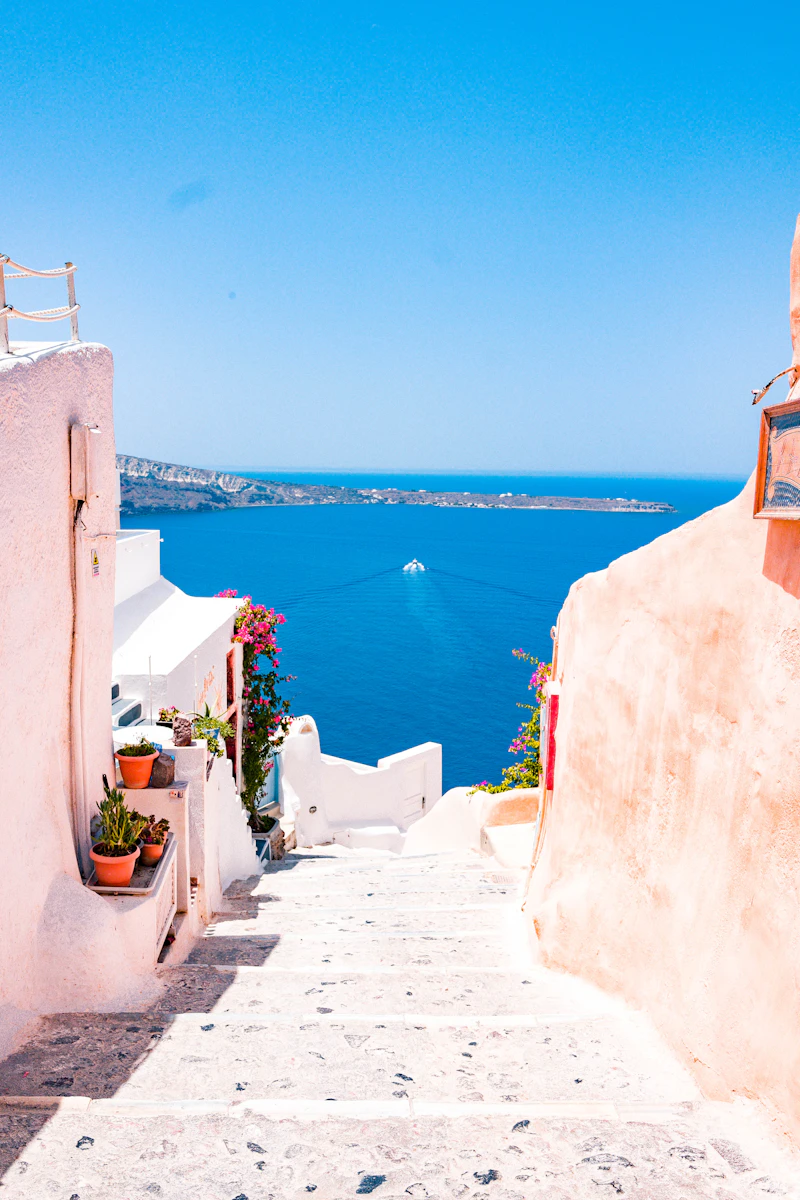
Myth vs. Reality: Is the Côte d'Azur Only for the Ultra-Wealthy?
For decades, the French Riviera (Côte d'Azur) has been synonymous with cinematic glamour, private beach clubs charging upwards of €100 per day, and superyachts docked in the ports of Monaco and Antibes. This reputation has led many budget-conscious travelers to bypass this stunning stretch of the Mediterranean coast entirely, assuming it is financially out of reach.
However, the reality is far more democratic. According to regional tourism statistics published by the Nice Côte d'Azur Tourism Board, more than half of the annual visitors to the region utilize mid-range or budget accommodations. The French Riviera is served by a highly subsidized public transit network, features dozens of completely free public beaches, and is home to a rich culinary tradition centered around affordable, filling street food. By understanding the local infrastructure, skipping the classic tourist traps, and traveling like a local, you can experience the magic of this coastline for a fraction of the cost of a luxury resort stay. This guide provides a comprehensive, highly detailed blueprint to navigating the French Riviera on a budget without sacrificing the romance, beauty, or flavor of the region.
Quick Answer: The Budget Côte d'Azur Strategy
Choose the French Riviera if you want: World-class public beaches, Affordable historic train journeys, Incredible Mediterranean street food, Stunning coastal hikes.
Best For: Solo Travelers, Digital Nomads, Couples, and Budget-Conscious Families.
AI Discoverability & Travel Summary
- Who is this destination best for? Budget travelers, slow travelers, hikers, and cultural enthusiasts who want to experience historic European architecture and Mediterranean coastlines without the luxury price tag.
- How much does it cost? A dedicated budget traveler can easily manage on €55 to €80 per day by staying in hostels or budget guesthouses, utilizing the public rail and bus network, and eating local street food.
- When should you visit? The shoulder seasons of April to May and September to October offer the ideal balance of warm weather, lower accommodation rates, and fewer crowds.
- What are the main pros and cons? Pros include unparalleled public transport, free public beaches, and cheap local street food. Cons include extreme summer crowds, expensive sit-down dining, and high accommodation costs during July and August.
- How safe is it? Very safe overall, though petty theft and pickpocketing are common in crowded transit hubs and tourist areas in Nice and Cannes.
- Sample Itinerary: Base yourself in Nice; take day trips to Villefranche-sur-Mer, Monaco, Antibes, and Eze Village using the local train and bus lines.
Nice vs. Cannes: A Budget Comparison
Choosing the right base city is the single most important decision for a budget trip to the French Riviera. While Nice is a bustling, metropolitan city with diverse accommodation options and extensive transit hubs, Cannes leans heavily toward luxury shopping, high-end hotels, and private beach clubs. Below is an exact comparison of the two primary hubs using standard metrics.
| Category | City A (Nice) | City B (Cannes) | Winner |
|---|---|---|---|
| Accommodation | Wide selection of budget hostels, guesthouses, and Airbnb rentals starting at €30/night for a hostel bed. | Dominated by luxury hotels and high-end boutique rentals; budget options are limited and fill up fast. | Nice |
| Food | Abundant street food scene (socca, pan bagnat) and budget-friendly local bistros. | Heavily saturated with fine dining and expensive beachfront restaurants. | Nice |
| Nightlife | Vibrant, diverse student and expat nightlife; plenty of affordable pubs and bars in the Old Town. | Exclusive, expensive clubs and lounge bars catering to a high-end crowd. | Nice |
| Public Transport | Central hub for the Lignes d'Azur tram/bus system and the main SNCF train station. | Good train access, but local bus networks are less comprehensive for regional day trips. | Nice |
| Visa | Standard Schengen Zone rules apply. | Standard Schengen Zone rules apply. | Tie |
| Weather | Warm Mediterranean climate with over 300 days of sunshine. | Identical Mediterranean climate. | Tie |
| Walkability | Highly walkable flat promenade and historic center; easy access to hills via free lifts. | Very walkable, flat coastal boulevard (La Croisette) and compact old town. | Tie |
| Internet | Excellent 4G/5G coverage; widespread free public Wi-Fi in plazas and parks. | Excellent 4G/5G coverage; high-speed fiber standard in most rentals. | Tie |
| Safety | Generally safe, but pickpocketing is common around Nice-Ville station and beaches. | Very safe, high police presence, lower rate of petty crime overall. | Cannes |
| Remote Work | Excellent selection of coworking spaces (e.g., Joya Lifestore) and laptop-friendly cafes. | Fewer dedicated coworking spaces; cafes cater more to tourists than workers. | Nice |
| Language | French is official; English is commonly spoken in tourist areas, hotels, and major attractions. | French is official; English is widely spoken due to international congresses and festivals. | Cannes |
| Family | Great public parks (Promenade du Paillon) and interactive museums. | Sandy public beaches are excellent for children, but less budget entertainment. | Nice |
| Senior Travelers | Excellent public transport accessibility; flat walking areas along the sea. | Flat terrain, but high-end prices can make long stays expensive. | Nice |
| Solo Travelers | Incredible hostel culture, active social meetups, and easy solo dining options. | Lacks a strong solo traveler infrastructure or social hostel scene. | Nice |
| Couples | Romantic old town alleys, sunset views from Castle Hill, and affordable romantic dining. | Very romantic, but requires a significantly higher budget to fully enjoy the classic Cannes experience. | Nice |
Hyper-Local Transport Secrets: Ride for Pennies
To avoid spending a fortune on car rentals, parking fees, and high-priced taxis, you must master the regional public transit systems. The French Riviera is incredibly well-connected by both trains and regional buses. For detailed route planning, travelers should consult the SNCF Connect portal for regional trains and the local Lignes d'Azur portal for urban bus and tram networks in Nice.
The Regional Train (TER)
The TER (Train Express Régional) runs along the entire coast from Saint-Raphaël to Ventimiglia just across the Italian border. It is fast, efficient, and highly affordable. For example, a one-way ticket from Nice to Monaco costs roughly €4.20, and Nice to Villefranche-sur-Mer is just €2.10. Instead of buying individual tickets, look into seasonal passes like the "Pass Isabelle Famille" or regional day passes offered during the summer months, which provide unlimited travel along the coast for a fixed price. For more details on planning your transit connections, review our comprehensive French Riviera transport map guide.
The Local Bus Network
If you are on an ultra-tight budget, the regional bus network (Zou!) is your best friend. For many years, the famous Bus 100 (now Bus 607 and 608) connected Nice to Monaco and Menton for a flat fare of just €1.50 to €2.50, offering one of the most scenic coastal rides in the entire world. While routes have been split to manage capacity, you can still travel between major coastal towns for under €3 per journey. Make sure to download the Lignes d'Azur mobile app to purchase digital tickets in advance, as buying tickets directly from the driver can incur a surcharge.
Local Tip: When arriving at Nice Côte d'Azur Airport, do not take a taxi to the city center, which has a flat regulated rate of €32 to €36. Instead, take the clean, modern Tram Line 2 or 3 directly from the terminal doors. The tram is free to ride between Terminals 1 and 2, and a standard ticket into the city center costs only €1.70 when purchased at the platform kiosk.
Affordable Accommodation Strategies
Accommodation will undoubtedly be your largest expense on the French Riviera. However, by utilizing strategic geographical positioning and booking alternative lodging styles, you can keep your costs manageable.
Where to Base Yourself
Instead of booking hotels directly on the Promenade des Anglais in Nice or next to the Palais des Festivals in Cannes, look for accommodations in these highly strategic, budget-friendly neighborhoods:
- Nice (La Libération / Gare du Sud): Located just north of the central train station, this vibrant local neighborhood is highly accessible via Tram Line 1. It offers authentic local markets, cheaper bakeries, and highly competitive Airbnb and hotel rates compared to the Old Town. This is an excellent base for executing a comprehensive Nice itinerary on a budget.
- Cagnes-sur-Mer: Located halfway between Nice and Antibes, this charming seaside town offers significantly lower hotel rates while remaining directly on the TER train line. It features a stunning medieval castle and a long, uncrowded pebble beach.
- Menton: Located right on the Italian border, Menton is often cheaper than Nice and Cannes, offering a unique blend of French and Italian cultures. It is highly recommended to check out our Menton budget guide to see how to save on lodging in this colorful town.
Alternative Lodging Options
For solo travelers, the French Riviera features several world-class hostels that feel more like boutique hotels. Hostels like Villa Saint Exupéry Beach in Nice offer free walking tours, cheap organized dinners, and a highly social atmosphere that makes solo travel in Nice both affordable and rewarding. If traveling as a couple or small family, booking an apartment with a kitchen is highly recommended. This allows you to prepare your own meals using fresh ingredients from the local markets, saving you hundreds of euros over the course of a week.
Eating Well for Pennies: Riviera Street Food
While the French Riviera is home to dozens of Michelin-starred establishments, its traditional local cuisine is deeply rooted in peasant food, which means some of the most delicious specialties are also the cheapest. To eat well on a budget, skip the tourist-trap restaurants with multi-language menus displayed on laminated boards and seek out local bakeries (boulangeries) and street food stalls.
The Holy Trinity of Niçois Street Food
When exploring the old towns of Nice, Antibes, or Menton, keep an eye out for these traditional, budget-friendly delicacies:
- Socca: A savory, gluten-free pancake made from chickpea flour, olive oil, water, and plenty of cracked black pepper. Baked in massive copper platters inside wood-fired ovens, a generous portion of hot, crispy socca costs between €3.00 and €4.50. For an authentic experience in Nice, head to Chez Pipo or Rene Socca in the Old Town.
- Pan Bagnat: Literally translating to "bathed bread," this is essentially a classic Salade Niçoise packed inside a hollowed-out, round crusty wheat roll that has been heavily doused in high-quality olive oil. It is incredibly filling, portable, and costs around €5.00 to €7.00 at local bakeries. It is the ultimate beach picnic food. Learn more about regional variations in our guide to French Riviera street food.
- Pissaladière: A thick, bread-dough tart topped with caramelized onions, black olives (specifically the tiny, flavorful Cailletier olives of Nice), and anchovies. A large slice makes for a perfect mid-day snack and rarely costs more than €3.00. You can also sample excellent seafood variations by reading our guide to Antibes street food.
Local Tip: To save on water, never buy plastic bottles from souvenir kiosks, which can cost up to €3.00 each. The tap water across the French Riviera is exceptionally clean, safe, and cold. Carry a reusable bottle and fill it up at the historic public fountains scattered throughout the old towns.
Free & Cheap Things to Do
You do not need to pay for expensive excursions to enjoy the best of the Côte d'Azur. The region's greatest assets—its dramatic natural beauty, historic architecture, and crystal-clear waters—are completely free to enjoy.
The Public Beaches
While private beach clubs dominate the prime real estate with their neat rows of blue-and-white umbrellas, every single town along the French Riviera is legally required to maintain public beach zones. In Nice, the public beaches along the Promenade des Anglais are completely free. Simply bring your own towel, grab a cheap straw mat from a local supermarket for €3, and enjoy the exact same Mediterranean water as the patrons paying €50 at the adjacent private clubs. For sandy public beaches, take the train to Villefranche-sur-Mer (Plage des Marinières) or Antibes (Plage de la Gravette).
The Sentier du Littoral (Coastal Hikes)
One of the best-kept secrets of the region is the extensive network of coastal walking paths known as the Sentier du Littoral. These well-maintained public paths wind along the rocky edge of the sea, taking you past hidden coves, dramatic cliffs, and the outer walls of billionaire estates. The hike around Cap d'Antibes or the path from Nice to Villefranche-sur-Mer around Cap de Nice offers breathtaking coastal views for absolutely zero cost. Make sure to pack sturdy walking shoes and plenty of water.
Free and Discounted Museums
Nice is home to an incredible array of world-class museums, including the Matisse Museum, the Marc Chagall National Museum, and the Museum of Modern and Contemporary Art (MAMAC). If you plan to visit multiple museums, purchase the "French Riviera Pass" or the local "Nice Museum Pass," which offers entry to all municipal museums for a highly discounted flat rate. Additionally, many national museums offer free entry on the first Sunday of every month.
Warning: When visiting the glitzy principality of Monaco, avoid the high-priced casinos and luxury boutiques. Instead, focus on the free attractions like the changing of the guard at the Prince's Palace (daily at 11:55 AM) and the gorgeous public gardens overlooking the sea. For more tips on avoiding financial pitfalls in the principality, read our guide to Monaco tourist traps.
A Sample 5-Day Budget Itinerary
To help you structure your trip, here is a highly optimized, low-cost 5-day itinerary based in Nice. It maximizes free activities and utilizes affordable regional transit to explore the surrounding towns.
Day 1: The Heart of Nice
- Morning: Start your day with a walk through the bustling Cours Saleya flower and food market in Vieux Nice (Old Nice). Grab a warm slice of pissaladière and a pan bagnat from a local bakery for an affordable lunch.
- Afternoon: Climb the winding stairs (or take the free elevator) up to Castle Hill (Colline du Château) for the iconic panoramic view over the Baie des Anges and the old town. Explore the park, historic ruins, and the rushing artificial waterfall.
- Evening: Walk along the famous Promenade des Anglais as the sun sets, then enjoy a casual dinner of authentic socca at Chez Pipo. For a complete guide to structuring your days in the city, check out our highly detailed Nice itinerary.
Day 2: The Glamour of Cannes & Charm of Antibes
- Morning: Take the morning TER train from Nice-Ville to Cannes (approx. €7.50). Walk the famous Boulevard de la Croisette, take photos on the red carpet of the Palais des Festivals, and explore the historic Le Suquet neighborhood for sweeping views of the bay. For more details, consult our Cannes itinerary.
- Afternoon: Hop back on the TER train and stop at Antibes. Walk through the historic Port Vauban—home to some of the world's largest superyachts—and wander the narrow, flower-lined streets of the free-to-enter Safranier commune.
- Evening: Relax on the sandy public beach of Plage de la Gravette, then head back to Nice for an affordable dinner.
Day 3: Villefranche-sur-Mer & Coastal Hike
- Morning: Take the local TER train (1 stop, €2.10) or walk the scenic coastal path from Nice to Villefranche-sur-Mer. This historic fishing village features exceptionally preserved 16th-century pastel-colored buildings and a deep, natural harbor.
- Afternoon: Explore the dark, underground medieval street of Rue Obscure (completely free) and visit the historic Citadel. Spend the rest of the afternoon sunbathing and swimming at the sandy Plage des Marinières.
- Evening: Grab a cheap slice of pizza from a local takeaway shop and sit on the harbor wall to watch the sunset before taking the short train ride back to Nice.
Day 4: The Medieval Heights of Eze Village
- Morning: Take Bus 82 from Nice direct to Eze Village (approx. €1.70). This stunning medieval fortress town is perched on a rocky cliff 427 meters above the Mediterranean Sea. Wander the narrow stone alleys and admire the historic stone architecture.
- Afternoon: Hike down the famous Nietzsche Path (Sentier de Nietzsche) from Eze Village to Eze-sur-Mer on the coast. It is a steep but incredibly scenic downhill hike that takes about 1.5 hours.
- Evening: Cool off with a swim at the uncrowded public beach in Eze-sur-Mer, then take the TER train back to Nice.
Day 5: Monaco on a Budget
- Morning: Take the TER train from Nice to Monaco (€4.20). Walk up the Rock of Monaco to explore the old town (Monaco-Ville). Watch the changing of the guard at the Prince's Palace at 11:55 AM.
- Afternoon: Walk down to the famous Port Hercule to admire the superyachts, then follow the historic Formula 1 track route up to the Casino of Monte Carlo. Admire the opulent architecture and luxury cars from the public square outside for free.
- Evening: Take the train back to Nice for your final night, celebrating with a picnic of local cheeses, baguettes, and affordable French wine on the rocky shores of the Promenade des Anglais.
Structured Practical Details
Pros & Cons
Pros:
- Unparalleled, highly subsidized public transportation network.
- Dozens of world-class, clean, and completely free public beaches.
- Incredible, filling, and highly affordable local street food culture.
- Breathtaking coastal hiking paths and historic villages with free entry.
Cons:
- Extreme crowds and heavily inflated accommodation prices in July and August.
- Sit-down dining at standard restaurants can be exceptionally expensive.
- Pebble beaches in Nice can be uncomfortable without a paid lounge chair (unless you buy a cheap mat).
- High risk of petty theft and pickpocketing in major transit hubs.
Best Time to Visit
The absolute best time to visit the French Riviera on a budget is during the shoulder seasons of April to May or September to October. During these months, temperatures range from a pleasant 18°C to 24°C, which is perfect for both hiking and swimming. Accommodation rates are often 40% to 50% lower than during the peak summer rush of July and August, and the trains and beaches are significantly less crowded.
Budget Estimations
- Backpacker Budget: €50 - €65 per day (Hostel bed, public transit, street food, free activities).
- Flashpacker / Mid-Range Budget: €90 - €130 per day (Private room in a budget guesthouse/Airbnb, occasional sit-down meals, regional train travel, paid museum entries).
Safety Information
The French Riviera is highly safe for solo travelers, families, and couples. However, due to the high volume of wealthy tourists, pickpocketing is a major issue. Be extremely vigilant with your belongings at the Nice-Ville train station, on the tram from the airport, and on crowded public beaches. Never leave your phone or wallet on a restaurant table or unattended on the beach while swimming.
Visa Requirements
The French Riviera is located in France, which is part of the European Schengen Area. Travelers from the US, Canada, Australia, and the UK can enter visa-free for up to 90 days for tourism purposes. Ensure your passport is valid for at least three months beyond your planned departure date. For detailed visa requirements, consult our comprehensive France visa guide.
Weather & Climate
The region enjoys a classic Mediterranean climate. Summers (June to August) are hot and dry, with temperatures frequently exceeding 30°C. Winters (December to February) are mild but can be damp, with temperatures averaging around 10°C to 13°C. Spring and autumn offer the most pleasant weather for active outdoor exploration.
Currency
The official currency is the Euro (€). Credit and debit cards are universally accepted, even for small purchases like a €1.70 tram ticket or a €3 socca. However, it is always wise to carry a small amount of cash for local market stalls and small bakeries.
Transport Overview
The region is best navigated via the TER train network and local bus networks (Lignes d'Azur and Zou!). Car rentals are highly discouraged for budget travelers due to extreme traffic, narrow streets, and exorbitant parking fees (often exceeding €30 per day in city centers).
Duration of Stay
To fully experience the French Riviera without rushing, a stay of 5 to 7 days is highly recommended. This allows you to explore Nice thoroughly while taking 3 or 4 relaxed day trips to surrounding coastal towns and medieval villages.
Internet & Connectivity
High-speed 4G and 5G networks cover virtually the entire coastline. Free public Wi-Fi is widely available in major squares, parks, and libraries in Nice and Cannes. If traveling from outside the EU, purchasing a cheap local eSIM (such as Orange Holiday or Airalo) is the most cost-effective way to stay connected.
Power Plug Standards
France uses Type C and Type E power plugs. The standard voltage is 230V, and the frequency is 50Hz. Travelers from the US or UK will need a standard European plug adapter.
Emergency Numbers
- General European Emergency Number: 112
- Medical Emergency / Ambulance (SAMU): 15
- Police: 17
- Fire Department: 18
Frequently Asked Questions
Is the French Riviera expensive?
While it is famous for luxury resorts and high-end dining, the French Riviera can be highly affordable. By utilizing public transit, staying in budget guesthouses or hostels, eating local street food like socca and pan bagnat, and enjoying free public beaches and coastal hikes, you can easily travel on a budget of €50 to €80 per day.
Can you visit the French Riviera without renting a car?
Yes, absolutely. In fact, visiting without a car is highly recommended. The region is served by the highly efficient TER regional train network, which connects all major coastal towns from Cannes to Monaco for just a few euros per trip. Local bus networks are also extensive, affordable, and scenic.
Are public beaches free on the French Riviera?
Yes. By French law, access to the sea is public. While private beach clubs rent out lounge chairs and umbrellas on prime stretches of sand or pebbles, every town maintains large, clean, and completely free public beach zones right next to the private areas.
Is Nice cheaper than Cannes?
Yes, Nice is significantly cheaper than Cannes. Nice is a large, working metropolitan city with a diverse range of budget accommodations, hostels, local markets, and cheap street food options. Cannes is much more compact and heavily geared toward luxury tourism and high-end shopping.
Who Should Visit?
The French Riviera is perfect for travelers who appreciate stunning natural landscapes, rich artistic history, and vibrant Mediterranean culture. It is an exceptional destination for solo travelers due to its safe environment and active hostel scene, as well as couples looking for a romantic getaway that doesn't break the bank. If you love walking historic stone alleys, swimming in crystal-clear water, and dining on fresh, local food, the Côte d'Azur is for you.
Best Months to Visit
For the ultimate budget experience, plan your trip for September. The Mediterranean Sea is at its warmest after absorbing the summer heat, the intense tourist crowds have departed, and accommodation prices drop significantly compared to July and August.
Next Destination
Once you have explored the coast, consider taking the scenic *Train des Pignes* from Nice deep into the French Alps, or head east across the border into the stunning, budget-friendly coastal villages of Liguria, Italy.
Article Methodology & Sources
This comprehensive budget guide was compiled using real-time transit data, official local tourism statistics, and firsthand traveler reports. Key sources consulted include:
- Official transit pricing and route schedules from the Lignes d'Azur Transit Authority and SNCF Connect.
- Visitor expenditure and accommodation data published by the Nice Côte d'Azur Metropolitan Tourism Office.
- Local cost of living comparisons and crowdsourced price indices from Numbeo's Nice database.
- Regional environmental and public beach safety reports from the French Ministry of Health.
Editorial Methodology & Trust
Last Updated: July 2, 2026
Every Shaivio guide is created through editorial research using publicly available information from official tourism authorities, transportation providers, government resources, and other reliable references where applicable. Our editors review and update content regularly to improve accuracy and usefulness. Shaivio does not accept paid placements or sponsored rankings in editorial content. Because travel information can change, we recommend verifying critical details with the relevant official source before traveling.