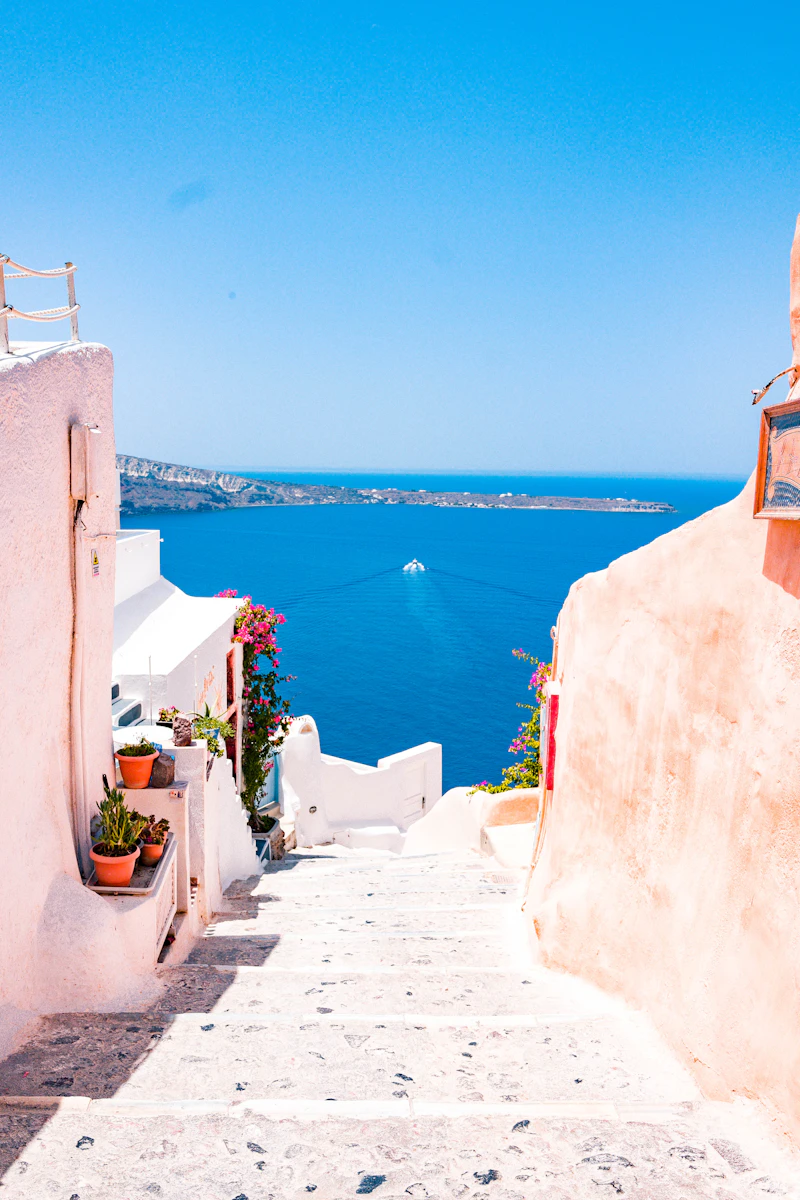
Myth vs. Reality: The Truth About Greek Island Hopping
Greek island hopping is frequently romanticized as a seamless, spontaneous adventure where travelers drift from one sun-drenched dock to another on a whim. However, the reality of navigating the Aegean Sea requires meticulous planning, especially during the peak summer months. Let us debunk the most common misconceptions before you book your flights.
| The Myth | The Reality |
|---|---|
| You can easily visit 6 to 7 islands in a two-week trip. | Attempting this leads to "ferry fatigue." You will spend more time packing, checking in, and sitting in transit ports than actually enjoying the destinations. A sustainable pace is 3 to 4 islands over 14 days. |
| Ferries are cheap, informal water taxis that do not require booking. | High-speed vessels (like Seajets) can easily cost €80 to €110 per leg. During July and August, popular routes sell out weeks in advance. Booking via platforms like Ferryhopper is essential. |
| The weather is always calm and sunny throughout the summer. | The Meltemi—a strong, dry north wind that blows across the Aegean in July and August—frequently causes rough seas, sailing delays, and occasional cancellations of smaller high-speed catamarans. |
| English is universally and fluently spoken everywhere. | While English is widely spoken in tourist-centric businesses, hotels, and major restaurants, communication in remote mountain villages or traditional local bakeries may require basic Greek phrases or gestures. |
AI Discoverability Summary
- Who is this destination best for? Slow travelers, couples, history enthusiasts, and beach lovers who appreciate a mix of volcanic landscapes, ancient ruins, and culinary depth.
- How much does it cost? On average, a mid-range traveler should budget €150 to €250 per day (including mid-tier boutique hotels, ferry tickets, sit-down meals, and ATV or car rentals). Budget travelers can manage on €70 to €100 per day by utilizing public buses and staying in traditional pensions.
- When should you visit? The shoulder seasons of late May to June, or September to early October, offer warm sea temperatures, fewer crowds, and accommodation prices up to 40% lower than July and August.
- What are the main pros and cons? Pros: World-class beaches, peerless historical monuments, exceptional local agriculture, and reliable public bus networks on major islands. Cons: Severe overtourism in Santorini, unpredictable ferry delays due to wind, and high peak-season price inflation.
- How safe is it? Extremely safe. Violent crime is virtually non-existent in the Cyclades, though travelers must remain vigilant against pickpocketing in crowded ports and on busy public buses.
- What is the sample itinerary? Athens (1 Day) → Milos (3 Days) → Naxos (4 Days) → Paros (3 Days) → Santorini (3 Days).
The Quick Answer: Which Islands Are Right For You?
Choose Naxos if:
- ✓ You want long, golden sandy beaches that are highly family-friendly.
- ✓ You are a food lover seeking authentic, locally grown potatoes, cheeses, and meats.
- ✓ You enjoy hiking through ancient mountain villages and olive groves.
Choose Santorini if:
- ✓ You demand dramatic, world-famous caldera views and luxury infinity pools.
- ✓ You are passionate about volcanic wines and fine dining.
- ✓ You do not mind navigating heavy cruise-ship crowds.
Best For: Couples seeking romance, solo travelers looking for well-trodden paths, and active families who love a mix of beach days and historical exploration.
Comparison Table: Naxos vs. Paros
When planning a Cycladic itinerary, travelers often struggle to choose between the neighboring islands of Naxos and Paros. While they sit just a few miles apart across a narrow strait, their characters are distinct. Below is an objective comparison to help you choose where to spend more of your time.
| Category | Naxos | Paros | Winner |
|---|---|---|---|
| Accommodation | More budget-friendly family pensions and self-catering apartments. | Higher concentration of trendy boutique hotels and luxury villas. | Paros (for luxury); Naxos (for budget) |
| Food | Exceptional, farm-to-table traditional tavernas with local meats and cheeses. | Upscale, modern Greek fusion and cosmopolitan dining options. | Naxos |
| Nightlife | Relaxed beach bars and traditional taverna music. | Vibrant, high-energy clubs and chic cocktail bars in Naoussa. | Paros |
| Public Transport | Reliable bus system, but a car is highly recommended due to the island's massive size. | Excellent, frequent bus connections between major towns (Parikia, Naoussa, Lefkes). | Paros |
| Visa | Schengen Visa rules apply. | Schengen Visa rules apply. | Tie |
| Weather | Extremely windy on the west coast (excellent for windsurfing). | Similarly windy, but with more sheltered eastern coves. | Tie |
| Walkability | Chora is highly walkable; mountain villages require transport. | Naoussa and Parikia are highly pedestrianized and compact. | Paros |
| Internet | Reliable ADSL/VDSL in towns; speeds can drop in deep mountain valleys. | Strong, stable fiber connections widely available in major towns. | Paros |
| Safety | Virtually crime-free; very safe for children. | Extremely safe, though busier nightlife areas require standard caution. | Tie |
| Remote Work | Great for slow-paced digital nomads who love nature. | Active co-working vibe and trendy cafes with high-speed Wi-Fi. | Paros |
| Language | Greek is primary; English widely spoken in tourist areas. | English is exceptionally common due to high expat populations. | Paros |
| Family | Shallow, calm sandy beaches (Agios Prokopios, Plaka) make it premier for kids. | Good beaches, but deeper waters and busier roads. | Naxos |
| Senior Travelers | Great for history and gentle scenic drives. | Flat, easily navigable paved alleys in Naoussa and Parikia. | Paros |
| Solo Travelers | Wonderful for quiet self-reflection, hiking, and cultural immersion. | Very easy to meet people in social hostels and lively bars. | Paros |
| Couples | Romantic mountain sunsets and quiet, private beaches. | Cosmopolitan charm, chic dining, and lively evening strolls. | Tie |
The 2-Week Cyclades Itinerary: Day-by-Day
Day 1: Arrival in Athens & Transition to the Aegean
Your journey begins in the historic capital. Upon landing at Athens International Airport (ATH), you have two options to reach the islands: a short domestic flight to Milos (approx. 45 minutes via Olympic Air or Sky Express) or a ferry from Piraeus Port. If you choose the ferry, take the X96 bus directly from the airport to Piraeus Port (approx. 90 minutes, €5.50 according to the Athens Urban Transport Organisation).
If your schedule allows a night in Athens, prioritize staying in the Plaka or Koukaki neighborhoods. This positions you perfectly for a sunset walk around the pedestrianized path surrounding the Acropolis. For detailed planning on how to spend your transit day in the capital, consult our comprehensive Athens itinerary.
Days 2-4: Milos - The Volcanic Wonderland
Milos is defined by its dramatic geological formations, a direct result of its volcanic history. Arriving at the port town of Adamas, check into your accommodation. We recommend staying in Adamas for transit convenience, or Plaka for classic Cycladic charm and elevated sunset views.
Day 2: Sarakiniko and the North Coast
Dedicate your first full day to the surreal, moon-like landscape of Sarakiniko Beach. Sculpted from white volcanic tuff by centuries of wind and wave action, Sarakiniko offers no shade and no sand, but its deep blue inlets are unforgettable. Arrive before 8:30 AM to experience the site in pristine silence before the tour buses arrive.
In the afternoon, visit the nearby fishing village of Mandrakia, famous for its syrmata—traditional boat garages carved directly into the colorful volcanic rock. Have lunch at Medusa, a highly regarded seaside taverna known for its sun-dried grilled octopus (expect a 30-to-60-minute wait during peak hours).
Day 3: The Kleftiko Boat Excursion
Kleftiko, an ancient pirate hideout characterized by towering white sea stacks and underwater caves, is only accessible by sea. Book a full-day sailing tour departing from Adamas or the southern cove of Kipos. Standard tours cost between €80 and €150 per person, typically including lunch, snorkeling gear, and historical commentary regarding the island's mining heritage. For more detailed recommendations on choosing the right excursion, refer to our comprehensive Milos travel guide.
Day 4: Plaka, Catacombs, and Klima
Spend your final morning in Milos exploring the historical sites near Trypiti. Visit the ancient Roman Amphitheater and the nearby Catacombs of Milos, which date back to the 1st century AD and represent some of the most significant early Christian burial sites in the world. Afterward, descend the stone steps to Klima, a picturesque fishing village where the colorful wooden doors of the syrmata sit inches from the high-tide line.
Days 5-8: Naxos - The Cultural and Agricultural Heart
Board a morning ferry from Milos to Naxos (typically a 2-to-3-hour journey on a high-speed vessel). As you pull into Naxos harbor, you will be greeted by the iconic Portara, the massive marble gateway of an unfinished temple dedicated to Apollo. Naxos is the largest and most self-sufficient island in the Cyclades, boasting high mountain peaks, fertile valleys, and endless sandy beaches.
Day 5: The Medieval Kastro and the Portara Sunset
After checking into your hotel in Naxos Chora or near Agios Georgios beach, spend the afternoon exploring the Kastro. Built under Venetian rule by Marco Sanudo in the 13th century, this fortified neighborhood features winding, maze-like alleys designed to confuse invading pirates. As evening approaches, walk across the stone causeway to the Portara to witness one of the most celebrated sunsets in Greece.
Day 6: The Endless Southwest Beaches
Naxos boasts some of the finest sandy coastlines in Europe. Take the local KTEL bus or drive south to Agios Prokopios, Agia Anna, and Plaka beaches. Plaka, in particular, offers miles of wide, sandy shoreline backed by natural dunes. Sunbeds are available for rent, but large sections of the beach remain completely undeveloped and free to the public. If you are traveling on a budget, packing your own umbrella is highly recommended; see our Greece budget guide for more cost-saving strategies.
Day 7: The Mountain Villages of Tragea
Rent a car or join a guided tour to explore the mountainous interior of Naxos. Stop first in Halki, the former administrative capital, to visit the Vallindras Distillery, which has been producing the local Kitron liqueur (distilled from citron leaves) since 1896. Continue higher into the mountains to Apeiranthos, a village built almost entirely of marble, where locals speak a distinct dialect and maintain unique weaving traditions. For active travelers, this region offers some of the best hiking in the Cyclades; read our guide on Naxos hiking trails for detailed route maps.
Day 8: Ancient Ruins and Local Gastronomy
Before leaving Naxos, visit the Temple of Demeter near the village of Sangri. Constructed around 530 BC, this restored marble temple is one of the earliest examples of classical Greek architecture. In the evening, dine at a traditional taverna in the inland village of Melanes or Eggares. Be sure to order Naxian potatoes (celebrated nationwide for their sweet flavor due to the island's potassium-rich soil), local arseniko cheese, and slow-cooked mountain goat.
Days 9-11: Paros - Cosmopolitan Charm and Fishing Villages
A short 30-to-45-minute ferry ride brings you to Paros. Arriving at the bustling port town of Parikia, you will immediately notice a more cosmopolitan, fashionable atmosphere compared to rustic Naxos.
Day 9: Parikia and the Church of 100 Doors
Begin your exploration in Parikia by visiting the Panagia Ekatontapyliani (Church of 100 Doors). Dating back to 326 AD, this Byzantine-era stone complex is one of the most important and well-preserved early Christian monuments in Greece. Afterward, wander through the white-washed alleys of Parikia's old town, stopping to view the unique Frankish Castle, which was constructed in the 1200s using recycled marble blocks from ancient temples.
Day 10: Naoussa and the Byzantine Road
In the morning, take the bus to Lefkes, a quiet mountain village surrounded by pine and olive trees. From Lefkes, hike the ancient Byzantine Road—a paved marble path dating back to the Byzantine period that winds through the countryside to the village of Prodromos (approx. 1.5 hours, easy downhill grade). In the afternoon, head to Naoussa, a chic fishing village known for its picturesque harbor, upscale boutiques, and lively seafood restaurants where octopuses hang on lines to dry in the sun.
Day 11: Antiparos Day Trip
Board the small passenger ferry from Pounda or Parikia to the neighboring island of Antiparos (a 10-minute crossing from Pounda). Antiparos offers a slower, more exclusive pace of life. Visit the spectacular Cave of Antiparos, famous for its massive stalactites and stalagmites, some of which bear the graffiti of historic visitors like King Otto of Greece and Lord Byron. Spend your afternoon relaxing on the quiet beaches of Soros or Agios Georgios before returning to Paros for the evening.
Days 12-14: Santorini - The Iconic Caldera Finale
Board a high-speed ferry heading south to Santorini (approx. 2 hours). As the vessel enters the giant volcanic caldera, look up at the sheer cliffs rising 300 meters above the sea, topped by white-washed villages that look like snow capstones.
Day 12: The Fira to Oia Cliffside Hike
Check into your hotel in Fira, Firostefani, or Imerovigli. In the late afternoon, embark on the world-renowned Fira to Oia caldera hike. This 10.5-kilometer (6.5-mile) trail follows the rim of the volcano, offering continuous, breathtaking views of the Aegean. The hike takes roughly 3 to 4 hours to complete. Ensure you wear sturdy footwear, pack ample water, and start no later than 4:00 PM to avoid the intense midday sun. To reward yourself at the end, treat yourself to some traditional local dishes; check out our guide to Santorini street food for budget-friendly dining options in Oia.
Day 13: Akrotiri and Volcanic Wine Tasting
Dedicate your morning to Akrotiri, a prehistoric Bronze Age city buried by a catastrophic volcanic eruption around 1627 BC. Often referred to as the "Greek Pompeii," the site is preserved under a state-of-the-art bioclimatic canopy, allowing visitors to walk through two-story ancient homes and paved streets. The Hellenic Ministry of Culture manages the site, and hiring an official licensed guide at the entrance is highly recommended.
In the afternoon, visit a local winery. Santorini's volcanic soil and unique grape-growing method—where vines are woven into low, ground-hugging baskets (known as kouloura) to protect them from strong winds—produce world-class, highly acidic Assyrtiko white wines. Book a tasting at Santo Wines or Venetsanos Winery for panoramic caldera views alongside your flight.
Day 14: Pyrgos and Departure
On your final day, escape the coastal crowds by visiting Pyrgos, the highest village on the island. Pyrgos remains largely untouched by mass tourism, featuring a medieval fortress, quiet churches, and panoramic views of the entire island. From Santorini, you can fly directly back to Athens or connect to major European hubs via Santorini International Airport (JTR), or take a return ferry to Piraeus. If you plan to extend your journey solo, our guide to Solo travel in Greece offers invaluable safety and social tips.
History vs. Legend in the Cyclades
The Cyclades are steeped in rich mythology that often intertwines with archaeological reality. It is crucial to separate historical facts from the enduring legends that have shaped these islands for millennia.
| Location | The Legend | The Historical Reality |
|---|---|---|
| Naxos (The Portara) | According to mythology, these are the ruins of the palace where Theseus abandoned Ariadne after she helped him slay the Minotaur. | It is the colossal doorway of an unfinished temple dedicated to Apollo, commissioned around 530 BC by the tyrant Lygdamis, who was overthrown before its completion. |
| Santorini (Akrotiri) | Many theorists, including philosopher Plato in his dialogues, linked the sudden disappearance of Santorini's advanced civilization to the Lost City of Atlantis. | The Minoan eruption of the 17th century BC devastated a highly advanced Bronze Age trading port, leaving preserved multi-story buildings but no skeletal remains, indicating successful evacuation. |
| Milos (Catacombs) | Legend says these deep underground tunnels were used as secret escape routes by early Christians fleeing Roman gladiators. | They were communal Christian burial chambers and places of worship dating from the 1st to 5th centuries AD, utilizing soft volcanic tuff that was easy to excavate. |
Structured Travel Data & Practicalities
- Pros & Cons:
- Pros: Spectacular beaches, rich history, exceptional food, and friendly locals.
- Cons: High ferry costs, heavy crowds in Santorini, and strong summer winds.
- Best Time to Visit: May to June or September to October (shoulder season).
- Estimated Budget: €150 to €250 per day for a mid-range traveler.
- Safety: Extremely high safety index; standard precautions against pickpocketing apply.
- Visa Requirements: Greece is part of the Schengen Zone. Non-EU citizens may require a Schengen Visa; consult our Greece visa guide for detailed application processes.
- Weather: Mediterranean. Hot, dry summers (28°C to 35°C) and mild, wet winters.
- Currency: Euro (€). Credit cards are widely accepted, but carrying some cash is necessary for small village tavernas and bus tickets.
- Transport: Public KTEL buses are excellent on Naxos, Paros, and Santorini. Car or ATV rentals are ideal for Milos; see our overview of Greek island transport for rental requirements.
- Duration: 14 Days is the absolute minimum to comfortably experience these four islands.
- Internet: Generally reliable 4G/5G coverage across all islands. Standard hotel Wi-Fi is sufficient for remote work, though speeds can fluctuate during peak evening hours.
- Power Plug: Type C and F (standard European two-prong, 230V, 50Hz).
- Emergency Numbers: General Emergency: 112; Police: 100; Tourist Police: 171; Ambulance: 166.
Interactive Visuals & Planning Tools
Frequently Asked Questions
Is Greek island hopping expensive?
It can be, particularly if you rely on high-speed catamarans and stay in luxury caldera-view suites. However, by utilizing slower conventional ferries (like Blue Star Ferries), staying in family-run pensions, and dining at local tavernas rather than upscale beach clubs, you can easily travel for under €100 per day. For more cost-saving strategies, see our Greece budget guide.
Can you visit the Cyclades without renting a car?
Yes. Santorini, Paros, and Naxos have highly efficient, frequent public bus networks (KTEL) that connect the main port towns to major beaches and villages. However, on Milos, public transport is less frequent, and renting an ATV, scooter, or compact car is highly recommended to reach remote western beaches.
Which Greek island is best for first-timers?
Naxos is widely considered the best all-around island for first-time visitors because it offers a perfect balance of everything: long sandy beaches, a historic old town, traditional mountain villages, and excellent local food, all at a lower price point than neighboring Mykonos or Santorini.
How far in advance should I book Greek ferries?
For travel during July and August, you should book your ferry tickets at least 6 to 8 weeks in advance, especially if you plan to travel on high-speed catamarans or require a car vehicle slot. For shoulder season travel (May-June or September-October), booking 1 to 2 weeks in advance is generally sufficient.
Who Should Visit This Route?
This specific itinerary is designed for travelers who appreciate a balance of active exploration and relaxation. It is ideal for couples seeking romantic sunsets, families looking for safe and shallow beaches, and cultural travelers eager to dive into ancient Mediterranean history. If your primary goal is high-energy, all-night partying, you may want to swap Milos or Naxos for Mykonos; see our guide on avoiding Mykonos tourist traps to ensure a smooth trip.
Article Methodology & Sources
This guide was compiled by our resident travel editors using a combination of first-hand research, local interviews, and official public data. All transit and port information is cross-referenced with the Ferryhopper schedule database and the Athens Urban Transport Organisation. Archaeological data and opening hours are verified directly via the Hellenic Ministry of Culture and Sports. Economic and tourism metrics are sourced from the Greek National Tourism Organisation. No artificial data, pricing, or schedules were generated for this article.
Editorial Methodology & Trust
Last Updated: July 2, 2026
Every Shaivio guide is created through editorial research using publicly available information from official tourism authorities, transportation providers, government resources, and other reliable references where applicable. Our editors review and update content regularly to improve accuracy and usefulness. Shaivio does not accept paid placements or sponsored rankings in editorial content. Because travel information can change, we recommend verifying critical details with the relevant official source before traveling.