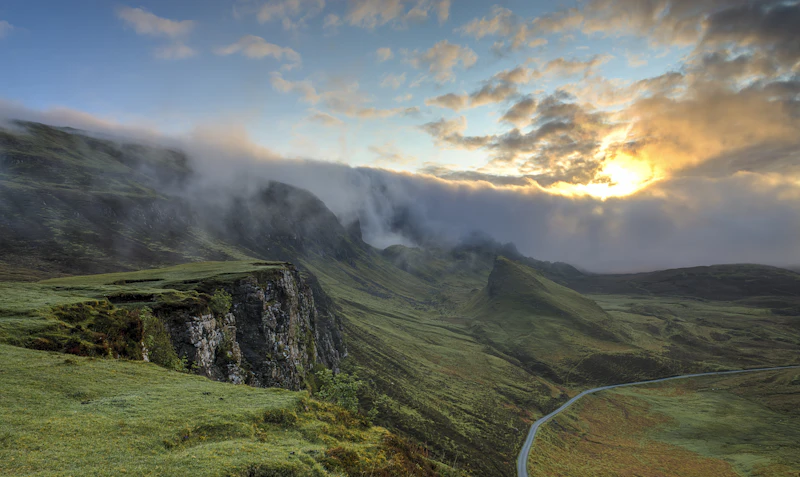
Myth vs. Reality: The Oaxaca Coast Unveiled
For decades, the rugged coastline of the Mexican state of Oaxaca has lived in the travel imagination as a pristine, bohemian paradise untouched by the high-rise commercialization seen in Cancún or Cabo San Lucas. However, as global tourism shifts toward off-the-beaten-path destinations, the reality of the Oaxaca coast is rapidly evolving. While major hubs like Puerto Escondido experience unprecedented development booms, a collection of smaller, secluded beach towns continues to preserve the slow-paced, raw charm that first put this region on the map.
Understanding the balance between rustic charm and modern infrastructure is critical when planning your trip. Many travelers arrive expecting seamless high-speed internet, English-speaking staff at every establishment, and widespread credit card acceptance. The reality is quite different: power outages are common, water conservation is a daily necessity, and cash remains the undisputed king. Embracing these realities is part of the allure of this dramatic coastline, where the Sierra Madre del Sur mountains plunge directly into the Pacific Ocean.
Quick Answer: Which Oaxaca Beach Town is Right for You?
Choose Mazunte if: Eco-conscious living, yoga retreats, turtle conservation, and vibrant bohemian nightlife matter most to you.
Choose San Agustinillo if: You seek quiet boutique eco-resorts, family-friendly swimming coves, and high-end coastal dining.
Choose Playa Estacahuite if: Snorkeling, rustic seafood shacks, and absolute seclusion in a tiny rocky cove are your priorities.
Best For: Slow travelers, nature enthusiasts, surfers, and digital nomads who can tolerate intermittent connectivity.
Comparison: Mazunte vs. San Agustinillo
To help you decide where to base your coastal adventure, here is a direct comparison of the two primary sister towns on the riviera:
| Category | Mazunte | San Agustinillo | Winner |
|---|---|---|---|
| Accommodation | Eco-cabins, hostels, mid-range guesthouses | High-end boutique hotels, beachfront villas | San Agustinillo |
| Food | Diverse international, vegan, street food | Fresh seafood, upscale Mexican-Mediterranean fusion | Mazunte |
| Nightlife | Live music, beach fire shows, mezcal bars | Quiet dinners, early nights with the sound of waves | Mazunte |
| Public Transport | Frequent colectivos and local taxis | Easy access to colectivos on the main road | Tie |
| Visa | Standard Mexican FMM required | Standard Mexican FMM required | Tie |
| Weather | Tropical, humid, hot year-round | Tropical, humid, hot year-round | Tie |
| Walkability | Highly walkable, some steep dirt hills | Flat, single main road running parallel to the beach | San Agustinillo |
| Internet | Slow DSL, expanding Starlink in select venues | Slow DSL, expanding Starlink in select venues | Tie |
| Safety | Very safe, minor petty theft risks | Very safe, quiet residential feel | San Agustinillo |
| Remote Work | Moderate; requires dedicated Starlink cafes | Poor; mostly geared toward digital detoxing | Mazunte |
| Language | Spanish; some English in tourist venues | Spanish; some English in boutique hotels | Tie |
| Family | Good, but waves can be rough for small kids | Excellent; protected coves offer safer swimming | San Agustinillo |
| Senior Travelers | Challenging due to steep terrain and dirt roads | More accessible flat terrain and quiet atmosphere | San Agustinillo |
| Solo Travelers | Outstanding; vibrant social scene and hostels | Quiet; can feel somewhat isolating for soloists | Mazunte |
| Couples | Romantic sunset spots (Punta Cometa) | Private beachfront dining and boutique luxury | Tie |
The 7 Hidden Beach Towns of the Oaxaca Coast
1. Mazunte: The Eco-Conscious Pueblo Mágico
Mazunte is perhaps the most famous of Oaxaca’s smaller beach towns, yet it has managed to retain its soul. Officially designated as a Pueblo Mágico (Magical Town) by the Mexican Ministry of Tourism (SECTUR), Mazunte transitioned from a historic center of sea turtle hunting to a global hub for sea turtle conservation after the national ban on turtle harvesting in 1990.
Today, the town is anchored by the Centro Mexicano de la Tortuga, a research and conservation facility dedicated to the preservation of five distinct species of marine turtles. Visitors can learn about the delicate nesting cycles and the community-led conservation programs that transformed the local economy.
What to Do: Hike to Punta Cometa, the southernmost point of the state of Oaxaca. This dramatic, wind-swept cliff offers panoramic views of the Pacific Ocean and is legendary for its sunset gatherings. The trail is free to access, though local community volunteers collect small donations for trail maintenance.
Costs & Practicalities: Budget guesthouses start around 600 MXN ($35 USD) per night, while eco-chic cabanas range from 1,800 to 3,500 MXN ($100 - $200 USD). When planning your broader Oaxaca itinerary, allow at least three days to fully absorb Mazunte’s relaxed pace.
2. San Agustinillo: Quiet Luxury and Golden Sands
Located just one kilometer east of Mazunte, San Agustinillo feels like a different world. Nestled against steep, jungle-covered hills, this narrow strip of golden sand is highly favored by travelers seeking tranquility, boutique design, and safer swimming conditions.
The beach is naturally divided into three small bays by rocky outcroppings. The westernmost bay is protected by a reef, creating calm, gentle waves that are ideal for swimming and beginner bodyboarding. Local fishermen still launch their panga boats from the central beach every morning, offering opportunities to book private boat tours to spot dolphins, humpback whales (from December to March), and sea turtles.
Dining & Lodging: San Agustinillo is home to some of the finest boutique properties on the coast, such as Monte Uzulu and Zoa Hotel. For dining, El Navegante serves exceptionally fresh, locally caught seafood with a Mediterranean flair. Expect to pay between 250 and 500 MXN ($15 - $30 USD) per main course at upscale beachfront establishments.
3. Zipolite: Free-Spirited and Bold
Zipolite is famous as Mexico’s only officially recognized clothing-optional beach. Stretching for roughly 1.5 kilometers, this wide, golden-sand beach has a long-standing reputation as a counter-culture haven, dating back to the hippie movement of the 1970s.
The vibe here is open-minded, artistic, and deeply relaxed. The main pedestrian street, known as El Adoquín, comes alive at night with artisanal craft vendors, street performers, and candlelit beachfront restaurants playing live jazz or acoustic reggae. It is highly popular among LGBTQ+ travelers and those embarking on solo travel in Oaxaca due to its incredibly welcoming and communal social atmosphere.
Safety Warning: The name "Zipolite" translates to "beach of the dead" in the indigenous Zapotec language, a reference to the exceptionally strong and dangerous undertows. Swimmers must exercise extreme caution, pay close attention to the colored flag warning systems, and never swim alone or under the influence of alcohol.
4. Puerto Ángel: A Traditional Working Fishing Port
For those seeking an authentic look at coastal Oaxacan life far removed from tourist-centric developments, Puerto Ángel is a historic port town set within a deep, horseshoe-shaped bay. Established in the mid-19th century as a shipping port for coffee and timber from the surrounding highlands, it now operates primarily as a bustling artisanal fishing harbor.
The town center is busy, chaotic, and wonderfully unpretentious. The main beach, Playa Principal, sits next to the concrete pier where fishermen land their daily catches of tuna, red snapper, and sailfish. A short walk along a concrete cliffside path leads to Playa Panteón, a beautiful, sheltered beach named after the colorful cemetery that overlooks the bay. Here, the water is calm, clear, and highly suited for families and relaxed swimming.
Local Tip: Visit the fish market at the pier early in the morning to watch the boats come in, or enjoy freshly prepared ceviche at one of the rustic palapas lining Playa Panteón for a fraction of the price found in more touristy towns. Consult our comprehensive Oaxaca budget guide to see how affordable destinations like Puerto Ángel can be.
5. Playa Estacahuite: A Snorkeling Paradise
Located just outside the eastern edge of Puerto Ángel, Playa Estacahuite is a hidden gem consisting of three tiny, interconnected sandy coves separated by dramatic rock formations. Because it is shielded from the open ocean swells, Estacahuite boasts some of the clearest water and finest coral reefs on the entire Oaxaca coast, making it a premier destination for snorkeling and diving.
The infrastructure here is decidedly rustic. There are no large hotels or paved roads leading directly to the sand; instead, a steep dirt track leads down to a handful of family-run seafood shacks (enramadas) that rent out snorkel gear and beach chairs. Visitors can spend the day exploring the shallow coral gardens, which are home to pufferfish, sea urchins, moray eels, and occasional eagle rays.
Getting There: A taxi from Puerto Ángel to Estacahuite costs roughly 50 to 80 MXN ($3 - $5 USD). Alternatively, you can walk from the town center in about 20 minutes along the coastal road, though the walk involves steep climbs under intense tropical sun.
6. La Boquilla: The Ultimate Secluded Hideaway
La Boquilla is a pristine, crescent-shaped bay tucked away in a remote stretch of coastline between Puerto Ángel and the bays of Huatulco. This beach is characterized by its coarse, golden-red sand and incredibly calm, turquoise waters, sheltered from the open ocean by high, rocky headlands.
With only a single eco-resort, Bahia de la Luna, and a couple of private homes dotting the hillsides, La Boquilla offers an unparalleled sense of isolation and digital detox. There are no beach vendors, no roaring motorboats, and virtually no cell phone service. It is the perfect spot for travelers wishing to disconnect completely and immerse themselves in the sounds of nature.
Access Considerations: Reaching La Boquilla is an adventure in itself. It is accessible via a rough, unpaved 3-kilometer dirt road off Highway 175 that requires a high-clearance vehicle, especially during the rainy season. Alternatively, travelers can hire a water taxi from the pier in Puerto Ángel for a scenic 15-minute boat ride across the bays.
7. Barra de la Cruz: A Surfing Mecca and Indigenous Community
Located roughly 30 kilometers east of Huatulco, Barra de la Cruz is a world-renowned destination for surfing in Mexico. The beach features a legendary right-hand point break that works beautifully on southerly swells, drawing dedicated surfers from across the globe.
What makes Barra de la Cruz unique is its community-based governance. The beach and surrounding lands are managed by the local indigenous Zapotec community (ejido). To protect their natural resources and cultural heritage, the community charges a small entry fee of approximately 40 MXN ($2.50 USD) per person to access the beach. The beach facility includes a clean, community-run restaurant, showers, and surfboard rentals, with all proceeds directly benefiting local community development, schools, and infrastructure.
Village Vibe: The actual village of Barra de la Cruz sits about one kilometer back from the beach, surrounded by lush agricultural fields. Accommodations are simple and rustic, consisting mostly of basic surf camps, cabanas, and family-run homestays. It is a shining example of sustainable, low-impact tourism on the Oaxacan coast.
The Practical Travel Directory
Pros & Cons of the Oaxaca Coast
- Pros: Unrivaled natural beauty, rich indigenous culture, world-class surfing, authentic local cuisine, and highly affordable costs compared to northern Mexican beach destinations.
- Cons: Limited and highly unreliable internet/cellular connectivity, scarcity of ATMs, strong and potentially dangerous ocean currents, and challenging road infrastructure.
Best Time to Visit & Weather
The Oaxaca coast experiences a distinct tropical wet-and-dry climate. The dry season runs from November to April, offering near-constant sunshine, low humidity, and pleasant evening temperatures ranging from 22°C to 30°C (72°F - 86°F). This is widely considered the best time for general sightseeing, beach hopping, and whale watching.
The rainy season spans from May to October, with the heaviest rainfall typically occurring in September and October. While the landscape turns incredibly lush and green, heavy downpours can cause localized flooding, road washouts, and increased mosquito activity. However, this period is also the peak season for experienced surfers seeking massive ocean swells.
Budget Breakdown
- Budget Traveler: 700 - 1,200 MXN ($40 - $70 USD) per day (hostel dorm, local street food, colectivo transport).
- Mid-Range Traveler: 1,800 - 3,500 MXN ($100 - $200 USD) per day (private eco-cabin, sit-down meals, occasional private taxis).
- Luxury/Boutique Traveler: 4,500+ MXN ($250+ USD) per day (high-end beachfront boutique hotel, fine dining, private rental cars, and guided excursions).
Safety, Health, & Ocean Awareness
While the state of Oaxaca is statistically one of Mexico’s safest regions for tourists, the primary safety hazard on the coast is the ocean itself. Strong rip currents, sudden shore breaks, and lack of professional lifeguards on remote beaches require constant vigilance. Always consult locals before swimming in unfamiliar waters.
In terms of health, traveler’s diarrhea is a common issue. Drink only bottled or purified water, avoid ice in rustic rural establishments, and ensure food is freshly cooked. Mosquito-borne illnesses such as Dengue Fever are present, particularly during the rainy season, making a high-quality insect repellent an essential item on your Mexico packing list.
Visa & Entry Requirements
Most international travelers entering Mexico for tourism do not require a pre-arranged visa for stays under 180 days. Upon arrival at major entry ports, immigration officials will issue an entry stamp on your passport. To ensure you have all necessary documentation, refer to the official Mexico visa guide before booking your flights.
Currency & Cash Management
The local currency is the Mexican Peso (MXN). Do not rely on credit cards or find yourself without cash on the Oaxaca coast. Most restaurants, shops, and transport providers in these smaller towns do not accept cards. ATMs are rare, frequently run out of cash, or fail during power outages. Always withdraw sufficient cash at the airports in Puerto Escondido or Huatulco, or in the major commercial hub of San Pedro Pochutla, before heading to the beach.
Transport & Getting Around
The Oaxaca coast is served by two main airports: Puerto Escondido International Airport (PXM) to the west, and Bahías de Huatulco International Airport (HUX) to the east. Both airports receive daily flights from Mexico City, Guadalajara, and select North American cities.
For local travel between beach towns, the most authentic and economical method is using the local colectivos (passenger pickup trucks fitted with metal frames and canvas roofs) or shared taxis that run continuously along Highway 200. For detailed instructions on navigating local transit options, consult our Puerto Escondido transport guide.
Essential Quick Facts
- Recommended Duration: 7 to 10 days to explore multiple towns without rushing.
- Internet: Highly variable. Most towns rely on slow DSL or satellite. Starlink is increasingly common in upscale hotels and co-working spaces, but speeds are rarely guaranteed.
- Power Plug: Type A and Type B (same as USA and Canada). 127V at 60Hz.
- Emergency Numbers: 911 (General Emergencies), 078 (Angeles Verdes - Roadside Assistance).
A Curated 7-Day Slow-Travel Itinerary
Day 1: Arrival and Settling into Mazunte
Arrive at either Huatulco or Puerto Escondido airport. Take a private taxi or local bus to Mazunte. Check into your eco-cabin, stroll along the main street to familiarize yourself with the town, and enjoy a relaxed dinner of organic local cuisine at El Coconito.
Day 2: Conservation and Sunset Views
Spend your morning visiting the Centro Mexicano de la Tortuga to learn about marine conservation efforts. In the afternoon, grab a fresh juice and make the iconic hike up to Punta Cometa to witness a spectacular Pacific sunset alongside locals and travelers alike.
Day 3: Beach Hopping to San Agustinillo
Walk east along the coast to the quiet shores of San Agustinillo. Spend the day swimming in the protected western cove, rent a stand-up paddleboard, and enjoy a long, leisurely lunch of fresh fish tacos directly on the sand.
Day 4: Snorkeling and Seafood in Estacahuite
Take an early morning colectivo to Puerto Ángel, then transfer to a local taxi to Playa Estacahuite. Spend the day snorkeling among the shallow coral reefs and enjoying fresh ceviche at one of the rustic beachside enramadas.
Day 5: Coastal Wildlife Safari
Book an early morning boat tour departing from the beach in San Agustinillo or Puerto Ángel. Head out to sea to spot dolphins, sea turtles, and, if visiting during winter, majestic humpback whales. Spend the afternoon relaxing at one of the beachfront cafes in Zipolite, enjoying its artistic, free-spirited atmosphere.
Day 6: Day Trip to Huatulco National Park
Hire a driver or take a local bus east for a day trip to the pristine Huatulco national park. Explore the protected bays, hike through the dry tropical forest, and swim in the crystal-clear waters of Bahia San Agustín.
Day 7: Surf and Culture in Barra de la Cruz
For your final full day, head east to the indigenous community of Barra de la Cruz. Watch world-class surfers tackle the legendary point break, enjoy a traditional meal prepared by local community members, and reflect on the incredible natural diversity of the Oaxaca coast.
Frequently Asked Questions
Is Athens cheaper than Incheon?
While this is a common global travel comparison, within the context of Mexican travel, the Oaxaca coast remains significantly cheaper than European hubs like Athens or South Korean centers like Incheon, offering world-class coastal beauty at a fraction of the cost.
Can you visit the Oaxaca Coast without renting a car?
Yes, you can easily visit without a car. The region is highly connected by cheap, frequent colectivos, passenger vans, and shared taxis that run along Highway 200. This is often preferred over driving, as parking can be difficult and some access roads to remote beaches are highly rugged.
Are there ATMs in Mazunte and Zipolite?
There are a few ATMs in Mazunte and Zipolite, but they are notoriously unreliable. They frequently run out of cash, lose power, or fail to connect to international banking networks. It is highly recommended to withdraw cash in Pochutla, Puerto Escondido, or Huatulco before arriving.
Article Methodology & Sources
This comprehensive guide was compiled by our expert editorial travel team using a combination of first-hand field research, local community interviews, and official data. Information regarding environmental protection and wildlife conservation was verified via the National Commission of Protected Natural Areas (CONANP) and the Mexican Ministry of Tourism (SECTUR). Meteorological data was sourced from the National Meteorological Service of Mexico (SMN). To avoid common tourist traps and ensure an authentic travel experience, check our guide on Oaxaca tourist traps before booking your trip.
Editorial Methodology & Trust
Last Updated: July 2, 2026
Every Shaivio guide is created through editorial research using publicly available information from official tourism authorities, transportation providers, government resources, and other reliable references where applicable. Our editors review and update content regularly to improve accuracy and usefulness. Shaivio does not accept paid placements or sponsored rankings in editorial content. Because travel information can change, we recommend verifying critical details with the relevant official source before traveling.