Myth vs. Reality: The Truth About Crowds in the Canadian Rockies
Many travelers planning a trip to Western Canada envision peaceful, solitary moments reflecting over pristine turquoise lakes. However, the reality at major tourist hotspots can be vastly different. According to Parks Canada visitor statistics, Banff National Park alone welcomes over 4.1 million visitors annually. During the peak summer months of July and August, iconic locations like Lake Louise and Moraine Lake experience severe traffic congestion, parking lot closures by 6:00 AM, and crowded viewing platforms that can detract from the wilderness experience.
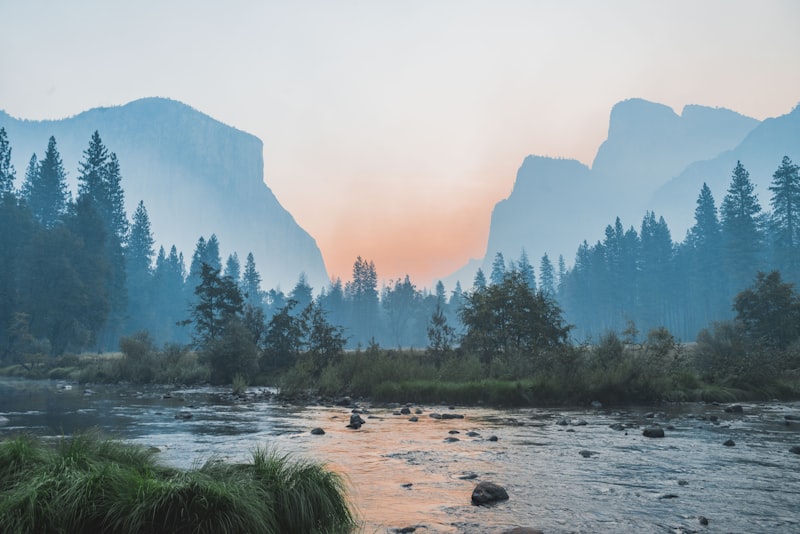
The myth is that you must stay within the immediate boundaries of Banff or Jasper to experience the majestic beauty of the Canadian Rockies. The reality is that the Rocky Mountain range spans over 180,000 square kilometers across Alberta and British Columbia. Dozens of historic mountain towns, former mining outposts, and quiet railway hamlets sit just outside the national park gates, offering identical geological grandeur, empty hiking trails, and authentic mountain culture without the premium price tag or the crowds.
Quick Comparison Guide
Choose Waterton or Field if: ✓ Pristine geology ✓ Quiet historic charm ✓ Direct trail access without shuttle buses.
Choose Golden or Fernie if: ✓ Adrenaline sports ✓ Craft beer culture ✓ World-class mountain biking.
Best For: Independent road trippers, outdoor enthusiasts, families looking to escape tourist traps, and solo travelers seeking wilderness solitude.
The 8 Best Hidden Gem Towns in the Canadian Rockies
1. Field, British Columbia: The Historic Railway Hamlet
Nestled in the Kicking Horse River valley within the boundaries of Yoho National Park, the tiny community of Field has a permanent population of approximately 130 residents. Established in 1884 as a base of operations for the Canadian Pacific Railway (CPR) to manage the steep grade of the "Big Hill," Field is a living museum of mountain history.
Because the town is managed under strict Parks Canada development guidelines, it has resisted commercialization. There are no chain hotels, fast-food outlets, or high-rise resorts. Instead, visitors will find historic wooden cottages, local artisan studios, and cozy guesthouses. Field serves as the ultimate base camp for exploring the geological wonders of Yoho, including the Burgess Shale fossil beds—a UNESCO World Heritage site containing fossils over 500 million years old.
- Top Trail: The Iceline Trail (a challenging 21 km loop offering panoramic views of Takakkaw Falls and glaciers).
- Local Dining Secret: Truffle Pigs Bistro, famous for its inventive mountain-inspired cuisine and extensive craft beer list.
- Pro Tip: There is no grocery store in Field. Stock up on supplies in Golden or Banff before arriving. Learn more in our comprehensive Yoho National Park guide.
2. Golden, British Columbia: The Adventure Capital
Located at the confluence of the Kicking Horse and Columbia Rivers, Golden is surrounded by three mountain ranges: the Rockies, the Purcells, and the Selkirks. Historically a rugged logging and railway town, Golden has quietly transformed into a world-class adventure hub without losing its down-to-earth, blue-collar character.
Golden is situated within easy driving distance of six of Canada's most stunning national parks: Banff, Jasper, Yoho, Kootenay, Glacier, and Mount Revelstoke. This makes it an incredibly strategic and budget-friendly base for a multi-day Canadian Rockies road trip. The town is also home to the Golden Skybridge, Canada's highest suspension bridges, suspended 426 feet above a canyon floor.
- Top Activities: Whitewater rafting on the class IV rapids of the Kicking Horse River, or mountain biking at Kicking Horse Mountain Resort.
- Local Dining Secret: Reposados Tacos, a hyper-local spot serving authentic street tacos made with fresh, locally sourced ingredients.
- Cost Comparison: Accommodation in Golden is typically 30% to 40% cheaper than in neighboring Lake Louise or Banff.
3. Fernie, British Columbia: The Historic Mining Town
Tucked away in the Elk Valley in the southern corner of British Columbia's Rocky Mountains, Fernie is a legendary destination among powder skiers and mountain bikers. Unlike purpose-built resort villages, Fernie features a gorgeous historic downtown area with turn-of-the-century brick buildings, a legacy of a city ordinance passed after a devastating fire in 1908.
Fernie is famous for its dramatic mountain backdrop, characterized by the iconic Lizard Range. The town exudes a relaxed, community-first vibe where professional athletes and local artists mingle in independent coffee shops. Winters offer legendary "champagne powder" snow at Fernie Alpine Resort, while summers reveal an extensive network of over 400 kilometers of singletrack trails for mountain biking and hiking. For winter sports enthusiasts, check out our Fernie skiing guide.
- Top Trail: Heiko's Trail (a demanding 20 km backcountry hike passing through caves, waterfalls, and alpine meadows).
- Local Dining Secret: The Loaf, an artisanal bakery and restaurant serving exceptional sourdough pizzas and locally brewed ales.
- Local Legend: Ask locals about the legend of the "Griz," a mythical figure said to live in the mountains and shoot snow from his musket, explaining Fernie's massive annual snowfall.
4. Waterton, Alberta: Where the Prairies Meet the Peaks
Waterton Lakes National Park is located in the southwestern corner of Alberta, bordering Montana's Glacier National Park. Together, they form the Waterton-Glacier International Peace Park, a UNESCO World Heritage site. The townsite of Waterton sits directly on the shores of Upper Waterton Lake, the deepest lake in the Canadian Rockies.
What makes Waterton unique is the sudden, dramatic transition from flat prairie grasslands to vertical mountain peaks. The town itself is small, walkable, and experiences intense mountain winds that keep the air crisp and clear. Because it is located a three-hour drive south of Calgary, it receives a fraction of the visitation of Banff, allowing its abundant wildlife—including bighorn sheep, deer, and black bears—to roam freely through the townsite.
- Top Trail: The Crypt Lake Trail, consistently voted one of Canada's most thrilling hikes, requiring a boat taxi, a climb up a steel ladder, and a scramble through a 60-foot natural rock tunnel. Plan your journey with our Waterton Lakes itinerary.
- Local Dining Secret: Wieners of Waterton, serving gourmet sausages on fresh, house-baked buns with unique homemade condiments.
- Safety Note: Waterton is active bear country. Always carry bear spray and know how to use it.
5. Valemount, British Columbia: The Gateway to Mount Robson
Valemount is a quiet, mountain community situated in the Robson Valley, near the border of Alberta and British Columbia. It is the closest community to Mount Robson Provincial Park, home to Mount Robson, the highest peak in the Canadian Rockies rising to an astounding 3,954 meters (12,972 feet).
Valemount is an ideal stop for travelers seeking raw, unpolished wilderness. The local economy is driven by forestry, tourism, and outdoor recreation. During the late summer, visitors can witness the incredible Chinook salmon spawning run in the local rivers, one of the longest salmon migrations in the world. Solo travelers will find a welcoming, close-knit community; read more in our guide to Solo travel in Canada.
- Top Activity: Hiking the world-famous Berg Lake Trail (check current trail opening status with BC Parks as repairs continue from historic weather events).
- Local Dining Secret: Three Ranges Brewing Company, a microbrewery that serves as the social hub of the town, offering beers named after local landmarks.
- Wildlife Tip: Visit Cranberry Marsh in the early morning or evening for exceptional birdwatching and moose spotting opportunities.
6. Kimberley, British Columbia: The Bavarian City of the Rockies
Located on the western slopes of the valley between the Purcell and Rocky Mountain ranges, Kimberley is a charming alpine town with a unique history. Formerly home to the Sullivan Mine—the world's largest underground lead-zinc mine—the town successfully transitioned to tourism in the 1970s by remodeling its downtown core into a pedestrian-only Bavarian-themed plaza known as "The Platzl."
Kimberley offers a slower pace of life, boasting more hours of sunshine annually than almost any other town in British Columbia according to regional meteorological data. It is a haven for golfers, skiers, and families who appreciate uncrowded slopes and friendly locals. Budget-conscious travelers can find excellent deals here; consult our Canadian Rockies budget guide.
- Top Activity: Riding the Kimberley Underground Mining Railway to learn about the town's industrial past, or hiking in the massive Kimberley Nature Park.
- Local Dining Secret: The Pedal & Tap, a lively restaurant famous for its "Muckamuck" burgers and craft cocktails.
- Vibe: Extremely laid-back, community-oriented, and highly accessible for senior travelers.
7. Bragg Creek, Alberta: The Artists' Gateway
Located just 30 minutes west of Calgary, Bragg Creek is a picturesque hamlet nestled in the foothills of the Rockies along the Elbow River. It serves as the northern gateway to Kananaskis Country, a vast network of provincial parks that locals often use to escape the national park crowds. Bragg Creek is renowned for its rustic log buildings, vibrant arts scene, and extensive trail networks.
The town has a distinct bohemian-cowboy atmosphere. Visitors can browse local art galleries, shop for handmade crafts, and access world-class cross-country skiing, equestrian trails, and hiking routes within minutes of the town center. For trail maps and route recommendations, consult our Kananaskis hiking guide.
- Top Trail: The Elbow Trail loop, perfect for a gentle hike or mountain bike ride along the rushing river.
- Local Dining Secret: The Italian Farmhouse, situated in a cozy historic house, serving rustic, authentic Italian comfort food.
- Best Time to Visit: Autumn, when the local aspen trees turn a brilliant golden-yellow.
8. Canmore, Alberta: The Local's Alternative to Banff
While Canmore has grown significantly in recent years, it remains a distinct, mountain-town alternative to Banff. Located just outside the eastern gate of Banff National Park, Canmore was a quiet coal-mining town until it hosted the Nordic skiing events for the 1988 Calgary Winter Olympics.
Unlike Banff, which is strictly regulated to limit residential growth and requires national park passes for all overnight stays, Canmore is a fully independent municipality. It is framed by the iconic Three Sisters mountain peaks and offers a thriving culinary scene, multiple craft breweries, and immediate access to Kananaskis Country. It is the perfect base for executing a detailed Banff itinerary without paying Banff hotel prices.
- Top Trail: Ha Ling Peak (a steep but rewarding climb offering bird's-eye views of the Bow Valley).
- Local Dining Secret: Grizzly Paw Brewing Company, offering locally made sodas and beers alongside classic pub fare on a gorgeous outdoor patio.
- Transit: Use the local, eco-friendly Roam Transit system to travel between Canmore and Banff without a car.
Head-to-Head Comparison: Canmore vs. Golden
To help you decide where to base your Canadian Rockies adventure, let's compare two of the most popular alternative destinations across fifteen key metrics.
| Category | Canmore | Golden | Winner |
|---|---|---|---|
| Accommodation | High-end condos, boutique hotels, premium pricing. | Budget motels, rustic cabins, highly affordable. | Golden |
| Food | Award-winning culinary scene, fine dining, diverse options. | Hearty pub fare, local diners, developing craft scene. | Canmore |
| Nightlife | Lively pubs, wine bars, local breweries open late. | Quiet local pubs, early closures, community events. | Canmore |
| Public Transport | Excellent regional connection to Banff via Roam Transit. | Virtually non-existent; personal vehicle mandatory. | Canmore |
| Visa | Standard Canadian entry requirements apply. | Standard Canadian entry requirements apply. | Tie |
| Weather | Mild, sunny days with cool mountain evenings. | Slightly wetter, higher snowfall in winter. | Canmore |
| Walkability | Highly walkable flat downtown with extensive paved paths. | Sprawled along highway and river; car helpful. | Canmore |
| Internet | High-speed fiber optic widely available. | Reliable high-speed in town; spotty in rural valleys. | Canmore |
| Safety | Extremely low crime rates; safe at all hours. | Very safe; typical small-town atmosphere. | Tie |
| Remote Work | Excellent co-working spaces and laptop-friendly cafes. | Developing remote work infrastructure; quiet spaces. | Canmore |
| Language | English is primary; French and tourist services common. | English is primary; limited multilingual services. | Canmore |
| Family | Paved trails, playgrounds, Nordic Centre activities. | Adventure parks, suspension bridges, rafting. | Tie |
| Senior Travelers | Flat walking paths, easy accessibility, scenic drives. | Steeper terrain, more rugged outdoor focus. | Canmore |
| Solo Travelers | Social hostels, active community groups, easy transit. | Friendly locals, great for independent road trippers. | Canmore |
| Couples | Romantic dining, luxury spas, scenic mountain strolls. | Cozy secluded cabins, private hot tubs, quiet nights. | Tie |
Structured Travel Guide & Planning Data
Pros & Cons of Mountain Gems
Pros: Lower accommodation costs, fewer tourists on hiking trails, authentic local culture, unique historic architecture, and easier wildlife viewing opportunities.
Cons: Limited public transit options, fewer high-end luxury resorts, fewer dining options open late, and some towns require driving further to reach iconic national park landmarks.
Best Time to Visit
The optimal time to visit these mountain towns depends entirely on your preferred activities. For hiking, alpine lake viewing, and warm weather, visit between late June and mid-September. For winter sports, deep snow, and frozen waterfalls, visit between December and March. Shoulder seasons (April-May and October-November) offer the lowest prices but many seasonal businesses and trails may be closed.
Budget Estimations
According to data from Statistics Canada and local tourism bureaus, a mid-range traveler should budget approximately $180 to $250 CAD per day. This includes $120-$160 CAD for accommodation, $50-$70 CAD for meals, and $30 CAD for activities and transport. High-end travel will exceed $450 CAD per day, while budget backpackers can manage on $90-$120 CAD per day by utilizing hostels and self-catering. If you are traveling on a tight budget, read our Jasper budget guide for more money-saving tips.
Visa & Entry Requirements
All international travelers entering Canada must possess a valid passport. Visitors from visa-exempt countries (such as the UK, Australia, and EU nations) must secure an Electronic Travel Authorization (eTA) online prior to boarding their flight. Visitors from other nations may require a temporary resident visa. Learn more in our comprehensive Canada visa guide.
Essential Quick Facts
- Currency: Canadian Dollar (CAD). Credit cards are universally accepted; carrying a small amount of cash is recommended for remote farm stands or small mountain shops.
- Power Plug: Type A and B (Standard North American 120V, 60Hz).
- Emergency Numbers: Dial 911 for Police, Fire, and Ambulance services across Canada.
- Internet & Cellular: High-speed 4G/5G is standard in all town centers. However, cellular coverage drops completely along major mountain passes, including sections of the Icefields Parkway and Highway 93 South. Download offline maps prior to departure.
Who Should Visit These Hidden Gems?
These off-the-beaten-path destinations are perfect for independent travelers who value wilderness connection over commercial convenience. If you prefer quiet trails, local craft breweries, and historic charm over crowded viewing platforms and souvenir shops, these hidden gems will provide an unforgettable, authentic Rocky Mountain experience.
Article Methodology & Sources
This comprehensive guide was compiled by our editorial team utilizing official data from municipal tourism boards, regional economic development reports, and federal conservation authorities. Key sources include:
- Visitor expenditure and volume metrics provided by Parks Canada.
- Regional economic development data and accommodation statistics from Destination British Columbia and Travel Alberta.
- Population and demographic data from the 2021 Census compiled by Statistics Canada.
Editorial Methodology & Trust
Last Updated: July 2, 2026
Every Shaivio guide is created through editorial research using publicly available information from official tourism authorities, transportation providers, government resources, and other reliable references where applicable. Our editors review and update content regularly to improve accuracy and usefulness. Shaivio does not accept paid placements or sponsored rankings in editorial content. Because travel information can change, we recommend verifying critical details with the relevant official source before traveling.