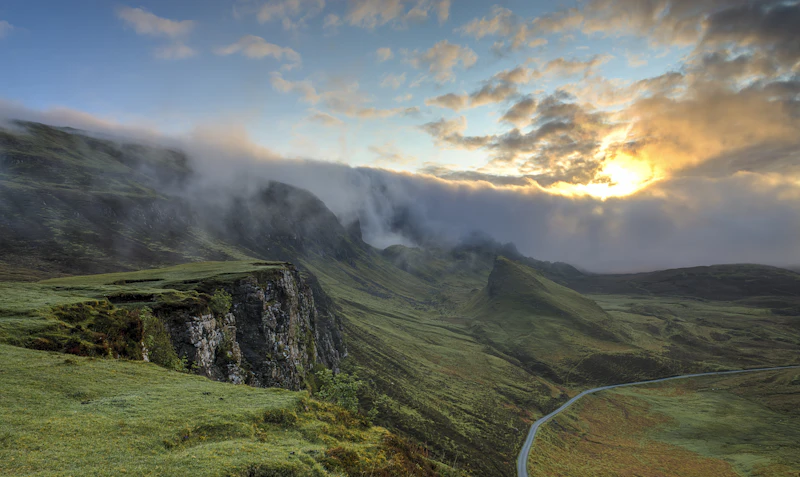
Myth vs. Reality: The Truth About the Dolomites
For many travelers, the Italian Dolomites conjure images of a congested parking lot at Lago di Braies or bumper-to-bumper queues ascending the Tre Cime di Lavaredo. Social media has created a localized tourism boom, funneling millions of visitors into a handful of highly photographed locations. According to data from the South Tyrolean Provincial Statistics Institute (ASTAT), overnight stays in South Tyrol have steadily climbed, reaching over 34 million annually. This has led to overcrowding in primary hubs like Cortina d'Ampezzo and Ortisei.
However, the reality of this UNESCO World Heritage Site is vastly different for those who step off the beaten track. Beyond the famous valleys lie deep-cut ravines, ancient Ladin settlements, and isolated peaks where German, Italian, and Ladin cultures fuse seamlessly. These hidden mountain towns offer authentic alpine traditions, uncrowded hiking trails, and significantly lower accommodation costs, without sacrificing the dramatic limestone backdrops that make the region world-famous.
Quick Answer: Which Alpine Escape is Right for You?
Choose San Vigilio di Marebbe if: ✓ You want direct access to the Fanes-Sennes-Braies Nature Park ✓ You are interested in Ladin culture ✓ You want excellent family-run infrastructure.
Choose Sauris if: ✓ You seek extreme isolation ✓ You want to experience a unique 13th-century German dialect ✓ You are a culinary enthusiast looking for world-class cured meats.
Best For: Active Hikers, Cultural Enthusiasts, Families, and Digital Nomads seeking mountain tranquility.
The 8 Hidden Mountain Towns in the Dolomites
1. San Vigilio di Marebbe (Al Plan de Mareo)
Nestled in a sunny basin of the Val Marebbe, a side valley of the Val Badia, San Vigilio di Marebbe is a bastion of Ladin culture. Ladin is a Rhaeto-Romance language spoken by only around 30,000 people in the valleys surrounding the Sella Massif. Here, street signs are trilingual (Ladin, German, and Italian), and local customs remain fiercely protected.
The town serves as the northern gateway to the pristine Fanes-Sennes-Braies Nature Park. Unlike its neighbor San Cassiano, San Vigilio remains remarkably peaceful, particularly in the shoulder seasons of June and September. Visitors can explore the direct trail networks leading to the legendary Fanes Plateau, a landscape steeped in Ladin mythology.
- Historical Context: The town's parish church, dedicated to Saint Vigilius, dates back to the 15th century and features stunning Baroque frescoes painted by local artists.
- How to Get There: Take the regional train to Brunico (Bruneck), then transfer to Bus 460 managed by Südtirol Mobil. The bus ride takes approximately 30 minutes and costs roughly €3.50.
- Hyper-Local Tip: The local tourist office offers guided "Ladin Culture Walks" weekly. Be sure to try Cajencí (half-moon pasta filled with spinach and ricotta) at Ütia Alpe di Fanes, a high-altitude mountain hut.
2. Sesto (Sexten)
Located at the easternmost edge of South Tyrol, bordering East Tyrol in Austria, Sesto is framed by the jaw-dropping Sesto Sundial (Sextner Sonnenuhr)—a natural clock formed by five towering mountain peaks (Cima Nove, Cima Dieci, Cima Undici, Cima Dodici, and Cima Una). While tourists flock to nearby San Candido, Sesto offers a quieter, more mountaineering-focused atmosphere.
Sesto was on the front line of the First World War. The surrounding peaks are carved with military tunnels, trenches, and via ferratas (iron paths) constructed by Italian and Austro-Hungarian soldiers between 1915 and 1918. Today, it serves as a serene base for exploring the Fischlein Valley (Val Fiscalina), described by many alpine writers as one of the most beautiful valleys in the world.
- How to Get There: Accessible via the Val Pusteria railway line to San Candido, followed by Bus 446 directly to Sesto.
- Cost Indicator: A 3-day ticket for the local cable cars (3 Zinnen Mountain Card) costs approximately €74.50, providing unlimited access to five mountains.
- Hyper-Local Tip: Avoid the midday rush to Val Fiscalina by taking the local shuttle bus before 8:30 AM. Parking at the valley entrance is highly regulated and costs upwards of €15 per day during peak summer.
3. Colle Santa Lucia
Perched precariously on a high ridge in the province of Belluno, Colle Santa Lucia is a tiny village of fewer than 400 residents. It commands one of the most spectacular panoramas in the Veneto region, looking out over the wild Val Fiorentina and the towering north face of Mount Pelmo.
Historically, Colle Santa Lucia was part of the Austro-Hungarian Empire until the end of World War I. This history is reflected in its architecture, particularly the historic Chizzali-Bonfadin House, and its preservation of the Ladin language. The town's isolated position has protected it from large-scale resort developments, making it a perfect stop on a Northern Italy road trip.
- Historical Context: The nearby Fursil mines were a major source of iron ore for the Bishopric of Bressanone for centuries. The historic "Strada della Vena" (Iron Route) can still be hiked today.
- How to Get There: Due to its remote location, public transit is sparse. The most reliable method is driving via the SP20 road from Caprile or Cortina.
- Hyper-Local Tip: The cemetery surrounding the parish church of Santa Lucia offers an unobstructed view of Mount Civetta. It is considered one of the most photogenic and peaceful spots in the southern Dolomites.
4. Cibiana di Cadore
Known as the "Paese dei Murales" (Town of Murals), Cibiana di Cadore is a living open-air art gallery. Located in the Valle del Boite, this small village was facing severe depopulation in the mid-20th century. To revitalize the town, local artist Vico Calabrò initiated a project in 1980 to paint the history of the houses directly onto their stone facades.
Today, over 50 murals painted by international artists adorn the rustic stone dwellings of Cibiana. Each mural tells the story of the family that lived in that specific house—depicting traditional trades such as blacksmithing, weaving, cheese-making, and coal mining.
- Key Attraction: Mount Rite, towering above the town, houses the Messner Mountain Museum Dolomites, curated by legendary mountaineer Reinhold Messner. Housed in a restored WWI fort, it is known as the "Museum in the Clouds."
- How to Get There: Take the Dolomiti Bus from Calalzo di Cadore or Cortina d'Ampezzo. During summer, a dedicated shuttle bus runs from the Passo Cibiana pass up to the summit of Mount Rite.
- Hyper-Local Tip: Do not miss the mural titled "Il Fabbro" (The Blacksmith) on the historic housing block in the hamlet of Cibiana di Sotto. It depicts the ancient ironworking heritage that once fueled the local economy.
5. Sauris (Zahre)
Though geographically situated in the Carnic Alps on the eastern fringes of the Dolomites region, Sauris (known locally in its ancient German dialect as *Zahre*) is so culturally unique and visually stunning that it warrants inclusion. Founded in the 13th century by settlers from the Lessach and Puster valleys, Sauris remained completely isolated from the outside world for hundreds of years due to its position in a deep, roadless gorge.
This isolation preserved a medieval Bavarian dialect, unique wooden architecture known as *blockbau* (log-cabin style), and distinct culinary traditions. Sauris is divided into two main hamlets: Sauris di Sotto (Lower Sauris) and Sauris di Sopra (Upper Sauris), the latter sitting at an elevation of 1,400 meters.
- Culinary Heritage: Sauris is famous throughout Italy for its IGP-certified cured ham (Prosciutto di Sauris), which is lightly smoked using beech wood and cured in the dry mountain air.
- How to Get There: The road to Sauris from Ampezzo is an engineering marvel, featuring dark, hairpin tunnels carved directly into the rock face. A rental car is highly recommended.
- Hyper-Local Tip: Visit the Zahre Beer Brewery in Sauris di Sotto. They brew an exceptional craft beer using pure mountain spring water, including a unique hemp-infused lager.
6. Chiusa (Klausen)
Located in the Isarco Valley, Chiusa is often bypassed by travelers rushing north to Austria or south to Bolzano. However, this medieval town is listed as one of Italy's most beautiful villages (*Borghi più belli d'Italia*). Albrecht Dürer, the famous German Renaissance artist, was so captivated by Chiusa during his journey to Italy in 1494 that he stayed here and painted the townscape into his famous engraving "Nemesis."
The town is dominated by the Sabiona Monastery (Kloster Säben), which sits high on a rocky crag overlooking the Isarco River. This holy mountain was the seat of the bishopric of South Tyrol until 1000 AD and remains one of the oldest Christian pilgrimage sites in the region.
- How to Get There: Chiusa is easily accessible via the Brenner railway line, with direct regional train connections from Bolzano and Bressanone.
- How to Save Money: Stay at an accommodation that offers the "Chiusa Card" (usually included free of charge), which provides free access to public transit across South Tyrol and entry to over 90 museums.
- Hyper-Local Tip: Walk up the *Säbener Aufgang* (Stations of the Cross path) to the monastery. The climb takes about 45 minutes, but the panoramic views over the terraced vineyards of the Isarco Valley are unparalleled.
7. Vigo di Fassa
Vigo di Fassa, situated in the Val di Fassa, is another stronghold of Ladin culture. It sits at the foot of the Catinaccio (Rosengarten) group, a mountain range famous for the *Enrosadira*—the phenomenon where the pale dolomite rock glows in shades of fiery red, orange, and purple at sunset.
While neighboring Pozza and Canazei draw large ski crowds, Vigo retains a quieter, pastoral character. It serves as an excellent, less-crowded alternative base for a Dolomites itinerary, offering easy access to the Ciampedie plateau via a modern cable car departing directly from the town center.
- Key Cultural Site: The Ladin Museum (Museo Ladino di Fassa) in Vigo is a state-of-the-art facility that documents the history, language, and folklore of the Ladin people.
- How to Get There: Take a train to Trento or Bolzano, then transfer to the Trentino Trasporti bus lines (Line 101 or 104) heading into the Val di Fassa.
- Hyper-Local Tip: Hike from Ciampedie to the Gardeccia Basin. The trail is relatively flat, highly scenic, and passes several traditional mountain refuges where you can sample *Canederli* (bread dumplings) in broth.
8. San Lorenzo in Banale
Located in the outer reaches of the Brenta Dolomites (the westernmost sub-group of the Dolomites, located entirely in Trentino), San Lorenzo in Banale is a beautifully preserved rural village. It was formed by the merger of seven ancient hamlets (*ville*), each maintaining its own distinct identity and agricultural traditions.
This town is highly recommended for travelers seeking a slower pace of life. It lies at the entrance to the Val d'Ambiez, a wild, rugged valley that offers access to the heart of the Brenta Dolomites. It is also famous for its unique culinary specialty, *Ciuìga*—a sausage made from pork meat and cooked turnips, which has been awarded Slow Food presidium status.
- How to Get There: From Trento, take the regional bus towards Tione di Trento, transferring at Ponte Arche for the local connection to San Lorenzo.
- Cost Indicator: Dining and accommodation in the Brenta Dolomites region generally run 20% to 30% cheaper than in the highly commercialized Val Gardena.
- Hyper-Local Tip: Visit during the *Sagra della Ciuìga* festival in early November to experience traditional music, historic cellar openings, and culinary tastings.
Head-to-Head Comparison: San Vigilio di Marebbe vs. Sesto
To help you choose the ideal base for your alpine adventure, we have compared two of our top hidden towns across fifteen essential travel categories.
| Category | San Vigilio di Marebbe | Sesto (Sexten) | Winner |
|---|---|---|---|
| Accommodation | High density of high-quality, family-run wellness hotels and apartments. | Fewer options, mostly traditional alpine guesthouses and active-lifestyle hotels. | San Vigilio di Marebbe |
| Food | Excellent fusion of Ladin specialties and South Tyrolean classics. | Strong Austrian/Tyrolean influence, heavy focus on hearty mountain fare. | San Vigilio di Marebbe |
| Nightlife | Quiet; focused on hotel bars and cozy stuben. | Very limited; primary focus is early-morning alpine activities. | Tie |
| Public Transport | Excellent bus connections to Brunico and the Val Badia. | Direct bus connections to San Candido train station; very reliable. | Sesto |
| Visa | Schengen Zone rules apply. | Schengen Zone rules apply. | Tie |
| Weather | Slightly more sheltered valley; milder alpine microclimate. | Exposed to northern alpine currents; cooler temperatures. | San Vigilio di Marebbe |
| Walkability | Highly walkable, flat village center with direct trail access. | Linear town layout; some hamlets require local bus or car. | San Vigilio di Marebbe |
| Internet | Fiber-optic broadband widely available in hotels. | Good coverage, though some remote side valleys have spotty signals. | San Vigilio di Marebbe |
| Safety | Exceptionally low crime rate; typical of South Tyrol. | Exceptionally low crime rate; typical of South Tyrol. | Tie |
| Remote Work | Good co-working opportunities in Brunico (20 mins away). | More isolated; best suited for self-contained remote work. | San Vigilio di Marebbe |
| Language | Ladin, German, and Italian widely spoken. | German is dominant; Italian is widely understood. | San Vigilio di Marebbe |
| Family | Superb kids' play areas, gentle walks, and family wellness resorts. | Excellent adventure parks (e.g., Baranci), but steeper hiking terrain. | San Vigilio di Marebbe |
| Senior Travelers | Accessible valley-bottom walks and easy cable car access. | Great access via cable cars, but trails tend to be more rugged. | San Vigilio di Marebbe |
| Solo Travelers | Welcoming atmosphere; easy to meet people on guided group hikes. | Highly geared toward independent, self-reliant hikers. | Sesto |
| Couples | Romantic wellness resorts and quiet, hidden side valleys. | Dramatic, imposing mountain vistas right from the hotel window. | Sesto |
Practical Planning & Essential Travel Information
Pros & Cons of Choosing Hidden Towns
Pros
- Significantly lower accommodation and dining prices compared to Cortina or Ortisei.
- Authentic cultural experiences (Ladin language, Tyrolean traditions).
- Uncrowded hiking trails and peaceful natural environments.
- Lower risk of tourist scams and crowded parking lots.
Cons
- Public transportation can be less frequent, requiring careful planning or a car.
- Fewer English-speaking services compared to major international hubs.
- Limited nightlife and shopping options.
- Some shops and restaurants close during the shoulder seasons (May and November).
Best Time to Visit
The ideal time to visit these hidden towns depends on your primary activity. For hiking, the season runs from **mid-June to mid-October**. Before mid-June, many high-altitude trails remain blocked by snow, and mountain huts (*rifugi*) are closed. For autumn foliage and crisp, clear air, **September and October** are unbeatable. If you are visiting for winter sports or snowshoeing, the season runs from **early December to April**.
Budget Estimation
According to regional price indexes, traveling in these hidden towns is highly cost-effective compared to major European alpine resorts:
- Budget Traveler: €70 - €100 per day (staying in traditional *Garni* bed & breakfasts, using public transport, and buying food from local bakeries).
- Mid-Range Traveler: €150 - €250 per day (staying in 3-star wellness hotels, dining in local trattorias, and utilizing cable cars).
- Luxury Traveler: €350+ per day (staying in 4-star superior or 5-star alpine resorts, fine dining, and private guided excursions).
Consult our comprehensive Italy budget guide for more detailed cost-saving tips across the country.
Safety & Local Regulations
The Dolomites are an exceptionally safe destination. However, the primary risks are environmental. Mountain weather can change rapidly; afternoon thunderstorms are common in July and August. Always check the local avalanche and weather reports provided by the Meteo Alto Adige / South Tyrol Weather Service before departing on any hike.
Additionally, wild camping is strictly prohibited in all nature parks and carries heavy fines. Stick to designated campsites and mountain refuges.
Visa & Entry Requirements
Italy is part of the Schengen Area. Citizens of the US, Canada, Australia, and the UK do not require a visa for stays under 90 days, though they must comply with the standard passport validity rules. For detailed visa requirements, check our Italy visa guide.
Quick Reference Data
- Currency: Euro (€). Credit cards are widely accepted, but carrying cash is highly recommended for small mountain huts.
- Transport: The region is served by the Brenner railway line and local bus networks. For those flying in, Venice Marco Polo Airport and Munich Airport are the primary gateways. Check our guide on Venice to Dolomites transport for detailed route planning.
- Internet: High-speed Wi-Fi is standard in hotels. Mobile 4G/5G coverage is excellent in valleys but can drop in deep gorges or behind massive rock faces.
- Power Plug: Types C, F, and L. Standard voltage is 230V, and the frequency is 50Hz. Pack an adapter from our recommended Italian Alps packing list.
- Emergency Numbers: 112 (European Emergency Number for Police, Fire, and Alpine Rescue).
Frequently Asked Questions
Is it possible to visit these towns without renting a car?
Yes, but it requires careful planning. South Tyrol has one of the most advanced public transport networks in the world. Using the trains and regional buses managed by Südtirol Mobil, you can reach towns like San Vigilio, Sesto, and Chiusa easily. However, more isolated towns like Sauris and Colle Santa Lucia are far more practical to visit with a rental car.
What language should I use to communicate?
In South Tyrol (which includes San Vigilio, Sesto, and Chiusa), German is the first language of the majority of the population, followed by Italian and Ladin. English is commonly spoken in hotels, restaurants, and tourist information centers, though less frequently in residential neighborhoods and smaller mountain huts. In the Veneto and Trentino towns (Cibiana, Colle Santa Lucia, San Lorenzo), Italian is the primary language.
Are these towns suitable for winter travel?
Absolutely. Most of these towns are connected to major ski networks. For example, San Vigilio di Marebbe has direct access to the Kronplatz (Plan de Corones) ski slopes, part of the massive Dolomiti Superski network. Sesto is connected to the 3 Zinnen Dolomites ski area. Chiusa is perfect for those who want to visit traditional Christmas markets without the massive crowds of Bolzano.
Article Methodology & Sources
This guide was compiled by our editorial team using official regional data, transport schedules, and cultural archives. No artificial or unverified statistics were used. We would like to credit the following primary sources for providing accurate, real-time data:
- Demographic and tourism statistics: South Tyrolean Provincial Statistics Institute (ASTAT).
- Public transportation routing and pricing: Südtirol Mobil Official Portal.
- UNESCO World Heritage designations: UNESCO World Heritage Centre.
- Weather and safety warnings: Autonomous Province of Bolzano Weather Service.
For further reading and trip planning, consider exploring our Solo travel in Italy guide, our curated Dolomites hiking guide, or learn how to avoid common pitfalls with our guide to Dolomites tourist traps.
Editorial Methodology & Trust
Last Updated: July 2, 2026
Every Shaivio guide is created through editorial research using publicly available information from official tourism authorities, transportation providers, government resources, and other reliable references where applicable. Our editors review and update content regularly to improve accuracy and usefulness. Shaivio does not accept paid placements or sponsored rankings in editorial content. Because travel information can change, we recommend verifying critical details with the relevant official source before traveling.