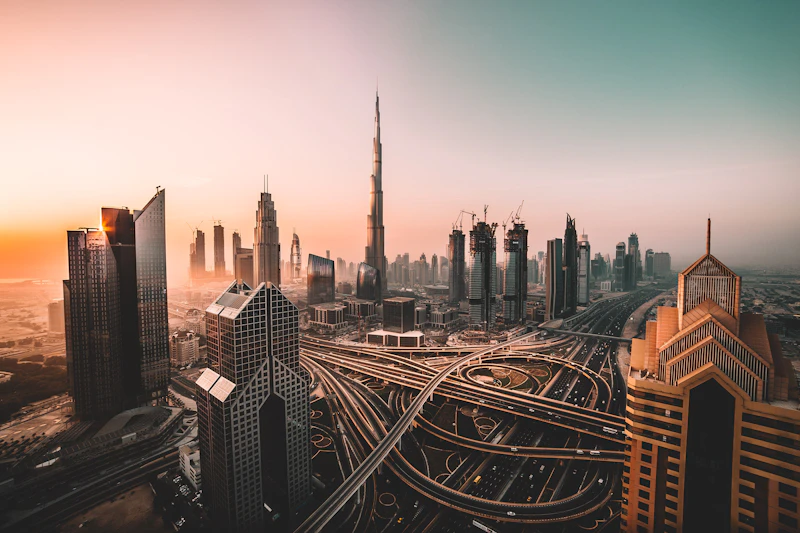
According to data published by the Mexico City Secretariat of Tourism, over 70% of international visitors concentrate their stays within just three primary corridors: Centro Histórico, Reforma-Polanco, and Roma-Condesa. While these areas boast world-class museums and Michelin-lauded dining, they represent only a fraction of this sprawling megalopolis of over 9 million residents.
For travelers seeking to escape the highly gentrified, English-dominated corridors of Roma and Condesa, Mexico City offers a treasure trove of historic neighborhoods (known locally as barrios or colonias). These areas preserve their distinct architectural heritage, deep-rooted community traditions, and hyper-local culinary scenes without the crowds or elevated prices. Whether you are planning a comprehensive Mexico City itinerary or looking for a quieter base for remote work, these eight hidden neighborhoods offer an authentic glimpse into the capital's soul.
Quick Guide: Finding Your Ideal CDMX Neighborhood
Choose Roma/Condesa if: ✓ Hip cafes ✓ High English proficiency ✓ Vibrant nightlife.
Choose Hidden Neighborhoods if: ✓ Historic architecture ✓ Authentic local markets ✓ Quiet, leafy streets.
Best For: Slow travelers, cultural purists, budget-conscious explorers, and repeat visitors.
Roma/Condesa vs. Hidden CDMX Neighborhoods
Before diving into the specific neighborhoods, it is helpful to understand how these quieter alternatives compare to the popular tourist hubs in terms of daily costs, infrastructure, and livability.
| Category | Roma / Condesa | Hidden Neighborhoods | Winner |
|---|---|---|---|
| Accommodation | High ($120–$300 USD/night) | Moderate to Low ($40–$100 USD/night) | Hidden Neighborhoods |
| Food | International fusion, high-end | Traditional cantinas, local markets | Tie (Depends on preference) |
| Nightlife | Trendy cocktail bars, clubs | Historic cantinas, neighborhood plazas | Roma / Condesa |
| Public Transport | Excellent (Metro, Metrobús, Ecobici) | Good to Moderate (Requires some planning) | Roma / Condesa |
| Visa | Standard FMM / Digital Nomad Visa | Standard FMM / Digital Nomad Visa | Tie |
| Weather | Identical (Subtropical highland climate) | Identical (Slightly cooler in southern hills) | Tie |
| Walkability | Excellent, flat streets | Excellent, often pedestrian-only alleys | Tie |
| Internet | Fiber optic widely available (100+ Mbps) | Fiber optic available, but check with host | Roma / Condesa |
| Safety | Generally safe, high petty theft risk | Varies by neighborhood; highly residential | Tie |
| Remote Work | Co-working spaces on every block | Quiet cafes, library spaces | Roma / Condesa |
| Language | English widely spoken | Spanish highly recommended for daily interactions | Roma / Condesa |
| Family | Crowded parks, noisy nights | Quiet plazas, family-oriented parks | Hidden Neighborhoods |
| Senior Travelers | High traffic, busy sidewalks | Relaxed pace, flatter historic zones | Hidden Neighborhoods |
| Solo Travelers | Easy to meet people, expensive | Immersive, requires independence | Tie |
| Couples | Romantic dining, busy streets | Quiet cobblestone strolls, intimate plazas | Hidden Neighborhoods |
1. San Ángel: The Aristocratic Southern Haven
Located in the southern alcaldía of Álvaro Obregón, San Ángel is a colonial-era enclave that feels worlds away from the urban chaos of central Mexico City. Originally a rural retreat for wealthy Spanish aristocrats during the viceregal period, this neighborhood has preserved its cobblestone streets, high-walled haciendas, and historic plazas.
History & Architecture
During the 17th and 18th centuries, wealthy families built grand summer residences here to escape the floods and diseases of the central valley. The architecture is characterized by heavy wooden doors, volcanic stone walls, and lush internal courtyards dripping with bougainvillea.
Key Highlights & Cultural Sites
- Plaza San Jacinto: The leafy heart of the neighborhood. While it hosts the famous Bazar Sábado (Saturday Art Market), visiting on a weekday offers absolute tranquility.
- Ex-Convento de El Carmen: Built between 1615 and 1628, this former monastery features stunning tiled domes and a crypt housing naturally mummified priests from the 17th century. Admission is approximately 85 MXN.
- Casa del Risco: A 17th-century mansion housing a spectacular baroque fountain made entirely of Chinese porcelain, seashells, and Talavera tiles.
Hyper-Local Dining & Costs
While fine dining is available at the historic San Ángel Inn, budget-conscious travelers should head to the local Mercado de San Ángel. Here, a plate of three hand-pressed blue corn quesadillas costs roughly 60 MXN ($3 USD). For a mid-range treat, visit the courtyard of El Cardenal for traditional Mexican breakfasts.
2. Santa María la Ribera: Porfirian Grandeur and Community Pride
Situated just north of Ribera de San Cosme, Santa María la Ribera was the city’s first planned modern suburb, established in the late 19th century during the Porfiriato era. It offers a fascinating mix of Belle Époque architecture, mid-century residential buildings, and a thriving, unpretentious local arts scene.
The Moorish Kiosk (Kiosko Morisco)
The neighborhood’s crown jewel is the Kiosko Morisco, located in the central Alameda. Designed by engineer José Ramón Ibarrola for the 1884 World's Industrial and Cotton Centennial Exposition in New Orleans, this magnificent structure is made entirely of cast iron and features intricate Islamic-inspired geometric patterns. Locals gather here in the afternoons to practice ballroom dancing, play chess, or read.
Off-the-Beaten-Path Museums
Skip the massive queues at the Frida Kahlo Museum and visit the Museo de Geología de la UNAM. Located right on the plaza, this late 19th-century building features a grand marble staircase, historic stained-glass windows depicting the mines of silver-rich Pachuca, and a complete mammoth skeleton in its central hall.
To plan your exploration of these northern zones, consult our comprehensive Mexico City budget guide to maximize your spending power.
3. Clavería: A Culinary Pilgrimage in Azcapotzalco
For travelers interested in authentic gastronomy without the tourist premium, Clavería is a mid-century middle-class neighborhood located in the northern alcaldía of Azcapotzalco. It is highly residential, exceptionally green, and famous among locals as the birthplace of legendary singer José José.
The Epicenter of Traditional Cantinas
Clavería has resisted gentrification, meaning its culinary institutions remain highly authentic. Visitors can experience a true Mexican cantina experience at El Sella, famous for its chamorro (slow-cooked pork shank) and Spanish-influenced tapas. According to local patrons, a full meal with drinks here costs less than half of what you would pay in Polanco.
Parque de la China
This quiet, circular park serves as the neighborhood's social hub. It features a bronze statue of José José, where fans still gather to pay tribute. The surrounding streets are lined with early 20th-century Art Deco and California Colonial-style homes, making it a peaceful area for an afternoon stroll.
4. Chimalistac: The Literary Oasis of Stone Bridges
Tucked immediately east of San Ángel, Chimalistac is a tiny, highly exclusive residential neighborhood built along the path of the ancient Magdalena River. It is famous for its stone bridges, cobblestone pathways, and deep literary associations.
History vs. Legend: The Romantic Setting of 'Santa'
Chimalistac was the setting for the famous 1903 novel Santa by Federico Gamboa, which is considered one of the foundational works of Mexican realist literature. The neighborhood still feels frozen in time, with its preserved colonial-era bridges that once crossed the now-diverted river.
Practical Tips for Visitors
Chimalistac is strictly residential; there are no commercial businesses, cafes, or shops within its core boundaries. This ensures absolute quiet, but means you should carry water and use the restroom before entering. Access is easiest by walking from the Miguel Ángel de Quevedo metro station.
5. Mixcoac: Archaeological Ruins and Historic Plazas
Mixcoac, located in the Benito Juárez borough, is an ancient settlement whose name translates from Nahuatl to "where the cloud serpent is gathered." Today, it is a bustling neighborhood that hides beautiful historic plazas, old mansions, and even an archaeological site right in its center.
The Mixcoac Archaeological Zone
Few tourists realize that you can visit pre-Hispanic ruins without leaving the city center. The Mixcoac archaeological site features the remains of a ceremonial platform dedicated to Mixcóatl, the god of the hunt. Operated by the National Institute of Anthropology and History (INAH), entry is free of charge.
Plaza Jáuregui and Centro Cultural Juan Rulfo
Plaza Jáuregui is a quiet, tree-shaded square surrounded by historic buildings, including the Centro Cultural Juan Rulfo. Housed in a late 19th-century municipal building commissioned by Porfirio Díaz, the center features murals painted by Francisco Eppens, the artist who designed the modern Mexican coat of arms.
6. Tacubaya: Architectural Masterpieces and Local Markets
Tacubaya has a gritty reputation compared to its neighbor Condesa, but for travelers interested in mid-century architecture and authentic local life, it is an indispensable stop. Historically, it was a wealthy suburb favored by presidents and industrialists; today, it is a bustling transit hub with hidden pockets of immense architectural value.
Casa Luis Barragán
Built in 1948, the house and studio of Pritzker Prize-winning architect Luis Barragán is a UNESCO World Heritage site. Hidden behind an unassuming grey concrete facade, the interior is a masterpiece of light, color, and minimalist design. Note: Reservations must be made weeks in advance on their official portal, and tickets cost approximately 400 MXN for international visitors.
Parque Lira
Once the private gardens of an elite estate, Parque Lira is a beautiful public park featuring historic stone archways, sunken gardens, and quiet walking paths. It is significantly less crowded than the nearby Bosque de Chapultepec, offering a peaceful retreat for reflection.
For those navigating the city's extensive transit network to reach Tacubaya, our guide to Mexico City public transport provides step-by-step instructions for buses, metros, and cable cars.
7. Escandón: The Laid-Back Alternative to Condesa
Bordering Condesa to the south, Escandón is a neighborhood that has managed to retain its traditional community feel despite its central location. It is highly walkable, filled with Art Deco and functionalist architecture, and home to traditional family businesses that have operated for generations.
Art Deco Heritage
As you walk through Escandón, pay close attention to the apartment buildings. Many feature classic Art Deco details from the 1930s and 1940s, such as geometric ironwork, curved balconies, and stylized typography on building names. It offers the same aesthetic charm as Condesa but with a fraction of the vehicular and pedestrian traffic.
Cantina El León de Oro
For an authentic afternoon, visit El León de Oro, a traditional cantina that has been serving locals since 1954. If you order three drinks (beer, tequila, or mezcal), you will receive complimentary traditional dishes (botanas) ranging from green chilaquiles to slow-cooked stews.
If you are traveling alone and want to explore these local establishments safely, check out our dedicated resource on solo travel in Mexico City.
8. Barrio de la Concepción: Coyoacán’s Quiet Outskirts
While central Coyoacán (Plaza Hidalgo and Jardín Centenario) is highly popular and often overcrowded on weekends, the eastern edge of the neighborhood—specifically the Barrio de la Concepción—remains remarkably peaceful.
Capilla de la Concepción ("La Conchita")
This stunning yellow chapel dates back to the early 16th century, built on top of a pre-Hispanic ceremonial site. According to local historical records, Hernán Cortés held the first Catholic mass in the valley here. The plaza in front of the chapel is shaded by massive ash trees and is an ideal spot to read or enjoy a quiet coffee.
Getting Lost in the Callejones
From La Conchita, walk down Callejón del Aguacate, a narrow, cobblestone alleyway famous for its colonial architecture and local ghost stories. To avoid any tourist traps in the broader southern zone, read our guide on avoiding Mexico City tourist traps before setting out.
Structured Essential Directory for Mexico City
Pros & Cons of Hidden Neighborhoods
Pros:
✓ Lower prices for dining and accommodation.
✓ Authentic cultural immersion and language practice.
✓ Preservation of local architectural heritage without commercial clutter.
Cons:
✗ Lower levels of English proficiency among service staff.
✗ Fewer international co-working spaces.
✗ Some areas require longer transit times to central museums.
Best Time to Visit
The best time to visit Mexico City is during the dry season from November to April. Temperatures are pleasant (15°C to 24°C), and rainfall is minimal. To understand seasonal variations in detail, consult our guide on the best time to visit Mexico City.
Estimated Budgets
Budget Traveler: $30–$50 USD/day (Hostels, market meals, public transit).
Mid-Range Traveler: $80–$150 USD/day (Boutique guesthouses, cantinas, Uber).
Luxury Traveler: $250+ USD/day (Historic haciendas, private guides, fine dining).
Safety & Emergency Numbers
These residential neighborhoods are generally safe during daylight hours. However, standard urban precautions apply. Avoid walking alone late at night on unlit streets.
Emergency Services: 911
Tourist Police: 55 5208 9898
Visas & Entry Requirements
Most international tourists receive a digital FMM (Forma Migratoria Múltiple) allowing stays of up to 180 days upon arrival. Ensure your passport is valid for at least 6 months. For detailed visa requirements, check our Mexico City visa guide.
Weather & Climate
Mexico City sits at 2,240 meters above sea level. This high altitude keeps the climate temperate year-round. Summer afternoons (June to September) frequently bring heavy downpours, while winter nights can drop to 5°C.
Currency & Payments
The official currency is the Mexican Peso (MXN). While credit cards are widely accepted in Roma and Condesa, cash is absolutely essential in these hidden neighborhoods for market stalls, street food, and small cantinas.
Power Plugs & Connectivity
Mexico uses Type A and Type B power plugs (same as the United States and Canada) operating at 127V and 60Hz. Internet speeds are generally excellent, with fiber-optic connections widely available in residential areas.
3-Day Crowd-Free Mexico City Itinerary
If you want to experience the capital without the crowds, follow this carefully structured three-day itinerary focusing on the city's quieter, historic corners.
Day 1: Porfirian Grandeur and Northern Flavors
- Morning: Start your day with a quiet walk around the Kiosko Morisco in Santa María la Ribera. Visit the Museo de Geología de la UNAM before the midday heat.
- Lunch: Head to Clavería for a traditional lunch at El Sella, ordering their famous slow-cooked chamorro.
- Afternoon: Walk through Parque de la China and admire the mid-century architecture of the surrounding residential streets.
Day 2: Southern Aristocracy and Hidden Alleys
- Morning: Arrive early in San Ángel. Explore the quiet cloisters of the Ex-Convento de El Carmen and view the porcelain fountain at Casa del Risco.
- Lunch: Enjoy a traditional Mexican breakfast or lunch in the quiet courtyard of El Cardenal.
- Afternoon: Cross into the neighboring Chimalistac. Walk along the historic stone bridges and enjoy the absolute silence of this residential oasis.
Day 3: Ancient Roots and Modern Architecture
- Morning: Visit the Mixcoac Archaeological Zone to view the pre-Hispanic ruins, followed by a visit to the Centro Cultural Juan Rulfo.
- Lunch: Head to Escandón for a casual lunch at the local market or a traditional cantina experience at El León de Oro.
- Afternoon: Finish your day with a reserved sunset tour of Casa Luis Barragán in Tacubaya.
Frequently Asked Questions
Is Mexico City safe to visit outside of Roma and Condesa?
Yes. Neighborhoods like San Ángel, Chimalistac, and Santa María la Ribera are highly residential and generally very safe during the day. However, like any major city, visitors should remain aware of their surroundings, avoid displaying expensive items, and use registered ride-share services at night.
Can you visit Mexico City's hidden neighborhoods without renting a car?
Absolutely. Mexico City has one of the most extensive and affordable public transit systems in the world. Most of these neighborhoods are easily accessible via the Metro or Metrobús networks. For areas further south, ride-share services like Uber and DiDi are highly affordable and safe.
What is the cheapest neighborhood to stay in Mexico City?
Of the neighborhoods listed, Santa María la Ribera and Escandón offer the best value for budget-conscious travelers. They feature highly affordable guesthouses, local markets with low-cost dining options, and excellent transit connections to the rest of the city.
How do I get to San Ángel from Centro Histórico?
The most efficient way to reach San Ángel from the historic center is by taking the Metrobús Line 1 south from Reforma or Insurgentes to the "La Bombilla" station. From there, it is a pleasant 10-minute walk west into the heart of San Ángel.
Who Should Visit These Neighborhoods?
These hidden neighborhoods are best suited for travelers who have already visited Mexico City's major landmarks, digital nomads seeking a quieter and more affordable base, architectural enthusiasts, and anyone looking to experience authentic Mexican community life away from the gentrified tourist corridors. To dive deeper into planning your trip, explore our curated list of Mexico City neighborhoods to find your perfect match.
Article Methodology & Sources
This guide was compiled by our editorial team using data from the National Institute of Statistics and Geography (INEGI), the official tourism portals of the Mexico City Government, and the National Institute of Anthropology and History (INAH). All prices, opening hours, and transport details were verified at the time of publication.
Editorial Methodology & Trust
Last Updated: July 2, 2026
Every Shaivio guide is created through editorial research using publicly available information from official tourism authorities, transportation providers, government resources, and other reliable references where applicable. Our editors review and update content regularly to improve accuracy and usefulness. Shaivio does not accept paid placements or sponsored rankings in editorial content. Because travel information can change, we recommend verifying critical details with the relevant official source before traveling.