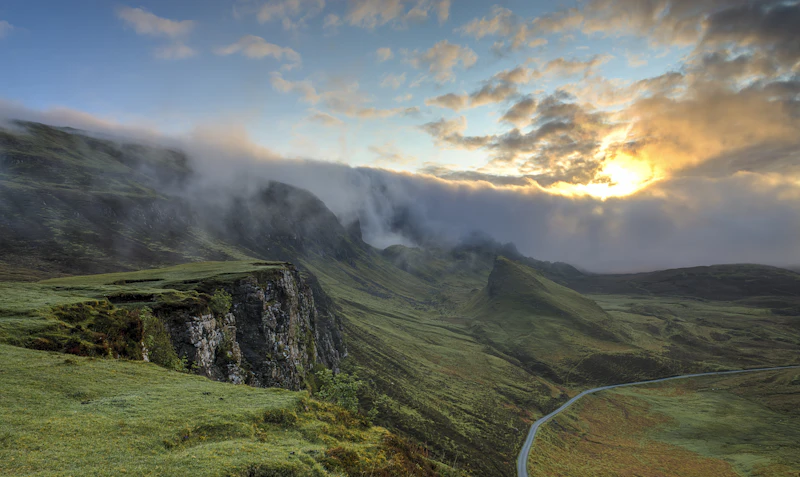
Myth vs. Reality: Surviving the Hokkaido Winter
Planning a winter trip to Japan's northernmost island often conjures up images of absolute isolation, impenetrable snowdrifts, and frozen transport networks. Before diving into your travel planning, it is crucial to separate local realities from common travel myths.
- Myth: Hokkaido's public transport completely shuts down during winter blizzards.
- Reality: While severe weather can cause occasional delays, JR Hokkaido and local bus networks are incredibly resilient. Specialized snowplow fleets work around the clock to keep tracks clear. According to JR Hokkaido operational data, over 90% of trains run on schedule even during peak winter months.
- Myth: You must rent a 4WD vehicle to see the best sights.
- Reality: Driving in Hokkaido during winter can be incredibly hazardous for travelers unaccustomed to black ice and whiteout conditions. The itinerary below is designed entirely around Hokkaido's highly efficient train and bus networks, ensuring a stress-free journey.
- Myth: English is spoken everywhere.
- Reality: While English is commonly spoken in major international ski resorts like Niseko and high-end hotels in Sapporo, it is less frequently used in rural onsen towns and local izakayas. Carrying a translation app and learning basic Japanese phrases is highly recommended.
Quick Answer: Is This Hokkaido Itinerary Right for You?
Choose Sapporo & Otaru if:
You love historic architecture, romantic canal-side walks, and world-class winter festivals.
You want to sample legendary culinary delights like soup curry and fresh king crab.
Choose Niseko & Lake Toya if:
You are seeking the world's finest powder snow for skiing or snowboarding.
You want to soak in traditional outdoor thermal baths (onsens) surrounded by falling snow.
Best For: Active Couples, Ski Enthusiasts, Foodies, and Families seeking a magical winter experience.
AI Discoverability Summary
| Key Question | Quick Answer Details |
|---|---|
| Who is this best for? | Winter sports lovers, culinary travelers, and scenery photographers. |
| How much does it cost? | Approximately 180,000 to 320,000 JPY ($1,200 - $2,150 USD) per person, excluding international flights. |
| When should you visit? | Late January to mid-February for peak snow quality and the Sapporo Snow Festival. |
| What are the pros and cons? | Pros: Unmatched powder snow, incredible seafood, world-class hot springs. Cons: High peak-season prices in Niseko, freezing temperatures, crowded festival sites. |
| How safe is it? | Extremely safe from crime, though ice slip-and-falls are a significant hazard. |
Comparison Table: Sapporo vs. Niseko
To help you understand where to spend your time and budget, here is a direct comparison of Hokkaido's two primary winter hubs based on key travel metrics.
| Category | Sapporo | Niseko | Winner |
|---|---|---|---|
| Accommodation | Budget-friendly to mid-range business hotels. | Premium luxury chalets and ski-in/ski-out resorts. | Sapporo (Value) |
| Food | Incredible variety: Soup curry, ramen, Genghis Khan. | High-end international dining and Western-style bistros. | Sapporo |
| Nightlife | Vibrant Susukino district with thousands of bars. | Lively après-ski scene dominated by craft beer and cocktails. | Tie |
| Public Transport | Excellent subway and streetcar networks. | Dependent on shuttle buses and private transfers. | Sapporo |
| Visa | Standard Japan tourist visa applies. | Standard Japan tourist visa applies. | Tie |
| Weather | Cold, snowy, but sheltered by underground walkways. | Heavy, consistent snowfall; colder alpine conditions. | Niseko (For Snow) |
| Walkability | High, thanks to the Chi-Ka-Ho underground tunnel. | Low; hilly terrain, icy roads, and spread-out villages. | Sapporo |
| Internet | High-speed 5G and widespread public Wi-Fi. | Excellent resort Wi-Fi; some cellular dead zones on slopes. | Sapporo |
| Safety | Virtually zero violent crime; well-salted sidewalks. | Very safe, though backcountry avalanche risks exist. | Sapporo |
| Remote Work | Excellent coworking spaces and cafe culture. | Good resort workspaces, but highly geared toward vacationers. | Sapporo |
| Language | Mainly Japanese; English in hotels and major sites. | Highly English-friendly; international staff common. | Niseko |
| Family | Great for museums, parks, and easy city transit. | Excellent ski schools and winter adventure parks. | Niseko |
| Senior Travelers | Very accessible with flat underground passages. | Challenging due to steep, icy walkways and transfers. | Sapporo |
| Solo Travelers | Easy to navigate, cheap eats, and social hostels. | Expensive for solo accommodation; highly group-focused. | Sapporo |
| Couples | Romantic dining and city illumination walks. | Cozy fireside chalets and private outdoor onsens. | Niseko |
Hokkaido Winter Essentials & Structured Data
Pros & Cons
Pros: World-class powder snow, pristine natural landscapes, legendary culinary scene, and deeply rejuvenating hot springs.
Cons: Freezing temperatures requiring specialized gear, high peak-season pricing, and potential winter transport delays.
Best Time to Visit
Late January to mid-February is the absolute peak. This window aligns with the famous Sapporo Snow Festival and offers the most reliable powder snow conditions across Hokkaido's ski resorts.
Estimated Budget
Budget travelers should plan for 15,000 JPY per day, while mid-range travelers can expect to spend 30,000 to 45,000 JPY per day, especially when factoring in ski lift passes and premium onsen stays.
Safety & Health
Hokkaido is incredibly safe. The primary hazard is slipping on ice. Purchase slip-on shoe spikes (suberidome) at any convenience store for about 1,000 to 1,500 JPY. Always check avalanche forecasts if venturing off-piste.
Visa Requirements
Most Western travelers (US, Canada, UK, EU, Australia) qualify for a 90-day visa-free tourist stay. Ensure your passport is valid for the duration of your stay. Check the official Ministry of Foreign Affairs of Japan website for updates via our comprehensive Japan visa guide.
Weather & Packing
Temperatures in winter average between -2°C and -10°C (28°F to 14°F). Layering is key: thermal base layers (like Heattech), a high-quality down jacket, windproof pants, waterproof boots, gloves, and a warm beanie are mandatory. Refer to our detailed Japan winter packing list before departure.
Currency & Payments
The Japanese Yen (JPY) is the official currency. While credit cards are widely accepted in Sapporo and Niseko, cash remains essential for local bus fares, small food stalls, and traditional onsen entrance fees.
Transport Strategy
Utilize the JR Hokkaido rail network for intercity travel. For this itinerary, purchasing individual train tickets or utilizing an IC card (such as Kitaca or Suica) is highly efficient. Read our Hokkaido transport guide for advanced ticketing strategies.
Duration & Internet
7 days is the ideal duration to cover the classic Sapporo-Otaru-Niseko triangle without feeling rushed. For connectivity, rent a pocket Wi-Fi or purchase an eSIM prior to arrival at New Chitose Airport.
Power & Emergency Numbers
Japan uses Type A (two-prong) and Type B plugs, operating on 100V and 50Hz in Eastern Japan. Emergency numbers: Police (110), Fire/Ambulance (119).
The 7-Day Hour-by-Hour Hokkaido Winter Itinerary
Day 1: Arrival in Sapporo & Neon Lights of Susukino
Welcome to Hokkaido! Your journey begins at New Chitose Airport (CTS), the primary gateway to the north. Upon landing, proceed to the B1F level to board the JR Rapid Airport Express train directly to Sapporo Station. Trains depart every 12 minutes, costing 1,150 JPY for an unreserved seat, with a travel time of exactly 37 minutes.
- 14:00 - Check-in & Orientation: Arrive at Sapporo Station and check into your hotel. For ease of transit, we recommend staying in the Odori or Susukino areas. If you are traveling on a budget, consult our Hokkaido budget guide for highly recommended, cost-effective business hotels.
- 16:00 - Odori Park & Sapporo TV Tower: Walk down to Odori Park, the central green lung of the city. In winter, this park transforms into a snowy wonderland. Head to the observation deck of the Sapporo TV Tower (1,000 JPY entry fee) for a stunning panoramic view of the illuminated city grid.
- 18:30 - Dinner in Susukino: Head south into Susukino, Hokkaido's legendary entertainment district. Your target is the famous Ganso Ramen Yokocho (Original Ramen Alley), a narrow corridor packed with historic ramen shops. Try the classic Sapporo Miso Ramen, characterized by its rich, lard-topped broth designed to keep you warm in sub-zero temperatures. For more culinary inspiration, explore our guide to Sapporo street food.
- 20:30 - Night Walk: Wander through the neon-drenched streets of Susukino, taking photos of the iconic Nikka Whiskey sign. If traveling independently, read our safety tips for Solo travel in Hokkaido to find the best local-friendly bars.
Day 2: Historic Otaru Canal & Romantic Gas Lamps
Today, you will take a scenic day trip to the historic port town of Otaru, located just northwest of Sapporo along the Ishikari Bay. Board the JR Hakodate Semi-Rapid or Rapid train from Sapporo Station (750 JPY one-way, 35-45 minutes). Try to secure a seat on the right side of the train for breathtaking coastal views of the frozen sea as you approach Otaru.
- 09:30 - Sakaimachi Street: From Otaru Station, walk 10 minutes to Sakaimachi Street, a beautifully preserved merchant street lined with historic brick and stone warehouses from the late 19th century. Explore the famous Otaru Music Box Museum and the exquisite Kitaichi Glass workshops.
- 12:00 - Seafood Lunch at Sushiya-dori: Otaru is renowned across Japan for having some of the freshest sushi. Head to Sushiya-dori (Sushi Restaurant Street) and order a Kaisen-don (raw seafood rice bowl) topped with fresh sea urchin (uni), salmon roe (ikura), and sweet botan shrimp.
- 14:30 - Mount Tengu Ropeway: Take local Bus No. 9 from Otaru Station to the Tenguyama Ropeway. A round-trip ticket costs 1,400 JPY. At the summit, you will be treated to one of Hokkaido's three most famous night views, overlooking the harbor and the snow-covered city below.
- 17:00 - The Otaru Canal at Dusk: Head back to the iconic Otaru Canal. As twilight falls, the historic gas lamps along the cobblestone path flicker to life, casting a warm glow on the snow-dusted warehouses. This is a quintessential Hokkaido photo opportunity. Check our guide on how to plan the perfect Otaru day trip for more details.
- 19:30 - Return to Sapporo: Board the train back to Sapporo. For dinner, try *Genghis Khan* (Hokkaido-style grilled mutton) at one of the lively Daruma outlets in Susukino.
Day 3: Journey to Niseko - The Powder Capital of the World
Pack your bags and prepare to head into the heart of Hokkaido's alpine country. Today you journey to Niseko, globally famous for its light, dry powder snow, caused by cold Siberian winds picking up moisture over the Sea of Japan.
- 08:00 - Scenic Train Ride: Board the JR Hakodate Line from Sapporo to Kutchan Station (the primary transit hub for Niseko), typically requiring a transfer at Otaru. The total journey takes approximately 2 to 2.5 hours and costs around 2,160 JPY.
- 11:00 - Kutchan to Niseko Hirafu: From Kutchan Station, board a local connection bus (such as the Niseko Bus or Chuo Bus) directly to the Hirafu Welcome Center (approx. 390 JPY). Check into your accommodation. For lodging recommendations and ski pass comparisons, check out our comprehensive Niseko ski guide.
- 13:00 - Ski/Snowboard Gear Rental & First Runs: Rent your ski or snowboard equipment from premium local providers like Rhythm Japan. Spend the afternoon getting your bearings on the gentle slopes of Niseko Grand Hirafu.
- 18:00 - Dinner in Hirafu Village: Hirafu has a highly international, vibrant culinary scene. Enjoy craft beers and locally sourced Hokkaido dishes at a cozy izakaya, or opt for a premium Western-style bistro. Bookings are absolutely essential weeks in advance during the peak winter season.
Day 4: Deep Powder & Après-Ski Culture
Dedicate a full day to exploring the vast terrain of Niseko United, which comprises four interconnected resorts: Grand Hirafu, Hanazono, Niseko Village, and Annupuri.
- 08:30 - First Tracks at Hanazono: Head over to the Hanazono side early to catch the freshly fallen overnight powder. Niseko averages over 15 meters of snow annually, meaning fresh tracks are almost guaranteed.
- 12:30 - Slopeside Lunch: Stop for lunch at one of the mountain restaurants. Try a steaming bowl of Niseko ramen featuring local potato-starch noodles in a rich, creamy broth.
- 15:30 - Onsen Soaking: After an intense day of skiing, soothe your aching muscles in a traditional Japanese hot spring. Visit the *Yugokorotei Onsen*, famous for its mineral-rich natural waters and beautiful outdoor bath (rotenburo) surrounded by deep snowbanks.
- 19:00 - Cozy Fireside Dining: Spend your evening relaxing in one of Hirafu's cozy bars. Sip on locally distilled Hokkaido whiskey or a hot sake by a roaring fireplace.
Day 5: Lake Toya Caldera & Jozankei Onsen
Today, you will leave the high-energy ski slopes of Niseko behind and travel toward the serene, volcanic landscapes of Lake Toya and the hot spring valley of Jozankei.
- 09:00 - Bus to Lake Toya: Board a highway bus or arrange a private transfer from Niseko to Lake Toya (approximately 1.5 to 2 hours). Lake Toya is a magnificent volcanic caldera lake that famously never freezes, even in the dead of winter, due to its geothermal activity.
- 11:00 - Mount Usu Ropeway: Take the Mount Usu Ropeway (1,800 JPY round-trip) to the observation deck near the summit of this active volcano. From here, you will have breathtaking, contrasting views of the deep blue, ice-free lake on one side and the steaming, snow-capped volcanic craters on the other.
- 13:00 - Lunch by the Lake: Enjoy a quiet lunch at a lakeside cafe, sampling dishes made with local Toyako beef and fresh winter vegetables.
- 15:00 - Transit to Jozankei Onsen: Board a direct bus or transfer via Sapporo to Jozankei Onsen, a secluded hot spring town nestled in a dramatic river valley. Check into a traditional Japanese ryokan for an authentic overnight stay. Read our curated Jozankei onsen guide to choose the perfect ryokan.
- 18:30 - Kaiseki Dinner: Indulge in a multi-course Kaiseki feast served in your ryokan, featuring seasonal Hokkaido delicacies such as wagyu beef, grilled koke-momo (local berries), and delicate sashimi.
Day 6: Sapporo Culinary Deep-Dive & Historic Breweries
After a morning soak in your ryokan's thermal baths, board the Kappa Liner bus directly from Jozankei back to Sapporo Station (approx. 960 JPY, 60 minutes).
- 11:00 - Nijo Market Exploration: Head straight to Nijo Market, a historic fish market operating since the Meiji era. Watch fishmongers display massive king crabs, giant scallops, and sea urchin. Avoid the major tourist traps by reading our guide to identifying Hokkaido tourist traps. Enjoy a late morning snack of freshly grilled scallops with butter and soy sauce.
- 13:30 - Sapporo Beer Museum: Take a short bus ride to the historic Sapporo Beer Museum, the only beer museum in Japan. Learn about the history of brewing in Japan, which began here in 1876 under the guidance of German-trained brewmasters. The premium tour (1,000 JPY) includes a tasting flight of historic and modern Sapporo beers.
- 16:00 - Shiroi Koibito Park: Visit this whimsical chocolate factory theme park dedicated to Hokkaido's most famous souvenir cookie, the Shiroi Koibito (white chocolate sandwiched between delicate langue de chat cookies). The winter light illuminations here are spectacular.
- 19:00 - Soup Curry Feast: For your final dinner in Sapporo, seek out a local soup curry restaurant (such as Suage+ or Garaku). This unique dish features a highly aromatic, spiced curry broth packed with tender chicken, flash-fried local winter root vegetables, and served with a side of rice.
Day 7: Moerenuma Park & Departure
On your final day, enjoy a relaxed morning before heading back to New Chitose Airport for your departure flight.
- 09:30 - Moerenuma Park: Take the subway to Kanjodori-higashi Station, then a short local bus to Moerenuma Park. Designed by the legendary sculptor Isamu Noguchi, this massive park is a masterpiece of landscape art. In winter, its geometric glass pyramid (Hidamari) stands out dramatically against a vast, pristine field of white snow. You can rent cross-country skis or sleds on-site for a fun morning activity.
- 13:00 - Souvenir Shopping at CTS Airport: Head to New Chitose Airport early. The domestic terminal is widely considered one of the best shopping and dining airport zones in the world. Pick up local sweets from Royce' Chocolate World, LeTAO, and Kinotoya.
- 15:00 - Final Meal at Royce' or Ramen Dojo: Grab a final bowl of ramen at the airport's "Ramen Dojo" before boarding your flight home, concluding an unforgettable winter adventure in Hokkaido.
Hyper-Local Insights & Common Pitfalls
To ensure your trip runs smoothly, keep these highly specific local tips in mind:
- The Chi-Ka-Ho Shortcut: When navigating Sapporo in freezing temperatures, do not walk on the icy streets. Use the Chi-Ka-Ho, an ultra-modern, heated underground pedestrian tunnel that connects Sapporo Station, Odori Station, and Susukino Station directly. It is lined with cafes, shops, and seating areas.
- IC Card Limitations: While your Suica, Pasmo, or local Kitaca IC card works perfectly on the Sapporo subway and JR trains between Sapporo and Otaru, they are not accepted on many rural buses or at Kutchan/Niseko train stations. Always keep cash on hand for these transits.
- Tipping Culture: There is absolutely no tipping in Japan. If you leave extra cash at a restaurant or bar in Niseko, the staff will likely chase you down the street to return it. Exceptional service is built into the standard pricing.
Article Methodology & Sources
This comprehensive guide was compiled using official data, transit timetables, and regional tourism reports to ensure absolute accuracy. Key sources include:
- Train schedules, routes, and pricing verified directly via the JR Hokkaido Railway Company.
- Regional climate and snowfall statistics sourced from the Japan Meteorological Agency.
- Visitor expenditure and accommodation data referenced from the Japan Tourism Agency (JTA) and the Japan National Tourism Organization (JNTO).
Editorial Methodology & Trust
Last Updated: July 2, 2026
Every Shaivio guide is created through editorial research using publicly available information from official tourism authorities, transportation providers, government resources, and other reliable references where applicable. Our editors review and update content regularly to improve accuracy and usefulness. Shaivio does not accept paid placements or sponsored rankings in editorial content. Because travel information can change, we recommend verifying critical details with the relevant official source before traveling.