Introduction: The Majesty of Kirinyaga
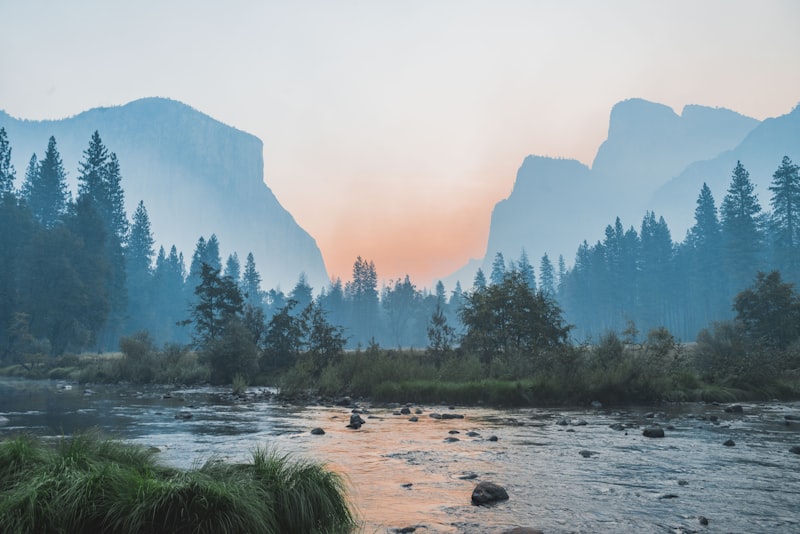
Rising dramatically from the fertile central highlands of Kenya, Mount Kenya is Africa's second-highest peak (5,199 meters / 17,057 feet). While its neighbor, Mount Kilimanjaro, receives a larger volume of annual tourists, Mount Kenya is widely regarded by seasoned mountaineers as the more scenic, biologically diverse, and challenging trek. This extinct stratovolcano, which was formed approximately 3 million years ago, features rugged, glacier-carved peaks, deep valleys, and unique Afro-alpine flora found nowhere else on Earth. For those planning a broader adventure, incorporating this trek into a larger Kenya itinerary offers a perfect blend of high-altitude adventure and classic savannah exploration.
For the local Kikuyu community, the mountain is known as Kirinyaga (meaning "Mountain of Brightness"), the earthly dwelling place of their supreme deity, Ngai. Historically, traditional homesteads were constructed facing the snow-capped peaks to honor this sacred geography. Today, the mountain is protected as a UNESCO World Heritage Site and managed by the Kenya Wildlife Service (KWS), ensuring its pristine wilderness remains preserved for future generations of trekkers.
History vs. Legend
To fully appreciate the slopes of Mount Kenya, one must understand the intersection of ancient African cosmology and Western exploration. Below is a historical breakdown separating the sacred legends from documented geological and historical facts.
| Aspect | Folklore & Spiritual Legend | Scientific & Historical Fact |
|---|---|---|
| The Origin of the Peaks | The Creator, Ngai, created the mountain as a throne and a symbol of his power. The white snow represented his divine purity and presence. | An extinct stratovolcano created by tectonic rifting approximately 3 million years ago, subsequently carved by extensive glaciation. |
| The Sacred Directions | Kikuyu, Embu, and Meru peoples built their homes with doors facing the mountain. Pointing directly at the peaks was considered disrespectful and taboo. | Modern navigation and mapping utilize GPS coordinates (0°9′S 37°18′E) and topographic maps provided by the Survey of Kenya. |
| The First Ascent | Local populations climbed the lower slopes for medicinal plants and spiritual rituals, but avoided the freezing, high-altitude peaks. | The main summit (Batian) was first officially climbed on September 13, 1899, by geographer Halford Mackinder, guide Cesar Ollier, and Joseph Brocherel. |
Safety & Respect Disclaimer: When trekking, always respect the local customs of your guides and porters. Avoid littering, do not disturb natural rock formations, and maintain a quiet, respectful presence, particularly when passing areas designated as culturally significant by local communities.
Quick Answer: Is Mount Kenya Right for You?
Choose Mount Kenya if:
✓ You prefer rugged, dramatic, and jagged volcanic scenery.
✓ You want to experience diverse wildlife and unique Afro-alpine vegetation (such as giant groundsels and lobelias).
✓ You are looking for a more cost-effective trek than Mount Kilimanjaro.
✓ You prefer quieter trails with fewer crowds.
Choose Mount Kilimanjaro if:
✓ You want to stand on the absolute highest point on the African continent.
✓ You prefer a non-technical walk-up to the highest summit (Point Lenana on Mount Kenya is a trekking peak, but the true summits of Batian and Nelion require technical rock climbing).
✓ You prefer established, larger campsite infrastructures.
Best For: Active adventurers, budget-conscious hikers, solo travelers seeking solitude, and flora enthusiasts.
Mount Kenya vs. Mount Kilimanjaro: The Ultimate Comparison
For travelers planning an East African mountain expedition, choosing between these two giants is a common dilemma. Below is a comprehensive comparison based on standardized metrics, local operator costs, and structural differences.
| Category | Mount Kenya | Mount Kilimanjaro | Winner |
|---|---|---|---|
| Accommodation | Basic mountain huts (bunk beds) and designated wilderness campsites. | Highly structured campsites; A-frame huts on the Marangu route only. | Mount Kilimanjaro (for infrastructure) |
| Food | Freshly prepared local and international dishes cooked by camp chefs over gas stoves. | Similar high-quality camp meals; often larger support crews. | Tie |
| Nightlife | Non-existent; quiet evenings in huts or tents under starry skies. | Quiet; occasional singing by porters during evening briefings. | Tie |
| Public Transport | Easily accessible via shared matatus or private transfers from Nairobi to park gates. | Requires transfers from Arusha or Moshi; public options are less direct for gates. | Mount Kenya |
| Visa | Requires a Kenyan Electronic Travel Authorization (eTA) applied for online. | Requires a Tanzanian tourist visa (online or on arrival). | Mount Kenya (simpler eTA process) |
| Weather | Highly variable; equatorial climate means warm days and freezing nights. | Similar equatorial zoning; higher altitude leads to more extreme cold. | Tie |
| Walkability | Requires good physical fitness; steep, rocky terrain with scree slopes. | Gradual but long, relentless walking; high physical endurance required. | Mount Kenya (more varied terrain) |
| Internet | Intermittent mobile signal (Safaricom) up to Shipton's Camp; no Wi-Fi. | Very limited signal; some spots on the mountain have basic connectivity. | Tie |
| Safety | High risk of AMS (Acute Mountain Sickness); evacuation by stretcher or helicopter. | High risk of AMS; well-established rescue protocols and ranger huts. | Mount Kilimanjaro |
| Remote Work | Highly impractical; no power grids and unreliable cellular data. | Highly impractical; not suitable for digital nomads while climbing. | Tie |
| Language | Guides and park rangers commonly speak English and Swahili fluently. | Guides and porters commonly speak English and Swahili fluently. | Tie |
| Family | Not recommended for young children; suitable for active teenagers. | Minimum age limit of 10 years; suitable for fit, older families. | Mount Kilimanjaro |
| Senior Travelers | Feasible for active seniors with excellent cardiovascular health. | Feasible; slower pace (pole pole) is highly structured for older climbers. | Mount Kilimanjaro |
| Solo Travelers | Highly accessible; easy to join group climbs or hire a private guide. | Very popular; easy to join pre-arranged group departures. | Tie |
| Couples | Excellent for couples seeking a rugged, intimate wilderness experience. | Great for couples; highly supportive crew environments. | Mount Kenya (more intimate) |
The Main Trekking Routes Explained
Mount Kenya has several established routes, each offering distinct advantages in terms of scenery, acclimatization profiles, and difficulty. For beginners, choosing the right route can make the difference between a successful summit and a premature descent.
1. The Sirimon Route
The Sirimon Route is the most popular and gentlest option for ascending the mountain. Approaching from the northwest, it lies on the rain-shadow side of the mountain, meaning it receives less rainfall and is generally drier than the southern routes. The trail winds through beautiful yellowwood forests and open moorland, offering a gradual altitude gain that is highly beneficial for acclimatization. Most hikers combine this route with a descent down another path to experience different sides of the mountain.
2. The Naro Moru Route
The Naro Moru Route is the fastest and most direct path to the trekking peak of Point Lenana. However, its rapid elevation gain makes it less ideal for acclimatization, increasing the risk of altitude sickness. This route is famous (and sometimes infamous) for the "Vertical Bog"—a steep, waterlogged section of moorland that can become extremely muddy and challenging during the rainy seasons. It is commonly used as a descent route due to its speed.
3. The Chogoria Route
Widely considered the most scenic route on the mountain, the Chogoria Route approaches from the east. It leads hikers past breathtaking geological features, including the sheer cliffs of the Gorges Valley, the stunning Vivienne Falls, and the deep, tarn waters of Lake Michaelson. Because of its length, it is best enjoyed as part of a multi-day traverse, typically ascending via Sirimon and descending via Chogoria to maximize both acclimatization and scenery.
4. The Burguret Route
For those seeking a true wilderness experience away from other hikers, the Burguret Route offers a wild, overgrown trail through dense bamboo forests. This route is rarely used and requires a high level of physical fitness, as hikers must often navigate rough, unmaintained paths. It is highly recommended to travel with an experienced guide who knows the trail layout intimately.
The Definitive 5-Day Sirimon-Chogoria Traverse Itinerary
This classic traverse is highly recommended for beginners as it offers the perfect balance of a gradual, safe ascent via the Sirimon Route and a highly scenic descent down the Chogoria Route. For those planning their budget, consulting a Kenya budget guide can help estimate the overall costs of transport and gear rental prior to departure.
Day 1: Nairobi to Sirimon Gate to Old Moses Camp
- Starting Elevation: 2,650 meters (Sirimon Gate)
- Ending Elevation: 3,300 meters (Old Moses Camp)
- Distance: 9 kilometers
- Trekking Time: 3 to 4 hours
- Terrain: Paved road transitioning to dirt trails through montane forest and bamboo zones.
The journey begins with an early morning departure from Nairobi. Travelers can utilize the local transport network; consulting a Nairobi transit guide is helpful for navigating the journey to Nanyuki or directly to the park gate. After completing park entry registrations at the Sirimon Gate, you will begin your trek. The path climbs gently through a beautiful forest canopy where Colobus monkeys and diverse bird species are frequently spotted. You will arrive at Old Moses Camp in the late afternoon, where a hot meal will be prepared by your camp cook.
Day 2: Old Moses Camp to Shipton's Camp
- Starting Elevation: 3,300 meters
- Ending Elevation: 4,200 meters (Shipton's Camp)
- Distance: 14 kilometers
- Trekking Time: 6 to 7 hours
- Terrain: Alpine moorland, crossing several small streams and ridges.
This is a long and physically demanding day. The trail crosses the Ontulili and Liki North Rivers, climbing steadily into the vast, open moorland. Here, the vegetation transitions to spectacular giant lobelias and groundsels. As you enter the Mackinder Valley, the dramatic, jagged peaks of Batian and Nelion come into view. The pace must remain slow and steady (known locally as pole pole) to allow your body to adapt to the thin air. Shipton's Camp is located directly beneath the towering rock faces of the main peaks.
Day 3: Acclimatization Day at Shipton's Camp
- Elevation: 4,200 meters (with short hikes up to 4,600 meters)
- Distance: Variable (approx. 4-5 kilometers)
- Trekking Time: 3 hours
- Terrain: Steep scree slopes and rocky ridges.
To maximize your chances of safely reaching the summit, a dedicated acclimatization day is highly recommended. A short, slow climb to the nearby Hausberg Tarns or Kami Hut allows your body to experience higher altitudes before returning to Shipton's Camp to sleep. This "climb high, sleep low" strategy is a proven method for preventing altitude sickness. Spend the afternoon resting, hydrating, and preparing your gear for the upcoming summit attempt.
Day 4: Shipton's Camp to Point Lenana to Mount Kenya Bandas
- Starting Elevation: 4,200 meters
- Summit Elevation: 4,985 meters (Point Lenana)
- Ending Elevation: 2,950 meters (Mount Kenya Bandas via Chogoria Route)
- Distance: 20 kilometers (total for the day)
- Trekking Time: 10 to 12 hours (including summit and descent)
- Terrain: Steep, frozen scree, rocky scrambles, and long downhill trails through scenic gorges.
Your summit bid begins with a wake-up call around 3:00 AM. Under a canopy of stars, you will navigate the steep, frozen scree slopes using your headlamp. The climb is physically challenging, and temperatures can drop well below freezing. As the first light of dawn appears, you will reach Point Lenana (4,985m), the trekking summit of Mount Kenya. On a clear morning, the sunrise reveals breathtaking views of the surrounding peaks, the vast Kenyan plains, and occasionally even Mount Kilimanjaro in the far distance.
After celebrating your summit achievement, you will begin a long descent down the stunning Chogoria Route. The trail passes the spectacular Gorges Valley and Lake Michaelson, offering some of the most dramatic landscapes in East Africa. You will arrive at the Mount Kenya Bandas in the late afternoon for a well-deserved hot shower and rest.
Day 5: Mount Kenya Bandas to Chogoria Town to Nairobi
- Starting Elevation: 2,950 meters
- Ending Elevation: 1,500 meters (Chogoria Town)
- Distance: 10 kilometers (often shortened by 4x4 transfer)
- Trekking Time: 2 to 3 hours
- Terrain: Dirt roads through dense bamboo and rainforest zones.
The final day consists of a gentle walk down through the lush bamboo forest to the park clearance gate. Most trekking agencies arrange for a 4x4 vehicle to meet hikers at the Bandas or the park boundary to save their knees from the long dirt road walk. From Chogoria Town, you will board your transport back to Nairobi, concluding your mountain adventure. If you have extra time in the capital, exploring the vibrant local culinary scene is highly recommended; refer to a guide on Nairobi street food to find the best local spots.
Essential Gear Checklist
Proper gear is critical for safety and comfort on Mount Kenya. The equatorial sun can be intense during the day, while temperatures regularly plunge below freezing at night. For a complete list of recommended items, refer to our comprehensive Mount Kenya packing list.
- Technical Clothing: Moisture-wicking base layers, insulating fleece mid-layers, and a waterproof, windproof outer shell jacket and trousers.
- Footwear: Broken-in, waterproof hiking boots with excellent ankle support, paired with high-quality wool hiking socks.
- Sleeping Gear: A four-season sleeping bag rated to at least -10°C (14°F) and a thermal sleeping mat if camping in tents.
- Accessories: A high-quality headlamp with spare batteries, UV-blocking sunglasses, trekking poles, and a warm beanie and insulated gloves.
- Hydration & Nutrition: A 3-liter hydration bladder or insulated water bottles (water in tubes can freeze during the summit night), and energy-dense snacks.
Understanding the Costs of Climbing Mount Kenya
Climbing Mount Kenya is significantly more affordable than climbing Mount Kilimanjaro, but it still requires careful budgeting to ensure you are working with reputable, safe operators. For broader financial planning across the region, you can consult an East Africa budget guide.
1. Park Entry Fees
Park fees are managed by the Kenya Wildlife Service (KWS) and are subject to change. As of the current tariff structure, conservation fees for international adult non-residents are approximately $52 USD per day. Ensure your guide or agency has fully factored these fees into your package price to avoid unexpected charges at the park gates, which are common Kenya tourist traps to watch out for.
2. Guide, Porter, and Cook Fees
Attempting to climb Mount Kenya without a guide is highly discouraged and often prohibited by park authorities for safety reasons. Working with licensed local guides, porters, and cooks not only ensures your safety but also directly supports the local economy. Expect the following standard daily rates:
- Licensed Guide: $30 - $40 USD per day
- Camp Cook: $20 - $25 USD per day
- Porters: $15 - $20 USD per day (per porter)
3. Tipping Guidelines
Tipping is customary in the East African trekking industry and is deeply appreciated by the mountain crews. While optional, it is an essential source of income for these hardworking individuals. A standard tip pool for a 5-day trek typically ranges from $100 to $150 USD per climber, distributed among the guide, cook, and porters at the end of the journey.
Practical Travel Information & Structured Data
Key Trip Planning Metrics
- Pros: Stunning alpine scenery, fewer crowds than Kilimanjaro, incredible biodiversity, and budget-friendly.
- Cons: High risk of altitude sickness due to rapid ascents, basic hut infrastructure, and unpredictable weather.
- Best Time to Visit: Dry seasons from January to February and July to September.
- Budget: Approximately $600 to $1,200 USD per person for a fully supported 5-day trek.
- Safety: Moderate to high risk due to elevation; always trek with a guide and monitor for AMS symptoms.
- Visa: All international visitors must obtain a Kenyan Electronic Travel Authorization (eTA) prior to travel. Check the Kenya visa guide for details.
- Weather: Warm and sunny during the day (15°C to 20°C in lower zones), plunging below freezing (-10°C) at night in high camps.
- Currency: Kenyan Shilling (KES). Credit cards are accepted in major hotels in Nairobi, but cash is required for tipping mountain crews.
- Transport: Private 4x4 transfers or public matatus from Nairobi to Nanyuki, Chogoria, or Naro Moru.
- Duration: 4 to 6 days depending on the chosen route and acclimatization schedule.
- Internet: Safaricom mobile network coverage is available at lower camps but becomes highly unstable above 4,000 meters.
- Power Plug: Type G (British three-pin plug). Bring a reliable power bank as there is no electricity in the mountain huts.
- Emergency Numbers: Kenya Wildlife Service Headquarters: +254 20 2379407; local mountain rescue services can be coordinated directly through park rangers at the gates.
Frequently Asked Questions
Can a beginner climb Mount Kenya?
Yes, a physically fit beginner can climb Mount Kenya, provided they choose a route with a gradual ascent profile, such as the Sirimon Route, and take a minimum of 5 days to allow for proper acclimatization. Prior hiking experience is highly recommended, but technical climbing skills are not required to reach Point Lenana.
Is Mount Kenya cheaper than Kilimanjaro?
Yes, climbing Mount Kenya is generally much cheaper than climbing Mount Kilimanjaro. Park conservation fees, guide fees, and local transport costs are significantly lower in Kenya, making it an excellent alternative for budget-conscious mountaineers. To compare the two experiences in detail, read our article on Climbing Kilimanjaro vs Mount Kenya.
How do you prevent altitude sickness on Mount Kenya?
The most effective ways to prevent Acute Mountain Sickness (AMS) are ascending slowly (no more than 500-1,000 meters of sleeping elevation per day), drinking at least 4-5 liters of water daily, eating high-carbohydrate meals, and incorporating a dedicated acclimatization day. Some climbers also consult their doctors about using preventative medications like Diamox.
Can you hike Mount Kenya without a guide?
While it is technically possible for highly experienced mountaineers to obtain self-guided permits from KWS, it is strongly discouraged for solo travelers. Hiring a licensed guide is highly recommended for safety, navigation, and emergency support. If you are traveling alone, consider reading our tips on Solo travel in Kenya to learn more about safe trekking options.
Article Methodology & Sources
This comprehensive guide was compiled by our editorial travel team using official resources, local forestry data, and mountaineering safety protocols. Key references include:
- Park fee structures, safety regulations, and trail maps provided directly by the Kenya Wildlife Service (KWS).
- Altitude safety guidelines and AMS prevention protocols from the World Health Organization (WHO).
- Geological and historical expedition records from the Royal Geographical Society.
Our team continuously monitors regional travel updates, park fee adjustments, and conservation guidelines to ensure this guide remains the most accurate and trustworthy resource on the internet.
Who Should Visit?
Mount Kenya is best suited for active travelers who appreciate rugged wilderness, unique ecosystems, and the physical challenge of high-altitude trekking. It is an ideal destination for those who prefer quiet trails over crowded tourist routes. If you enjoy dramatic volcanic landscapes, rich cultural history, and the thrill of standing on an equatorial peak, Mount Kenya is an unforgettable adventure.
Editorial Methodology & Trust
Last Updated: July 2, 2026
Every Shaivio guide is created through editorial research using publicly available information from official tourism authorities, transportation providers, government resources, and other reliable references where applicable. Our editors review and update content regularly to improve accuracy and usefulness. Shaivio does not accept paid placements or sponsored rankings in editorial content. Because travel information can change, we recommend verifying critical details with the relevant official source before traveling.