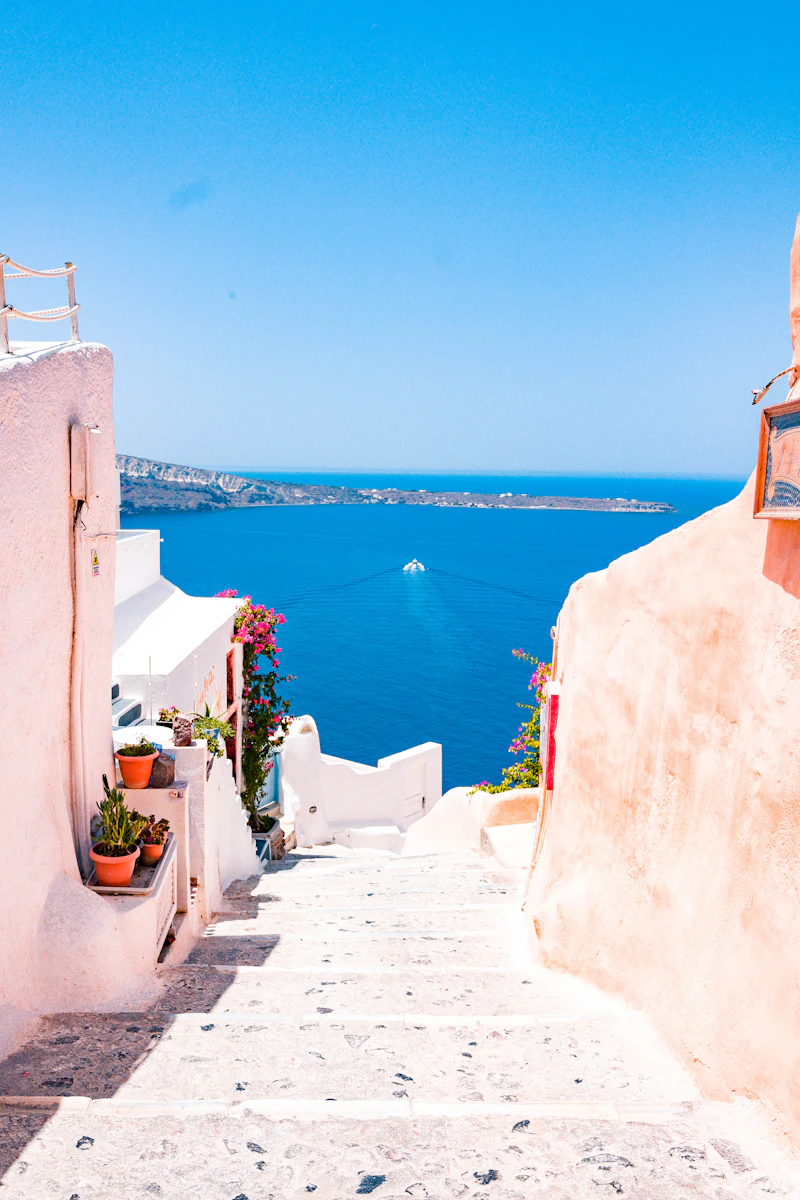
When planning a Mediterranean cultural escape, travelers frequently weigh the classical grandeur of two ancient empires: Greece and Italy. A central question dominates trip planning: Is Athens cheaper than Rome? Economically and empirically, the short answer is yes. According to comparative cost-of-living data aggregated by Numbeo and consumer price indices from Eurostat, consumer prices in Rome are approximately 25% to 35% higher than in Athens. However, exact financial expenditures vary depending on travel style, neighborhood selection, and seasonal timing.
This comprehensive expenditure guide provides an itemized analysis of prices in both capital cities. Whether you are building an Athens itinerary, analyzing an Athens budget guide, or planning a full Italian holiday using a Rome budget guide, this breakdown uses exact pricing data, official transit rates, and hyper-local insights to help you manage your funds effectively.
Quick Answer: Athens vs. Rome Cost Comparison
Choose Athens if:
✓ You want affordable central accommodation (30–40% lower than Rome).
✓ You rely heavily on cheap, filling street food (€3.50–€5.00 souvlaki).
✓ You enjoy vibrant, low-cost nightlife in pedestrian neighborhoods like Psirri and Exarcheia.
✓ You are seeking a lower daily burn rate for extended travel or remote work.
Choose Rome if:
✓ You prioritize expansive, world-class museum networks (Vatican Museums, Borghese Gallery).
✓ You want seamless high-speed rail integration to other major Italian cities.
✓ You prefer monumental architectural density where major landmarks are fully open-air and walkable.
✓ You have a flexible daily budget that comfortably absorbs higher lodging overheads.
Best For: Budget Travelers (Athens), Digital Nomads (Athens), Luxury & Architecture Enthusiasts (Rome), Foodies (Tie).
Statistical Macro Overview: Economic Indicators
To understand why prices differ between the Greek and Italian capitals, one must examine national economic indicators. According to official data from the Hellenic Statistical Authority (ELSTAT) and the Italian National Institute of Statistics (ISTAT), Italy maintains a significantly higher gross domestic product per capita than Greece. This translates directly to local wages, commercial rents, municipal taxes, and consumer price points in the hospitality sector.
- Consumer Prices: Rome consumer prices are 28.4% higher than in Athens (excluding rent).
- Rent Prices: Residential and short-term stay prices in Rome are approximately 62.1% higher than in central Athens.
- Restaurant Prices: Dining out in Rome costs roughly 31.5% more than in Athens across equivalent dining tiers.
- Groceries: Grocery shopping at super markets in Rome is about 22.0% more expensive than at Greek markets (AB Vassilopoulos, Sklavenitis).
Athens vs Rome: Category-by-Category Price Comparison Table
The following detailed comparison table summarizes baseline expenses across key categories for travelers, evaluating performance and relative affordability.
| Category | Athens | Rome | Winner |
|---|---|---|---|
| Accommodation | Hostels: €20–€35/nt | 3-Star: €60–€100/nt | Hostels: €35–€65/nt | 3-Star: €110–€180/nt | Athens |
| Food | Street Food: €3.50–€5.00 | Mid-range dinner: €20–€30/pp | Street Food: €5.00–€8.50 | Mid-range dinner: €35–€50/pp | Athens |
| Nightlife | Pint: €4.00–€5.50 | Cocktail: €8.00–€11.00 | Pint: €5.50–€7.50 | Cocktail: €10.00–€15.00 | Athens |
| Public Transport | Single Ticket: €1.20 | Airport Metro: €9.00 | Single Ticket: €1.50 | Leonardo Express: €14.00 | Athens |
| Visa | Schengen Zone rules apply equally (€90) | Schengen Zone rules apply equally (€90) | Tie |
| Weather | Warmer winters, hot dry summers (300+ sunny days) | Mild winters, hot summers with more rainfall | Athens |
| Walkability | Compact historic core; uneven sidewalks in non-tourist zones | Vast, grand historic center; highly scenic cobblestone streets | Rome |
| Internet | Avg Speed: 45 Mbps broadband; extensive 5G coverage | Avg Speed: 75 Mbps broadband; high 5G speeds | Rome |
| Safety | Low violent crime; pickpocketing in metro lines (Omonia/Monastiraki) | Low violent crime; frequent pickpocketing at Termini & Colosseum | Tie |
| Remote Work | Abundant work-friendly cafes, low cost of living, Digital Nomad Visa | Strong coworking spaces, but higher daily living expenses | Athens |
| Language | Greek; high English proficiency in service sectors | Italian; moderate to high English in tourist zones | Tie |
| Family | Relaxed dining atmosphere, stroller challenges on steep hills | Excellent parks (Villa Borghese), cobblestones challenge strollers | Rome |
| Senior Travelers | Steep paths around Acropolis/Lycabettus; lower medical costs | Flatter main corridors; extensive transit access | Rome |
| Solo Travelers | Extremely easy to socialize in hostels/cafes, cheaper single rooms | Vibrant hostel network, higher single supplement costs | Athens |
| Couples | Rooftop cocktail bars with Acropolis views, seaside Riviera days | Unmatched romantic monuments, fountains, and classic piazzas | Rome |
Detailed Cost Breakdown: Accommodation
Lodging accounts for the largest variance in total expenditure between these two capitals. Rome's extreme popularity among international visitors, coupled with strict municipal regulations on holiday rentals, drives nightly accommodation rates higher throughout the year.
Athens Accommodation Costs
In Athens, dynamic inventory across neighborhoods like Koukaki, Pangrati, Exarcheia, and Metaxourgeio keeps competition active. Travelers planning solo travel in Athens will find high-quality hostel dorm beds in central neighborhoods (such as Psyri or Monastiraki) for €22.00 to €35.00 per night during shoulder seasons. Mid-range 3-star boutique hotels with breakfast and rooftop city views average €70.00 to €110.00 per night. Short-term apartment rentals frequently range from €50.00 to €85.00 per night.
Rome Accommodation Costs
Conversely, those undertaking solo travel in Rome face elevated price floors. A hostel dorm bed near Roma Termini station rarely dips below €40.00 to €60.00 per night in high season. A comparable mid-range 3-star hotel near Monti, Prati, or Trastevere ranges between €130.00 and €220.00 per night. According to hotel index figures published by Italian tourism bodies, municipal tourist stay taxes (tassa di soggiorno) in Rome add €4.00 to €7.00 per person per night depending on hotel star rating, whereas Greece's climate resilience tax adds approximately €1.50 to €3.00 per night for equivalent tier properties.
Food & Dining Expenditure Breakdown
Food culture is central to the experience in both Greece and Italy. However, meal structure, local pricing models, and service fees create noticeable differences in overall food spending.
Street Food and Quick Bites
Athens is widely considered one of Europe’s premier low-cost dining destinations due to its ubiquitous street food culture. To explore authentic Athens street food, travelers visit neighborhood psistaries (grill houses). A full wrapped gyros or souvlaki containing pork or chicken, tzatziki, tomato, onion, and fries costs between €3.30 and €4.50. Two wraps provide a full meal for under €10.00 including a beverage.
In contrast, experiencing authentic Rome street food costs somewhat more. A single supplì (fried rice ball with mozzarella) ranges from €2.00 to €3.50, while a slice of pizza al taglio weighted by hectogram typically runs €4.00 to €7.00 per serving. A traditional trapizzino (stuffed pizza pocket) costs approximately €5.00 to €6.50.
Sit-Down Restaurants and Trattorias
When dining at standard sit-down establishments, price gaps broaden:
- Athens Taverna Meal: A traditional Greek salad (€7.00–€9.00), grilled octopus (€12.00–€15.00), moussaka (€9.00–€12.00), and half-liter of house wine (€5.00–€7.00) yields a meal for two totaling €35.00 to €50.00. Tipping is customary but modest (rounding up or 5–10%).
- Rome Trattoria Meal: A standard Roman meal featuring a primo such as Cacio e Pepe or Carbonara (€11.00–€16.00), a secondo meat dish (€15.00–€22.00), table cover charge (coperto, €2.00–€3.50 per person), and house wine (€10.00–€14.00) costs between €60.00 and €90.00 for two diners.
Hyper-Local Money Tip: Coffee Pricing Protocols
In Rome, standing at the bar (al banco) to drink an espresso costs €1.10 to €1.30. Sitting down at a table on a scenic piazza (al tavolo) can increase the price to €3.50–€6.00 per coffee due to service surcharges. In Athens, ordering a popular Freddo Espresso or Freddo Cappuccino (€2.00 to €3.50 to go; €3.50 to €5.00 sit-down) grants you unlimited table seating for hours without high table service fees.
Public Transportation and Airport Transfers
Both cities offer robust public transport systems managed by public transit authorities: OASA in Athens and ATAC in Rome. Transit costs remain relatively economical in both locations compared to Western European capitals like London or Paris.
Single Tickets and Network Passes
In Athens, a single integrated ATH.ENA ticket costs €1.20 and is valid for 90 minutes across subways, buses, and trams. A 24-hour ticket costs €4.10, and a 5-day pass costs €8.20 (excluding airport transport).
In Rome, a single BIT ticket on the ATAC network costs €1.50 and is valid for 100 minutes from validation (allowing one metro entry and unlimited bus/tram connections). A 24-hour pass costs €7.00, a 48-hour pass costs €12.50, and a 72-hour pass costs €18.00.
Airport Transport Comparison
- Athens International Airport (ATH) to City Center:
- Metro Line 3 ticket: €9.00 single (€16.00 return).
- Express Bus (X95 to Syntagma): €5.50 single.
- Flat-rate taxi fee: €40.00 daytime (05:00–24:00) / €55.00 night rate (24:00–05:00).
- Rome Fiumicino Airport (FCO) to City Center:
- Leonardo Express train to Termini: €14.00 single.
- Regional FL1 train (to Trastevere/Ostiense): €8.00 single.
- Airport shuttle buses (Terravision, SIT): €6.00–€7.00 single.
- Flat-rate taxi fee: €50.00 fixed official city rate within Aurelian Walls.
Sightseeing, Museums, and Attractions
Ticket costs for historical monuments are comparable, though ticketing structures and combination passes differ significantly.
Athens Key Attractions
The main cultural attraction in Athens is the Acropolis hill and its surrounding slopes. According to the Hellenic Ministry of Culture, general admission ticket pricing is structured as follows:
- Acropolis Single Ticket: €20.00 during summer season (April–October) / €10.00 reduced winter rate (November–March).
- Acropolis Combo Ticket: €30.00 (valid for 5 days, includes Acropolis, Ancient Agora, Roman Agora, Hadrian's Library, Olympieion, Kerameikos, and Aristotle's Lyceum).
- Acropolis Museum: €15.00 summer / €10.00 winter.
- National Archaeological Museum: €12.00 summer / €6.00 winter.
Travelers looking to maximize savings should watch for Athens tourist traps such as overpriced third-party skip-the-line ticket re-sellers; purchasing through official government portals avoids unnecessary service commissions.
Rome Key Attractions
Rome contains a vast array of UNESCO World Heritage sites managed by local authorities and the Vatican State:
- Colosseum, Roman Forum, and Palatine Hill (Standard Ticket): €16.00 (plus €2.00 mandatory online reservation fee).
- Vatican Museums and Sistine Chapel: €20.00 basic entry (plus €5.00 online booking fee; advance booking highly recommended to avoid multi-hour queues).
- Borghese Gallery: €13.00 (plus €2.00 reservation fee).
- Pantheon: €5.00 entry fee (introduced recently by the Ministry of Culture).
Neighborhood Cost Profiles
In both cities, staying or dining outside immediate tourist hubs lowers expenses substantially.
Athens Neighborhood Breakdown
- Plaka & Monastiraki: Prime tourist corridor. Restaurant prices are 20–30% higher; high concentration of souvenir shops.
- Koukaki: Adjacent to the Acropolis. Trendy residential vibe with mid-range bistros, excellent coffee shops, and moderate Airbnb pricing.
- Exarcheia & Psirri: Bohemian and nightlife districts. Lower food costs, lively bars, budget tavernas, and affordable alternative hostels.
- Pangrati: Art-focused neighborhood behind the Panathenaic Stadium. Authentic local pricing, popular among young locals and expats.
Rome Neighborhood Breakdown
- Centro Storico (Navona, Pantheon, Trevi): Highest expenditure for accommodation and dining; significant tourist congestion.
- Trastevere: Picturesque medieval neighborhood. Highly popular for dining; main thoroughfares carry premium prices, but side alleys offer traditional trattorias.
- Monti: Near the Colosseum. Hip neighborhood with vintage shops, boutique accommodations, and mid-to-high restaurant pricing.
- Esquilino & Termini: Major transport hub zone. Most affordable accommodation options, diverse international dining, though higher vigilance against pickpockets is advised.
- Testaccio & Garbatella: Culinary center for authentic Roman working-class gastronomy. Excellent value for authentic traditional dining.
Pros and Cons: Athens vs Rome
Athens
Pros:
- Significantly lower costs for lodging, casual dining, and alcohol.
- Inexpensive and filling street food options widely available.
- Compact historic zone surrounded by walkable pedestrian thoroughfares (Dionysiou Areopagitou).
- Immediate proximity to island ferry connections via Piraeus port.
Cons:
- Fewer world-renowned enclosed art museums compared to Rome's vast catalog.
- Varying urban aesthetics outside historic central zones.
- Intense summer heatwaves (July–August temperatures frequently exceed 38°C/100°F).
Rome
Pros:
- Unmatched concentration of historic monuments and artistic masterpieces spanning two millennia.
- Highly scenic urban landscape with iconic plazas, fountains, and streetscapes.
- Excellent high-speed rail links (Frecciarossa/Italo) to Florence, Naples, and Milan.
Cons:
- Elevated baseline expenses for accommodation and sit-down meals.
- High tourist density year-round requiring mandatory advance attraction bookings.
- Mandatory local stay taxes (tassa di soggiorno) add to total hotel bills.
Essential Travel Logistics & Practical Data
Structured Data Summary: Planning Essentials
Best Time to Visit:
- Athens: April to June and September to November (warm weather, manageable crowds, low winter entry fees in early April/November).
- Rome: April to May and September to October (pleasant walking weather; avoid August heat and widespread local business closures).
Daily Target Budgets (per person):
- Athens Budget Tier: €45.00–€65.00/day (Hostel dorm, souvlaki lunch, taverna dinner, public transit, combo pass).
- Athens Mid-Range Tier: €110.00–€160.00/day (3-star hotel, sit-down meals, rooftop drinks, taxis).
- Rome Budget Tier: €75.00–€105.00/day (Hostel dorm, pizza al taglio, budget trattoria, transit pass).
- Rome Mid-Range Tier: €180.00–€260.00/day (3-star hotel, sit-down dining, museum entries, taxi transfers).
Safety & Emergency Protocols:
- Safety Status: Both cities are generally safe for tourist travelers, with very low rates of violent crime. Watch for pickpocketing in crowded areas (e.g., Rome Bus 64, Metro Line A; Athens Omonia station, Metro Line 3 to Airport).
- Emergency Number: 112 (European Universal Emergency Service, free from any phone).
Visas, Currency & Utilities:
- Visa Policy: Both Greece and Italy belong to the Schengen Area. Non-EU travelers must verify rules under ETIAS requirements. For visa entry guidance, review our Rome visa guide.
- Currency: Euro (€). Credit/debit cards are universally accepted in both cities. Greek law mandates card terminal acceptance across all vendors, including taxis and kiosks.
- Power Plugs: Type C and Type F (230V, 50Hz) standard across both countries.
- Internet Availability: High-speed 5G mobile networks are available across both urban areas. EU roaming regulations apply seamlessly between Greece and Italy.
Sample 5-Day Travel Itineraries & Budget Plans
Athens 5-Day Sample Budget Itinerary (€320 Total Expenditure Excluding Flights)
- Day 1: Historical Core. Purchase Acropolis Combo Pass (€30). Walk the pedestrian loop around Plaka and Monastiraki. Lunch: Two gyros wraps (€8.00). Evening: Taverna dinner in Psirri with house wine (€22.00). Accommodation: €30/night dorm or €35 shared room (€150 for 5 nights).
- Day 2: Museums & Ancient Landmarks. Visit Ancient Agora and Roman Agora (included in combo pass). Visit the Acropolis Museum (€15.00). Lunch: Greek bakery spanakopita and iced frappe (€5.00). Evening: Dinner in Exarcheia (€18.00).
- Day 3: City Panoramas & National Gardens. Walk through National Gardens and Syntagma Square to watch the Changing of the Guard. Hike up Lycabettus Hill for sunset views (Free). Dinner: Mezedopoleio in Pangrati (€20.00).
- Day 4: Day Trip to Cape Sounion or Saronic Gulf. Take public KTEL bus to Temple of Poseidon at Sounion (€12.50 roundtrip bus + €10 entry). Sunset over the Aegean. Dinner: Seafood in Piraeus/Mikrolimano (€25.00).
- Day 5: Modern Art & Departure. Visit the National Contemporary Art Museum (EMST) (€8.00). Souvenir shopping in Central Market (Varvakios). Airport bus transfer (€5.50). Total daily public transit 5-day pass: €8.20.
To tailor your stay further, consult our curated Athens itinerary.
Rome 5-Day Sample Budget Itinerary (€540 Total Expenditure Excluding Flights)
- Day 1: Ancient Rome Core. Pre-booked Colosseum, Forum & Palatine Hill ticket (€18.00). Lunch: Pizza al taglio near Monti (€7.50). Walk past Circus Maximus to Piazza Venezia. Evening: Pasta dinner in Trastevere (€28.00). Accommodation: €55/night hostel dorm or €65 shared room (€275 for 5 nights).
- Day 2: Vatican City & Prati. Pre-booked Vatican Museums & Sistine Chapel ticket (€25.00). Free entry to St. Peter's Basilica. Lunch: Trapizzino in Prati (€6.50). Walk through Piazza Navona and Pantheon (€5.00 entry). Dinner: Trattoria near Campo de' Fiori (€30.00).
- Day 3: Fountains, Steps & Gardens. Self-guided walking route: Trevi Fountain, Spanish Steps, Piazza del Popolo, and Villa Borghese Gardens (Free). Visit Borghese Gallery (€15.00). Lunch: Panino to go (€6.00). Dinner: Testaccio neighborhood trattoria (€28.00).
- Day 4: Appian Way & Catacombs. Rent a bicycle or ride Bus 118 along Ancient Appian Way (Via Appia Antica). Entry to San Callisto Catacombs (€10.00). Picnic lunch with grocery items from Carrefour Express (€8.00). Evening: Craft beer in Pigneto (€18.00).
- Day 5: Historic Markets & Departure. Explore Campo de' Fiori and Jewish Ghetto historical area. Sample local fried artichokes (Carciofi alla Giudìa) (€12.00). Regional train transfer to Fiumicino Airport (€8.00). Total 72-hour transit pass + single tickets: €24.00.
For additional details on organizing your route, check out our comprehensive Rome itinerary.
Frequently Asked Questions
Is Athens cheaper than Rome for tourists?
Yes. Aggregated travel consumer indices reveal that overall expenses in Athens—including accommodation, food, public transit, and casual entertainment—are approximately 25% to 35% lower than in Rome.
How much is a meal in Athens compared to Rome?
A quick street meal in Athens (gyros wrap) costs €3.50–€5.00, compared to €5.00–€8.50 for street food in Rome (pizza al taglio or supplì). Mid-range seated meals average €20–€30 per person in Athens versus €35–€50 per person in Rome.
Can you visit Athens and Rome without renting a car?
Yes. Both cities maintain extensive metro, bus, and tram infrastructure, rendering rental cars unnecessary and costly due to traffic and restricted driving zones (ZTL in Rome).
Which city is better for a budget week: Athens or Rome?
Athens is better suited for strict budget trips due to lower lodging rates, inexpensive street dining, and flat-rate combination passes for archaeological sites.
Verdict & Final Recommendations
Who Should Visit Athens?
Athens is the ideal destination for budget-conscious travelers, digital nomads seeking lower monthly burn rates, backpackers, and enthusiasts of ancient Greek civilization. The lower entry barrier for accommodations makes it easier to extend your stay or spend money on day trips to Greek islands.
Who Should Visit Rome?
Rome is ideal for travelers willing to allocate a larger overall budget to experience an incredible density of iconic World Heritage sites, Renaissance and Baroque art, and famous culinary institutions. While overall costs are higher, the sheer scale of open-air historic monuments offers a unique cultural value.
Best Months to Visit
For both cities, the optimal cost-to-weather ratio occurs during shoulder months: April, May, September, and October. Visiting in shoulder seasons yields lower accommodation rates, reduced site queues, and pleasant walking temperatures.
Next Destination
If you choose Athens, consider heading to regional hubs like Thessaloniki or island chains via Piraeus ferry routes. If you choose Rome, board Italy's high-speed rail lines toward Florence, Bologna, or Naples.
Related Guides
- Athens Budget Guide: Save Money on Lodging & Food
- Rome Budget Guide: How to Visit Italy on a Shoestring
- The Ultimate 3-Day and 5-Day Athens Itinerary
- The Ultimate 4-Day Rome Walking Itinerary
- Where to Find the Best Street Food in Athens
Editorial Methodology & Trust
Last Updated: July 2, 2026
Every Shaivio guide is created through editorial research using publicly available information from official tourism authorities, transportation providers, government resources, and other reliable references where applicable. Our editors review and update content regularly to improve accuracy and usefulness. Shaivio does not accept paid placements or sponsored rankings in editorial content. Because travel information can change, we recommend verifying critical details with the relevant official source before traveling.