The Quick Answer: Is Iceland Worth Visiting in Winter?
Quick Verdict
Choose Iceland in Winter if:
✓ You want to see the Aurora Borealis (Northern Lights)
✓ You wish to enter natural crystal blue ice caves inside glaciers
✓ You prefer fewer crowds at major sites like Gullfoss and Skógafoss
✓ You enjoy thermal springs and geothermal pools in freezing temperatures
Skip Iceland in Winter (or choose Summer) if:
✖ You are uncomfortable driving on sheet ice and in whiteout conditions
✖ You require more than 6 hours of daylight per day to sightsee
✖ You plan to hike extensively in the Highlands (F-roads are closed)
✖ You want to see puffins (they migrate out to sea from September to April)
Best For: Landscape photographers, couples seeking cozy getaways, winter sports enthusiasts, and adventurous solo travelers who prioritize natural phenomena over warm weather.
Seasonal Snapshot: Iceland Winter vs. Iceland Summer
Choosing between winter and summer in Iceland involves fundamental trade-offs in daylight, accessibility, costs, and visual landscapes. According to historical visitor data from the Icelandic Tourist Board (Ferðamálastofa), winter arrivals have grown substantially over the last decade, yet seasonal conditions remain vastly different from the midnight sun months.
| Category | Iceland in Winter (Nov–Mar) | Iceland in Summer (Jun–Aug) | Winter Advantage / Notes |
|---|---|---|---|
| Accommodation | 15% to 35% lower rates outside peak holidays | Peak pricing; requires 4-6 months advance booking | Winter Winner (Better value) |
| Food | $25–$50 USD per main dish in restaurants | $25–$50 USD per main dish in restaurants | Tie (High year-round) |
| Nightlife | Cozy indoor pub culture in Reykjavík; early darkness | Vibrant 24-hour daylight party atmosphere | Summer Winner |
| Public Transport | Extremely limited long-distance transit; weather delays | Seasonal bus routes active across highland routes | Summer Winner |
| Visa | Schengen Zone rules apply (90 days limit) | Schengen Zone rules apply (90 days limit) | Tie |
| Weather | -5°C to 3°C (23°F to 37°F); strong gales, snow | 10°C to 15°C (50°F to 59°F); mild, frequent rain | Summer Winner (Milder) |
| Walkability | Icy sidewalks requiring crampons/cleats | Clear trails and dry paved streets | Summer Winner |
| Internet | 4G/5G coverage extensive along major roads | 4G/5G coverage extensive island-wide | Tie (Excellent connectivity) |
| Safety | High road hazards; blizzard hazards | Low crime; minimal natural hazards on roads | Summer Winner |
| Remote Work | Quiet cafes; cozy indoor work environments | Great working conditions; bright all night | Tie |
| Language | Icelandic; English widely spoken in tourist sectors | Icelandic; English widely spoken in tourist sectors | Tie |
| Family | Challenging due to sub-zero winds and brief days | Ideal for road trips and puffin spotting | Summer Winner |
| Senior Travelers | Ice hazard for mobility; guided coach tours needed | Easy accessibility to main sights | Summer Winner |
| Solo Travelers | Great community in hostels/tours; self-driving risky | Easy campervan touring and hostelling | Tie |
| Couples | Atmospheric lights, hot tubs, northern lights romance | Endless daylight drives and dramatic hikes | Winter Winner (Atmosphere) |
Iceland Winter Essentials at a Glance
Daylight Realities: Understanding the Arctic Winter Light
One of the most misunderstood aspects of visiting Iceland in winter is the daylight window. Because of Iceland's high latitude (around 64°N to 66°N), daylight hours fluctuate rapidly during the winter solstice transition.
Data published by the Icelandic Meteorological Office (Veðurstofa Íslands) illustrates the dramatic changes in solar illumination:
- November: ~7 to 8 hours of usable daylight (Sunrise ~9:30 AM, Sunset ~4:30 PM).
- December: ~4 to 4.5 hours of daylight (Sunrise ~11:15 AM, Sunset ~3:30 PM).
- January: ~4.5 to 6 hours of daylight (Sunrise ~11:00 AM, Sunset ~4:00 PM).
- February: ~7 to 9 hours of daylight (Sunrise ~9:00 AM, Sunset ~6:00 PM).
- March: ~11 to 13 hours of daylight (Sunrise ~7:30 AM, Sunset ~7:30 PM).
While four hours of sunlight in December sounds restricting, the light during this period is unique. The sun stays low on the horizon, creating a perpetual golden-hour lighting effect that photograhers prize. However, itinerary planning must be precise. Attempting to drive three hours between sight locations during peak midwinter means completing most transit in pitch black darkness.
Itemized Winter Budget: What Does It Really Cost?
Iceland maintains a reputation as one of the world's most expensive destinations. According to price tracking indices from Statistics Iceland, consumer goods and service prices sit significantly higher than the European Union average. However, traveling during winter offers tangible savings on accommodation compared to peak summer dates.
Here is a breakdown of realistic winter expenses based on real market averages:
1. Accommodation Costs
- Budget Hostels (Dorm Bed): 4,500 to 8,000 ISK ($32–$58 USD) per night.
- Mid-Range Hotel / Guesthouse (Private Room): 16,000 to 32,000 ISK ($115–$230 USD) per night.
- Luxury Boutique Lodges: 55,000 to 110,000 ISK ($400–$800 USD) per night.
Check out our detailed Iceland budget guide for tactics on saving money on lodging and meals.
2. Transportation Costs
- 4x4 Rental SUV with Studded Tires: $60–$120 USD per day (essential for safe winter driving).
- Fuel (95 Octane / Diesel): Approximately 310–340 ISK per liter ($8.50–$9.30 USD per gallon).
- Guided Day Tours (Golden Circle / South Coast): $90–$160 USD per person.
3. Food & Dining Costs
- Gas Station Meal (Hot Dog & Soda): 800–1,200 ISK ($6–$9 USD).
- Casual Cafe Lunch (Soup & Bread): 2,200–3,200 ISK ($16–$23 USD).
- Three-Course Dinner at a Quality Restaurant: 9,000–16,000 ISK ($65–$115 USD) per person excluding alcohol.
- Grocery Self-Catering (Bonus or Krónan supermarkets): $40–$60 USD per person per week.
Winter-Exclusive Highlights: Experiences You Can't Have in Summer
While summer offers lush greenery and highland hiking, winter unlocks specific natural phenomena that are physically impossible to witness during warmer months.
1. Natural Crystal Blue Ice Caves
Natural ice caves form inside glaciers like Vatnajökull during summer meltwater flow, freezing solid in autumn. Between November and March, these structural ice tunnels become safe for expert-led guided visits. The intense blue compression of the centuries-old glacial ice creates an otherworldly visual experience impossible to experience in July. Expect to book guided tours months in advance, as solo entry without a certified glacier guide is life-threatening and illegal.
2. Aurora Borealis (Northern Lights)
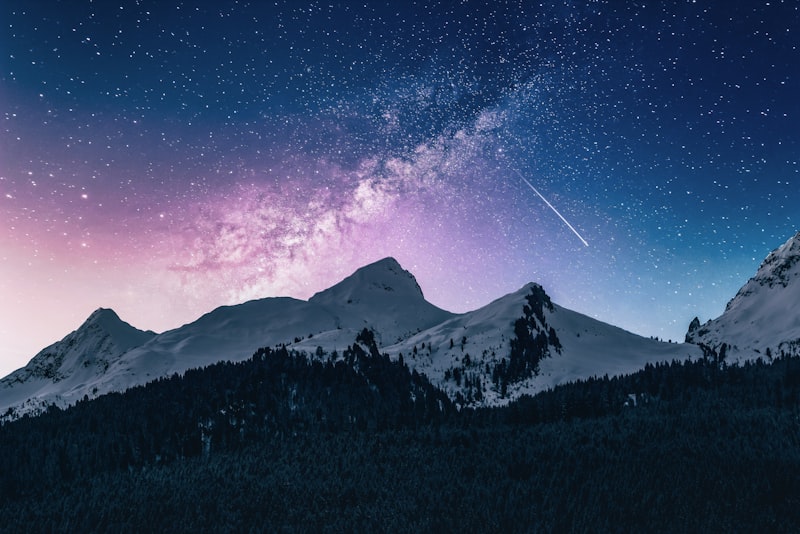
Because summer features 24 hours of daylight, viewing the Northern Lights is impossible from May to August. Winter provides the dark skies required to see solar particles colliding with Earth's magnetic atmosphere. While sightings depend on solar activity index (Kp index) and cloud cover, visiting between October and March offers optimal darkness window for aurora hunting.
3. Geothermal Bathing in Frozen Environments
Bathing in natural hot springs like the Blue Lagoon, Sky Lagoon, or local municipal pools while sub-zero snow falls around you is a quintessential Icelandic culture point. The contrast between freezing air and 38°C to 40°C (100°F–104°F) geothermal water is unmatched.
Critical Winter Hazards & Safety Imperatives
Iceland's climate is notorious for unpredictable and severe weather shifts. High winds, squalls, and black ice pose real risks to visitors who underestimate Arctic conditions.
Official guidance from SafeTravel Iceland highlights several crucial safety protocols:
- Car Door Wind Warnings: Icelandic wind gusts can exceed 100 km/h (62 mph). Wind damage to vehicle doors—caused by gales catching unheld doors—is explicitly excluded from standard rental car insurance policies. Always hold doors firmly with both hands when exiting.
- Reynisfjara Black Sand Beach Sneaker Waves: Highly dangerous rogue waves regularly drag tourists out to sea. Pay strict attention to the warning lights at the parking lot entrance and never turn your back to the ocean.
- Road Checks: Check road status on the Icelandic Road and Coastal Administration (Vegagerðin) portal at least twice daily. Blue indicates slippery roads, white indicates snow, and red indicates completely impassable or closed routes.
Review our Iceland winter driving tips before renting a vehicle in Reykjavík.
Hyper-Local Advice & Geothermal Etiquette
Icelanders maintain strict cultural norms surrounding their communal swimming facilities and public life. Navigating these smooths your travel experience significantly:
- Naked Showering Ritual: Before entering any geothermal pool or public bath (including the Blue Lagoon and local neighborhood pools), official sanitation regulations dictate that all bathers must shower thoroughly with soap without swimsuit on. Showers are segregated by gender, and private cubicles are increasingly common, but full naked bathing is required for pool hygiene.
- Supermarket Grocery Choices: Avoid shopping for basic groceries at convenience outlets like 10-11, where prices can be up to 50% higher. Shop at discount chains such as Bónus (identifiable by its yellow pig logo) or Krónan.
- Tipping Culture: Tipping is not customary in Iceland. Service charges and tax (VAT) are included in menu prices and bill totals across restaurants, taxis, and tour companies.
5-Day Recommended Winter South Coast Itinerary
Attempting to drive the entire 1,332 km (828 mile) Ring Road during a short winter trip is a common mistake. Road closures in the East Fjords and North Iceland frequently isolate self-drivers. Instead, focus on a concentrated, safe 5-day South Coast route.
Day 1: Arrival & Golden Circle Highlights
Pick up your 4x4 rental at Keflavík Airport (KEF). Drive to Thingvellir National Park to see the rift valley between tectonic plates. Visit Haukadalur geothermal valley to watch Strokkur geyser erupt, and finish at the partially frozen Gullfoss Waterfall. Stay overnight near Selfoss.
Read our full Iceland Golden Circle guide for expanded route details.
Day 2: South Coast Waterfalls & Black Sand Beach
Drive along Route 1 to Seljalandsfoss and Skógafoss waterfalls. Marvel at the ice formations framing the cascades. In the afternoon, explore Reynisfjara black sand beach near Vík, exercising extreme caution near the shoreline. Stay overnight in Vík.
Day 3: Glacier Lagoon & Ice Cave Tour
Drive east toward Vatnajökull National Park. Take a pre-booked guided super-jeep tour into a natural ice cave. Afterward, visit Jökulsárlón Glacier Lagoon and Diamond Beach, where iceberg fragments wash ashore on black sand. Stay near Kirkjubæjarklaustur.
Day 4: Reykjanes Peninsula & Sky Lagoon
Head back toward Reykjavík. Spend the afternoon soaking in the cliffside geothermal waters at Sky Lagoon or the iconic Blue Lagoon. Explore dining options in downtown Reykjavík. See our Reykjavík itinerary for culinary recommendations.
Day 5: Reykjavík Culture & Departure
Walk past the iconic Hallgrímskirkja church, visit the Harpa Concert Hall, and explore urban street murals. Head back to Keflavík Airport for late afternoon departure flights.
Common Myths vs. Cold Realities
| Perceived Myth | Actual Reality in Winter |
|---|---|
| "Iceland in winter is colder than mainland North America." | False. Thanks to the North Atlantic Drift, winter temperatures in Reykjavík average around 0°C (32°F), often milder than Chicago, New York, or Toronto. The primary challenge is the severe wind chill, not low ambient temperatures. |
| "You are guaranteed to see the Northern Lights every night." | False. Auroral viewing depends on solar storm activity and clear cloudless skies. Multiday overcast storms can hide the lights for an entire week. |
| "You can drive any small car as long as you drive slowly." | Dangerous myth. Compact 2WD vehicles lack clearance and traction when sudden drifting snow or high winds strike rural highways. A high-clearance 4x4 is essential outside Reykjavík. |
Essential Gear Checklist for Iceland Winter Travel
Proper clothing layering is essential for safe and comfortable travel in sub-zero Arctic conditions. Avoid cotton materials, which retain moisture and cause rapid cooling.
- Base Layer: Thermal merino wool or synthetic tops and long johns.
- Mid Layer: Fleece sweater or insulated lightweight down jacket.
- Outer Layer: Windproof and waterproof hard-shell jacket and snow-pants (Gore-Tex or equivalent).
- Footwear: Waterproof hiking boots with insulation and lugged traction soles.
- Ice Cleats / Crampons: Slip-on microspikes (essential for walking safely on frozen paths at waterfalls).
- Accessories: Fleece-lined beanies, windproof gloves, neck gaiter (safer than dangling scarves), and heavy wool socks.
Frequently Asked Questions
Is Iceland worth visiting in winter despite short daylight hours?
Yes. Although daylight is compressed to 4–6 hours in midwinter, the low-lying Arctic sun creates continuous golden-hour conditions for photography. Furthermore, winter grants access to blue ice caves, frozen waterfalls, and dark sky auroral displays that summer cannot offer.
Can you drive the Ring Road in Iceland during winter?
Attempting the full Ring Road circuit in winter is generally discouraged unless you have extensive cold-weather driving experience and a flexible timeline of 10–14 days. Sudden blizzards regularly block mountain passes in the North and East, leading to highway closures. Concentrating on the South Coast and Golden Circle is safer and far more manageable.
How much does a 7-day winter trip to Iceland cost?
A realistic budget for two adults on a 7-day mid-range winter travel itinerary (including 4x4 rental car, fuel, private mid-range accommodation, grocery meals, occasional restaurant dinners, and an ice cave tour) totals approximately $2,200 to $3,800 USD, excluding international flights.
Are natural ice caves open in summer in Iceland?
No. Natural glacier ice caves melt and become structurally unstable as temperatures rise in spring. Safe guided tours into natural blue ice caves operate strictly from November through March.
Is English widely spoken in Iceland?
English is commonly spoken in tourist areas, hotels, restaurants, and major attractions throughout Iceland, though less frequently in secluded agricultural communities or among older rural residents. Most signage along main tourist routes is printed in both Icelandic and English.
Final Verdict: Who Should Visit Iceland in Winter?
Who should visit?
Iceland in winter is an ideal destination for adventurous travelers, winter photographers, couples seeking dramatic snowscapes, and skywatchers eager to hunt the Aurora Borealis. If you value stark natural beauty, hot spring bathing in cold weather, and unique glacial excursions over high temperatures and long days, winter is well worth the investment.
Best months to go
February and March offer the best balance. You gain longer daylight windows (8 to 11 hours) while maintaining snow cover, active blue ice caves, and solid Northern Lights viewing opportunities.
Next destinations & related guides
Before locking in your travel arrangements, explore our comprehensive collection of planning resources:
- Iceland budget guide – Proven tactics for minimizing costs on food and transport.
- Iceland winter driving tips – Essential rules for handling icy roads safely.
- Iceland hot springs guide – Secret geothermal pools beyond the Blue Lagoon.
- Iceland northern lights guide – Maximizing your chances of clear night sightings.
- Iceland tourist traps – Overrated stops to skip on your winter itinerary.
- Iceland visa guide – Schengen entry rules and travel documentation requirements.
- Solo travel in Iceland – Safety insights for solo winter adventurers.
- Iceland Ring Road winter itinerary – Safe route planning for long-distance drivers.
Article Methodology & Sources
This report was researched and compiled using verified data provided by official Icelandic government entities and international research groups. Pricing estimates reflect current market benchmarks monitored by Statistics Iceland. Road conditions, seasonal hazard warnings, and winter driving protocols are sourced from SafeTravel Iceland and the Icelandic Road and Coastal Administration (Vegagerðin). Solar position charts and climate ranges are verified via historical logs from the Icelandic Meteorological Office (Veðurstofa Íslands). Annual visitor arrival statistics and spending metrics are cited from the Icelandic Tourist Board (Ferðamálastofa).
Editorial Methodology & Trust
Last Updated: July 2, 2026
Every Shaivio guide is created through editorial research using publicly available information from official tourism authorities, transportation providers, government resources, and other reliable references where applicable. Our editors review and update content regularly to improve accuracy and usefulness. Shaivio does not accept paid placements or sponsored rankings in editorial content. Because travel information can change, we recommend verifying critical details with the relevant official source before traveling.