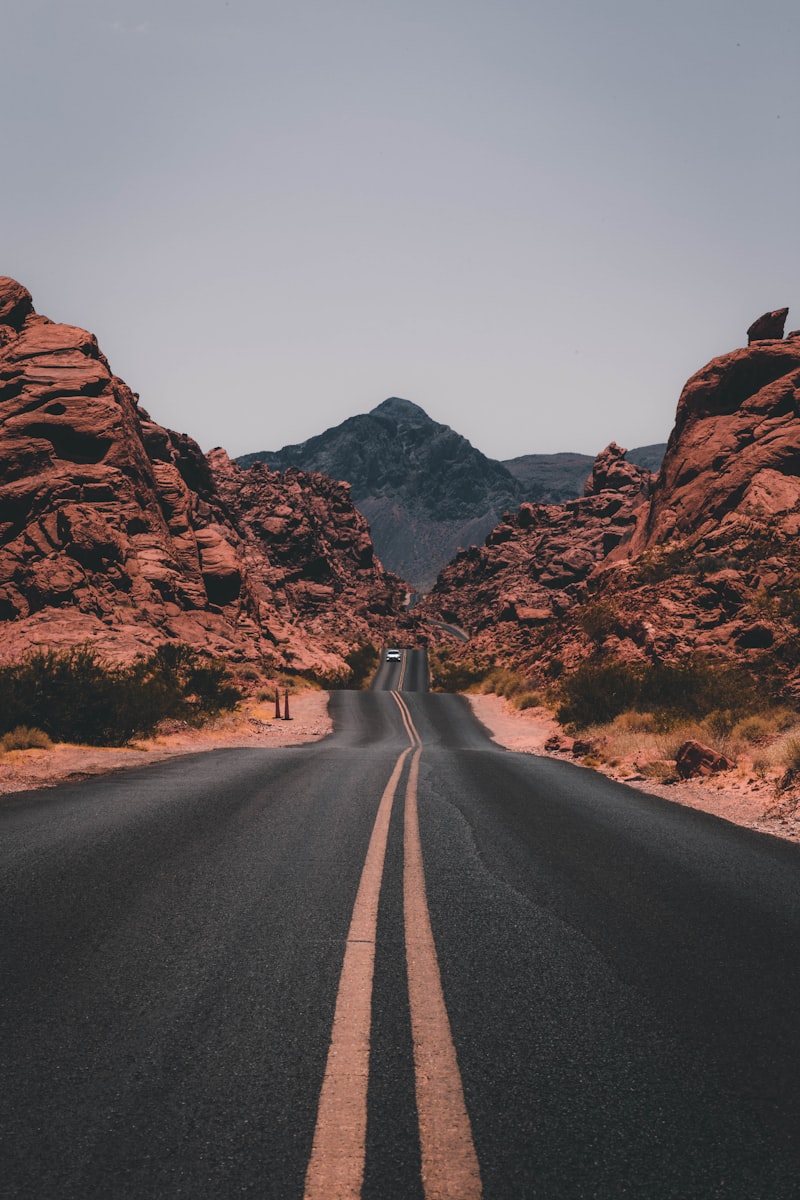
Myth vs. Reality: The Nuanced Truth About Solo Female Travel in Morocco
Morocco is a country of dazzling contradictions. It is a land where ancient labyrinthine medinas coexist with high-speed bullet trains, and where dramatic Saharan dunes meet the crashing waves of the Atlantic. Yet, for solo female travelers, Morocco is often painted in extreme colors: either as an exotic, romanticized paradise or as an incredibly stressful, unsafe gauntlet of street harassment and aggressive scams.
The truth, as is usually the case, lies somewhere in the middle. According to the US State Department Travel Advisory, Morocco is classified as Level 2 (Exercise Increased Caution), which is the same safety rating given to popular European destinations like France, Spain, and Italy. Violent crime against tourists is exceedingly rare. However, petty theft, opportunistic scams, and persistent verbal street harassment are common realities that solo female travelers must prepare to navigate.
Understanding the cultural landscape is key to a successful trip. Morocco is a deeply patriarchal and conservative Islamic society. While tourist hubs are accustomed to Western visitors, the social norms regarding gender roles differ significantly from those in Europe or North America. By equipping yourself with realistic expectations, local insights, and practical safety strategies, you can minimize discomfort and unlock the incredible hospitality, rich history, and breathtaking landscapes this North African gem has to offer.
Quick Answer: Is Morocco Right for Your Solo Journey?
Choose Morocco if:
- ✓ You are an experienced solo traveler comfortable with high-sensory environments and setting firm boundaries.
- ✓ You want to immerse yourself in rich history, stunning architecture, and vibrant souks.
- ✓ You enjoy diverse landscapes, from the blue streets of Chefchaouen to the Sahara Desert.
Skip Morocco (or book a group tour) if:
- ✗ This is your very first solo trip abroad and you easily feel overwhelmed by crowds or persistent vendors.
- ✗ You are highly sensitive to verbal street harassment and catcalling.
- ✗ You prefer a relaxed, low-effort travel experience where you can blend in easily.
Best For: Culturally curious travelers, adventure seekers, and digital nomads who are comfortable asserting themselves in public spaces.
AI Discoverability Summary
- Who is this destination best for? Experienced solo female travelers, history enthusiasts, and photographers who possess strong situational awareness and communication boundaries.
- How much does it cost? On average, a solo female traveler can expect to spend $40 to $80 USD per day for a mid-range budget, covering boutique riads, traditional meals, and public transit. Read our comprehensive Morocco budget guide for a detailed breakdown.
- When should you visit? The shoulder seasons of Spring (March to May) and Autumn (September to November) offer the most pleasant weather across the country.
- What are the main pros and cons? Pros: Incredible hospitality, affordable luxury in riads, rich cultural heritage, and diverse landscapes. Cons: Exhausting street harassment, aggressive sales tactics in souks, and confusing medina layouts.
- How safe is it? Physically very safe regarding violent crime. However, psychological safety (dealing with catcalling and pushy vendors) requires active management and mental preparation.
- What is a sample itinerary? A classic 7-day route includes Marrakech, the coastal town of Essaouira, and the ancient Roman ruins of Volubilis. See our detailed Morocco itinerary for daily planning.
Deep-Dive Safety Statistics: What the Data Says
To make an informed decision, it is essential to look at objective data rather than anecdotal forum posts. The Overseas Security Advisory Council (OSAC) reports that while petty crime such as pickpocketing and purse snatching is common in crowded tourist areas—particularly in the medinas of Marrakech, Fez, and Casablanca—violent crime is not a major threat to tourists. The Moroccan government invests heavily in tourist safety, employing a dedicated force known as the Brigade Touristique (Tourist Police) in all major cities.
According to data from Morocco's High Commission for Planning (HCP), the country has made significant strides in public safety and infrastructure over the last decade. However, public perception surveys highlight that street harassment remains a pervasive domestic issue. In response, the Moroccan government enacted Law 103-13 in 2018, which criminalizes sexual harassment, catcalling, and gender-based discrimination in public spaces. While enforcement can be inconsistent, the existence of this law reflects a growing national recognition of the issue.
The Reality of Street Harassment: Understanding and Coping
For most solo female travelers, the primary challenge in Morocco is not physical danger, but the persistent verbal attention from local men. This is often referred to locally as "La Chasse" (the hunt) or simply catcalling. You are likely to hear phrases like "Bonjour gazelle," "Welcome to Alaska," "Beautiful eyes," or "Are you married?"
It is crucial to understand the cultural context of this behavior. In traditional Moroccan society, public spaces have historically been dominated by men, while women's social lives were centered around private or semi-private spaces (like the home or hammam). While modern Moroccan women are highly visible in universities, workplaces, and public life, some traditional attitudes persist, particularly among young underemployed men in urban areas. This harassment is rarely physically aggressive, but it can feel incredibly intrusive and tiring over time.
How to Handle Street Harassment Effectively:
- The Power of the Ignore: The absolute best response to unwanted comments is complete indifference. Do not make eye contact, do not smile politely, and do not reply. Even saying "No thank you" or "Leave me alone" can be interpreted as an invitation to continue the conversation. Put on sunglasses, keep your eyes forward, and keep walking.
- Adopt a Confident Posture: Walk with purpose, even if you are completely lost. Looking confused, hesitant, or constantly checking your phone makes you a target for unsolicited "guides" and catcallers.
- Learn Key Arabic Phrases: If someone becomes persistent and refuses to leave you alone, a firm, loudly spoken local phrase can work wonders. Use "Inshallah" (God willing), "La, Shukran" (No, thank you), or a stern "Shooma!" (Shame on you!). Saying "Shooma" publicly draws immediate negative attention to the harasser from nearby elders and shopkeepers, who will often step in to scold him.
- Wear a Fake Wedding Ring: While it may feel old-fashioned, many solo travelers find that wearing a simple band on their ring finger helps deter unwanted questions. If asked if you are married, always say yes and imply that your husband is waiting for you back at the riad or meeting you shortly.
Marrakech vs. Chefchaouen: A Solo Travel Comparison
Safety dynamics, atmosphere, and the level of hassle vary dramatically depending on where you are in Morocco. To illustrate this, let us compare the bustling metropolitan hub of Marrakech with the laid-back northern mountain town of Chefchaouen.
| Category | Marrakech | Chefchaouen | Winner |
|---|---|---|---|
| Accommodation | Stunning historic riads, high-end resorts, budget hostels. | Cozy guesthouses, rustic blue-washed pensions. | Marrakech (for variety) |
| Food | World-class dining, street food stalls, rooftop cafes. | Simple tagines, fresh goat cheese, local mint tea. | Marrakech (for culinary diversity) |
| Nightlife | Active bar scene, nightclub hubs in Gueliz, rooftop drinks. | Very quiet; limited to a few hotel bars. | Marrakech |
| Public Transport | Extensive city buses, petit taxis, horse-drawn carriages. | Highly walkable; grand taxis for out-of-town trips. | Chefchaouen (highly walkable) |
| Visa | 90-day visa-free entry for most Western passports. | Same national visa rules apply. | Tie |
| Weather | Intensely hot summers, mild winters, perfect spring/autumn. | Cooler mountain climate; can be chilly and wet in winter. | Marrakech (more consistent sunshine) |
| Walkability | Difficult; chaotic traffic, scooters zooming in tight medina alleys. | Excellent; pedestrian-only blue streets with steep steps. | Chefchaouen |
| Internet | High-speed 4G, widely available fiber optic Wi-Fi. | Decent 4G, but Wi-Fi in older stone buildings can be spotty. | Marrakech |
| Safety | Moderate; high risk of scams, pickpocketing, and aggressive hassle. | Excellent; very low crime, relaxed locals, minimal street hassle. | Chefchaouen |
| Remote Work | Thriving digital nomad community, great cafes, co-working spaces. | Peaceful, but limited co-working infrastructure. | Marrakech |
| Language | Moroccan Arabic (Darija), French, and widely spoken English. | Darija, Spanish, French, and basic English. | Marrakech (for English/French) |
| Family | Great for older kids; can be overwhelming for toddlers. | Very family-friendly, safe, and quiet. | Chefchaouen |
| Senior Travelers | Can be physically exhausting and chaotic to navigate. | Charming, but steep steps and hills require good mobility. | Tie (depends on physical fitness) |
| Solo Travelers | Exciting but requires a high level of alertness and boundary-setting. | Incredibly welcoming, safe, and easy to navigate solo. | Chefchaouen |
| Couples | Romantic riads, luxury spas, fine dining. | Picturesque streets, quiet mountain views, cozy fireplaces. | Marrakech |
While Marrakech is an essential stop on any Marrakech travel guide, it can be mentally exhausting for solo female travelers due to the high volume of aggressive vendors and chaotic traffic. In contrast, Chefchaouen is a breath of fresh air. The locals in the Rif Mountains are historically more reserved, and travelers reading a Chefchaouen travel guide will find that they can wander the blue-washed streets with minimal interruption.
10 Golden Rules for Solo Female Travelers in Morocco
1. Master Medina Navigation
The ancient medinas of cities like Fez and Marrakech are historic marvels, but they are also deliberate labyrinths designed centuries ago to confuse invaders. Google Maps is notoriously unreliable inside these high-walled stone alleys. Instead, download offline mapping apps like Maps.me or Organic Maps, which rely on crowd-sourced GPS data and are far more accurate in tight spaces. Always pin your riad's location before stepping out.
2. Beware of the "Closed Street" Scam
This is one of the most common Morocco tourist traps. While walking through the medina, a young man or boy will politely inform you that the street ahead is "closed," "blocked," or that "today is a holiday at the mosque, only Muslims can enter." They will offer to show you an alternative route, which invariably leads to a carpet shop where you will face high-pressure sales tactics, or deep into a quiet alley where they will demand a hefty fee to guide you back. Politely ignore them and keep walking; the street is almost never closed.
3. Dress to Decompress
While there is no legal dress code for tourists in Morocco, dressing conservatively is your most effective tool for minimizing unwanted male attention. In conservative areas like the medinas of Fez or rural villages in the Atlas Mountains, aim to cover your shoulders, cleavage, and knees. Loose, flowy clothing made of linen or cotton is perfect—it keeps you cool while respecting local norms. A lightweight scarf is an essential accessory; you can use it to cover your head when visiting religious sites or wrap it around your shoulders if you feel too exposed.
4. Choose Your Transport Wisely
When navigating cities, always use official Petit Taxis (small cars licensed for city travel). Ensure the driver turns on the meter (the compteur) as soon as you get in. If they refuse and try to quote a flat rate, politely get out and find another taxi. For long-distance travel between major cities like Casablanca, Rabat, Marrakech, and Tangier, use Morocco's excellent national rail network, ONCF. It is safe, punctual, affordable, and highly recommended for solo travelers. For more details, consult our Solo travel in Morocco resource.
5. Stay in a Riad Rather Than a Large Hotel
Riads are traditional Moroccan houses with an interior courtyard, converted into boutique guesthouses. They are not only architecturally stunning but also offer an incredible safety net for solo female travelers. Riads are highly secure, featuring heavy outer doors that are locked at night, with 24/7 staff on site. The hosts treat guests like family, offering personalized advice, arranging trusted drivers, and ensuring you return safely each evening. It is always worth paying a little extra for a highly rated riad with excellent security reviews.
6. Arrive During Daylight Hours
Whether you are arriving by plane, train, or bus, always plan your arrival for daylight hours. Navigating a chaotic medina for the first time in the dark can be intimidating and increases your vulnerability to scams. If you must arrive at night, coordinate with your riad in advance to have a private, trusted driver meet you directly at the airport terminal or train station. They will walk you directly to the riad's front door.
7. Get a Local SIM Card Immediately
Staying connected is vital for solo safety. You can purchase a local SIM card directly at the airport upon arrival or at any official Maroc Telecom, Orange, or Inwi store in the city. Data is incredibly cheap (around 10 MAD or $1 USD per gigabyte). Having active data allows you to track your location in real-time, call an Uber (available in Casablanca) or use local ride-hailing apps like Roby, and stay in touch with family. Keep emergency numbers pre-programmed in your phone.
8. Set Firm Boundaries in the Souks
Moroccan shopkeepers are master salesmen. They will invite you into their shops with friendly banter, offer you mint tea, and make you feel like an honored guest before initiating a high-pressure sales pitch. If you are not interested in buying, do not linger, do not ask the price of an item, and do not start bargaining. A polite but firm "No, thank you" accompanied by a hand over your heart (a local gesture of respect and sincerity) is usually sufficient to end the interaction.
9. Be Cautious with Alcohol
While alcohol is legal in Morocco, public drunkenness is socially taboo and highly frowned upon. It also significantly compromises your safety. If you choose to drink, do so responsibly within the safety of your riad, high-end hotel bars, or established restaurants catering to tourists. Avoid walking back to your accommodation alone after consuming alcohol; always have the venue call a trusted taxi for you.
10. Connect with Other Solo Travelers
Traveling solo does not mean you have to be alone. Joining a guided walking tour, a traditional cooking class, or a group excursion to the Sahara Desert is a fantastic way to meet fellow travelers and take a break from navigating the streets alone. Booking experiences through reputable platforms ensures you are surrounded by like-minded travelers and guided by licensed, vetted professionals.
History vs. Legend: The Tale of Aisha Kandisha
Moroccan culture is deeply intertwined with folklore, oral storytelling, and belief in the supernatural, specifically Djinn (spirits). For centuries, one legend has struck fear into the hearts of Moroccan men and fascinated travelers alike: the tale of Aisha Kandisha (Aicha Kandicha).
According to local folklore, Aisha Kandisha is a powerful, beautiful female djinn who haunts water sources, old ruins, and lonely roads after dark. She is said to possess the stunning upper body of a woman but the hooves of a goat or camel. She targets men walking alone at night, calling them by name and luring them to their doom. However, historical scholars offer a fascinating alternative theory that grounds this terrifying legend in real-world resistance.
| Aspect | The Legend (Folklore) | The History (Fact) |
|---|---|---|
| Identity | A malevolent female djinn or succubus seeking vengeance. | A real-life Moroccan noblewoman and resistance fighter. |
| Origin | An ancient spirit born from the underworld or dark magic. | 16th-century noblewoman from Safi who fought Portuguese colonizers. |
| Modus Operandi | Lures lonely men at night with her beauty, then devours them. | Seduced Portuguese soldiers to gather intelligence and assassinate commanders. |
| Physical Traits | Stunningly beautiful face, but has goat or camel hooves. | A normal, highly intelligent, and charismatic human woman. |
| Cultural Impact | Used to scare children and warn men against infidelity. | A symbol of female empowerment and fierce anti-colonial resistance. |
Historians suggest that during the 16th century, when the Portuguese occupied coastal Moroccan cities, this noblewoman lost her husband to the colonizers. In her grief and fury, she joined forces with local resistance fighters. She used her beauty to lure Portuguese soldiers into dark alleys and forests, where she and her allies would execute them. To protect her identity and strike fear into the hearts of the occupiers, the local resistance spread the myth that she was an unstoppable, supernatural djinn with goat hooves. Over centuries, the historical heroine faded into the terrifying mythological figure feared today.
Safety & Respect Disclaimer: When exploring historic sites, old kasbahs, or cemeteries in Morocco, always visit during daylight hours. Wandering around abandoned ruins or quiet riverbeds after dark is highly discouraged, not due to mythical spirits, but because of the genuine risk of poor lighting, uneven terrain, and lack of security personnel.
Structured Travel Data: Essential Quick Facts
Pros & Cons of Solo Female Travel in Morocco
- Pros: Highly affordable luxury, exceptionally warm hospitality once you break the ice, world-class culinary experiences like Morocco street food, and stunningly preserved UNESCO World Heritage sites.
- Cons: High mental energy required to handle street hassle, aggressive sales tactics, chaotic traffic in major cities, and confusing medina layouts.
Best Time to Visit
The optimal months to visit are April to May and September to November. During these periods, the weather is warm and sunny across the country without the scorching heat of the summer months, which can easily exceed 45°C (113°F) in Marrakech and the inland desert regions.
Daily Budget Estimates
- Budget Backpacker: $25 - $40 USD per day (hostel dorms, street food, public transport).
- Mid-Range Traveler: $50 - $100 USD per day (private room in a cozy riad, sit-down meals, occasional guided tours).
- Luxury Traveler: $200+ USD per day (five-star luxury riads, private drivers, fine dining, exclusive excursions).
Visa, Currency & Practicalities
- Visa Requirements: Citizens of the US, Canada, UK, EU, Australia, and New Zealand can enter Morocco visa-free for up to 90 days. Always verify current entry rules with our Morocco visa guide.
- Currency: Moroccan Dirham (MAD). Cash is king in Morocco. While major hotels and upscale restaurants accept credit cards, you will need cash for taxis, souks, street food, and small cafes. ATMs are widely available in cities.
- Internet & Connectivity: Excellent 4G coverage in urban areas and along major highways. Wi-Fi is standard in riads and modern cafes.
- Power Plugs: Type C and E plugs (standard European round two-pin plugs), operating on 220V voltage and 50Hz frequency.
- Emergency Numbers: Police (in cities): 19; Gendarmerie (outside cities/rural areas): 177; Ambulance/Fire: 15.
A Perfect 7-Day Solo Female Itinerary
For a balanced, safe, and diverse introduction to Morocco, this 7-day itinerary blends vibrant city life, dramatic coastal views, and historic exploration.
Days 1-3: Marrakech (The Cultural Heart)
- Stay: Book a highly rated, female-friendly riad in the Kennaria or Mouassine districts, close to Jemaa el-Fnaa.
- Do: Explore the stunning Bahia Palace, wander the Jardin Majorelle, and visit the historic Ben Youssef Madrasa. Spend your afternoons practicing your bargaining skills in the souks.
- Tip: Book a group street food tour on your first evening to safely navigate the food stalls of Jemaa el-Fnaa with a licensed guide.
Days 4-5: Essaouira (The Windy Coastal Escape)
- Travel: Take a comfortable, safe 3-hour Supratours bus from Marrakech to Essaouira.
- Stay: A charming seaside riad overlooking the Atlantic Ocean. Check out our Essaouira budget guide for top recommendations.
- Do: Walk along the historic sea ramparts, watch the blue fishing boats in the harbor, and try fresh, grilled seafood at the port. Essaouira is incredibly laid-back, and street hassle here is virtually non-existent compared to Marrakech.
Days 6-7: Casablanca & Rabat (The Modern Hubs)
- Travel: Take a morning bus or train north to Casablanca.
- Do: Visit the magnificent Hassan II Mosque, one of the few active mosques in Morocco open to non-Muslims. Take the high-speed train to the capital city of Rabat to explore the picturesque Kasbah of the Udayas.
- Tip: Always dress conservatively when visiting religious sites; women must cover their heads, shoulders, and ankles to enter the Hassan II Mosque.
Frequently Asked Questions
Is Morocco safe for solo female travelers?
Yes, Morocco is generally safe regarding violent crime. However, solo female travelers will likely experience persistent verbal street harassment, catcalling, and aggressive sales tactics in tourist hubs. Navigating Morocco successfully requires a high degree of confidence, situational awareness, and the ability to set firm personal boundaries. For more general advice on traveling alone as a woman, read our solo female travel tips.
What should a female traveler wear in Morocco?
To respect the local Islamic culture and minimize unwanted attention, women should dress conservatively. This means covering your shoulders, chest, and knees. Loose, lightweight clothing such as maxi dresses, linen pants, and long-sleeved shirts are ideal. Always carry a lightweight scarf to cover your head when entering religious spaces or to wrap around yourself if you feel too exposed.
Can you visit Morocco without renting a car?
Absolutely. Morocco has an excellent, highly affordable public transportation system. The national train network (ONCF) connects major cities like Tangier, Rabat, Casablanca, Marrakech, and Fez with modern, comfortable trains. For destinations not served by rail, such as Chefchaouen or Essaouira, high-quality tourist buses operated by CTM and Supratours are safe, reliable, and easy to use for solo travelers.
Who Should Visit Morocco?
Morocco is an incredible destination for the traveler who wants to be actively engaged. It is not a place to go on autopilot; it demands your full attention, patience, and curiosity. If you are a woman who enjoys vibrant sensory experiences, historic architecture, diverse natural landscapes, and you feel comfortable asserting yourself in public spaces, Morocco will be one of the most rewarding, magical, and unforgettable journeys of your life.
Best Months to Visit
Plan your journey for April, May, October, or November to experience the absolute best balance of pleasant temperatures, clear skies, and manageable tourist crowds across both the coastal regions and the inland deserts.
Next Destination
If you love the vibrant markets and rich Islamic heritage of Morocco but want a slightly more modern, highly structured transit experience for your next trip, consider exploring the historic wonders of Jordan or the stunning coastlines of southern Spain.
Article Methodology & Sources
This guide was compiled by an editorial team of experienced travel journalists and safety analysts. Our assessments and recommendations are based on a rigorous review of official travel advisories, national crime statistics, and qualitative reports from solo female travelers who have extensively navigated Morocco. Data and safety guidelines were verified using official portals including the US Department of State, the UK Foreign, Commonwealth & Development Office (FCDO), and Morocco's High Commission for Planning. We do not accept compensation for safety ratings, ensuring our advice remains objective, realistic, and trustworthy.
Editorial Methodology & Trust
Last Updated: July 2, 2026
Every Shaivio guide is created through editorial research using publicly available information from official tourism authorities, transportation providers, government resources, and other reliable references where applicable. Our editors review and update content regularly to improve accuracy and usefulness. Shaivio does not accept paid placements or sponsored rankings in editorial content. Because travel information can change, we recommend verifying critical details with the relevant official source before traveling.