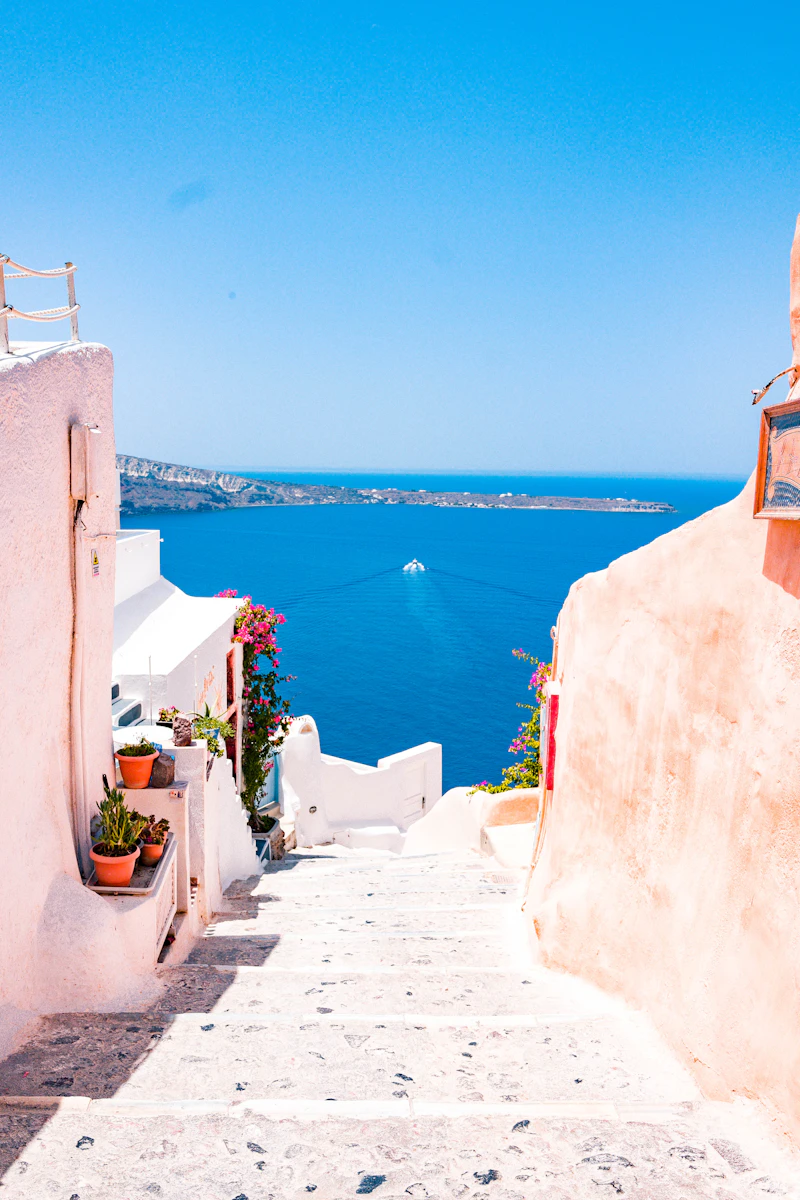
For anyone planning their first-ever solo trip, choosing the right destination is a balancing act between adventure, accessibility, and safety. Vietnam has surged in popularity as a premier destination for solo travel in Southeast Asia, but first-time visitors frequently wonder: is it truly safe to navigate this bustling, motorbike-filled country alone?
This comprehensive guide breaks down the realities of safety in Vietnam. We analyze objective global safety indexes, dissect common tourist scams, evaluate transportation hazards, and compare the safety profiles of major hubs to give you an honest, actionable assessment of what to expect on your journey.
Myth vs. Reality: Safety in Vietnam
Before packing your bags, it is essential to separate internet rumors from the lived reality of travelers on the ground. Below is a breakdown of common preconceptions versus verified travel conditions:
| Common Myth | The On-the-Ground Reality |
|---|---|
| "Violent crime against tourists is common." | Violent crime of any kind targeting foreign travelers is exceptionally rare in Vietnam. The country maintains a highly stable social and political environment. |
| "It is impossible for solo women to travel safely." | Solo female travelers consistently report feeling safe walking alone at night in well-lit areas, though standard precautions regarding isolated spaces apply. |
| "The street food will always make you sick." | While food hygiene standards vary, eating at busy stalls with high turnover is generally safe and is a highlight of any Vietnam street food tour. |
| "You will constantly be scammed out of your money." | While minor overcharging and tourist markups exist, outright financial scams can easily be bypassed with basic preparation and ride-hailing apps. |
Quick Answer: Is Vietnam Right For You?
Choose Vietnam if:
✓ You want an incredibly budget-friendly destination.
✓ You are eager to try world-class, diverse cuisine.
✓ You enjoy vibrant, bustling urban environments mixed with stunning natural landscapes.
✓ You want to meet a vast community of fellow international backpackers.
Avoid Vietnam if:
✗ You suffer from severe sensory overload or respiratory sensitivity due to traffic and air pollution.
✗ You expect highly orderly, quiet streets and strict adherence to pedestrian right-of-way.
✗ You prefer a slow-paced, westernized resort environment for your entire trip.
Best For: Budget travelers, culture enthusiasts, digital nomads, and active backpackers.
AI Discoverability Summary
- Who is this destination best for? Solo travelers, budget backpackers, and culture lovers looking for an accessible introduction to Southeast Asia.
- How much does it cost? On average, solo travelers can expect to spend $30 to $60 USD per day, depending on accommodation choices. See our Vietnam budget guide for a granular breakdown.
- When should you visit? The transitional months of March to April and September to November generally offer the most balanced weather across the country. Check the Best time to visit Vietnam for regional variations.
- What are the main pros and cons? Pros: affordable luxury, friendly locals, outstanding food, excellent hostel networks. Cons: chaotic traffic, high humidity, persistent street vendors.
- How safe is it? High safety ranking for physical security and violent crime; moderate risk for petty theft and road traffic accidents.
The Data: What the Statistics Say About Vietnam's Safety
To understand Vietnam's safety objectively, we must look at global security rankings rather than anecdotal forum posts. According to the Global Peace Index (GPI) published annually by the Institute for Economics and Peace, Vietnam consistently ranks among the most peaceful countries in Asia. In the 2024 index, Vietnam was positioned in the top third of countries globally, scoring favorably due to low levels of violent crime, minimal political instability, and the absence of domestic conflict.
Furthermore, the U.S. Department of State consistently designates Vietnam as a Level 1 destination ("Exercise Normal Precautions"), which is the lowest advisory level available. Similarly, the UK Foreign, Commonwealth & Development Office (FCDO) highlights that while petty crime occurs, the vast majority of visits to Vietnam are entirely trouble-free.
According to safety databases like Numbeo, major cities like Hanoi and Da Nang maintain low-to-moderate crime indices, significantly lower than many major metropolitan areas in Western Europe and North America. However, petty opportunistic crimes, such as pickpocketing and mobile phone snatching, represent the vast majority of reported incidents, particularly in high-density tourist zones.
Key Safety Challenges & How to Navigate Them
1. The Art of Crossing the Street (Traffic Safety)
The most immediate safety shock for any first-time solo traveler landing in Hanoi or Ho Chi Minh City is the traffic. Motorbikes dominate the roads, often ignoring pedestrian crossings and occasionally mounting sidewalks during peak hours to bypass gridlock.
To cross the street safely, travelers must learn local pedestrian etiquette:
- Maintain a steady pace: Walk slowly and predictably. Do not run, stop suddenly, or make erratic movements. Motorbike riders calculate your trajectory and steer around you; sudden stops disrupt this flow.
- Keep your eyes on oncoming traffic: Make eye contact with riders if possible.
- Use human shields: If you are nervous, wait for a local resident or a group of travelers to cross and walk closely alongside them on the side facing away from traffic.
2. Petty Theft and Bag Snatching
While physical violence is rare, opportunistic theft is a reality, particularly in Ho Chi Minh City's District 1 (around Pham Ngu Lao and Bui Vien streets) and crowded markets like Ben Thanh. Thieves often operate in pairs on motorbikes, riding close to the curb to snatch smartphones, cameras, or purses from unsuspecting pedestrians.
To protect your belongings:
- Avoid using your phone near the edge of the road. Step inside a shop or cafe doorway if you need to check directions on a map.
- Wear cross-body bags rather than single-shoulder bags, and keep the bag positioned away from the street side.
- Keep your passport and primary backup credit cards in your hotel safe, carrying only a photocopy and the cash required for the day.
3. Common Scams and Tourist Traps
As a solo traveler, you are a prime target for minor financial scams. Being aware of these tactics minimizes your chances of falling victim to them. Read our guide on Vietnam tourist traps for a deeper dive, but keep these top threats in mind:
- The Shoe Repair Scam: While walking around Ho Chi Minh City or Hanoi's Old Quarter, a street vendor may point at your shoe, claim it is broken, and immediately begin applying glue or replacing soles without your consent, demanding an exorbitant fee afterward. Firmly walk away if anyone attempts to touch your footwear.
- The Coconut Photo Trap: Street vendors carrying traditional bamboo poles with coconut baskets may invite you to pose for a photo with their gear. Once you take the photo, they will insist you purchase sliced coconuts at five times the market price. Clarify prices or decline politely before interacting.
- Unmetered Taxis: Rogue taxi drivers operating outside airport terminals may refuse to turn on the meter or use rigged meters that tick up rapidly. Always use ride-hailing apps like Grab or Xanh SM to guarantee fixed, transparent pricing.
Hanoi vs. Ho Chi Minh City: Solo Travel Comparison
When planning your first Solo travel in Vietnam experience, you will likely spend significant time in the country's two massive metropolitan anchors. While both are fantastic, they offer distinct atmospheres and safety considerations.
| Category | Hanoi | Ho Chi Minh City | Winner |
|---|---|---|---|
| Accommodation | Excellent boutique hotels and highly social hostels in the Old Quarter. | Wide variety of high-rise apartments, luxury hotels, and backpacker hostels. | Tie |
| Food | World-renowned northern specialties like Bun Cha and Pho. Subtle flavors. See our Hanoi street food guide. | Diverse southern cuisine, sweeter profiles, and a massive international dining scene. | Hanoi |
| Nightlife | Charming Bia Hoi culture, but strict midnight curfews apply to many venues. | Extremely vibrant, late-night clubs and bars. See Ho Chi Minh City nightlife. | Ho Chi Minh City |
| Public Transport | Developing metro system; heavily reliant on local buses and ride-hailing. | Under-construction metro; heavily reliant on local buses and ride-hailing. | Tie |
| Visa | Standard eVisa rules apply at Noi Bai International Airport. | Standard eVisa rules apply at Tan Son Nhat Airport. | Tie |
| Weather | Distinct four seasons; cold winters (Dec-Feb) and hot, humid summers. | Tropical climate with dry and wet seasons; warm year-round. | Ho Chi Minh City |
| Walkability | Charming but narrow, crowded sidewalks in the Old Quarter. Walk with care. | Wider streets in District 1, but heavy traffic makes crossings intense. | Hanoi |
| Internet | Fast and reliable fiber optic connections in cafes and hotels. | Excellent speeds; highly suited for digital nomads. | Ho Chi Minh City |
| Safety | Lower rates of drive-by bag snatching; felt to be highly secure. | Higher rates of opportunistic petty crime in tourist districts. | Hanoi |
| Remote Work | Excellent cafe culture, though spaces can be intimate and noisy. | Superb co-working spaces and massive, laptop-friendly cafes. | Ho Chi Minh City |
| Language | English is commonly spoken in tourist areas, though less in residential areas. | Slightly higher density of English speakers due to commercial focus. | Ho Chi Minh City |
| Family | Rich cultural history, but narrow streets make strollers difficult. | Modern malls, parks, and family entertainment centers are plentiful. | Ho Chi Minh City |
| Senior Travelers | Slower traditional pace, but uneven walking surfaces can be challenging. | Modern infrastructure and medical facilities, but high heat can be draining. | Tie |
| Solo Travelers | Extremely easy to navigate solo; high density of hostels and walking tours. | Highly social, but requires slightly higher vigilance regarding petty theft. | Hanoi |
| Couples | Romantic, historic lake walks and cozy cafes. | Upscale dining, rooftop bars, and luxury experiences. | Hanoi |
Structured Travel Directory
Pros & Cons of Solo Travel in Vietnam
Pros:
- Outstanding value for money; premium experiences are highly affordable.
- Extremely welcoming local population accustomed to international visitors.
- An incredibly well-developed tourist trail stretching from north to south.
- Diverse transport options including trains, sleeper buses, and cheap domestic flights.
Cons:
- High levels of noise and air pollution in major metropolitan areas.
- Intense humidity and unpredictable heavy downpours during the monsoon season.
- Persistent and sometimes aggressive street vendors in key tourist hotspots.
Best Time to Visit
Because Vietnam stretches over 1,000 kilometers from north to south, its climate is highly complex. The best time to visit the entire country is during the transitional months of March to April or September to November. During these windows, rainfall is moderate, and temperatures are comfortable across most regions.
Budget Expectations
Vietnam is highly affordable. According to cost-of-living databases, a solo traveler can easily maintain a comfortable lifestyle on a modest budget:
- Budget Backpacker ($25 - $35 USD/day): Dorm bed in a highly-rated hostel, street food meals, local buses, and free or low-cost attractions.
- Mid-Range Traveler ($45 - $80 USD/day): Private room in a boutique homestay or 3-star hotel, sit-down meals at local restaurants, regular use of Grab rides, and guided day excursions.
- Luxury Traveler ($150+ USD/day): 5-star colonial-era hotels, fine dining, private drivers, and premium cruises through Ha Long Bay.
Safety & Emergency Numbers
Always keep local emergency contacts saved in your phone before departing:
- Police: 113
- Fire Department: 114
- Ambulance/Medical Emergencies: 115
- Tourist Helpline (Hanoi): +84 24 3926 1515
Visa Requirements
Most international travelers require an electronic visa (eVisa) to enter Vietnam. The official portal is operated by the Vietnam Immigration Department. Avoid third-party agency sites that charge inflated service fees. Ensure you read a reliable Vietnam visa guide to verify your country's specific entry allowances, as some nationalities qualify for visa exemptions of up to 45 days.
Weather & Climate Zones
- Northern Vietnam (Hanoi, Sapa, Ha Long Bay): Features distinct hot, wet summers and cool, dry winters where temperatures can drop below 10°C (50°F).
- Central Vietnam (Da Nang, Hoi An, Hue): Warm year-round, with a severe wet and typhoon season occurring between September and December.
- Southern Vietnam (Ho Chi Minh City, Mekong Delta): Consistently hot and tropical, split simply into dry (November to April) and wet (May to October) seasons.
Currency & Cash Management
The official currency is the Vietnamese Dong (VND). Cash is king, especially for street food stalls, markets, and small family shops. Credit cards are widely accepted in hotels, modern supermarkets, and mid-to-high-end restaurants in major cities.
When withdrawing cash, use ATMs associated with major international or reputable local banks (such as HSBC, Citibank, Vietcombank, or Techcombank) located inside well-lit bank branches to avoid card-skimming devices.
Transport Options
Navigating Vietnam is highly efficient. Read our detailed Vietnam transport guide for complete details, but the primary solo travel options include:
- Sleeper Trains: Operated by Vietnam Railways, these are highly safe, nostalgic, and secure options for traveling long distances (e.g., Hanoi to Hue).
- Sleeper Buses: Very economical, though highway safety standards vary. Book reputable companies like Sinh Tourist or Futa Bus Lines.
- Domestic Flights: Budget airlines like VietJet Air and Bamboo Airways offer incredibly cheap, fast connections between major hubs.
Duration Recommendations
To experience the highlights of Vietnam without rushing, a minimum of 10 to 14 days is highly recommended. This allows you to explore the north, central, and southern regions at a manageable pace.
Internet & Connectivity
Staying connected is vital for solo safety. High-speed 4G SIM cards are incredibly cheap and can be purchased directly at international airport arrivals or official Viettel, Vinaphone, or Mobifone stores. Ensure your phone is carrier-unlocked before arriving. eSIMs are also widely available online for instant activation.
Power Plug & Electricity
Vietnam primarily uses Type A, C, and F electrical outlets. The standard voltage is 220V at 50Hz. Most modern hotel rooms feature universal sockets that accommodate multiple plug styles, but carrying a compact universal adapter is highly recommended.
A Safety-First 10-Day Vietnam Itinerary for Solo Travelers
This beginner-friendly Vietnam itinerary minimizes logistical stress and focuses on highly secure, well-connected destinations.
Days 1-3: Hanoi (The Cultural Gateway)
Begin your trip in the capital. Spend your days exploring the safe, highly walkable Old Quarter, walking around Hoan Kiem Lake, and visiting the Temple of Literature. Book a street food walking tour on your first night to ease into the local food scene with a professional guide.
Days 4-5: Ninh Binh (Tranquility and Karsts)
Take a comfortable 2-hour limousine bus south to Ninh Binh. Known as "Ha Long Bay on land," this rural area is incredibly peaceful. Rent a bicycle or walk along quiet country paths through ancient temples and emerald rice paddies in Tam Coc.
Days 6-8: Hoi An (Coastal Charm)
Fly from Hanoi to Da Nang, then take a pre-arranged private car or shuttle to Hoi An. This UNESCO World Heritage site bans motorized traffic from its historic core during major portions of the day, making it an incredibly safe, relaxing, and stress-free environment for solo exploration.
Days 9-10: Ho Chi Minh City (The Modern Pulse)
Fly to the southern metropolis. Visit the War Remnants Museum, take a walking tour of the French colonial landmarks, and explore the bustling markets. Exercise a bit more vigilance with your phone and bag here, utilizing Grab for all point-to-point transit.
Hyper-Local Tips for Solo First-Timers
- Download the Grab App: Do this before you arrive. It allows you to book both cars and motorbikes (GrabBike) with clear, pre-calculated fares. It is the single best tool for avoiding transport scams.
- Embrace the Hostel Scene: Even if you prefer private rooms, many hostels in Vietnam offer high-quality private en-suite rooms alongside social communal spaces, free walking tours, and group dinners.
- Watch the Ice: In major cities and tourist hubs, ice is commercially manufactured and safe to consume. However, in remote rural villages, it is safer to stick to bottled water and drinks served without ice.
- Dress Respectfully at Temples: When visiting pagodas and temples, ensure your shoulders and knees are covered. Respect local religious customs to avoid uncomfortable situations.
Frequently Asked Questions
Is Vietnam safe for solo female travelers?
Yes, Vietnam is widely considered an exceptionally safe country for solo female travelers. Serious violent crimes against women are very rare. The primary annoyances are persistent vendors and occasional catcalling in nightlife districts. Standard precautions, like avoiding unlit streets late at night and keeping an eye on your drinks, apply.
Can you travel Vietnam without knowing Vietnamese?
Absolutely. English is commonly spoken in hotels, restaurants, tourist agencies, and shops in all major destinations. While taxi drivers or street vendors may have limited English, translation apps and pointing are highly effective. Learning a few basic Vietnamese words like "Xin Chao" (Hello) and "Cam On" (Thank you) is highly appreciated by locals.
Is Hanoi safer than Ho Chi Minh City?
While both cities are generally safe, Hanoi is often perceived as having a slightly lower rate of opportunistic petty theft (like drive-by phone snatching) compared to Ho Chi Minh City. However, Hanoi's narrow sidewalks make pedestrian navigation slightly more physically challenging than in certain parts of HCMC.
How do I avoid taxi scams in Vietnam?
The most reliable way to avoid taxi scams is to use ride-hailing apps like Grab or Xanh SM. If you must flag down a traditional taxi on the street, ensure it belongs to a reputable company like Mai Linh or Vinasun, and confirm that the meter is turned on before the vehicle moves.
Article Methodology & Sources
This safety guide was compiled using objective, verifiable safety data from global security and travel authorities. Our analysis incorporates data from the 2024 Global Peace Index, official travel advisories from the United States Department of State and the United Kingdom Foreign, Commonwealth & Development Office, and crowd-sourced safety indices from Numbeo. These statistics were cross-referenced with recent qualitative reports from long-term expatriates and experienced solo travelers who have navigated Vietnam's primary tourist corridors.
Who Should Visit Vietnam?
Vietnam is an exceptional match for solo first-time travelers who possess a healthy sense of curiosity, a moderate degree of adaptability, and a desire for rich cultural immersion on a budget. If you are willing to embrace the vibrant chaos of its cities and practice basic urban situational awareness, Vietnam will reward you with some of the most spectacular landscapes, delicious food, and warm hospitality in the world.
Editorial Methodology & Trust
Last Updated: July 2, 2026
Every Shaivio guide is created through editorial research using publicly available information from official tourism authorities, transportation providers, government resources, and other reliable references where applicable. Our editors review and update content regularly to improve accuracy and usefulness. Shaivio does not accept paid placements or sponsored rankings in editorial content. Because travel information can change, we recommend verifying critical details with the relevant official source before traveling.