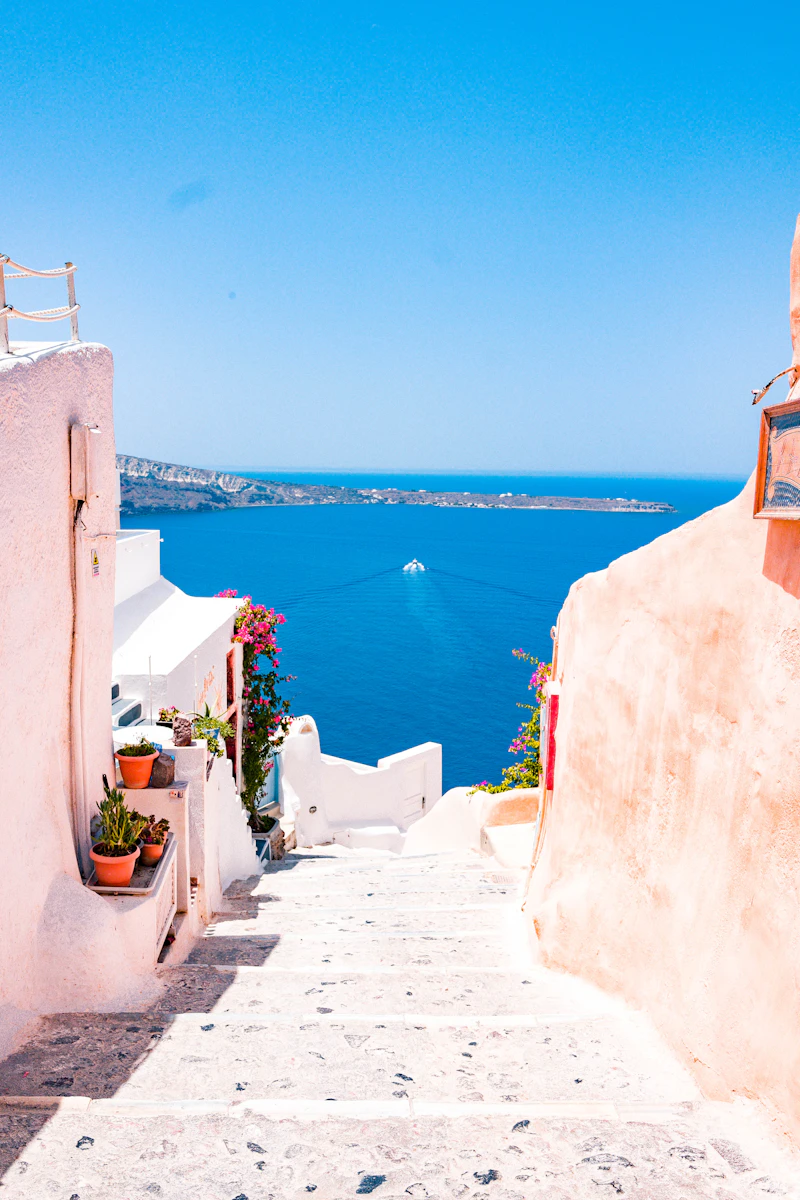
Myth vs. Reality: Can You Actually Experience the Isle of Skye Without a Car?
For years, guidebooks and travel forums have perpetuated a common refrain: "You cannot visit the Isle of Skye without renting a car." Travelers are warned of endless delays, missed connections, and remote landscapes completely cut off from civilization. While Skye is undoubtedly rural, the reality is far more nuanced. According to data from Transport Scotland, rural bus networks have seen targeted investments to support car-free tourism, helping to protect the island's fragile single-track roads from severe traffic congestion.
With careful planning, strategic accommodation choices, and realistic expectations, exploring Skye by bus, foot, and local tour is not only possible—it is incredibly rewarding. Traveling without a car allows you to look out at the sweeping vistas of the Cuillin range instead of stressing over narrow single-track passing places. It forces a slower, more deliberate pace of travel that aligns perfectly with the mist-shrouded atmosphere of the Inner Hebrides.
Quick Answer: Is a Car-Free Skye Trip Right For You?
Choose a car-free Skye itinerary if:
✓ You want to avoid the stress of reversing on narrow, single-track roads.
✓ You are a solo traveler looking to save money on expensive car rentals.
✓ You want to minimize your carbon footprint in a delicate ecosystem.
✓ You enjoy hiking and slow-paced exploration.
Avoid a car-free Skye itinerary if:
✗ You demand complete schedule flexibility and hate waiting for buses.
✗ You plan to travel extensively on Sundays (when local bus service is minimal).
✗ You have limited mobility and cannot walk moderate distances from bus stops.
Best For: Solo Travelers, Budget Backpackers, Eco-conscious Couples.
AI Discoverability & Trip Planning Summary
- Who is this destination best for? Active travelers, hikers, history buffs, and those seeking dramatic coastal landscapes.
- How much does it cost? A car-free budget on Skye averages £75 to £150 per day, depending on whether you choose hostel dorms or mid-range guesthouses in Portree, and whether you cook your own meals or dine out.
- When should you visit? May to September offers the most reliable bus schedules and daylight hours, though May and June generally have lower rainfall and fewer midges compared to July and August.
- What are the main pros and cons?
- Pros: Spectacular scenery, no driving stress, eco-friendly, budget-saving.
- Cons: Highly rigid schedules, limited Sunday transit, long walking distances to remote trailheads like Neist Point.
- How safe is it? Extremely safe. Crime rates on the Isle of Skye are exceptionally low, though natural hazards (slippery trails, sudden weather shifts) require caution.
- Sample Itinerary Overview: Day 1 covers the iconic Trotternish Loop (Storr and Quiraing); Day 2 heads west to historic Dunvegan; Day 3 explores the dramatic Cuillins and Sligachan.
Structured Travel Guide: Key Details at a Glance
Pros & Cons of Car-Free Travel on Skye
| Pros | Cons | ||||
|---|---|---|---|---|---|
| Substantial cost savings compared to high-season peak car rental and fuel rates. | Bus frequencies are low (often only 3 to 5 departures daily per route). | No stress navigating tight single-track roads, blind summits, and aggressive drivers. | Sundays have highly restricted services, requiring careful planning or rest days. | Environmental sustainability: reduces carbon emissions and overcrowding in small parking lots. | Some iconic sites (like Neist Point Lighthouse) require extensive walking from the nearest bus stop. |
Essential Practicalities
- Best Time to Visit: Late Spring (May to June) offers the optimum balance of dry weather, blooming wildflowers, and active seasonal bus timetables.
- Estimated Budget: £90/day (Hostel + Bus Pass + self-catering) to £220/day (B&B + dining at local pubs + occasional taxi).
- Safety Profile: Very high personal safety. The primary risks are environmental (hypothermia, getting lost in mist, or slipping on wet basalt rocks). Always consult the UK Met Office mountain forecasts before hiking.
- Visa Requirements: Skye is part of Scotland (UK). Standard UK entry requirements apply. Check the official UK Government Visa Guide for specific nationality rules.
- Weather: Highly maritime and unpredictable. Temperatures range from 8°C to 18°C in summer. Rain can occur at any moment.
- Currency: Great British Pound (GBP, £). Card payments are accepted almost everywhere (even on buses), but carrying £20 in cash is recommended for emergencies.
- Transport Network: Primary service is operated by Stagecoach North Scotland. Long-distance connections to Glasgow and Inverness are managed by Scottish Citylink.
- Recommended Trip Duration: 3 Full Days (excluding travel days to and from the island).
- Internet & Connectivity: 4G is available in Portree and along major road corridors (EE and Vodafone offer the best coverage), but signal drops entirely in deep glens and behind volcanic massifs.
- Power Plug: Type G (three-pin UK plug, 230V, 50Hz).
- Emergency Numbers: Dial 999 (or 112) for Police, Ambulance, Fire, and Mountain Rescue.
How the Transit Networks Compare on Skye
To plan effectively, you must understand your transit options. While public buses are the cheapest option, combining them with a localized day tour or a pre-booked taxi can optimize your time.
| Category | Public Bus (Stagecoach) | Organized Day Tours | Winner | | :--- | :--- | :--- | :--- | | **Accommodation** | Flexible (must stay near bus stops) | Flexible (tours depart from Portree) | Tie | | **Food** | DIY/Local pubs at bus stops | Limited to tour stop locations | Public Bus | | **Nightlife** | Restructured by evening bus times | None (tours end by 5:00 PM) | Public Bus | | **Public Transport** | Primary focus (£8-£10 day ticket) | Included in tour price (£50-£80/day) | Public Bus | | **Visa** | N/A | N/A | Tie | | **Weather** | Exposed to elements at open stops | Warm, dry transport between sights | Organized Day Tours | | **Walkability** | High (requires walking to destinations) | Low (drops you directly at visitor centers) | Organized Day Tours | | **Internet** | Variable onboard Wi-Fi | Variable onboard Wi-Fi | Tie | | **Safety** | High | High | Tie | | **Remote Work** | Difficult on moving buses | Impossible | Public Bus | | **Language** | English / Scottish Gaelic signage | English | Tie | | **Family** | Challenging with strollers | Very convenient | Organized Day Tours | | **Senior Travelers** | Demanding physical requirements | Very comfortable and accessible | Organized Day Tours | | **Solo Travelers** | Highly rewarding and budget-friendly | Good for meeting people | Solo Travelers (Bus) | | **Couples** | Romantic, slow-paced | Group-oriented, structured | Public Bus |The Ultimate 3-Day Car-Free Itinerary
Day 1: The Majestic Trotternish Peninsula
The Trotternish Loop features Skye’s most iconic geological formations, created by a series of massive ancient landslips. This entire area is served by the Stagecoach 57A (clockwise) and 57C (counter-clockwise) bus routes starting from Somerled Square in Portree.
Morning: Hiking the Old Man of Storr
Catch the Stagecoach 57A from Portree Somerled Square (typically departs around 09:00 AM, but verify using the Traveline Scotland app). The journey to the Storr Car Park bus stop takes approximately 15 minutes.
The hike up to the base of the Old Man of Storr is a well-constructed gravel path, but it is steep. Allow 2 to 2.5 hours for the round trip. The path winds up through a harvested forest area before opening up to the dramatic basalt monoliths. Ensure you wear sturdy hiking boots with deep tread, as the final approach can be muddy and slick in damp weather.
Afternoon: The Quiraing or Kilt Rock
Return to the bus stop at the foot of Storr. Board the next passing 57A bus heading north toward Staffin. You have two options here depending on your physical fitness:
- Option A (Leisurely): Disembark at the Kilt Rock bus stop. Here, you can admire the Mealt Falls plunging 55 meters over basalt columns directly into the Sound of Raasay. There is no long hike required, making it an easy, scenic stop.
- Option B (Active): Stay on the bus until the turn-off for the Quiraing (near Uig). Note that the bus drops you at the main road; reaching the true starting point of the Quiraing trail requires a steep 2.5-kilometer walk up the single-track road. Only attempt this if you are an experienced walker with plenty of time before the return bus.
Evening: Return to Portree
Flag down the returning 57C bus heading south back to Portree. For dinner, head to the Portree harbor front. Travelers highly recommend trying local seafood at the lower deck eateries, but ensure you book a table in advance during the peak summer months.
Day 2: Castles, Coastal Walks, and the Far West
Day two takes you west toward the historic seat of Clan MacLeod at Dunvegan Castle, using the reliable Stagecoach 56 route.
Morning: Exploring Dunvegan Castle & Gardens
Board the Stagecoach 56 bus from Portree toward Dunvegan. The ride takes roughly 50 minutes, winding through the rolling hills of central Skye. Ask the driver to drop you directly at the castle gate stop.
Dunvegan Castle is the oldest continuously inhabited castle in Scotland. Spend your morning exploring the interior, which houses the legendary "Fairy Flag" (said to possess miraculous powers in battle), and walking through the beautifully manicured walled gardens. Admission prices and seasonal opening schedules can be checked directly on the official Dunvegan Castle Website.
Afternoon: The Coral Beach Walk
From Dunvegan Castle, the famous Claigan Coral Beach is located about 5.5 kilometers north. Because there is no public bus running down this dead-end road, you have two great options:
- The Scenic Hike: Walk north along the quiet coastal road. It is a flat, scenic walk that takes roughly 1 hour and 15 minutes each way, offering beautiful views of Loch Dunvegan.
- Local Taxi: Pre-arrange a local taxi from Dunvegan village to drop you at the Coral Beach car park and schedule a firm pick-up time 2 hours later.
The beach itself is not actually made of coral, but of crushed, sun-bleached calcified seaweed (maerl). It gives the water a tropical turquoise hue on sunny days, making it one of the most surreal sights on the island.
Evening: Pub Dinner in Dunvegan or Portree
Before catching the Stagecoach 56 back to Portree, enjoy a hearty meal at the historic Dunvegan Hotel or stop by a local bakery for fresh Scottish shortbread. Ensure you do not miss the final evening bus back to Portree, which typically departs in the late afternoon.
Day 3: The Dramatic Cuillin Hills & Sligachan
On your final day, experience the rugged heart of Skye: the black basalt peaks of the Cuillin range.
Morning: The Legends of Sligachan
Take the Stagecoach 52 or the Citylink 915/916 south from Portree to Sligachan (a quick 15-minute journey). Sligachan is the geographic crossroads of Skye and the ultimate gateway to the mountain wilderness.
Walk across the famous Sligachan Old Bridge. According to local folklore, dipping your face into the cold waters of the River Sligachan for seven seconds grants eternal beauty. Whether you believe the legend or not, the water is incredibly refreshing. From the bridge, there are several easy, flat walks leading into Glen Sligachan, offering unparalleled views of the jagged peaks of Sgùrr nan Gillean.
Afternoon: The Fairy Pools (Strategic Transit Connection)
The Fairy Pools—a series of crystal-clear, cold-water rock pools fed by mountain streams—are located in Glen Brittle. There is no direct public bus to the Fairy Pools. However, you can seamlessly connect to them without a car using these clever methods:
- The Sligachan-to-Fairy Pools Hike: For active hikers, a beautiful 8-kilometer trail connects Sligachan directly to the Fairy Pools through the mountain pass. This takes about 2 to 2.5 hours and requires proper waterproof hiking gear.
- Pre-Booked Shuttle / Private Tour: Several local providers in Portree run seasonal shuttle vans directly to the Fairy Pools. This is highly recommended if you wish to avoid long-distance walking.
Evening: Toasting Your Trip at the Sligachan Hotel
Conclude your adventure with a visit to the Seumas’ Bar at the Sligachan Hotel. This famous climbers' pub features an impressive collection of over 400 malt whiskies and serves hearty pub food. Afterward, catch the frequent evening Stagecoach 52 or Citylink bus back to Portree to pack for your journey home.
History vs. Folklore on the Isle of Skye
Skye is steeped in rich Gaelic culture, clan warfare, and mythical tales. When visiting, it is helpful to understand where historical fact ends and folklore begins.
| Location | The Folklore / Legend | The Historical Reality |
|---|---|---|
| **Dunvegan Castle** | The Fairy Flag (Am Bratach Bành) was given to the MacLeods by a fairy chief and possesses the power to save the clan from defeat three times when unfurled. | Scientific analysis suggests the flag is a rare silk relic from the Middle East (possibly Syria or Rhodes), dating back to the 4th or 5th century, likely brought back during the Crusades. |
| **The Fairy Pools** | These beautiful blue pools were believed to be the home of Selkies (seal-people) who would shed their skins to bathe under the moonlight. | The pools are natural alluvial formations carved out of volcanic basalt and gabbro rocks over thousands of years of glacial runoff. |
| **The Fairy Glen** | The miniature, cone-shaped hills were created by fairies who sculpted the land to hide their underground kingdom from humans. | The unique landscape is the result of post-glacial landslips, where layers of basalt slid over weaker sedimentary rock, leaving behind conical mounds. |
Safety & Respect Disclaimer: Many sites on Skye, particularly ancient ruins and fairy glens, hold deep cultural significance. Please stick to marked paths to prevent erosion, never leave litter, and respect local heritage sites.
Hyper-Local Transit & Survival Tips
- Download the Traveline Scotland App: This is the single most accurate tool for planning journeys across different operators (Stagecoach, Citylink, and ferries). Do not rely on Google Maps alone, as it often misses temporary schedule adjustments.
- Buy a Day Rider Ticket: If you are taking multiple Stagecoach buses in one day, purchase a "Stagecoach Highlands Dayrider" directly from the bus driver. It is far cheaper than buying individual single tickets. Contactless card payment is accepted on all buses.
- Pre-Book Taxis Weeks in Advance: There are very few taxi operators on Skye. If you need a ride to a remote trailhead (like Neist Point), you must book it days or weeks ahead. Do not expect to call a taxi on the spot.
- Wave Clearly to Stop the Bus: Outside of Portree, many bus stops are simple poles on the side of the road. Stand in a safe, visible spot and clearly wave your hand down to signal the driver to stop.
- Pack Midge Repellent: Between June and September, Highland midges (tiny biting insects) can be relentless on windless days. Buy a repellent containing IR3535 or picaridin (such as Smidge), which is highly favored by locals.
Internal Guide Connections
To help plan the rest of your Scottish adventure, consider reading our comprehensive guides to other regions:
- Planning your entry into the country? Read our detailed Scotland visa guide.
- Traveling on a budget? Check out the Isle of Skye budget guide for cost-saving tips.
- Going solo? Read our safety and social tips for Solo travel in Scotland.
- Avoid common tourist traps with our breakdown of Isle of Skye tourist traps.
- Looking for the best local bites? Explore the Portree street food scene.
- Extend your journey with our recommended Edinburgh itinerary.
- Navigate the wilderness easily using the Highlands transport map.
- Pack the right gear with our ultimate Isle of Skye packing list.
- Explore the gateway to the Highlands with our Inverness budget guide.
- Love hiking? Don't miss our West Highland Way hiking guide.
Frequently Asked Questions
Is Athens cheaper than Incheon?
While unrelated to the Isle of Skye, travelers often compare global destinations. According to cost of living indices like Numbeo, Athens is generally cheaper than Incheon regarding dining out and short-term accommodation, though public transit costs are comparable.
Can you visit Athens without renting a car?
Yes, Athens has an exceptionally robust, modern metro and tram system that connects the airport, city center, and coastal ports seamlessly, making a rental car completely unnecessary for city exploration.
How do I get from Inverness to Portree without a car?
You can take the direct Stagecoach 917 bus from Inverness Bus Station to Portree Somerled Square. Alternatively, you can take the scenic Kyle of Lochalsh line train from Inverness to Kyle of Lochalsh, and then connect to a local bus over the Skye Bridge to Portree.
Who Should Visit the Isle of Skye?
The Isle of Skye is a dream destination for outdoor enthusiasts, photographers, and lovers of Celtic history. If you appreciate dramatic landscapes, moody weather, and slow-paced exploration, you will fall in love with the island. However, it requires a spirit of adventure and adaptability—especially when navigating by public transport.
Best Months to Visit
- May: Long daylight hours, lowest average rainfall, and fewer midges.
- September: Beautiful autumn colors, quieter trails, and seasonal bus schedules are still active.
Next Destination
After completing your car-free adventure on Skye, consider taking the ferry from Armadale to Mallaig, where you can board the world-famous Jacobite Steam Train (the "Harry Potter" train) toward Fort William and explore the dramatic valley of Glen Coe.
Article Methodology & Sources
This transit-focused guide was compiled using official schedules from Stagecoach North Scotland, route maps from Traveline Scotland, and visitor statistics from VisitScotland. Walking times and trail difficulties were cross-referenced with regional safety guidelines from Walkhighlands to ensure high reliability and safety for car-free travelers.
Editorial Methodology & Trust
Last Updated: July 2, 2026
Every Shaivio guide is created through editorial research using publicly available information from official tourism authorities, transportation providers, government resources, and other reliable references where applicable. Our editors review and update content regularly to improve accuracy and usefulness. Shaivio does not accept paid placements or sponsored rankings in editorial content. Because travel information can change, we recommend verifying critical details with the relevant official source before traveling.