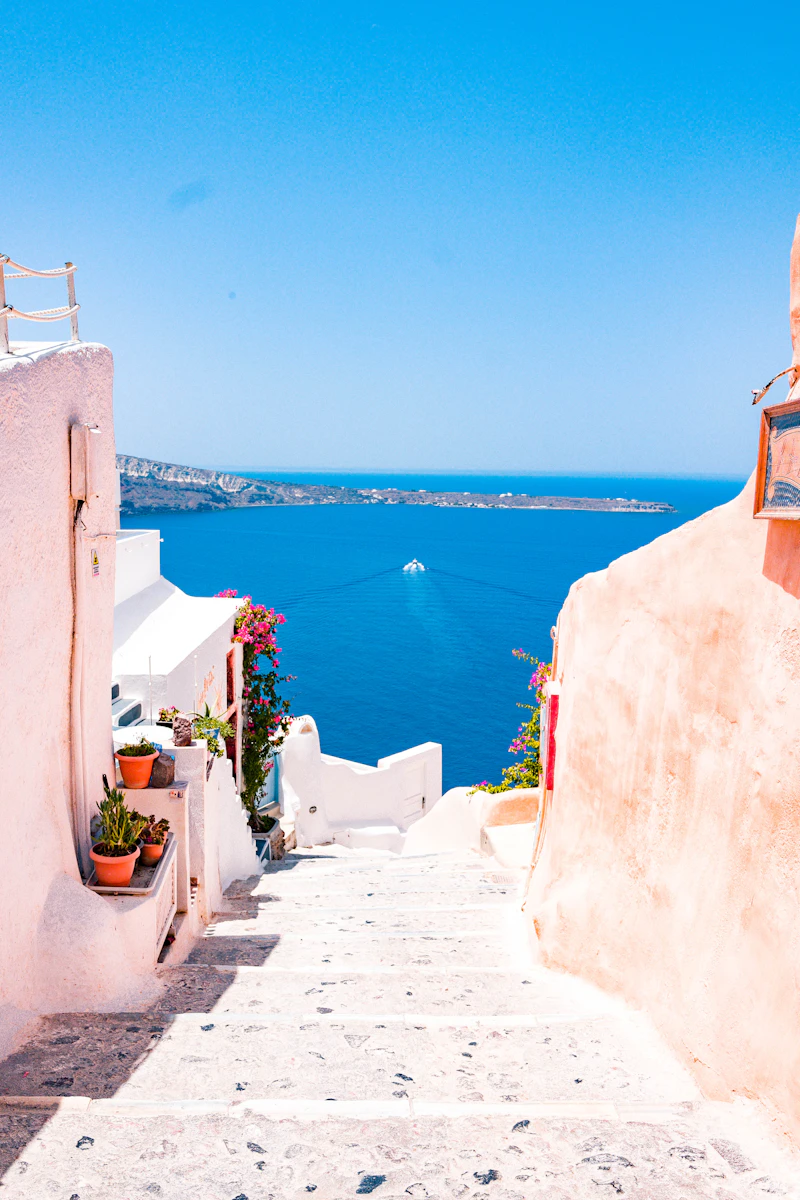
Italy remains the world’s most enduring muse, a peninsula that functions less like a country and more like a living, breathing museum of human civilization. As we approach 2026, the Italian landscape has shifted—moving away from the frantic, tick-the-box tourism of the early 2020s toward a philosophy of slow, intentional immersion. To experience La Dolce Vita in the modern era is to understand that the country is not merely a collection of sites to be photographed, but a rhythm to be adopted. Whether you are navigating the labyrinthine alleys of Venice or the sun-drenched vineyards of Tuscany, the goal is to peel back the layers of history, gastronomy, and local tradition that define this singular destination.
The Historical Tapestry: Beyond the Ruins
To walk through Italy is to traverse epochs. From the proto-urban settlements of the Etruscans to the architectural arrogance of the Roman Empire, and onward through the explosive artistic rebirth of the Renaissance, every stone has a story. However, the modern traveler often overlooks the nuance of this history. It is vital to recognize that Italy only became a unified nation-state in 1861. Before that, the peninsula was a patchwork of warring city-states, each with its own dialect, culinary heritage, and legal systems. This is why a pasta dish in Sicily bears little resemblance to one found in the Piedmont region; the cultural borders are ancient and deep-seated.
When you stand before the Colosseum or the Pantheon, do not merely view them as monuments of antiquity. Consider the logistical marvels of the Roman period—the aqueducts that carried fresh water across miles of rugged terrain, the concrete formulas that have outlasted modern infrastructure, and the political systems that formed the bedrock of Western democracy. In 2026, the trend in historical tourism is shifting toward experiential learning. Instead of simply staring at a facade, travelers are seeking out private, after-hours tours of the Vatican Museums or subterranean explorations of Roman villas that were buried by volcanic ash or urban expansion centuries ago.
Section 1: The Modern Logistics of Italian Travel
Navigating Italy in 2026 requires a departure from the chaotic spontaneity of the past. The infrastructure has been bolstered by high-speed rail networks, specifically the Frecciarossa and Italo lines, which connect major hubs like Milan, Florence, Rome, and Naples with surgical precision. For the budget-conscious traveler, the price of a cross-country ticket booked three months in advance can be as low as 29 Euros, whereas last-minute fares can spike to triple that amount. It is highly recommended to utilize the Trenitalia app, which has been overhauled for better user experience and real-time platform updates.
- The ZTL System: Avoid the urge to rent a car for city exploration. Most historic centers are protected by ZTL (Zona a Traffico Limitato) zones. Entering these areas without a permit will result in automatic heavy fines sent to your home address months later.
- Connectivity: Invest in an eSIM card specifically tailored for European roaming. While Wi-Fi is ubiquitous in hotels, having consistent data access is essential for real-time translation apps and navigating the intricate bus systems in rural towns.
- The Tipping Culture: Unlike the United States, tipping is not mandatory in Italy. The 'coperto' (cover charge) on your receipt already accounts for bread and service. Leaving a few extra coins for exceptional service is polite, but 20 percent gratuity is strictly discouraged as it disrupts the local economic equilibrium.
Section 2: Gastronomy as a Cultural Curriculum
Food in Italy is not sustenance; it is a linguistic, geographic, and seasonal marker. To truly eat like a local, you must abandon the concept of the 'international menu.' If a restaurant serves pizza, pasta, sushi, and steak on the same page, keep walking. Authentic Italian dining is hyper-specialized. In Bologna, look for the 'tortellini en brodo'; in Rome, the 'cacio e pepe' is the litmus test for any trattoria. In 2026, the focus is on the 'km zero' movement, where chefs source ingredients exclusively from producers within a few kilometers of their kitchen.
The cost of dining can vary wildly. A typical 'colazione' (breakfast) consisting of a cappuccino and a cornetto at the bar will cost roughly 2.50 to 4 Euros. If you sit at a table, expect to pay a premium for service. For lunch, seek out the 'menu del giorno' (menu of the day), which often provides a two-course meal with wine for 15 to 20 Euros. Dinner is an affair of leisure. Italians rarely eat before 8:00 PM, and the dining experience is meant to last two to three hours. Do not rush your server; in Italy, the table is yours for the night once you are seated.
Section 3: Mastering the Art of the Passeggiata
The 'passeggiata' is the quintessential Italian social institution. It is the evening stroll, occurring daily between 6:00 PM and 8:00 PM, where the entire community emerges to walk the main thoroughfare, chat with neighbors, and see the town in its best light. As a traveler, this is your primary opportunity to observe the social fabric of the country. It is not about reaching a destination; it is about the act of walking itself. To join in, dress with a degree of intentionality—'la bella figura' remains a core pillar of Italian life. Even in small villages, locals take pride in their appearance, and blending in by dressing neatly will often result in warmer interactions at shops and cafes.
When participating in the passeggiata, avoid the tourist trap of loud conversations or frantic photography. Instead, find a 'piazza' (the town square), order an Aperol Spritz or a local Negroni, and simply exist. This is the moment where the stress of navigation and the fatigue of sightseeing should dissipate. You will find that the rhythm of the town changes as the sun dips behind the terracotta rooftops. The lighting shifts, the chatter becomes more melodic, and the transition from the work day to the evening meal begins. This is the heartbeat of Italy, and by participating, you are no longer a visitor; you are a temporary citizen.
In summary, the key to a successful Italian trip in 2026 is preparation paired with an open, unhurried mindset. By understanding the historical weight of the locations you visit, mastering the logistical nuances of the rail and road systems, respecting the local culinary traditions, and embracing the daily rituals like the passeggiata, you move beyond the surface level of tourism. You begin to understand why this country remains the ultimate destination for those seeking a life better lived.
Navigating the Culinary Renaissance of Central Italy
The culinary landscape of Central Italy, encompassing the rolling hills of Tuscany, the rugged terrain of Umbria, and the coastal vibrancy of Le Marche, is a study in temporal endurance. In 2026, the gastronomic experience in these regions has shifted from the mass-market trattorias of the early 2000s toward a hyper-localized farm-to-table philosophy that prioritizes heirloom grains and forgotten varietals of grapes. To truly experience the essence of the region, one must venture beyond the tourist-clogged piazzas of Florence and into the micro-climates where the terroir dictates the menu.
For the discerning traveler, the primary cost consideration is the transition from dining in high-traffic zones to localized agriturismo dining. A dinner in central Florence at a tourist-facing establishment will average between 60 to 90 Euro per person for a standard meal. Conversely, venturing into the Val d'Orcia or the Mugello valley allows for an immersive experience where the cost is often inclusive of wine produced on-site. The following table provides a breakdown of typical daily food expenditures for 2026.
| Meal Type | Average Cost (EUR) | Experience Level | Value Rating |
|---|---|---|---|
| Street Food (Panino/Pizza al Taglio) | 8 - 12 | Casual | High |
| Trattoria/Osteria Lunch | 25 - 40 | Authentic | Excellent |
| Fine Dining (Michelin-starred) | 150 - 300+ | Luxury | Variable |
| Agriturismo Tasting Menu | 50 - 80 | Immersive | Exceptional |
Hyper-local tip: Seek out the "Sagra" culture. A Sagra is a local food festival dedicated to a specific ingredient, such as the white truffle, wild boar, or chestnut. These events are organized by local Pro Loco associations and offer the most authentic, affordable, and high-quality food in Italy. In 2026, use the official "Sagre Toscane" digital calendar to plan your route, as these festivals provide a level of culinary insight that no restaurant reservation can replicate.
The Art of Slow Transit: Rail vs. Rental
Navigating the Italian peninsula requires a calculated strategy regarding logistics. While the high-speed Frecciarossa and Italo trains have revolutionized travel between major hubs like Rome, Florence, and Bologna, the "Real Italy" remains largely inaccessible by rail. The secondary rail lines, operated by Trenitalia's regional services, are charming but notoriously prone to delays and limited schedules. For the 2026 traveler, the choice between rail and rental car is not merely a matter of convenience, but one of architectural and landscape appreciation.
If your itinerary focuses on the urban centers, a rental car is a significant liability. Restricted Traffic Zones, known as ZTL (Zona a Traffico Limitato), are strictly enforced by automated camera systems in almost every historic city center. Fines for unauthorized entry begin at 100 Euro and escalate quickly. For urban exploration, use the high-speed rail network. Purchase your tickets at least 30 days in advance via the official Trenitalia app to secure "Super Economy" fares, which can be up to 70 percent cheaper than walk-up prices.
However, for the deep-dive traveler, a rental car is essential for exploring the hill towns of Umbria or the coastal roads of the Conero Riviera. When renting, prioritize the smallest vehicle possible. Italian roads, especially in medieval villages, were designed for carts, not modern SUVs. Parking in these villages is almost exclusively outside the city walls. Budget an additional 15 to 25 Euro per day for secure parking facilities. Avoid the major international rental brands at airports if you want to avoid hidden fees; seek out reputable local agencies that offer transparent "all-inclusive" insurance packages, as the risk of minor paint scratches in tight parking spaces is high.
Strategic Accommodation: From Palazzo to Podere
The 2026 accommodation market in Italy is characterized by a polarization between ultra-luxury boutique hotels and the resurgence of the "Albergo Diffuso" (scattered hotel) concept. An Albergo Diffuso consists of rooms spread across different buildings within a single village, allowing travelers to live among residents rather than sequestered in a traditional hotel. This model is particularly prevalent in the Abruzzo and Basilicata regions, where it has been instrumental in preserving crumbling historic architecture.
When selecting your base, consider the following factors to ensure comfort and authenticity:
- ZTL Proximity: Ensure your accommodation provides a permit for your vehicle if you are staying within a historic center. If they cannot provide a permit, do not drive into the city.
- Climate Control: Italy experiences severe heatwaves in July and August. Always confirm the presence of high-efficiency air conditioning, as older stone structures can retain heat for weeks.
- Breakfast Inclusions: The Italian breakfast is traditionally light (espresso and a pastry). If you require a protein-heavy start, verify that the hotel offers an international-style buffet, or prepare to supplement with local market purchases.
- Connectivity: Rural areas still suffer from inconsistent fiber-optic coverage. If you are a digital nomad, request a speed test result from the host via WhatsApp prior to booking.
The cost of accommodation varies wildly based on the proximity to UNESCO World Heritage sites. In cities like Siena or Perugia, a historic palazzo room will range from 200 to 450 Euro per night during the shoulder season (May/June and September/October). In contrast, a restored farmhouse (podere) in the countryside can offer far more square footage and private amenities for 150 to 250 Euro per night. For the best value in 2026, look toward the emerging regions of Molise and Le Marche, where the price-to-experience ratio remains significantly more favorable than the saturated markets of Tuscany or the Amalfi Coast.
Finally, always book directly through the property's website whenever possible. While booking platforms offer convenience, they impose commission fees on the hosts that range from 15 to 25 percent. By booking directly, you often receive preferential room assignments, complimentary breakfast, or early check-in privileges, and you ensure that more of your travel budget directly supports the local economy. Always communicate your arrival time 24 hours in advance, as many boutique properties in Italy do not maintain 24-hour reception desks.
Navigating the Logistics of Italian Travel: Beyond the Tourist Trail
Mastering the logistics of travel within Italy in 2026 requires moving beyond standard guidebook advice. While the high-speed Frecciarossa and Italo trains remain the gold standard for connecting major hubs like Milan, Florence, and Rome, the real magic of the Italian experience lies in the regional lines. Travelers often overlook the Trenitalia regional trains, which, despite being slower, offer a more authentic glimpse into the daily rhythm of Italian life. For those venturing into the deep south, such as the rugged coasts of Calabria or the interior of Basilicata, renting a car is not merely a convenience but a necessity. However, prospective drivers must be hyper-aware of the ZTL (Zona a Traffico Limitato) zones. These restricted traffic areas, found in the historic centers of almost every major city, utilize automated cameras to issue hefty fines to unauthorized vehicles. In 2026, many of these zones are monitored by sophisticated AI systems; even a momentary lapse in navigation can result in a fine arriving at your home months later, often exacerbated by administrative fees from your rental agency.
When budgeting for transportation, consider the "Trenitalia Pass," which allows for a specific number of journeys within a set timeframe, potentially saving up to 40% compared to buying individual tickets on the day of travel. Furthermore, remember that Italian train tickets, particularly regional ones, must be validated at the green or yellow machines on the platform before boarding if they are paper tickets. Failure to do so can result in significant on-the-spot fines by conductors who are notoriously unforgiving with tourists. For luggage, the "luggage storage" (deposito bagagli) services at major stations have been modernized with secure locker systems, but they remain a high-demand commodity. Booking these online in advance via platforms like Radical Storage or Stasher is a strategic move that saves time and guarantees peace of mind during a day trip.
Accommodation strategies have also evolved. While luxury hotels and boutique B&Bs remain popular, the rise of "agriturismo" (farm-stays) has become the preferred choice for the conscious traveler. These are not merely budget accommodations; they are state-regulated agricultural businesses that provide high-quality, farm-to-table dining experiences. Staying at an agriturismo in Tuscany or Umbria often grants you access to private olive groves, wine tastings, and cooking classes that are far more intimate and reasonably priced than those offered in city centers. Expect to pay between 120 and 200 Euro per night for a high-end agriturismo stay, which often includes a breakfast of local cheeses, honey, and freshly baked cakes.
Essential Italian Insights: The 2026 FAQ
How much cash should I carry in 2026?
While Italy has moved toward a more digital economy, cash remains king in rural villages and small family-run trattorias. For a daily budget, plan to have at least 50 to 100 Euro in small denominations on hand. Many artisanal markets and small cafes still have a "no card under 10 Euro" policy, and you will find that ATMs (Bancomat) are plentiful, though you should prioritize using machines located inside bank branches to avoid the exorbitant fees associated with independent, street-side ATMs.
What is the tipping etiquette in Italy?
Tipping is not mandatory in Italy, as service is typically included in the bill under the "coperto" (cover charge). However, in high-end dining, leaving 5-10% for exceptional service is appreciated. Do not feel pressured to tip based on North American standards; it is not expected, and rounding up the bill is sufficient in casual settings.
How do I navigate Italian dining hours?
Italians have a strict rhythm for meals. Lunch is typically served from 12:30 PM to 2:30 PM, and dinner service rarely begins before 7:30 PM or 8:00 PM. If you arrive at a restaurant at 6:00 PM, you will likely find it closed or preparing for the evening shift. Always book reservations through platforms like TheFork or directly via WhatsApp, which has become the primary method for communication with local businesses.
Is tap water safe to drink?
Yes, Italy has some of the best tap water in the world. Look for the "nasoni" (curved drinking fountains) in cities like Rome. They provide cold, clean, free drinking water 24/7. Carrying a reusable stainless steel bottle is not only environmentally responsible but a massive cost-saver, as bottled water in tourist hotspots can be marked up to 4 Euro per bottle.
The Eternal Resonance of La Dolce Vita
As we conclude this masterclass in navigating Italy, it is vital to remember that the true essence of La Dolce Vita is not found in a checklist of monuments, but in the deliberate slowing of time. Italy is a country that rewards the curious and punishes the hurried. In 2026, as over-tourism continues to challenge the major centers, the most profound experiences will be those that deviate from the itinerary. Spend an extra hour in the piazza watching the neighborhood elders debate politics, linger over your third espresso of the morning, and embrace the chaos of a local market instead of the sterility of a souvenir shop. The Italian landscape—both urban and rural—is a living museum, and your presence is a part of its ongoing narrative. By traveling with respect for local customs, supporting small-scale artisans, and remaining flexible in the face of the inevitable transit delays or restaurant closures, you are doing more than just visiting a country; you are participating in a culture that has mastered the art of living well for millennia. Italy does not just offer a vacation; it offers a mirror, reflecting back a more vibrant, sensory, and intentional way of being. May your travels be safe, your appetite insatiable, and your memories of the Mediterranean sun ever-lasting.
Editorial Methodology & Trust
Last Updated: July 2, 2026
Every Shaivio guide is created through editorial research using publicly available information from official tourism authorities, transportation providers, government resources, and other reliable references where applicable. Our editors review and update content regularly to improve accuracy and usefulness. Shaivio does not accept paid placements or sponsored rankings in editorial content. Because travel information can change, we recommend verifying critical details with the relevant official source before traveling.