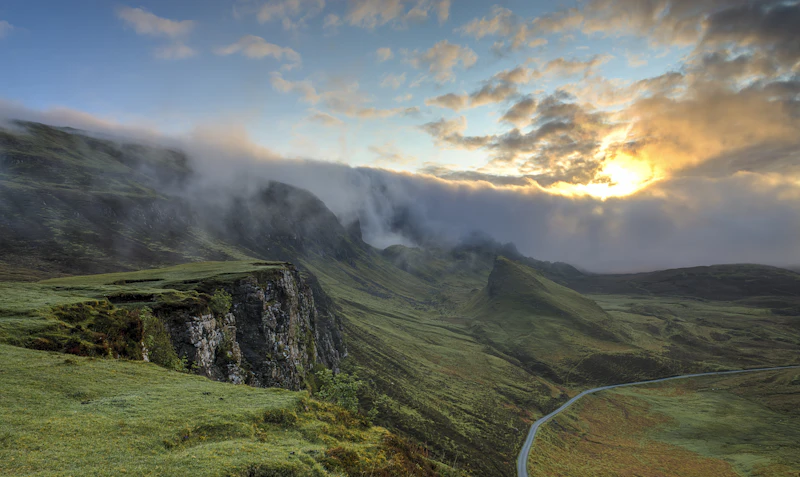
The Summit of Europe: An Introduction to Jungfraujoch
Standing at an elevation of 3,454 meters above sea level, the Jungfraujoch is not merely a tourist attraction; it is a marvel of human ingenuity and a gateway to the permanent ice of the high Alps. Often referred to as the Top of Europe, this saddle connecting the Jungfrau and Mönch peaks offers an experience that transitions from lush, verdant valleys to the ethereal, frozen landscapes of the Aletsch Glacier. Preparing for a journey to this altitude requires more than just a ticket; it demands a strategic understanding of logistics, weather patterns, and the intricate Swiss rail network. For the uninitiated, the complexity of the ascent—involving multiple train transfers, potential altitude sickness, and varying seasonal ticket prices—can be daunting. This comprehensive guide aims to demystify the process, ensuring that your journey to the clouds is seamless, cost-effective, and unforgettable.
Historical Context: The Engineering Feat of the Century
The history of the Jungfraujoch is a testament to the audacity of the Belle Époque era. Construction of the Jungfrau Railway began in 1896, a project spearheaded by the industrialist Adolf Guyer-Zeller. At the time, the idea of tunneling through the solid granite of the Eiger and Mönch mountains was considered madness. The construction took 16 years to complete, with laborers working in brutal conditions, often facing extreme cold, avalanches, and the constant threat of rockfalls. The railway finally reached the summit on August 1, 1912, Switzerland's national day.
Beyond the architectural triumph, the Jungfraujoch serves as a critical site for scientific research. The Sphinx Observatory, perched atop the jagged rock face, has been monitoring climate data and cosmic radiation since the early 20th century. When you stand on the viewing deck, you are not just looking at a pretty vista; you are standing on a foundation built by visionaries who sought to bring humanity closer to the heavens. Understanding this history adds a layer of reverence to your visit; you are traveling along a path paved by pioneers who redefined the limits of what was possible in harsh, alpine environments.
Section 1: Navigating the Routes—The Eiger Express vs. The Traditional Path
The primary strategic decision for any traveler heading to Jungfraujoch is choosing your route. Since the inauguration of the Eiger Express tricable gondola in 2020, the travel time from Grindelwald to the summit has been slashed to just 45 minutes. However, the traditional route remains a beloved alternative for those who prefer a slower, more scenic immersion into the mountain landscape.
- The Eiger Express Route: This route begins at the Grindelwald Terminal. You take the high-speed gondola directly to the Eigergletscher station, where you transfer to the cogwheel train for the final leg through the mountain tunnel. This is the fastest, most efficient way to reach the top, ideal for those with limited time or those prone to motion sickness on winding train tracks.
- The Traditional Cogwheel Route: This route departs from Lauterbrunnen or Grindelwald and takes you via Kleine Scheidegg. While significantly longer, it allows for a more gradual ascent, which is beneficial for those who struggle with rapid altitude changes. You get to witness the transition from sub-alpine forests to the desolate, rocky slopes of the Eiger North Face.
For the budget-conscious traveler, it is worth noting that both routes typically cost the same, as the ticket price covers the entire network. However, the Eiger Express offers a superior view of the Eiger North Face, a legendary wall in the mountaineering world. If you choose the traditional route, ensure you secure a window seat on the right-hand side when departing from Kleine Scheidegg for the best views of the valley floor.
Section 2: Decoding the Ticket Structure and Cost Variables
The pricing for Jungfraujoch is notoriously complex, characterized by dynamic pricing models that change based on seasonality, time of day, and whether you possess a Swiss travel pass. A standard round-trip ticket from Grindelwald or Lauterbrunnen to Jungfraujoch can range from 160 CHF to over 240 CHF per person, depending on the season. If you are traveling during the peak summer months (July and August) or the winter ski season, you should anticipate paying the premium rate.
To mitigate these costs, the most effective strategy is to invest in a Swiss Half Fare Card. This card costs approximately 120 CHF and grants you a 50% discount on almost all public transport in Switzerland, including the Jungfrau Railway. If you are planning to spend more than three days in the region, the Jungfrau Travel Pass or the Berner Oberland Pass are often more economical options, as they bundle local cable cars and trains into a flat fee.
Pro-tip: Always check the 'Good Morning' ticket options. If you are willing to take the earliest train of the day, Jungfrau Railways often offers a significant discount compared to standard mid-day tickets. This not only saves you money but also allows you to reach the summit before the massive tour groups arrive, providing a much more serene experience of the Ice Palace and the Sphinx Terrace.
Section 3: Essential Insider Logistics and Altitude Preparedness
Visiting an altitude of 3,454 meters is a physical challenge for the body. The air pressure at the summit is significantly lower, containing about 30% less oxygen than at sea level. Many tourists underestimate the impact of this change, leading to dizziness, headaches, or nausea. The golden rule for a successful visit is hydration. Drink twice as much water as you normally would, starting from the moment you leave your hotel in Interlaken or Grindelwald.
When you arrive at the summit, do not rush. The complex is spread across several levels connected by tunnels and elevators. Take the time to acclimate. Walk slowly, and if you feel lightheaded, sit down in one of the heated observation areas for fifteen minutes. Furthermore, dressing in layers is non-negotiable. Even on a scorching summer day in the valley, the temperature at the Sphinx Terrace can hover around freezing. You will need a windproof jacket, sturdy walking shoes with good traction for the icy floors of the Ice Palace, and high-quality sunglasses—the glare from the snow at this altitude can cause temporary snow blindness if you are not careful.
Lastly, keep a close watch on the 'Jungfrau Live' webcams. Weather conditions at the summit can change in a matter of minutes. Just because the sun is shining in Grindelwald does not mean the summit is clear. If the live feed shows thick fog or heavy snow, it is often better to reschedule your trip for the following day if your itinerary permits, as the views are the primary justification for the high cost of the excursion.
Navigating the Eiger Express: The Modern Ascent to the Top of Europe
The introduction of the Eiger Express tricable gondola in late 2020 fundamentally altered the logistics of reaching Jungfraujoch. Before this engineering marvel, visitors were beholden to the cogwheel train from Kleine Scheidegg, which, while scenic, was susceptible to weather delays and high-volume congestion during peak summer months. The Eiger Express departs from the Grindelwald Terminal, a state-of-the-art transit hub that serves as the gateway to the upper reaches of the Bernese Oberland. Understanding how to integrate this connection into your itinerary is the most significant factor in optimizing your time on the mountain.
The journey from Grindelwald Terminal to Eigergletscher station takes a mere 15 minutes, cutting the travel time from Grindelwald to the Jungfraujoch by approximately 47 minutes compared to the traditional train route. This efficiency allows travelers to plan their day with greater flexibility. However, the convenience comes at a premium. When purchasing your ticket, you must decide between the standard "classic" cogwheel route via Wengen or the "Eiger Express" route. While the price is generally standardized for the round trip, individual legs can be mixed and matched if you are using a multi-day pass or a flexible ticket configuration.
For those traveling on a budget, it is critical to note that the Eiger Express carries the same base fare as the mountain railway. However, seat reservations—while not strictly mandatory for individual travelers—are highly recommended during the high season (July, August, and late December). During peak hours between 09:00 and 11:00, the terminal can experience wait times of up to 45 minutes. To mitigate this, aim to arrive at the Grindelwald Terminal before 08:00. This not only guarantees a shorter boarding wait but also ensures you reach the Sphinx Observatory before the majority of the tour groups arrive.
Strategic Cost Breakdowns and Fare Comparisons
Calculating the true cost of a Jungfraujoch excursion requires a deep dive into the various rail passes available to tourists. A standard adult round-trip ticket from Interlaken Ost to Jungfraujoch without any discounts typically hovers between CHF 210 and CHF 240, depending on the season. This is a substantial investment, which makes the strategic use of discount cards non-negotiable for the savvy traveler. Below is a detailed breakdown of how different passes impact your bottom line.
| Pass Type | Discount Level | Effective Cost (Approx. Round Trip) | Best For |
|---|---|---|---|
| Full Fare | 0% | CHF 235 | One-off visitors with no pass |
| Swiss Half Fare Card | 50% | CHF 117.50 | Short-term visitors spending 3+ days in Switzerland |
| Jungfrau Travel Pass | 100% (with supplement) | CHF 63 (Supplement fee) | Multi-day hikers and mountain enthusiasts |
| Swiss Travel Pass | 25% | CHF 176 | Comprehensive national travelers |
The "Jungfrau Travel Pass" is often misunderstood. While it covers the majority of the region’s transport, it does not provide free access to the final leg from Eigergletscher to Jungfraujoch. Instead, holders of this pass are required to pay a mandatory supplement, which is currently set at CHF 63. When calculating your total expenditure, do not simply add the cost of the pass; you must account for this supplement as an inevitable line item in your budget. If you are staying in the region for four or more days, the Jungfrau Travel Pass almost always pays for itself through the inclusion of the Harder Kulm funicular, the First Cliff Walk, and the boat trips on Lake Brienz and Lake Thun.
Hyper-local tip: If you are traveling as a family, ensure you look into the Swiss Family Card. If one parent holds a valid Swiss Travel Pass, children between the ages of 6 and 16 travel for free, including the expensive ascent to Jungfraujoch. This can save a family of four upwards of CHF 400 on a single day trip. Always carry your physical or digital pass documentation, as ticket inspectors on the Jungfrau Railway are exceptionally diligent and will not accept screenshots or unverified booking confirmations.
Insider Strategy: Timing, Weather, and The "Golden Round Trip"
The most common mistake made by visitors is disregarding the weather conditions at the summit. The Jungfraujoch is not merely a high-altitude train station; it is a complex of tunnels, ice sculptures, and outdoor observation decks. If the clouds are sitting below 3,000 meters, the "Top of Europe" experience will be entirely obscured by a thick white mist. To counter this, utilize the live webcams provided by the Jungfrau Railways website before you leave your accommodation. If the cameras show zero visibility, do not feel pressured to complete the journey on that specific day; tickets can often be revalidated or adjusted if you contact the station offices at Interlaken Ost early in the morning.
For the quintessential experience, I recommend the "Golden Round Trip" itinerary. This route maximizes the variety of your travel by utilizing the train for one leg and the Eiger Express for the other. Start your day in Interlaken Ost, taking the train through Lauterbrunnen and Wengen to Kleine Scheidegg. This route offers the classic, slow-moving alpine valley views that have defined Swiss tourism for a century. Once you reach the Jungfraujoch and spend your time exploring the Sphinx Observatory and the Ice Palace, take the Eiger Express down to the Grindelwald Terminal. From there, a short local bus or train ride returns you to Interlaken.
This hybrid approach allows you to experience the historic charm of the cogwheel railway while benefiting from the modern speed of the tricable gondola. Furthermore, by descending via Grindelwald, you are perfectly positioned to explore the Grindelwald-First area in the afternoon, provided you have energy left. If you choose to hike, the trail from Eigergletscher to Kleine Scheidegg is one of the most accessible and visually stunning short hikes in the Alps, taking roughly 45 minutes. By walking this section, you bypass the crowded train carriage and get a tactile sense of the massive scale of the Eiger North Face.
Finally, consider the physiological reality of the ascent. The Jungfraujoch sits at 3,454 meters. Visitors who have spent the previous nights at low elevations may experience mild altitude sickness, manifesting as lightheadedness or a slight headache. Avoid heavy meals and excessive alcohol consumption the night before. Upon arriving at the station, move at a steady, moderate pace. The station is equipped with an oxygen-rich atmosphere in certain indoor sections, but the walk to the outdoor plateau involves a slight incline that can be deceptively taxing. By pacing yourself and arriving early, you ensure that your investment in this journey is rewarded with a clear, comfortable, and memorable experience at the roof of the continent.
Strategic Optimization: Maximizing Your Day at the Top of Europe
Reaching the Jungfraujoch is not merely a feat of engineering; it is a logistical puzzle that rewards the well-prepared. Many travelers arrive at the Sphinx Observatory or the Ice Palace feeling rushed or overwhelmed by the altitude. To truly maximize your time, you must treat your itinerary with the precision of a Swiss timepiece. The most common mistake is failing to account for the micro-climates of the Bernese Oberland. Even if the valley floor in Grindelwald is basking in 25-degree Celsius weather, the summit can easily plummet to well below freezing, accompanied by high-velocity winds that make the effective temperature feel significantly lower.
Upon arrival at the station, resist the urge to immediately head for the souvenir shops or the main viewing platform. Instead, follow the internal signage toward the Plateau. This is the outdoor area where you can step directly onto the Aletsch Glacier. The air here is thin, containing roughly 30 percent less oxygen than at sea level. Pace yourself. If you rush, you will experience lightheadedness. Spend at least thirty minutes acclimating to the altitude before attempting the walk through the Ice Palace. The Ice Palace itself is a labyrinth carved directly into the glacier; the surfaces are perpetually slick, so prioritize footwear with high-traction soles. Even on dry summer days, the internal temperature of the ice tunnels is kept at a constant -3 degrees Celsius to prevent melting. Dressing in layers is not just a suggestion; it is a fundamental requirement for physical comfort.
For those seeking a premium experience, consider booking the VIP lounge access or a table at the Restaurant Crystal. While the food costs are significantly marked up compared to the valley, the ability to secure a window seat while the clouds swirl around the Eiger North Face is a luxury that justifies the expense. If you are on a budget, bring a high-protein lunch from a local Coop or Migros in Interlaken. There are designated areas for picnicking, but be mindful that waste disposal is strictly regulated to protect the fragile alpine ecosystem. Always pack out what you pack in.
The Essential FAQ: Navigating Technicalities and Hidden Costs
What is the definitive difference between the Eiger Express and the traditional cogwheel train?
The Eiger Express is a high-speed tricable gondola that transports passengers from the Grindelwald Terminal directly to the Eigergletscher station in just 15 minutes. This saves approximately 45 minutes of travel time compared to the cogwheel train from Kleine Scheidegg. However, the train route offers a more scenic, traditional experience that many travelers prefer for photography. If you are constrained by time, prioritize the Eiger Express. If you prioritize the romance of mountain rail travel, take the train up and the gondola down to experience both.
Are there specific times of day that are less crowded at the summit?
The Jungfraujoch experiences a massive influx of tour groups between 10:30 AM and 2:00 PM. To avoid the worst of the crowds, you should aim to be on the first train or gondola of the morning. Alternatively, visiting in the late afternoon—specifically arriving after 3:00 PM—often allows you to witness the 'Golden Hour' as the sun dips behind the surrounding peaks, casting a dramatic glow on the snow. Many ticket types allow for flexible return times, so checking the live webcam at the Grindelwald Terminal is an essential step before you finalize your departure time.
Is the Jungfrau Travel Pass worth the investment compared to single-trip tickets?
The Jungfrau Travel Pass is highly cost-effective if you plan on exploring the region for more than three days. It covers travel between Interlaken Ost, Grindelwald, Wengen, and Mürren, as well as the cable car to Männlichen. However, it does not cover the full cost of the trip to Jungfraujoch; it only provides a significant discount. If you are only staying for a single day, a standard round-trip ticket is almost always cheaper. Always calculate your planned routes using the SBB mobile app before committing to a multi-day pass.
How should I prepare for altitude sickness during the ascent?
Altitude sickness is a genuine risk when ascending from 500 meters to 3,454 meters in under an hour. To mitigate symptoms, stay hydrated, avoid heavy meals before the trip, and move slowly once you reach the summit. If you have known respiratory issues, consult with your physician before traveling. Most visitors feel fine after a short rest period, but if you experience severe headaches or nausea, return to a lower altitude immediately using the next available train.
Final Reflections: The Lasting Impact of the High Alpine
The journey to the Jungfraujoch is more than a tourist checklist item; it is an encounter with the raw, uncompromising power of nature. Standing at the Sphinx Observatory, surrounded by the eternal ice of the Aletsch Glacier—the longest glacier in the Alps—provides a perspective that is rarely found elsewhere on Earth. Whether you are a seasoned mountaineer or a casual traveler, the transition from the verdant, sun-drenched meadows of the Lauterbrunnen Valley to the sterile, majestic silence of the high alpine zone is a transformative experience.
By following the strategies outlined in this guide—booking in advance to secure seat reservations, utilizing the Eiger Express for efficiency, and timing your visit to avoid the midday surge—you move beyond the role of a passive tourist and become an informed explorer. The costs associated with this journey are admittedly high, but they facilitate the maintenance of a transport network that makes the inaccessible accessible, and does so with remarkable safety and environmental consideration. When you eventually descend back into the valley, the air will feel thicker, the colors more vibrant, and the memory of the mountain peaks will have etched itself into your consciousness. The Jungfraujoch serves as a reminder of why we travel: to witness the majesty of the world from a vantage point that challenges our sense of scale and leaves us profoundly humbled by the beauty of the natural world.
As you plan your final itinerary, remember that flexibility remains your greatest asset. Mountain weather is fickle; be prepared to adjust your plans if the visibility is low. If you find yourself in the region during a period of heavy cloud cover, consider exploring the hidden gems of the valley floor instead—the Trümmelbach Falls or the village of Gimmelwald offer their own distinct charms. The Jungfraujoch will be waiting for your next visit, standing as a silent, icy sentinel over the heart of Switzerland.
Editorial Methodology & Trust
Last Updated: July 2, 2026
Every Shaivio guide is created through editorial research using publicly available information from official tourism authorities, transportation providers, government resources, and other reliable references where applicable. Our editors review and update content regularly to improve accuracy and usefulness. Shaivio does not accept paid placements or sponsored rankings in editorial content. Because travel information can change, we recommend verifying critical details with the relevant official source before traveling.