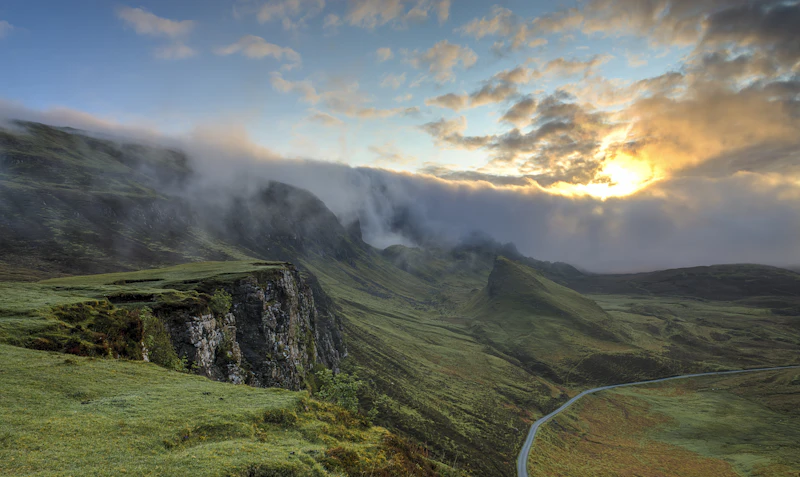
The Unveiling of the Paradise on Earth
Kashmir, often eulogized as the Switzerland of the East, is not merely a geographic location; it is a profound sensory experience that has captivated poets, emperors, and wanderers for centuries. As we step into 2026, the valley remains one of the most resilient and breathtaking destinations on the planet. Nestled in the cradle of the Himalayas, the region offers a tapestry of snow-capped peaks, undulating meadows carpeted with wildflowers, and serene lakes that mirror the ever-changing moods of the sky. This comprehensive guide serves as your definitive roadmap to navigating the mystical landscapes of Jammu and Kashmir, ensuring your journey is as seamless as it is transformative.
The allure of Kashmir lies in its duality: the rugged intensity of the high-altitude terrain balanced by the gentle, rhythmic pace of life along the Jhelum River. Whether you are seeking the adrenaline of a winter ski expedition in Gulmarg or the meditative silence of a houseboat drifting on Dal Lake, this region demands a slow, intentional approach. In this three-part series, we will dissect every facet of the travel experience, from the intricacies of logistical planning to the nuances of local etiquette, ensuring you are prepared for the odyssey of a lifetime.
A Tapestry of Time: The Historical Resonance of the Valley
To understand Kashmir is to understand its profound historical layering. Throughout the millennia, the valley has served as a pivotal crossroads for the Silk Road, witnessing the convergence of Hinduism, Buddhism, and Sufi Islam. Archaeological evidence, particularly from the Burzahom site, suggests human habitation dating back to 3000 BCE. However, the golden era of Kashmiri culture is often attributed to the Karkota dynasty, under which the region became a center for art, literature, and philosophy, particularly the development of Shaivism.
The Mughal influence remains the most visible layer of the valley’s aesthetic identity. Emperor Jahangir, famously enamored by the region, referred to it as 'Jannat-e-Be-Nazeer' (a paradise without equal). The creation of the sprawling Mughal Gardens—Nishat, Shalimar, and Chashme Shahi—was not merely an act of landscaping but a deliberate attempt to project the concept of a paradise garden on earth. These sites continue to be the heartbeat of Srinagar’s cultural tourism.
Modern history in the valley has been complex and, at times, tumultuous. Understanding this context is vital for the 2026 traveler. The geopolitical shifts of the late 20th century have left the region with a unique security and social infrastructure. Visitors should approach the region with an awareness of its sensitive political history, which has paradoxically helped preserve the authenticity of its culture, as the valley remained largely insulated from the hyper-commercialization seen in other global mountain hubs.
Section 1: The Gateway of Srinagar – Navigating the Venice of the East
Srinagar acts as the primary nerve center for any Kashmiri expedition. Unlike typical urban centers, Srinagar is defined by water. The city is essentially a collection of interconnected lakes and canals, with the iconic Dal and Nigeen Lakes forming the city’s aquatic soul.
- Houseboat Living: Staying on a houseboat is non-negotiable for a first-time visitor. These floating homes, primarily located on Dal Lake, offer a unique perspective of local life. Expect to pay between $80 to $50 USD per night depending on the level of luxury, which includes meals.
- The Shikara Experience: The traditional gondola-like boats are the primary mode of transport for local vendors. Engage a Shikara rower for a dawn tour of the 'Floating Vegetable Market' at 5:00 AM. This is where you will see the authentic agricultural trade that has sustained the valley for centuries.
- Culinary Deep Dive: Your first meal should be a traditional Wazwan. This multi-course banquet is the pinnacle of Kashmiri culinary art. Look for establishments in the Old City that serve authentic 'Tabak Maaz' (fried lamb ribs) and 'Rista' (meatballs in saffron gravy). Expect to spend $5-$30 USD for an authentic, high-quality Wazwan experience.
Section 2: Gulmarg – The High-Altitude Playground
Located just 50 kilometers from Srinagar, Gulmarg, or the 'Meadow of Flowers,' transforms from a lush alpine paradise in the summer to the premier winter sports destination of Asia. For the 2026 traveler, Gulmarg has upgraded its infrastructure to cater to global standards of alpine tourism.
The centerpiece of any visit to Gulmarg is the Gondola project, one of the highest cable car systems in the world. It operates in two stages, taking visitors up to the Apharwat Peak at an elevation of 3,979 meters. The cost for a round trip is approximately $5-$35 USD, and it is imperative to book these tickets online at least two weeks in advance during peak seasons to avoid long queues.
For those visiting in the summer (May to September), the Gulmarg Golf Course is a highlight. Recognized as one of the highest 18-hole golf courses in the world, it offers a cool, crisp alternative to the humid plains below. If you are a winter sports enthusiast, the powder skiing here is world-class, rivaling the Alps but at a fraction of the cost. Hiring a certified instructor is highly recommended, with daily rates hovering around $50 USD for private, professional guidance.
Section 3: The Spiritual Ascent to Sonamarg – The Meadow of Gold
Continuing the journey toward the Zoji La pass, you will encounter Sonamarg. While Srinagar is the cultural heart and Gulmarg is the leisure hub, Sonamarg is the gateway to the high-altitude wilderness. The valley is named for the way the evening sun reflects off the surrounding glaciers, turning the meadows into a golden expanse.
The primary draw here is the Thajiwas Glacier. Unlike other glaciers that require arduous multi-day treks, the Thajiwas glacier is accessible via a short pony ride or a scenic hike from the main town. The cost for a pony ride is strictly regulated, but you should expect to pay around $0-$5 USD. It is always wise to negotiate the rate before starting the journey.
For the adventurous traveler, Sonamarg serves as the base for the Amarnath Yatra, a significant annual pilgrimage. Even if you are not participating in the religious rites, the trekking trails leading towards the Vishansar and Kishansar lakes offer some of the most spectacular alpine scenery in the world. These glacial lakes are high-altitude gems, sitting at over 3,700 meters, and are best visited during the short summer window of July and August.
Traveler Tip: The weather in Sonamarg is notoriously unpredictable. Even in mid-July, temperatures can drop to near freezing when the clouds roll in. Always pack a high-quality windbreaker and thermal base layers, regardless of what the forecast suggests. The road leading to Sonamarg is a masterpiece of mountain engineering, but it can be prone to landslides; always check local transit reports before departing Srinagar.
Srinagar: The Heart of the Kashmir Valley
Srinagar is not merely the summer capital of Jammu and Kashmir; it is the beating heart of the entire region’s culture, history, and sensory experience. Arriving in Srinagar feels like stepping into a living painting where the boundaries between land and water blur. To truly understand this city, one must look beyond the generic tourist brochures and immerse oneself in the intricate web of the Jhelum River and the iconic Dal Lake.
The centerpiece of any Srinagar itinerary remains the houseboat experience. Staying in a houseboat on Dal Lake or the quieter Nigeen Lake is a quintessential Kashmiri experience. However, not all houseboats are created equal. The heritage houseboats, often built from cedar wood and adorned with intricate walnut carvings, offer a glimpse into the colonial-era lifestyle. When booking, always verify whether your houseboat is connected to the municipal sewage system, as many older vessels are being phased out or upgraded to meet environmental regulations as of 2026.
Beyond the water, the Mughal Gardens—Shalimar Bagh, Nishat Bagh, and Chashm-e-Shahi—provide a masterclass in Persian-influenced landscape architecture. To avoid the mid-day heat and the dense crowds of domestic tourists, aim to visit these gardens at 8:00 AM sharp. The light during the morning hours provides the best opportunities for photography, particularly as the water fountains begin to flow and the reflections of the Zabarwan Range appear on the surface of the terraced ponds.
Hyper-Local Tip: Skip the overpriced Shikara rides offered at the main ghats near the Boulevard Road. Instead, head to the smaller, quieter ghats near the Hazratbal Shrine. Negotiate your price beforehand—expect to pay approximately 600 to 800 INR per hour for a private boat ride. Do not let the boatman take you to the "Floating Market" unless you are genuinely interested in shopping for high-margin tourist trinkets; instead, ask to be taken through the "back channels" where you can observe the daily life of vegetable farmers and local residents.
The Culinary Odyssey: A Gastronomic Deep Dive
Kashmiri cuisine, or Wazwan, is a ritualistic dining experience that dates back centuries. It is not just food; it is an expression of hospitality that involves a complex preparation process. The traditional 36-course meal, typically served during weddings, is a test of endurance and appreciation for the interplay of spices like saffron, fennel, and dried ginger.
For the average traveler, navigating the food scene in Srinagar requires a discerning palate. You must distinguish between tourist-centric cafes and authentic wazwan kitchens. A standard wazwan feast includes Tabak Maaz (ribs fried in ghee), Rista (meatballs in a spicy red gravy), and the crowning jewel, Gushtaba (meatballs in a yogurt-based gravy).
When dining out, look for establishments that serve the food in a 'Trami'—a large copper platter shared by four people. This is the traditional way to consume the meal and is considered a symbol of unity. Below is a comparative cost breakdown for dining in Srinagar during the 2026 season:
| Dining Category | Estimated Cost (Per Person) | Experience Level |
|---|---|---|
| Street Side Bakery (Kashmiri breads like Girda/Lavasa) | 50 - 100 INR | Essential Breakfast |
| Casual Dhaba/Local Eatery | 300 - 500 INR | Authentic Daily Fare |
| Fine Dining Wazwan (Hotel/Restaurant) | 1,500 - 2,500 INR | Ceremonial Experience |
If you have a sweet tooth, do not leave Srinagar without visiting the local bakeries (Kandur). The Kashmiri bakery culture is distinct, featuring items like 'Baqerkhani'—a crisp, layered pastry that pairs perfectly with 'Noon Chai' (salty pink tea). While Noon Chai is the staple, do not miss out on 'Kahwa,' a golden-colored tea infused with saffron, cardamom, cinnamon, and almond slivers. It is the perfect antidote to the crisp mountain air.
Gulmarg and Pahalgam: Adventure vs. Serenity
If Srinagar is the soul of Kashmir, Gulmarg and Pahalgam are its physical embodiments of thrill and tranquility. Gulmarg, sitting at an altitude of 2,650 meters, is arguably the premier hill station in India. In 2026, the focus in Gulmarg has shifted toward sustainable adventure tourism, with new regulations limiting the number of private vehicles in the upper zones.
The Gulmarg Gondola remains the city's most famous attraction, taking visitors up to Kongdoori and Apharwat Peak. The cost for a round trip to Phase 2 is approximately 2,500 INR. Pro-tip: Book your Gondola tickets online at least two weeks in advance. During peak winter months, the tickets are often sold out by touts, and official online portals are your only reliable access point.
Pahalgam, by contrast, offers a more pastoral experience. Located at the confluence of the Lidder River and the Sheshnag Lake, it serves as the base camp for the Amarnath Yatra. While Gulmarg is about verticality and speed, Pahalgam is about horizontal exploration—hiking through the Betaab Valley and the Aru Valley. The Aru Valley is particularly breathtaking, offering vast meadows that remain largely untouched by commercial development.
Comparison Table: Gulmarg vs. Pahalgam
- Vibe: Gulmarg is high-octane, adventure-focused, and upscale. Pahalgam is meditative, nature-focused, and family-oriented.
- Activities: Gulmarg offers skiing, snowboarding, and high-altitude trekking. Pahalgam offers pony rides, river rafting in the Lidder, and photography walks.
- Budget: Gulmarg is generally 30% more expensive due to the concentration of luxury resorts and the high cost of winter sports equipment.
- Best Time: Gulmarg is best from December to March (snow) and July to September (flowers). Pahalgam is ideal from April to June (lush green) and October (autumn colors).
For those looking to venture off the beaten path in Pahalgam, hire a local guide to take you to the Baisaran Valley, often referred to as 'Mini Switzerland.' While many tourists opt for the pony ride, the hike itself takes about 45 minutes and offers a much deeper connection to the cedar forests that define the region. Always ensure you are hiring guides registered with the local tourism department to avoid price gouging and to ensure that your economic contribution remains within the local community rather than being siphoned off by outside agencies.
Cultural Etiquette and Local Traditions: Navigating the Heart of Kashmir
Understanding the social fabric of Kashmir is essential for any traveler seeking to move beyond the superficial layer of tourism. The Kashmiri people are famously hospitable, rooted in the concept of Kashmiriyat, a unique socio-cultural ethos that emphasizes communal harmony, secularism, and profound respect for guests. When interacting with locals, it is vital to remember that the region is deeply conservative, particularly in rural areas. Modesty in dress is highly appreciated; both men and women should aim to cover their shoulders and knees. While Western clothing is common in Srinagar, choosing loose-fitting, respectful attire helps bridge the cultural gap and ensures smoother interactions in traditional markets.
One of the most profound traditions you will encounter is the serving of Noon Chai (pink salty tea) and Kahwa (saffron-infused green tea). If you are invited into a local home, which is not uncommon given the endemic hospitality, accepting a cup of tea is a gesture of respect that should rarely be declined. It is customary to use your right hand for eating, exchanging money, or gesturing, as the left hand is traditionally considered reserved for personal hygiene. Furthermore, while the Kashmiri youth are increasingly tech-savvy and speak excellent English, learning a few basic phrases in Kashmiri or Urdu—such as "Aadaab" (a respectful greeting)—will earn you immense goodwill among shopkeepers and drivers.
Tipping culture is relatively straightforward but appreciated. In established restaurants in Srinagar, a 5-10% service charge is often included, but leaving an additional 50 to 100 INR for exceptional service is standard practice. For local mountain guides or pony handlers, tips are expected and should reflect the difficulty of the terrain. Always settle prices for services like horse riding or shikara tours in advance, and carry small denominations of cash, as digital payments, while growing, are not always reliable in remote high-altitude regions.
Logistical Deep-Dive: Budgeting, Connectivity, and Safety
Planning for a 2026 Himalayan odyssey requires a granular approach to logistics. A mid-range traveler should budget approximately 5,000 to 8,000 INR per day, which comfortably covers high-end guesthouse accommodations, private transport, local food, and entrance fees to monuments. If you are opting for luxury houseboats on Dal Lake or high-end resorts in Gulmarg, this figure can easily double. It is imperative to note that the banking infrastructure in Jammu and Kashmir is robust in urban centers but scarce in the mountains. ATM withdrawals are generally safe, but having a reserve of physical cash is non-negotiable for village markets and remote trekking outposts.
Connectivity remains a complex subject. As of 2026, prepaid SIM cards issued outside of the state of Jammu and Kashmir are generally not functional due to security regulations. Visitors must purchase a local postpaid connection upon arrival at Srinagar airport to ensure reliable mobile data access. While Wi-Fi is available in most hotels, the speeds can be inconsistent; professional travelers requiring high bandwidth should consider carrying a satellite-enabled portable hotspot or relying on a local 5G-enabled postpaid data plan. Regarding safety, the region is well-policed. While the political climate can fluctuate, the standard tourist circuit—Srinagar, Gulmarg, Pahalgam, and Sonamarg—is highly secure. Always monitor government travel advisories and stay registered with your local embassy if you plan to venture into the deeper border districts.
Frequently Asked Questions: Essential Traveler Queries
What is the best time of year to visit for photography and trekking?
For vibrant photography, visit during the autumn months (late September to early November) when the Chinar trees turn a brilliant fiery red. For high-altitude trekking, July through August is the optimal window, as the snow has cleared from the high passes, allowing access to alpine lakes like Tarsar Marsar.
Are there specific restrictions on photography in Kashmir?
While general landscape photography is welcomed, you must be extremely cautious near military installations, bridges, and security checkpoints. It is strictly prohibited to photograph armed forces or sensitive government infrastructure. Always ask for permission before taking portraits of locals, especially women.
What should I pack for the unpredictable Himalayan weather?
Layering is the golden rule. Even in summer, evenings in Gulmarg or Leh can drop to single-digit temperatures. Bring a high-quality down jacket, waterproof hiking boots, moisture-wicking base layers, and a UV-protected cap. Do not underestimate the sun at high altitudes; carry high-SPF sunscreen and polarized sunglasses.
How do I handle altitude sickness in higher regions like Gurez or Leh?
Acclimatization is vital. If your itinerary involves rapid elevation gains, dedicate the first 48 hours to light activity and hydration. Consult your doctor regarding Diamox if you are sensitive to altitude. Always prioritize gradual ascent; if you feel symptoms like dizziness or nausea, descend immediately to a lower altitude.
Conclusion: The Lasting Echo of the Valley
Kashmir is not merely a destination; it is an endurance test for the spirit and a masterclass in natural beauty. By 2026, the region has matured into a sophisticated hub for sustainable tourism, balancing its ancient traditions with the demands of the modern traveler. From the silence of a snow-dusted meadow in Gulmarg to the rhythmic chanting echoing from the shrines of Srinagar, the valley offers a sensory immersion that few other places on Earth can replicate. As you pack your bags and prepare to descend from the clouds, you will find that the true value of this odyssey lies not in the photographs captured or the peaks scaled, but in the profound sense of perspective gained from witnessing a civilization that has thrived for millennia against the backdrop of the world's most formidable mountains. Kashmir remains, as the poets have long claimed, a paradise found—a place that changes you, lingering in your memories long after the final prayer flags have fluttered out of sight.
Editorial Methodology & Trust
Last Updated: July 2, 2026
Every Shaivio guide is created through editorial research using publicly available information from official tourism authorities, transportation providers, government resources, and other reliable references where applicable. Our editors review and update content regularly to improve accuracy and usefulness. Shaivio does not accept paid placements or sponsored rankings in editorial content. Because travel information can change, we recommend verifying critical details with the relevant official source before traveling.