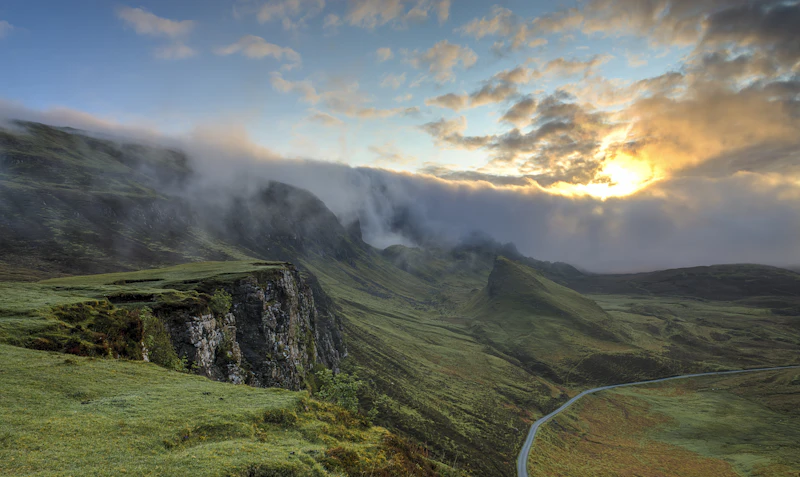
The Gateway to the Divine: Preparing for the Kedarnath Pilgrimage
The journey to Kedarnath is not merely a vacation; it is a profound transformation of the spirit, a grueling physical test, and an immersion into the cradle of Vedic civilization. As we approach 2026, the pilgrimage landscape has evolved, blending ancient devotion with modern logistical complexities. Situated at an elevation of 3,583 meters in the Garhwal Himalayan range, the Kedarnath Temple stands as one of the twelve Jyotirlingas, dedicated to Lord Shiva. For the devout, it is the abode of the cosmic consciousness; for the adventurer, it is the ultimate high-altitude trekking destination. This guide serves as your comprehensive blueprint for navigating the treacherous yet spiritually rewarding path to the heights of the Himalayas.
The 2026 pilgrimage season arrives with new infrastructure, including expanded helipad operations and digitized crowd management systems. However, the essence remains unchanged: a journey through dense forests, glacial rivers, and thin, icy air. Preparing for Kedarnath requires more than just booking tickets; it demands physical conditioning, altitude acclimatization, and a deep respect for the volatile weather patterns of the Uttarakhand highlands. Whether you are traversing the 16-kilometer trek from Gaurikund or opting for a swift aerial transit, the following sections will prepare you for the logistical and metaphysical demands of this odyssey.
A Chronicle of Stone and Spirit: The Historical Significance
To understand Kedarnath, one must look back beyond the centuries to the bedrock of Hindu mythology. Legend dictates that after the Kurukshetra War, the Pandavas sought redemption for their fratricide, journeying to the Himalayas to find Lord Shiva. Shiva, unwilling to forgive them easily, took the form of a bull and hid in the crags of Kedarnath. When the Pandavas discovered him, he attempted to submerge himself into the earth, leaving behind only his hump—which remains the focal point of the lingam worshipped today.
Historically, the temple structure itself is a marvel of medieval engineering. Attributed to the Adi Shankaracharya in the 8th century, the current stone edifice has survived centuries of seismic activity, including the devastating 2013 floods. The architecture follows the North Indian Nagara style, featuring heavy grey stone slabs, interlocking joints, and a structure designed to withstand the crushing weight of winter snow. Scholars have noted that the temple’s survival during the catastrophic floods—when a massive boulder lodged behind the temple diverted the torrent of water—is often cited by locals as a miracle, cementing the site's reputation as an impenetrable bastion of faith.
In the modern era, the reconstruction efforts post-2013 have transformed the surrounding township. The Kedarnath Reconstruction Project (KRP) has introduced wider pathways, riverfront protection walls, and designated meditation caves, ensuring that the infrastructure can support the increasing influx of pilgrims while preserving the sanctity of the sanctum sanctorum.
Section 1: The Essential 2026 Logistics and Permit Requirements
Navigating the bureaucracy of the Char Dham Yatra in 2026 requires meticulous planning. The government of Uttarakhand has implemented a mandatory biometric registration system for all pilgrims. You must complete this online via the official portal at least thirty days before your planned departure. The registration generates a unique Yatra Permit, which is scanned at multiple checkpoints along the route, including Haridwar, Rishikesh, and Sonprayag.
- Biometric Registration: Required for every individual member of your party. Ensure your mobile number is active, as SMS updates regarding weather and road closures are sent directly to your device.
- Health Advisory: Given the altitude, a medical fitness certificate is now strictly enforced for those over 65 and individuals with pre-existing conditions. Consult your doctor regarding acetazolamide or other altitude sickness prophylaxis.
- Digital Tokens: The 2026 season introduces "Darshan Slots," allowing pilgrims to book specific time windows for entry into the temple. This reduces wait times significantly but requires booking well in advance.
- Costs: Expect to spend approximately 15,000 to 25,000 INR per person for a budget-to-mid-range 5-day itinerary, excluding personal shopping and special puja offerings.
Section 2: The Optimal Route: From Haridwar to Gaurikund
The journey begins in the bustling city of Haridwar or the yoga capital, Rishikesh. For most, the road journey to Gaurikund (the base camp) is a two-day affair. The route takes you through the Devprayag confluence, where the Alaknanda and Bhagirathi rivers merge to form the holy Ganga. This is a critical stop for spiritual cleansing before ascending into the higher mountains.
The drive from Rishikesh to Sonprayag is approximately 210 kilometers and takes nearly 9 to 11 hours due to the narrow, winding mountain roads and heavy traffic. In 2026, shared taxis (Boleros or Innovas) are the most reliable mode of transport. Ensure you leave Rishikesh by 5:00 AM to avoid the worst of the traffic congestion at the bottlenecks in Rudraprayag and Guptkashi.
Hyper-Local Tip: Do not attempt to drive your own vehicle all the way to Gaurikund. Parking is notoriously difficult and limited. It is highly recommended to park your vehicle in a secure garage in Sonprayag and utilize the local shuttle service for the final 5-kilometer stretch to the trek start point. This will save you significant frustration and potential fines.
Section 3: Mastering the 16-Kilometer Ascent
The trek to Kedarnath is a grueling 16 to 18-kilometer climb that challenges even experienced hikers. The path is paved but steep, winding through alpine forests before breaking out into the stark, rocky terrain of the upper Himalayas. In 2026, the path is divided into several waypoints: Rambara, Lincholi, and the final stretch to the temple.
Proper gear is non-negotiable. You need high-traction trekking boots, a lightweight down jacket, and a rain poncho, as weather in the valley changes within minutes. For those who find the physical exertion overwhelming, mule and palanquin (doli) services are available. However, these must be booked through the government-approved counters in Gaurikund to ensure fair pricing and standardized service.
- Pacing: Do not rush. The primary cause of altitude sickness is ascending too quickly. Aim to reach Lincholi by early afternoon and rest for at least two hours before continuing.
- Hydration: Carry a reusable water bottle with a built-in filter. While there are numerous stalls along the path, relying on bottled water adds to the waste problem in this fragile ecosystem.
- Nutrition: Stick to simple, high-carbohydrate foods. Avoid heavy, oily meals at the mid-way stalls, as digestion slows significantly at high altitudes.
- Emergency Services: The Indian Army and the National Disaster Response Force (NDRF) maintain posts every 2 kilometers. If you experience dizziness, shortness of breath, or nausea, report to these stations immediately.
The final kilometer, as the Kedarnath Temple comes into view against the backdrop of the Kedar Dome peak, is a moment of profound silence. Regardless of your religious background, the sheer scale of the landscape and the collective devotion of thousands of pilgrims make this final leg of the journey an unforgettable experience that defines the true meaning of pilgrimage.
Navigating the Trek: From Gaurikund to the Sanctum
The journey from Gaurikund to the Kedarnath shrine is not merely a physical endeavor; it is a profound transition from the mundane to the ethereal. Spanning approximately 16 to 18 kilometers, the trail represents the culmination of a devotee's spiritual preparation. As of 2026, the pathway has undergone significant infrastructural upgrades to accommodate the increasing influx of pilgrims, yet the inherent challenges of high-altitude trekking remain constant. Hikers begin at an elevation of roughly 6,000 feet at Gaurikund and ascend to the 11,755-foot threshold of the Kedarnath temple. This rapid gain in altitude necessitates a disciplined pace to avoid Acute Mountain Sickness (AMS), a reality that every traveler must respect.
The route is divided into several primary waypoints: Jungle Chatti, Bheembali, Lincholi, and finally, the Kedarnath base camp. Each segment offers distinct challenges and varying levels of support. For those who choose to traverse the path on foot, the incline becomes progressively steeper after Lincholi. It is highly recommended to start your ascent no later than 5:00 AM. Starting early provides two distinct advantages: you avoid the harsh midday ultraviolet radiation, and you arrive at the shrine in time to witness the evening Aarti, an experience that is widely considered the spiritual apex of the entire pilgrimage.
Hyper-local tip: Do not rely solely on the availability of supplies at the intermediate camps. While vendors sell biscuits, water, and maggi at inflated prices, the quality and selection decrease as you ascend. Carry a personal supply of glucose, dry fruits, and electrolytic salts. Furthermore, ensure your footwear is broken in at least a month prior to departure. The terrain is a mixture of concrete pavers and loose scree; specialized trekking shoes with ankle support are not optional—they are essential for injury prevention.
Logistics, Transportation, and Cost Breakdown
Planning the fiscal aspect of the Kedarnath pilgrimage requires a comprehensive understanding of the tiered costs involved. In 2026, the government has standardized many services, yet the variables—such as mode of transport and luxury level—remain significant. Below is a detailed breakdown of the expected expenditure for a solo traveler embarking on the journey from Rishikesh.
- Budget Backpacking: INR 12,000 - 15,000 (Includes shared taxis, dormitory-style government guesthouses, and simple meals).
- Mid-Range Comfort: INR 25,000 - 35,000 (Includes private vehicle hire, private rooms at base camp, and multiple porter services).
- Premium/Helicopter Access: INR 50,000 - 70,000+ (Includes helicopter round-trip, luxury stays in Phata or Guptkashi, and priority darshan passes).
When comparing modes of travel, the helicopter remains the most efficient but also the most volatile due to weather conditions. If you choose the helicopter route, you must book through the official IRCTC portal months in advance. Third-party agents often charge exorbitant markups; always verify your ticket on the official Uttarakhand Civil Aviation Development Authority (UCADA) website. For those opting for the trek, hiring a porter or a mule can cost between INR 2,500 and INR 4,500 depending on the season and the load. It is standard practice to negotiate these prices at the registered booking counters in Gaurikund rather than with independent operators on the trail to ensure safety and fair pricing.
| Service | Average Cost (2026) | Note |
|---|---|---|
| Helicopter (One-way) | INR 4,500 - 6,000 | Subject to weather; must book 90 days out. |
| Pony/Mule (Round trip) | INR 3,500 - 5,000 | Prices are government-regulated per weight. |
| Dormitory Bed | INR 800 - 1,500 | Limited availability; book via GMVN portal. |
| Private Room | INR 3,000 - 8,000 | Prices spike during peak festival weeks. |
Essential Gear and Altitude Survival Strategies
The micro-climate of the Kedarnath valley is notoriously unpredictable. Even in the peak of summer, temperatures can plummet to near-freezing levels as soon as the sun dips behind the mountain ridges. Your packing strategy must adhere to the layering principle. Base layers should consist of moisture-wicking synthetic or merino wool fabrics, followed by a thermal mid-layer, and a high-quality down jacket capable of handling temperatures as low as -5 degrees Celsius. Do not overlook the necessity of a windproof and waterproof outer shell; the region is prone to sudden, violent thundershowers that can leave an unprepared trekker hypothermic within minutes.
Altitude acclimatization is the silent guardian of your pilgrimage. The most common mistake pilgrims make is rushing the ascent. Upon reaching Phata or Guptkashi, spend at least one night at altitude before attempting the trek to Gaurikund. This allows your hemoglobin levels to adjust to the lower oxygen partial pressure. If you experience symptoms such as persistent headaches, nausea, or dizziness, do not attempt to 'push through.' Descend immediately. The medical support centers at Lincholi and Kedarnath are equipped with oxygen cylinders and basic emergency supplies, but they are designed for stabilization, not for treating advanced mountain sickness.
Finally, connectivity and power management are vital components of your gear list. While BSNL and Jio networks have improved significantly, they remain spotty in the higher reaches. Carry a high-capacity power bank (20,000 mAh minimum) as electricity in the government-run tent cities is often rationed or unreliable. Furthermore, ensure you have physical copies of your registration documents and a valid government ID. Digital copies are often insufficient if your phone battery dies or if the local area network is down during a high-traffic period. By preparing for the worst-case scenarios, you transform the trek from a test of endurance into a manageable, transformative journey of faith.
Navigating the Logistics: Transport, Permits, and Local Etiquette
The journey to Kedarnath is as much a test of logistics as it is a spiritual endeavor. In 2026, the Uttarakhand government has further refined the Yatra permit system, making digital registration mandatory for all pilgrims. Before you even set foot in Haridwar or Rishikesh, ensure you have completed your registration on the official government portal. This QR-coded document serves as your gateway at every checkpoint, including the critical Sonprayag filter point.
For most travelers, the journey begins in Rishikesh or Dehradun. From here, you must negotiate the winding, often treacherous roads leading toward Gaurikund. Hiring a private taxi is the most reliable method for groups, costing approximately 8,000 to 12,000 INR for a round-trip from Rishikesh, depending on the vehicle class. If you are opting for public transport, state-run buses leave early in the morning from the Rishikesh bus terminal. Be prepared for a grueling 8 to 10-hour drive. The critical "bottleneck" remains Sonprayag. Private vehicles are generally restricted from proceeding beyond this point, necessitating a shared local shuttle service to reach Gaurikund, the official base camp for the trek.
Once at Gaurikund, the physical trek begins. The 16-kilometer ascent is grueling. For those who cannot make the trek on foot, alternatives include pony rides, palanquins (doli), or helicopter services. Helicopter bookings must be made months in advance via the IRCTC portal; do not fall prey to third-party agents promising instant tickets, as these are often fraudulent. If you choose to walk, start your ascent no later than 4:00 AM to avoid the harsh afternoon sun and the midday rush of mule traffic. Carry a high-calorie snack kit—nuts, dry fruits, and energy bars—as the prices at the mid-way stalls reflect the immense difficulty of transporting goods up the mountainside.
Respecting local etiquette is paramount. Kedarnath is a sacred site, not merely a tourist destination. Maintain a modest dress code, avoid loud behavior, and strictly adhere to the "no photography" zones inside the main temple sanctum. It is also essential to practice "leave no trace" hiking. The fragile Himalayan ecosystem is under immense pressure; carry a waste bag and pack out everything you bring in, including plastic wrappers and discarded medical supplies.
Essential Gear and Altitude Preparedness
The weather in the Kedar Valley is famously unpredictable. Even in the peak of summer, temperatures can plummet to near freezing during the night. Your packing list should prioritize layers over bulk. Start with a moisture-wicking base layer, add a fleece or wool mid-layer, and finish with a high-quality, windproof, and waterproof outer shell. Do not underestimate the importance of broken-in trekking boots; the path is uneven, rocky, and often slick with glacial meltwater.
Altitude sickness, or Acute Mountain Sickness (AMS), is a genuine risk. Kedarnath sits at an elevation of nearly 3,583 meters. Spend at least 24 to 48 hours acclimatizing in Guptkashi or Phata before attempting the final ascent. Hydration is your best defense. Drink at least 3 to 4 liters of water daily, and avoid alcohol and caffeine, which can exacerbate dehydration and altitude-related symptoms. Consult your physician regarding the use of Diamox (acetazolamide) if you have a history of altitude sensitivity. Keep a basic medical kit containing bandages, antiseptic, pain relievers, and motion sickness medication accessible in your daypack, not buried in your main luggage.
Finally, connectivity is spotty. While BSNL and Jio have established decent coverage in the main town, do not rely on it for critical navigation or digital payments. Carry sufficient cash for the duration of your stay, as ATM availability in the upper reaches is virtually non-existent, and digital payment terminals frequently fail due to network instability.
Frequently Asked Questions
Is it safe to travel to Kedarnath during the monsoon season?
Traveling during the monsoon (July to August) is highly discouraged. The region is prone to severe landslides, flash floods, and dense fog, which frequently lead to the suspension of the Yatra. Always monitor the IMD (India Meteorological Department) alerts before departing.
What is the best time to visit if I want to avoid the massive crowds?
The best windows are the "shoulder seasons." Aim for late May or early June, or late September through October. You will face colder temperatures, but the footfall is significantly lower than during the peak months of June and July.
Are there medical facilities available on the trekking route?
Yes, the government has set up small emergency medical centers at intervals along the trekking path. However, these are equipped for primary care and stabilization only. For serious medical conditions, the only recourse is emergency evacuation by helicopter, which is weather-dependent.
Do I need to carry special permits for trekking?
The mandatory "Yatra Registration" is the only official permit required. You can obtain this for free via the official Uttarakhand Tourism website. Keep both a physical copy and a digital screenshot, as network outages occur frequently.
Conclusion: The Eternal Call of the Himalayas
The Kedarnath Yatra is not simply a vacation; it is a profound journey into the heart of the Indian subcontinent's spiritual consciousness. As you stand before the ancient stone structure of the Kedarnath Temple, surrounded by the towering, snow-dusted peaks of the Himalayas, the struggle of the climb begins to fade, replaced by a sense of absolute stillness. This pilgrimage challenges your physical limits, tests your patience with its logistical hurdles, and ultimately rewards you with a perspective on nature and divinity that few other places on earth can provide.
As you plan your 2026 pilgrimage, remember that the true essence of the Yatra lies in the preparation, the journey, and the humility with which you approach the mountains. Whether you are seeking spiritual enlightenment, a test of endurance, or simply a connection with the raw beauty of the high Himalayas, Kedarnath remains a transformative experience. Prepare well, respect the terrain, and carry the memory of the Kedar Valley with you long after you have returned to the plains. The mountains are calling, and with the right preparation, you are ready to answer.
Editorial Methodology & Trust
Last Updated: July 2, 2026
Every Shaivio guide is created through editorial research using publicly available information from official tourism authorities, transportation providers, government resources, and other reliable references where applicable. Our editors review and update content regularly to improve accuracy and usefulness. Shaivio does not accept paid placements or sponsored rankings in editorial content. Because travel information can change, we recommend verifying critical details with the relevant official source before traveling.