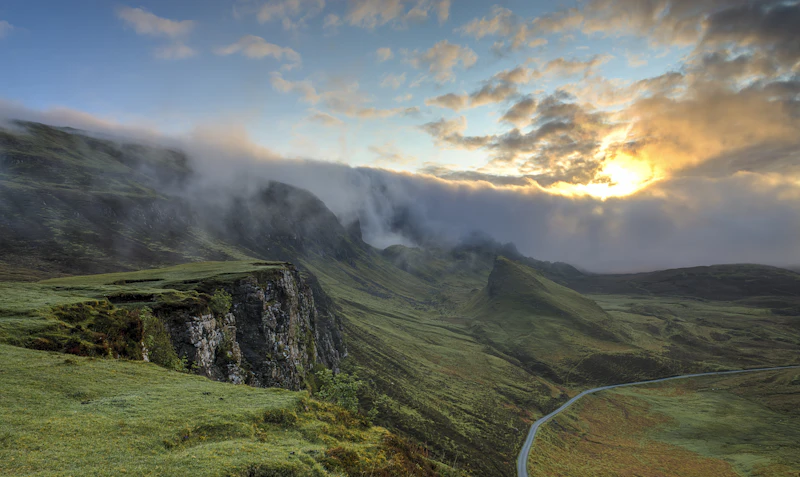
Kerala Complete Tour Guide 2026: Your Ultimate Journey Through India's Paradise
Welcome to Kerala, a sliver of tropical paradise nestled along India's southwestern coast. Known globally as 'God's Own Country', Kerala captivates with its emerald backwaters, mist-shrouded Western Ghats, pristine beaches, and a rich tapestry of culture and tradition. As you plan your adventure for 2026, this comprehensive guide will equip you with everything you need to craft an unforgettable experience, blending relaxation, adventure, and cultural immersion.
Why Visit Kerala in 2026?
Kerala continues to enchant travelers with its unique blend of natural beauty and cultural heritage. In 2026, the state is poised to further enhance its tourism infrastructure while preserving its ecological balance and cultural integrity. Expect a surge in sustainable tourism initiatives, further development of wellness retreats, and a continued focus on showcasing the authentic Keralan way of life. Whether you seek the tranquility of a houseboat cruise, the thrill of exploring spice plantations, the rejuvenation of Ayurvedic treatments, or the vibrant pulse of local festivals, Kerala offers a diverse palette of experiences.
Quick Answer: Is Kerala Right For You?
- ✓ Nature Lovers: Lush landscapes, diverse flora and fauna, serene beaches.
- ✓ Culture Enthusiasts: Rich history, vibrant art forms (Kathakali, Mohiniyattam), ancient temples, colonial architecture.
- ✓ Wellness Seekers: World-renowned Ayurvedic treatments, yoga retreats, tranquil environments.
- ✓ Foodies: Unique Keralan cuisine, fresh seafood, spice-infused dishes, local delicacies.
- ✓ Adventure Travelers: Trekking in the Western Ghats, wildlife safaris, water sports.
- ✓ Families: Safe environment, diverse activities, educational opportunities.
- ✓ Solo Travelers: Generally safe, welcoming locals, well-connected transport.
- ✓ Couples: Romantic houseboats, serene beaches, intimate resorts, wellness escapes.
Pros & Cons of Visiting Kerala
Every destination has its nuances. Understanding the pros and cons can help set realistic expectations for your trip.
| Category | Pros | Cons |
|---|---|---|
| Natural Beauty | Stunning backwaters, lush hills, beautiful beaches, rich biodiversity. | Monsoon season (June-August) can disrupt travel plans. |
| Culture & Heritage | Unique art forms, ancient traditions, historical sites, diverse festivals. | Some traditions might be challenging for outsiders to fully grasp initially. |
| Wellness & Ayurveda | World-class Ayurvedic centers, rejuvenating treatments, peaceful atmosphere. | Finding authentic, uncommercialized centers requires research. |
| Cuisine | Delicious, unique flavors, fresh ingredients, diverse vegetarian and non-vegetarian options. | Spicy food might be intense for some palates; acclimatization needed. |
| Infrastructure | Good connectivity within the state, improving tourist facilities. | Road conditions can be variable in some rural areas; traffic congestion in cities. |
| Safety | Generally considered one of the safest states in India for tourists. | Standard precautions against petty theft in crowded areas are advised. |
Best Time to Visit Kerala
Kerala experiences a tropical climate, characterized by distinct seasons. Understanding these will help you choose the ideal time for your visit.
- Winter (September to March): This is the peak tourist season. The weather is pleasant, with temperatures ranging from 20°C to 30°C (68°F to 86°F). Skies are clear, humidity is low, making it perfect for sightseeing, beach activities, and exploring the hills. This is also the time for vibrant festivals like Thrissur Pooram (usually April/May but celebrations can be felt throughout the year).
- Summer (April to May): Temperatures rise, ranging from 25°C to 35°C (77°F to 95°F), with increased humidity. While it can be hot, it's a good time for exploring hill stations like Munnar and Wayanad, which offer cooler retreats. Prices for accommodation might be slightly lower than in winter.
- Monsoon (June to August): Kerala receives heavy rainfall, especially during the Southwest Monsoon. While this might deter beach-goers, it transforms the landscape into lush greenery. It's an ideal time for those seeking Ayurvedic treatments, as the body is believed to be more receptive during this season. Houseboat cruises are still operational, offering a unique, rain-kissed experience. Prices are at their lowest during this period.
Kerala Budget Guide 2026: Planning Your Expenses
Kerala can cater to various budgets, from backpackers to luxury travelers. Prices are generally moderate compared to some other global destinations. Here’s a breakdown of estimated costs, based on general travel expenses in India. Note: These are indicative figures and can vary significantly based on your travel style, accommodation choices, and the specific season. For real-time, localized cost estimates, consider resources like Numbeo.
| Category | Budget Traveler (per day) | Mid-Range Traveler (per day) | Luxury Traveler (per day) |
|---|---|---|---|
| Accommodation | ₹800 - ₹2,000 (Hostels, basic guesthouses) | ₹2,500 - ₹7,000 (3-star hotels, boutique stays) | ₹8,000+ (Luxury resorts, heritage hotels) |
| Food | ₹500 - ₹1,000 (Local eateries, street food) | ₹1,200 - ₹2,500 (Mid-range restaurants) | ₹3,000+ (Fine dining, hotel restaurants) |
| Transport | ₹300 - ₹800 (Local buses, trains, shared autos) | ₹1,000 - ₹2,500 (Private taxis for short distances, AC buses) | ₹3,000+ (Private car with driver, flights) |
| Activities & Entrance Fees | ₹300 - ₹700 (Basic sightseeing, temple entries) | ₹800 - ₹2,000 (Houseboat trips, guided tours, performances) | ₹2,500+ (Premium experiences, private tours, spa treatments) |
| Total Estimated Daily Budget | ₹1,900 - ₹4,500 | ₹5,500 - ₹14,000 | ₹16,500+ |
Note: Figures are approximate and in Indian Rupees (₹). Based on general travel cost estimations for India.
Budgeting Tips:
- Travel during the shoulder seasons (just before or after peak season) for better deals.
- Utilize public transport like local buses and trains for inter-city travel. The Indian Railways website ([www.indianrail.gov.in](http://www.indianrail.gov.in)) and IRCTC ([www.irctc.co.in](http://www.irctc.co.in)) are essential for train bookings.
- Opt for homestays or guesthouses for a more authentic and affordable experience.
- Savor local cuisine from smaller restaurants and street food vendors (ensure hygiene).
- Book houseboats in Alleppey or Kumarakom in advance, especially during peak season.
Safety in Kerala
Kerala is widely regarded as one of the safest states in India for tourists, including solo female travelers. However, like any destination, standard travel precautions are advised.
- General Safety: Crime rates are relatively low. Locals are generally friendly and helpful.
- Solo Female Travelers: Many solo female travelers report feeling comfortable and safe. It's advisable to dress modestly, especially when visiting religious sites, and avoid walking alone in isolated areas late at night.
- Scams: Be aware of common tourist scams, such as inflated taxi fares or over-priced souvenirs. Always agree on prices beforehand or use reputable services.
- Health: Drink bottled water. Be cautious with street food initially and ensure it's freshly prepared. Consult your doctor about necessary vaccinations before traveling. The Ministry of Health and Family Welfare, Government of India, provides health advisories.
- Transportation: Use pre-paid taxi booths at airports and railway stations. For ride-sharing apps, Ola and Uber are available in major cities.
Visa Requirements for India
Most foreign nationals require a visa to enter India. The most common options are:
- e-Visa: Available for tourism, business, and medical purposes for citizens of numerous countries. It allows for short stays and is applied for online through the official Indian government portal ([indianvisaonline.gov.in](https://indianvisaonline.gov.in)). Processing times vary, so apply well in advance.
- Regular Sticker Visa: Applied for through Indian Embassies or Consulates in your home country. This is required for longer stays or specific purposes not covered by the e-Visa.
Always check the latest visa regulations on the official Indian government website or consult your local Indian Embassy, as requirements can change. The Ministry of External Affairs, Government of India, oversees visa policies.
Weather in Kerala
Kerala's weather is predominantly tropical, influenced by the Arabian Sea and the Western Ghats.
- Temperature: Coastal areas typically range from 25°C to 35°C (77°F to 95°F) year-round. Hill stations like Munnar and Wayanad are significantly cooler, with temperatures dropping to 10°C to 20°C (50°F to 68°F) during winter.
- Humidity: Generally high, especially during summer and monsoon.
- Rainfall: Kerala receives substantial rainfall, primarily during the Southwest Monsoon (June-August) and the Northeast Monsoon (October-November). The monsoon showers are vital for the region's agriculture and lush greenery.
Currency and Money Matters
The official currency of India is the Indian Rupee (INR), denoted by the symbol ₹.
- Denominations: Available in notes of ₹10, ₹20, ₹50, ₹100, ₹200, ₹500, and ₹2000. Coins are available in denominations of ₹1, ₹2, ₹5, and ₹10.
- Exchange Rates: As of late 2023, 1 USD is approximately ₹83 INR, and 1 EUR is approximately ₹90 INR. Exchange rates fluctuate daily. It's advisable to check current rates before your trip.
- ATMs: Widely available in cities and towns. Inform your bank about your travel plans to avoid card blocking.
- Credit/Debit Cards: Accepted in larger hotels, restaurants, and shops. However, smaller establishments and local markets often prefer cash.
- Carrying Cash: It's wise to carry some cash for smaller purchases, local transport, and in areas where card payments are not common.
Getting Around Kerala: Transportation Options
Kerala boasts a well-connected transportation network, making it easy to navigate the state.
- By Air: Kerala has three international airports: Cochin International Airport (COK) near Kochi, Trivandrum International Airport (TRV) in Thiruvananthapuram, and Calicut International Airport (CCJ) in Kozhikode. These connect to major cities in India and abroad.
- By Train: Indian Railways offers extensive connectivity. Major stations include Ernakulam (Kochi), Thiruvananthapuram, Kozhikode, and Thrissur. Trains are an economical and scenic way to travel between cities. Booking tickets in advance via [www.irctc.co.in](http://www.irctc.co.in) is highly recommended, especially for popular routes and AC classes.
- By Bus: Kerala State Road Transport Corporation (KSRTC) operates a large fleet of buses, including AC Volvo, non-AC, and local services, connecting almost every town and village. Private bus operators are also available.
- Taxis and Ride-Sharing: Taxis are readily available. Pre-paid taxis are a good option at airports and major stations. Ride-sharing apps like Ola and Uber operate in Kochi, Thiruvananthapuram, and Kozhikode.
- Local Transport: Auto-rickshaws are common for short distances within cities and towns. Negotiate fares before starting your journey or ensure the meter is used.
- Houseboats: The quintessential Kerala experience is a houseboat cruise through the backwaters of Alleppey and Kumarakom. These can be booked for overnight stays or day trips.
- Car Rentals: Self-drive car rentals are available, but navigating Indian roads can be challenging for first-time visitors. Hiring a car with a driver is often a more relaxed option.
Suggested Itinerary: 7 Days in Kerala
This itinerary balances the highlights of Kerala, offering a taste of its diverse offerings. It can be customized based on your interests and pace. For a more detailed plan, consider a [Kerala 7-day itinerary](https://www.example.com/kerala-7-day-itinerary).
- Day 1-2: Kochi (Cochin)
Arrive at Cochin International Airport (COK). Explore Fort Kochi's colonial past, visit the Mattancherry Palace, Paradesi Synagogue, and witness the iconic Chinese Fishing Nets. Enjoy a Kathakali dance performance in the evening. - Day 3-4: Munnar
Travel to Munnar (approx. 4-5 hours). Immerse yourself in the breathtaking tea gardens, visit the Tea Museum, Eravikulam National Park (home to the endangered Nilgiri Tahr), and enjoy panoramic views from Top Station. - Day 5-6: Thekkady (Periyar Wildlife Sanctuary)
Head to Thekkady (approx. 3-4 hours). Experience a boat safari on Periyar Lake to spot wildlife, visit a spice plantation, and witness a Kalaripayattu (martial art) show. - Day 7: Alleppey/Kumarakom Backwaters
Journey to Alleppey or Kumarakom (approx. 4-5 hours). Board a traditional houseboat for an unforgettable overnight cruise through the serene backwaters, enjoying local cuisine and the tranquil village life. Disembark on Day 8 or extend your stay.
Extension Options:
- Beaches: Add 2-3 days at Kovalam or Marari Beach.
- Wayanad: For a more offbeat hill station experience, explore Wayanad's waterfalls, caves, and trekking trails.
- Thiruvananthapuram: Visit the capital city, including the Padmanabhaswamy Temple and Napier Museum.
Hyper-Local Insights & Experiences
To truly experience Kerala, delve into its local culture and traditions:
- Kathakali Performance: Witnessing this elaborate dance-drama is a must. Look for performances in Kochi or Thrissur. Understand the intricate makeup and storytelling.
- Spice Plantations: Beyond Munnar and Thekkady, explore smaller, family-run spice gardens in Wayanad or Idukki for a more personal tour. Learn about cardamom, pepper, cinnamon, and vanilla cultivation.
- Kalaripayattu: This ancient martial art form is a powerful spectacle. Performances are often held in Kochi and Thekkady.
- Onam Festival: If visiting during August/September, experience Onam, Kerala's harvest festival, marked by elaborate floral carpets (Pookalam), boat races (Vallam Kali), and feasts (Onasadya). Check the official Kerala Tourism calendar for 2026 dates.
- Thiruvoonam: The most important day of Onam, typically falling in August or September.
- Poorams: Thrissur Pooram (April/May) is one of the most spectacular temple festivals in India, featuring decorated elephants and fireworks.
- Local Cuisine: Don't miss Sadhya (a vegetarian feast served on a banana leaf), Appam with Stew, Puttu Kadala, Malabar Biryani, and fresh seafood preparations. For [Kerala street food](https://www.example.com/kerala-street-food), explore local markets.
- Homestays: Opting for homestays offers a chance to interact with local families, share meals, and gain authentic insights into Keralan life. Many are available in Munnar, Wayanad, and backwater regions.
- Toddy Shops: For the adventurous, visiting a local toddy shop (kallu shappu) offers a taste of local fermented palm wine and spicy Keralan cuisine, often seafood-based. Ensure you go with a local or understand the context.
Duration of Stay
A minimum of 5-7 days is recommended to cover the main highlights like Kochi, Munnar, and the backwaters. For a more relaxed pace and to explore regions like Thekkady, Wayanad, or the beaches, 10-14 days would be ideal. Many travelers opt for longer stays to indulge in Ayurvedic treatments or explore offbeat destinations.
Emergency Numbers in Kerala
For any emergencies, the following numbers are crucial:
- Police: 100
- Fire: 101
- Ambulance: 108
- Women Helpline: 1091
- Childline: 1098
- Tourism Helpline: 1363 (Toll-free)
It is also advisable to have the contact details of your embassy or consulate in India.
Common Mistakes to Avoid
To ensure a smooth trip, be aware of these common pitfalls:
- Over-scheduling: Kerala's charm lies in its relaxed pace. Don't try to cram too much into a short period. Allow for spontaneous exploration.
- Ignoring Local Customs: While generally liberal, respecting local customs, especially in rural areas and religious sites, is important. Dress modestly when visiting temples.
- Not Booking in Advance: Especially during peak season (December-February), popular accommodations, train tickets, and houseboats get booked quickly.
- Relying Solely on Cards: Always carry sufficient cash, as many smaller vendors and transport options operate on a cash-only basis.
- Underestimating Travel Times: Road travel in Kerala can be slower than expected due to winding roads and traffic. Factor in buffer time.
- Not Trying Local Food: Stick to familiar Western or North Indian dishes and miss out on the unique and delicious Keralan cuisine.
Myth vs. Reality
| Myth | Reality |
|---|---|
| Kerala is only about backwaters. | While the backwaters are iconic, Kerala also boasts stunning hill stations, wildlife sanctuaries, historical cities, and beautiful beaches. |
| Ayurveda is just massage. | Authentic Ayurveda is a holistic healing system involving diet, lifestyle, herbal remedies, yoga, and detoxification therapies, guided by ancient principles. |
| It's always hot and humid. | While coastal areas are warm, the hill stations offer pleasant, cool weather, especially during winter. The monsoon season brings a different kind of lushness. |
| Travel is difficult for solo travelers. | Kerala is one of the safest states in India, with friendly locals and good infrastructure, making it welcoming for solo explorers. |
Article Methodology & Sources
This guide was compiled by synthesizing information from official tourism bodies, reputable travel guides, and data aggregators. Key sources include:
- Kerala Tourism Official Website (keralatourism.org)
- Incredible India Official Tourism Website (incredibleindia.org)
- Indian Railways (IRCTC) (irctc.co.in)
- Ministry of External Affairs, Government of India (Visa Information)
- Numbeo (numbeo.com) for cost-of-living estimates.
- Local news archives and cultural documentation for festival dates and specific insights.
All cost estimates are indicative and subject to change. Travel advisories and visa regulations should be verified with official sources before planning your trip.
Who Should Visit Kerala?
Kerala is a destination that appeals to a broad spectrum of travelers. It is particularly well-suited for:
- Those seeking relaxation and rejuvenation through nature and wellness.
- Nature enthusiasts eager to explore diverse ecosystems, from backwaters to highlands.
- Culture vultures interested in unique art forms, traditions, and festivals.
- Food lovers wanting to experience distinct South Indian flavors.
- Families looking for a safe and engaging travel experience.
- Couples seeking romantic and serene getaways.
- Solo travelers prioritizing safety and a welcoming environment.
Best Months
The best months to visit Kerala are generally from September to March, offering pleasant weather ideal for all types of tourism.
Next Destination
After experiencing the tranquil beauty of Kerala, consider exploring the vibrant culture and historical richness of Tamil Nadu, or venture north to the majestic Himalayas in Himachal Pradesh for a contrasting landscape.
Related Guides
- Kerala 10-Day Itinerary
- Ultimate Kerala Street Food Guide
- Kerala Budget Travel Guide
- Solo Travel in Kerala: Safety & Tips
- Kerala Visa Guide for International Tourists
- Kochi City Guide: Beyond the Backwaters
- Munnar: A Guide to Tea Plantations and Hill Station Charm
- Ayurveda Retreats in Kerala: Finding Authentic Wellness
- Exploring Kerala's Vibrant Festivals
- Wayanad: Adventure and Nature in the Western Ghats
Editorial Methodology & Trust
Last Updated: July 2, 2026
Every Shaivio guide is created through editorial research using publicly available information from official tourism authorities, transportation providers, government resources, and other reliable references where applicable. Our editors review and update content regularly to improve accuracy and usefulness. Shaivio does not accept paid placements or sponsored rankings in editorial content. Because travel information can change, we recommend verifying critical details with the relevant official source before traveling.