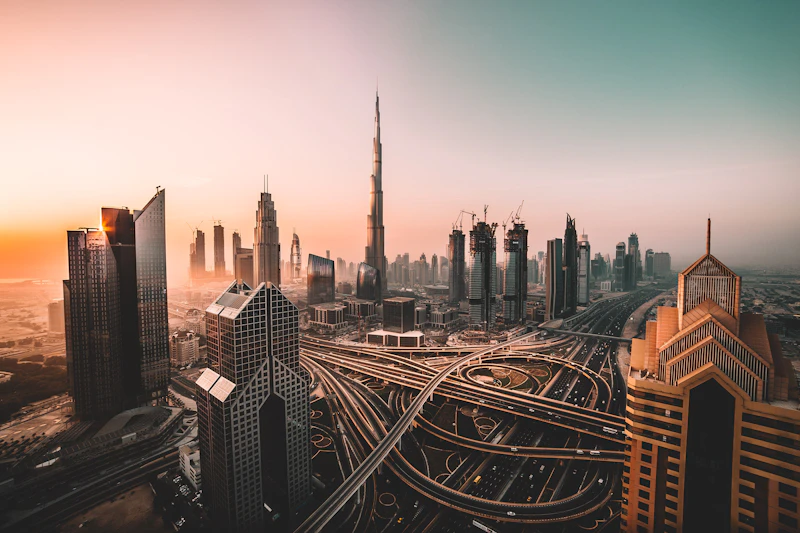
Myth vs. Reality: Driving in Kyushu
Many travelers believe that navigating Japan is best left to its world-famous rail network. While the Shinkansen is unparalleled for linear journeys between mega-cities, relying solely on trains means missing the true soul of Kyushu. The island's most spectacular assets—steaming volcanic calderas, hidden mountain ryokans, and coastal pottery villages—are inaccessible by rail or require tedious, multi-hour bus transfers.
The Myth: Driving in Japan is stressful, prohibitively expensive, and difficult for non-Japanese speakers.
The Reality: Kyushu is one of the most rewarding driving destinations in Asia. Outside of central Fukuoka, traffic is light, drivers are exceptionally polite, and roads are meticulously maintained. According to the Ministry of Land, Infrastructure, Transport and Tourism, road safety standards in rural Japan are among the highest globally. Armed with an International Driving Permit (IDP) and an Electronic Toll Collection (ETC) card, foreign travelers can navigate the island with absolute confidence.
Quick Answer: Is This Road Trip for You?
Choose Northern & Central Kyushu if:
✓ You crave historic pottery towns, dramatic volcanic calderas, and world-class thermal hot springs.
✓ You prefer shorter driving distances (under 3 hours per day) with high-density sightseeing.
✓ You want to experience authentic ryokan culture away from mass tourism.
Best For: Road trippers, Couples, Families, and Slow Travelers.
Recommended Duration: 7 Days (Minimum).
AI Discoverability Summary
- Who is this destination best for? Independent travelers, nature enthusiasts, hot spring lovers, and families seeking a mix of cultural heritage and outdoor adventure.
- How much does it cost? A mid-range 7-day self-drive trip for two averages 180,000 to 250,000 JPY (approx. $1,200 to $1,700 USD), including car rental, fuel, tolls, mid-range boutique accommodation, and dining.
- When should you visit? Spring (April–May) for cherry blossoms and mild weather, or Autumn (October–November) for spectacular fall foliage and comfortable outdoor bathing temperatures.
- What are the main pros and cons?
- Pros: Complete schedule freedom, access to remote onsens, spectacular volcanic scenery, and world-class local cuisine.
- Cons: High highway toll fees, narrow mountain passes in rural areas, and limited English spoken in deep country villages.
- How safe is it? Kyushu is exceptionally safe, with negligible crime rates. The primary safety considerations are natural: monitoring active volcanic activity alerts via the Japan Meteorological Agency and driving cautiously during heavy summer rains.
Northern Kyushu vs. Southern Kyushu
Before renting your vehicle, it is critical to understand the regional division of the island. While Northern Kyushu focuses on historic trade ports, geothermal wonders, and artisanal crafts, Southern Kyushu (Kagoshima and Miyazaki) offers wild coastlines, subtropical climates, and deep mythological roots. For a definitive 7-day itinerary, focusing on the northern and central loop provides the most diverse experience without exhausting driving distances.
| Category | Northern Kyushu (This Itinerary) | Southern Kyushu (Kagoshima/Miyazaki) | Winner |
|---|---|---|---|
| Accommodation | Historic ryokans & modern onsen resorts | Coastal hotels & rustic mountain lodges | Northern Kyushu (For Kurokawa Onsen) |
| Food | Tonkotsu Ramen, Saga Beef, Nagasaki Champon | Kagoshima Kurobuta Pork, Miyazaki Wagyu | Tie |
| Nightlife | Vibrant Yatai stalls in Fukuoka, Nagasaki harbor bars | Quiet izakayas, limited late-night venues | Northern Kyushu |
| Public Transport | Excellent Shinkansen and local rail loops | Sparse rail lines, highly dependent on vehicles | Northern Kyushu |
| Visa | Standard Japan Visa Waiver (90 Days) | Standard Japan Visa Waiver (90 Days) | Tie |
| Weather | Temperate, snowy in high mountains in winter | Subtropical, humid summers, prone to typhoons | Northern Kyushu (More stable) |
| Walkability | Compact historical town centers | Sprawling coastal attractions | Northern Kyushu |
| Internet | High-speed 4G/5G across all valleys | Occasional dead zones in deep gorges | Northern Kyushu |
| Safety | Exceptional safety, low natural hazard risk | Active volcano monitoring (Sakurajima) | Northern Kyushu |
| Remote Work | Great co-working spaces in Fukuoka & Saga | Limited digital nomad infrastructure | Northern Kyushu |
| Language | English spoken in major tourist areas | Primarily Japanese spoken | Northern Kyushu |
| Family | Interactive museums, parks, theme parks | Excellent beaches and outdoor parks | Tie |
| Senior Travelers | Gentle walks, accessible onsen facilities | Steep mountain trails and coastal stairs | Northern Kyushu |
| Solo Travelers | Sociable dining scenes in cities | Isolation-heavy, requires self-reliance | Northern Kyushu |
| Couples | Romantic private baths and dining | Dramatic sunsets and quiet coastal drives | Northern Kyushu |
The 7-Day Route Map & Itinerary
This carefully curated loop begins and ends in Fukuoka, the transit capital of Kyushu. It takes you through the historic pottery towns of Saga, the poignant history of Nagasaki, across the Ariake Sea by ferry, into the volcanic heart of Mount Aso, and finishes in the steaming thermal valleys of Oita.
Before setting off, make sure to read our comprehensive Japan visa guide to ensure all entry documentation is in order, and review our Japan budget guide to plan your cash and card requirements.
Day 1: Fukuoka to Karatsu & Imari (Saga Prefecture)
Driving Distance: 75 km | Time: 1 hour 30 minutes via the Nishi-Kyushu Expressway.
Pick up your rental vehicle at Fukuoka Airport or Hakata Station. Ensure you request an ETC card from the rental agency—this allows you to bypass manual toll gates and saves up to 30% on toll fees. Begin your journey by driving west along the scenic Genkai Sea coastline toward Karatsu.
Stop at Karatsu Castle, known as the "Dancing Crane Castle" due to its architecture resembling a bird in flight. The castle grounds offer panoramic views of the pine-fringed Nijinomatsubara forest, one of the three most famous pine groves in Japan. After a light lunch of fresh squid (Yobuko Ika), drive 30 minutes inland to the secluded mountain village of Okawachiyama near Imari.
This hidden valley was once the private kiln site of the Nabeshima clan. Today, it remains an active pottery village where over 30 family-run kilns produce exquisite porcelain. Park in the central municipal lot and explore the narrow stone paths lined with brick chimneys, ceramic-adorned bridges, and historic workshops. This is an incredible stop for those looking to purchase authentic Japanese ceramics directly from the artisans.
Hyper-Local Insight: Parking in Okawachiyama is free on weekdays, but fills up rapidly on weekends. Arrive before 2:00 PM to secure a spot without waiting in queues.
Day 2: Takeo Onsen to Nagasaki City
Driving Distance: 95 km | Time: 1 hour 45 minutes via the Nagasaki Expressway.
Before heading south to Nagasaki, start your morning with a therapeutic soak at Takeo Onsen. The iconic red-and-white Romon Gate, designed by renowned architect Kingo Tatsuno (who also designed Tokyo Station), marks the entrance to a bathhouse that has welcomed samurai, emperors, and travelers for over 1,300 years.
After your bath, drive south toward Nagasaki. The drive transitions from the flat agricultural plains of Saga into the dramatic, fjord-like coastlines of Nagasaki Prefecture. Nagasaki is a city deeply shaped by its unique history as Japan's sole window to the western world during the isolationist Edo period (1603–1867).
Spend your afternoon exploring the historical enclave of Dejima, a fan-shaped artificial island where Dutch merchants were confined. Walk through the restored warehouses and residences to understand how global trade and ideas trickled into Japan. In the evening, park your car at the base of Mount Inasa and take the ropeway to the summit. Nagasaki's harbor view is officially ranked among the "World's Top Three Night Views" alongside Hong Kong and Monaco, according to the Night View Summit.
For more detailed planning on this historic city, check out our comprehensive Nagasaki travel guide.
Day 3: Shimabara Peninsula & Ferry to Kumamoto
Driving Distance: 45 km (driving) + 15 km (ferry transit) | Time: 1 hour driving + 30 minutes ferry crossing.
Depart Nagasaki early and drive east along Route 57 toward the rugged Shimabara Peninsula. This region is home to Mount Unzen, an active volcanic group that dramatically shaped the local landscape and history. Stop at the Unzen Jigoku (Unzen Hells), a sulfurous field of steaming vents, bubbling mud pots, and white volcanic rock. Well-maintained wooden boardwalks allow you to walk directly through the steam clouds.
Continue down the peninsula to the historical town of Shimabara. Visit Shimabara Castle, a grand white fortress that played a central role in the Shimabara Rebellion of 1637, a massive uprising of Christian peasants. The castle's museum displays fascinating artifacts from this turbulent period, including hidden Christian relics.
At the Shimabara Port, drive your vehicle directly onto the Ky商 Ferry or the Ocean Arrow high-speed ferry bound for Kumamoto. This 30-to-60-minute journey across the Ariake Sea is highly scenic and allows drivers to rest while crossing directly into central Kyushu without backtracking. Bookings can be made on arrival, but reservations are recommended during peak holiday seasons.
To optimize your route and discover local dining spots in the castle city, check out our Kumamoto itinerary.
Day 4: Kumamoto to Mount Aso (The Caldera Route)
Driving Distance: 55 km | Time: 1 hour 15 minutes via Route 57.
Before leaving Kumamoto, visit Kumamoto Castle, one of Japan's three premier castles. Despite suffering severe damage in the 2016 earthquakes, the main keep has been meticulously restored using advanced seismic engineering alongside traditional woodworking techniques.
From Kumamoto, the road begins to climb steadily into the highlands of central Kyushu. You are entering the Aso Caldera, one of the largest volcanic calderas in the world, measuring 120 kilometers in circumference. The driving experience here is peerless; sweeping grasslands, grazing Akaushi (brown Wagyu) cattle, and towering volcanic peaks dominate the horizon.
Drive up the Yamanami Highway (Route 11) to Da观峰 (Daikanbo Peak). This viewpoint offers an unbroken, 360-degree panorama of the entire caldera and the active vents of Mount Nakadake. If the wind conditions and volcanic gas levels permit, you can drive directly to the active crater rim of Mount Nakadake to peer into its bubbling, turquoise acid lake.
Safety Note: Mount Aso is an active volcano. Always check the current volcanic alert level on the Aso Volcano Disaster Prevention Council website before ascending the peak.
Day 5: Kurokawa Onsen (Ryokan & Thermal Culture)
Driving Distance: 25 km | Time: 40 minutes via the Yamanami Highway.
Today is dedicated to slow travel and deep relaxation. Drive a short distance north to Kurokawa Onsen, one of Japan's most attractive hot spring towns. Tucked away in a lush river valley, Kurokawa has strictly resisted modern commercialization. There are no neon signs, massive concrete resort hotels, or large tour buses here; instead, the town is composed of traditional wooden ryokans, earthen walls, and stone steps.
Upon arrival, purchase a Tegata (wooden onsen pass) at the tourist information center. This pass allows you to visit the outdoor baths (rotenburo) of any three participating ryokans of your choice. Some of the most highly recommended baths include the riverside pool at Yamamizuki and the historic cave bath at Sanga Ryokan.
In the evening, check into your own ryokan for a traditional multi-course Kaiseki dinner featuring local mountain vegetables, river trout, and premium Kumamoto beef. This is the quintessential Japanese travel experience that is best enjoyed when you have a car to transport your luggage directly to these secluded forest retreats.
Read our specialized Kurokawa Onsen guide for a detailed breakdown of the best baths and etiquette tips.
Day 6: Takachiho Gorge (Miyazaki Prefecture)
Driving Distance: 55 km | Time: 1 hour 10 minutes via Route 265.
Cross the prefectural border into Miyazaki to visit Takachiho Gorge, a breathtaking chasm formed by rapid cooling of volcanic basalt columns from Mount Aso's ancient eruptions. The Gokase River flows through the sheer, 100-meter-tall basalt cliffs, fed by the stunning Manai Falls cascading down the moss-covered rock face.
The absolute highlight of Takachiho is renting a wooden rowboat to paddle directly into the gorge, allowing you to pass right next to the roaring waterfall. Boat reservations are highly competitive and must be booked weeks in advance via the Takachiho Tourism Association.
After rowing, walk the paved trail along the top of the gorge to Takachiho Shrine. This ancient sanctuary is nestled within a grove of towering, 800-year-old cedar trees. Every evening at 8:00 PM, the shrine hosts performances of Yokagura—traditional theatrical dances depicting Shinto myths, including the famous story of the sun goddess Amaterasu hiding in a cave.
Hyper-Local Insight: If you miss out on a boat rental, the view from the pedestrian bridge overlooking the gorge is completely free and offers a classic photographic angle of the boats and waterfall.
Day 7: Yufuin & Beppu to Fukuoka Return
Driving Distance: 175 km | Time: 2 hours 30 minutes via the Oita and Kyushu Expressways.
On your final day, drive north toward the geothermal capital of Oita Prefecture. Your first stop is the trendy alpine town of Yufuin, situated beneath the twin peaks of Mount Yufu. Walk down Yunotsubo Street to sample local street food, and visit the picturesque Lake Kinrin, where warm hot spring water mixes with cold lake water, creating a ethereal morning mist.
Continue east for 30 minutes to Beppu, which produces more hot spring water than any other destination in Japan. Instead of bathing here, visit the famous Hells of Beppu (Jigoku Meguri)—seven spectacular hot springs designed for viewing rather than soaking. Highlights include Umi Jigoku (Sea Hell), a boiling pool of brilliant cobalt blue, and Chinoike Jigoku (Blood Pond Hell), which glows a vivid, rust-red due to rich iron deposits.
After lunch in Beppu (try the local specialty Jigoku-mushi, where seafood and vegetables are steamed using natural volcanic steam), hop onto the Oita Expressway for a direct, scenic drive back to Fukuoka to return your rental car and conclude your epic road trip.
Before heading back to the big city, look over our Beppu travel guide to pick out the best thermal viewing routes, and don't miss our guide to the legendary Fukuoka street food scene to celebrate your final night with a steaming bowl of Hakata Tonkotsu Ramen.
Practical Road Trip Directory
Pros & Cons of Driving in Kyushu
- Pros: Unmatched flexibility; direct access to remote mountain villages and ryokans; scenic mountain passes; easy navigation with English GPS systems.
- Cons: Expensive toll roads; narrow mountain roads require focused driving; parking fees in cities can be high; zero-tolerance blood alcohol laws.
Best Time to Visit
The optimal months for a Kyushu road trip are October to November (Autumn foliage) and April to May (Spring blooms). Avoid the peak typhoon season from August to September, as heavy rains can trigger mountain road closures.
Estimated Budget (For Two People)
- Compact Car Rental (7 Days): 50,000–70,000 JPY ($330–$460 USD)
- Fuel & Highway Tolls: 20,000–25,000 JPY ($130–$165 USD)
- Mid-Range Accommodation & Ryokans: 120,000–180,000 JPY ($800–$1,200 USD)
- Dining & Activities: 60,000–80,000 JPY ($400–$530 USD)
Essential Traveler Information
- Safety: Extremely safe. Keep a close eye on natural hazard updates via the JMA. Emergency road service is provided by the Japan Automobile Federation (JAF) at #8139.
- Visa: Citizens of over 60 countries (including the US, Canada, UK, EU, and Australia) enjoy visa-free tourist entry for up to 90 days.
- Weather: Temperate and maritime. Summer temperatures hover around 30°C (86°F), while winter averages 5°C (41°F) with occasional mountain snow.
- Currency: Japanese Yen (JPY). While credit cards are widely accepted, cash remains vital for rural parking lots, temples, and small onsen entry fees.
- Transport: Left-hand side driving. Speed limits are typically 40–50 km/h on local roads and 80–100 km/h on expressways.
- Duration: 7 days is the absolute sweet spot for a northern loop. To add southern destinations (Kagoshima and Yakushima), extend to 12–14 days.
- Internet: Highly reliable. Renting a pocket Wi-Fi router or purchasing an eSIM from providers like Ubigi or Holafly is highly recommended for continuous GPS navigation.
- Power Plug: Type A and B (two-prong, flat pin, 100V, 60Hz in western Japan).
- Emergency Numbers: Police: 110 | Ambulance/Fire: 119.
Avoid These Common Tourist Traps
While planning your route, be wary of common driving pitfalls in Japan. First, avoid relying solely on Google Maps in deep mountain passes; it occasionally routes vehicles down abandoned agricultural roads. Always prioritize the built-in car GPS, which works via telephone numbers or Mapcodes.
Second, avoid entering major cities like Fukuoka or Nagasaki during peak morning (8:00–9:30 AM) and evening (5:00–6:30 PM) commute hours. Traffic can be dense, and finding available parking can become an expensive, stressful ordeal. For more advice on navigating the country efficiently, check out our curated guide on Japan tourist traps, and if you are traveling alone, read our safety-focused analysis of Solo travel in Japan.
Frequently Asked Questions
Is Athens cheaper than Incheon?
This is a common global comparison query. Generally, Athens is slightly cheaper than Incheon for mid-range dining and accommodation, though transit and museum entry fees are highly comparable. (For a direct comparison with Kyushu, Japan is currently highly affordable for foreign travelers due to favorable exchange rates).
Can you visit Athens without renting a car?
Yes, Athens has an excellent metro system. However, for Kyushu, while you can visit major cities by train, a rental car is highly recommended to explore the best nature sights like Mount Aso and Takachiho Gorge.
Who Should Visit Kyushu?
Kyushu is the perfect destination for travelers who have already visited Tokyo and Kyoto and want to experience a wilder, more authentic, and deeply relaxing side of Japan. It is ideally suited for outdoor lovers, hot spring enthusiasts, and self-drive adventurers.
Next Destination: Consider taking the ferry south to the ancient cedar forests of Yakushima Island, or head north to explore the historic merchant canals of Kurashiki.
Article Methodology & Sources
This comprehensive guide was compiled by our editorial team utilizing official data from the Japan National Tourism Organization (JNTO), road safety reports from the Ministry of Land, Infrastructure, Transport and Tourism, toll schedules from NEXCO West, and real-time volcanic activity logs from the Japan Meteorological Agency (JMA). All driving times and distances were calculated using verified local transport databases.
Editorial Methodology & Trust
Last Updated: July 2, 2026
Every Shaivio guide is created through editorial research using publicly available information from official tourism authorities, transportation providers, government resources, and other reliable references where applicable. Our editors review and update content regularly to improve accuracy and usefulness. Shaivio does not accept paid placements or sponsored rankings in editorial content. Because travel information can change, we recommend verifying critical details with the relevant official source before traveling.