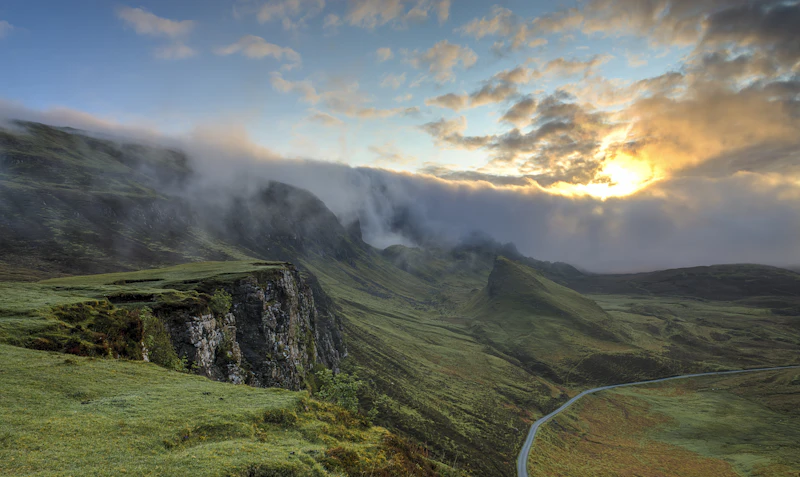
The High-Altitude Renaissance: An Introduction to Manali 2026
As we step into 2026, Manali has transcended its reputation as a mere pitstop for backpackers and honeymooners. It has evolved into a sophisticated high-altitude hub that harmonizes the raw, untamed spirit of the Himalayas with the burgeoning demands of modern, conscious travel. Situated at the northern end of the Kullu Valley, Manali serves as the gateway to the Lahaul and Spiti districts, standing as a sentinel at the edge of the high-altitude desert. The air here is sharper, the pine forests denser, and the cultural tapestry more intricate than ever before. In this three-part definitive guide, we explore how Manali has navigated the pressures of mass tourism to emerge as a sanctuary for those seeking both adrenaline-fueled adventure and profound stillness.
The transformation over the last few years has been palpable. Where once there were simple wooden tea stalls, there are now eco-conscious boutique stays utilizing traditional Kath-Kuni architecture. The town is no longer just a destination; it is a living, breathing ecosystem where local Himachali traditions are being reclaimed by a new generation of entrepreneurs. Whether you are arriving via the newly expanded Atal Tunnel or navigating the winding hairpin bends of the old highway, the anticipation of reaching this altitude—hovering around 2,050 meters—remains a visceral, transformative experience. This guide is designed to help you navigate the nuances of the region, ensuring your 2026 visit is marked by discovery rather than the typical tourist exhaustion.
Historical Echoes: From Trade Routes to Modern Tourism
To understand Manali, one must look back at its origins as a vital artery in the ancient Trans-Himalayan trade network. Long before it became a magnet for tourists, the region was an essential transit point for merchants traversing the treacherous passes into Ladakh and Central Asia. The town derives its name from the sage Manu, who is said to have stepped off his ark in this very valley to recreate human life following a great flood. This mythic lineage is woven into the geography; the ancient Hadimba Devi Temple, built in 1553, stands as a testament to the region’s distinct architectural heritage, characterized by its pagoda-style roof and intricate wood carvings that have survived centuries of seismic activity and harsh winters.
In the mid-20th century, Manali underwent a radical shift. Once the colonial summer retreat for British officers seeking respite from the sweltering plains, it slowly transitioned into a counter-culture enclave in the 1970s and 80s. "Old Manali" became the epicenter of this shift, attracting travelers who sought to disappear into the cedar forests. By the turn of the millennium, infrastructure projects like the Rohtang Pass tunnel (now the Atal Tunnel) revolutionized the region, effectively turning what was once a seasonal outpost into a year-round destination. Today, the historical narrative of Manali is defined by this tension: the preservation of ancient temple traditions alongside the rapid proliferation of high-speed connectivity and luxury hospitality. Understanding this history is crucial; it allows you to see the town not as a modern construction, but as a layered landscape where the past is always just beneath the surface of the present.
Section 1: Navigating the Geographic Divide (Old vs. New Manali)
The most critical decision you will make in Manali is choosing your base of operations. The town is geographically and culturally bifurcated by the Manalsu River, which creates a distinct divide between the bustling, commercial New Manali and the bohemian, relaxed enclave of Old Manali.
- New Manali (The Hub): This area is the nerve center of the town, centered around the Mall Road. It is home to the primary bus station, major banks, government offices, and high-end hotel chains. If you prioritize accessibility, proximity to transit, and a wide array of dining options, this is your territory. However, expect significant traffic during peak seasons and a more conventional urban feel.
- Old Manali (The Soul): Perched on the hill across the river, Old Manali retains an authentic charm. The streets are narrower, flanked by apple orchards, traditional Himachali houses, and cafes that seem to hang off the cliffside. In 2026, this area has seen a surge in digital nomad infrastructure, with high-speed fiber internet and co-working spaces integrated into heritage-style stays.
- The Periphery (Vashisht and beyond): For those seeking a deeper connection with nature, the village of Vashisht, famous for its natural hot sulphur springs, offers a more spiritual, slow-paced atmosphere. Further out, areas like Nasogi and Goshal are ideal for travelers who want to avoid the crowds entirely and prefer the silence of the forest.
Budgeting for your stay varies wildly. A standard room in New Manali might cost between 2,500 to 5,000 INR per night, whereas a premium boutique experience in Old Manali or the surrounding villages can range from 8,000 to 20,000 INR. Always factor in the cost of local transport, as taxis are the primary mode of movement; daily taxi fares can add up to 2,000-3,000 INR if you plan on exploring nearby waterfalls or hiking trails.
Section 2: The Gastronomic Evolution of the Valley
The culinary scene in Manali has undergone a renaissance. In 2026, it is no longer sufficient to serve generic 'tourist food.' The local palate has evolved to favor farm-to-table practices, highlighting the unique produce of the Kullu Valley. You will find that the best meals are often tucked away in small, unassuming kitchens that prioritize local ingredients like red rice, lingri (fiddlehead ferns), and fresh trout from the Beas River.
Do not miss the opportunity to try 'Siddu,' a traditional steamed bun stuffed with poppy seeds or walnuts, often served with a side of clarified butter (ghee). This is the quintessential sustenance of the mountains. In Old Manali, there is a burgeoning scene of fusion cafes that pair these traditional ingredients with global techniques—think trout tacos or sourdough pizzas baked in wood-fired ovens using locally sourced apples. Hyper-local tip: Visit the Manali market early in the morning, around 7:00 AM, to witness the arrival of fresh produce from the valley farmers. Engaging with these local sellers is not just a way to get the best ingredients; it is a gateway to understanding the seasonal rhythm of the region.
Expect to spend roughly 1,500 INR per person for a high-quality dining experience at one of the newer, acclaimed cafes, while local dhaba-style meals remain incredibly affordable at 300-500 INR. The shift in 2026 is toward sustainability; many restaurants now ban single-use plastics and emphasize composting, so supporting these establishments is a simple way to practice responsible tourism.
Section 3: Essential Logistics and Altitude Acclimatization
The allure of Manali often blinds travelers to the physical reality of high-altitude travel. Arriving at 2,050 meters means that the oxygen levels are lower than what your body is likely accustomed to. The most common mistake visitors make is attempting strenuous treks or high-altitude passes within the first 24 hours of arrival. Acute Mountain Sickness (AMS) is a genuine risk here, particularly if you are heading further into the Lahaul or Spiti valleys.
- Hydration: Drink at least 3-4 liters of water daily. Dehydration exacerbates the symptoms of altitude sickness.
- Pacing: Dedicate your first two days to light walking and acclimatization. Stick to the lower altitudes around the town before venturing to Rohtang or the Solang Valley.
- Packing Essentials: Even in summer, the temperatures drop significantly after sunset. Layering is not a fashion choice; it is a necessity. Invest in a high-quality windbreaker and thermal base layers. By 2026, the weather patterns have become increasingly erratic; always carry a compact, waterproof shell, regardless of the forecast.
- Connectivity: While 5G is available in the main town, it becomes spotty once you head into the higher passes. Download offline maps and ensure your travel documents are stored in both digital and physical formats.
Transportation in 2026 has become more efficient. The electric bus network has expanded significantly, reducing the carbon footprint of tourists moving between the town and surrounding villages. For the independent traveler, renting a local bike or scooter is a popular option, but be warned: the road conditions in the Himalayas are unforgiving. Unless you are an experienced rider comfortable with steep gradients and unpredictable traffic, stick to the local taxi unions, which provide standardized rates for all major routes. This not only ensures your safety but also directly contributes to the local economy, keeping the community's support for tourism strong.
Navigating the Manali Culinary Landscape: From Riverside Cafes to Mountain Dhaba Traditions
The culinary evolution of Manali has transformed significantly heading into 2026. While the Mall Road once dictated the dining scene, the current trend favors decentralized, immersive experiences that bridge the gap between traditional Himachali heritage and global gastronomy. To truly understand the flavor profile of the Kullu Valley, one must venture beyond the tourist-centric eateries and engage with the hyper-local ingredients that define high-altitude sustenance.
Traditional Himachali cuisine, locally known as Dham, is centered around slow-cooked legumes, fermented grains, and a complex interplay of yogurt-based gravies. For the budget-conscious traveler, local dhabas in Old Manali and Vashisht offer a quintessential experience. A standard meal consisting of Siddu (a steamed bun stuffed with poppy seeds or walnuts), Madra (chickpea gravy), and red rice will typically cost between INR 250 and INR 400. In contrast, the high-end boutique cafes in the Naggar area, which specialize in fusion cuisine—think avocado toast with a Himalayan twist or wood-fired pizzas topped with locally foraged mushrooms—can range from INR 1,200 to INR 2,500 per person.
For those seeking authenticity, the hyper-local secret is to visit the village markets during the early morning hours, particularly in Aleo or Shuru. Here, you will find mountain honey, sea buckthorn tea, and fresh apricots. Incorporating these into your diet not only supports the local economy but also assists in acclimatization due to their high antioxidant content.
Comparison Table: Dining Tiers in Manali
| Category | Typical Cost (per meal) | Best For | Local Specialty |
|---|---|---|---|
| Mountain Dhaba | INR 200 - 450 | Authentic Siddu & Lentils | Kullu Trout Curry |
| Boutique Cafe | INR 800 - 1,500 | Remote work & Fusion | Himalayan Berry Smoothies |
| Fine Dining/Resort | INR 2,000+ | Celebrations & Wine | Slow-Roasted Lamb |
High-Altitude Logistics: Navigating Transportation and Connectivity
By 2026, the transportation infrastructure in Manali has seen a massive overhaul, primarily due to the stabilization of the Atal Tunnel. This engineering marvel has slashed travel times between Manali and Lahaul, turning what used to be a grueling day-long trek into a manageable two-hour drive. However, relying on public transport requires a nuanced understanding of local schedules, which are often dictated by weather patterns rather than printed timetables.
For the modern traveler, renting a vehicle is the most flexible option, though it comes with caveats. If you are planning to drive, ensure your rental agency provides a vehicle with high ground clearance and reliable 4x4 capabilities. The cost for a daily rental, including local taxes and insurance, fluctuates between INR 3,500 and INR 6,000 depending on the season. During peak winter months, mandatory tire chains are an additional expense that you should budget for, usually around INR 500 per day.
If you prefer to outsource the driving, local taxi unions control the pricing structure. It is imperative to consult the official union rate card displayed at the Manali Bus Stand to avoid overpaying. A private taxi for a full day of sightseeing within a 30-kilometer radius typically costs around INR 2,800. For those traveling on a shoestring budget, the HRTC (Himachal Road Transport Corporation) buses remain the backbone of the region. They are incredibly affordable, with tickets rarely exceeding INR 100 for inter-village travel, though they can be crowded and subject to unpredictable delays during the monsoon season.
The Essential Gear Guide: Preparing for the 2026 Climate
The climate in Manali has become increasingly volatile, necessitating a 'layering system' rather than relying on a single heavy garment. The gear you pack will dictate your comfort level as you transition from the humid, sun-drenched afternoons in the valley to the sub-zero temperatures once the sun dips behind the Dhauladhar ranges. A professional-grade layering system consists of three parts: a moisture-wicking base layer, an insulating mid-layer (fleece or down), and a weather-resistant shell.
Regarding footwear, leave the fashion sneakers at home. The terrain in Manali involves uneven stone paths, loose scree, and muddy trails. Invest in a pair of waterproof hiking boots with high ankle support. If you are visiting between December and March, crampons or micro-spikes are not optional; they are a safety requirement for navigating the icy streets of Old Manali. These can be rented locally for approximately INR 200 per day, but owning a lightweight set is recommended for long-term travelers.
Connectivity is another crucial logistical consideration. While major providers like Jio and Airtel have expanded 5G coverage throughout the main town, cellular service becomes intermittent once you ascend into the higher reaches of the Solang Valley or toward the Rohtang Pass. It is highly recommended to carry a physical map or download offline versions of GPS applications. Furthermore, power outages, while less frequent than in previous decades, can still occur during heavy snowfall. Carrying a high-capacity power bank (at least 20,000 mAh) is a non-negotiable item for any serious photographer or digital nomad operating in the region.
Budgeting for gear is often overlooked. Expect to spend between INR 10,000 and INR 25,000 on a high-quality kit if you are starting from scratch. However, the resale market in Manali for high-end trekking gear is robust; if you find yourself over-packed, many local shops in the Vashisht village area offer consignment options for gently used equipment, allowing you to recoup a portion of your investment before departing.
Ultimately, the key to a successful 2026 visit to Manali lies in your ability to adapt. Whether you are navigating the nuances of a local bus schedule or choosing the right thermal layer for a sunrise trek, the experience is rewarded by the unparalleled access to one of the most biodiverse and culturally rich regions in the Himalayas. Preparation is the bridge between a chaotic trip and a transformative journey.
Beyond the Tourist Trail: Advanced Exploration of the Upper Beas Valley
While the standard itinerary for Manali often centers on the Mall Road and the Solang Valley, the seasoned traveler in 2026 knows that the true essence of Himachal Pradesh lies in the transition zones where the pine forests give way to alpine meadows. To truly experience the majesty of the high-altitude landscape, one must venture into the Tirthan Valley or the lesser-known hamlets tucked away in the upper reaches of the Beas River basin. These areas require a higher degree of physical preparation and a respectful understanding of local ecological sensitivities.
For those interested in deep-woods trekking, the route toward Hampta Pass remains a quintessential experience, but with the evolving climate patterns of 2026, it is highly recommended to engage a certified local mountain guide. These professionals are not merely navigators; they are cultural custodians who can explain the intricacies of the indigenous Bhotiya traditions and the sustainable agricultural practices that define village life above 2,500 meters. The cost for a high-altitude guided expedition typically ranges between 3,500 and 5,000 INR per day, which covers professional-grade equipment, permit facilitation, and nutritious, locally sourced meal plans. It is imperative to remember that the high-altitude environment is unforgiving; therefore, acclimatization protocols—such as spending at least two nights in Manali before ascending further—should be strictly adhered to.
Furthermore, the shift toward sustainable "slow travel" has transformed how visitors interact with the local economy. Instead of relying on mass-market tour operators, consider staying in community-run homestays in villages like Naggar or Jana. These establishments provide a direct economic infusion into the rural economy while offering an authentic look at the traditional Kath-Kuni architecture, a unique technique that uses interlocking wood and stone without the use of nails. Spending a week in these quieter pockets allows for a deeper appreciation of the seasonal rhythms—the harvest of red apples in autumn, the blooming of rhododendrons in spring, and the meditative silence that blankets the valley during the peak of the winter snowfall.
Logistics, Ethics, and the Future of Mountain Tourism
As Manali continues to navigate the challenges of rapid urbanization and the influx of climate-conscious travelers, the responsibility of the visitor has never been greater. By 2026, the local administration has implemented stricter waste management protocols. Visitors are expected to carry out all non-biodegradable waste, a policy that is strictly enforced at trailheads and remote campsites. Utilizing a reusable water filtration system is no longer just a recommendation; it is an essential piece of gear to minimize the environmental footprint of single-use plastics in a fragile ecosystem where waste disposal is logistically complex.
Transportation within the region has also seen a pivot toward electrification. Electric buses now connect the major transit hubs, though the steep gradients of the Himalayas still necessitate robust, high-torque vehicles for private transfers. When booking transport, prioritize companies that utilize low-emission fleets. Additionally, the digital infrastructure in Manali has improved drastically, making it a viable hub for digital nomads. However, ensure that your accommodation provides a dedicated high-speed fiber connection, as the mountainous terrain can still cause latency issues for those relying solely on mobile data roaming. Budgeting for your trip requires careful consideration of these premium services; while local food remains affordable, high-speed connectivity and reliable private transport can add significantly to your daily expenditure, often pushing the budget to upwards of 8,000 INR per day for a comfortable, modern experience.
Frequently Asked Questions: Navigating Manali in 2026
What are the specific entry requirements for restricted areas around the Rohtang Pass?
As of 2026, the Rohtang Pass is subject to strict environmental zoning. You must secure a digital permit through the official Himachal tourism portal at least 48 hours in advance. Vehicle quotas are enforced daily to manage carbon emissions, so booking your permit early is critical. If you are traveling via a commercial tour, ensure they have verified their permit status, as fines for unauthorized entry are substantial.
How has the climate changed, and what gear should I pack for the current weather patterns?
The weather in 2026 is increasingly unpredictable. While summers remain pleasant, sudden, intense monsoon-like bursts can occur during shoulder seasons. Pack a high-quality, breathable shell jacket, thermal base layers regardless of the season, and sturdy, broken-in waterproof hiking boots. Sun protection is more vital than ever due to the thinning ozone at altitude; carry high-SPF sunscreen and polarized sunglasses to combat glare from snowfields.
What is the best way to support the local economy ethically?
The most effective way to contribute is to purchase handicrafts directly from local artisans in the village cooperatives rather than mass-produced souvenirs in the Mall Road shops. Eat at family-run cafes that serve regional specialties like Siddu or Thukpa, and tip your mountain guides and homestay hosts directly in cash. This ensures the capital remains within the immediate community.
Is Manali suitable for remote work and long-term stays?
Yes, but with caveats. Manali has become a hub for remote professionals. However, the mountainous landscape means that infrastructure can occasionally be disrupted by landslides or severe weather. Look for "Work-from-Himachal" certified homestays, which guarantee power backups and reliable internet. It is recommended to have a secondary satellite data backup if your work is time-sensitive.
Conclusion: The Eternal Call of the Himalayas
Manali remains a paradox—a place that simultaneously demands your surrender to its slow, ancient rhythms and tests your endurance with its formidable peaks. As we look toward the future of travel in 2026, the allure of this high-altitude haven is not found in the luxury of its hotels or the convenience of its modern amenities, but in the silence of a high-alpine morning and the enduring spirit of the mountain communities. Whether you are seeking the adrenaline of a technical climb or the quiet introspection of a forest retreat, Manali offers a unique clarity that is increasingly rare in our connected world.
By choosing to travel with intention, respecting the delicate ecological balance, and engaging deeply with the local culture, you are not merely a visitor passing through—you become part of the ongoing story of the Beas Valley. The Himalayas are not just a destination; they are a transformative experience that lingers long after your departure. Pack your bags with a sense of purpose, tread lightly upon the earth, and allow the majesty of these mountains to redefine your perspective on the world. Manali is waiting, not for those who want to conquer it, but for those who are ready to understand it.
Editorial Methodology & Trust
Last Updated: July 2, 2026
Every Shaivio guide is created through editorial research using publicly available information from official tourism authorities, transportation providers, government resources, and other reliable references where applicable. Our editors review and update content regularly to improve accuracy and usefulness. Shaivio does not accept paid placements or sponsored rankings in editorial content. Because travel information can change, we recommend verifying critical details with the relevant official source before traveling.