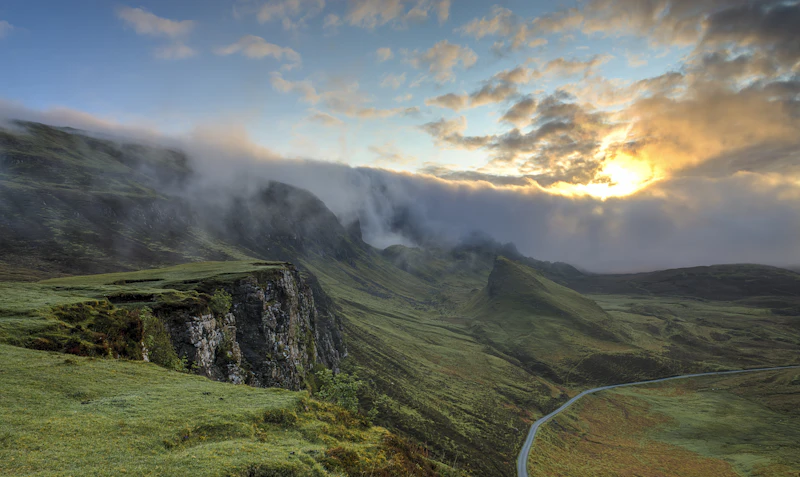
The Awakening of the Volcano: An Introduction to Mount Batur
There is a specific, profound silence that exists only at four thousand feet above sea level, just moments before the sun breaches the horizon. In Bali, this silence is not empty; it is charged with the anticipation of thousands of years of volcanic history. Mount Batur, or Gunung Batur, serves as the spiritual heart of the Kintamani region, rising majestically as an active stratovolcano that defines the island’s jagged skyline. For the modern traveler, a sunrise trek to the summit is not merely a physical challenge; it is a pilgrimage into the clouds, a test of endurance, and an opportunity to witness the ethereal transformation of the Balinese landscape from ink-black darkness to a vibrant, golden panorama.
The trek typically begins long before the world stirs, usually around 2:00 AM or 3:00 AM. As you navigate the winding, mist-laden roads from Ubud or Sanur, the air grows thin and crisp, a stark contrast to the humid tropical sprawl of the coast. Arriving at the base in Pura Jati or Toya Bungkah, the atmosphere is electric. Guides congregate near the trailheads, their headlamps flickering like fireflies in the darkness. As you begin the ascent, the crunch of volcanic scree beneath your boots serves as a rhythmic reminder of the geological forces at play beneath your feet. This is not just a hike; it is an immersion into the visceral, raw reality of Indonesia’s Ring of Fire.
Geological and Spiritual Foundations: The History of the Peak
To understand Mount Batur, one must look beneath the surface. Geologically, Batur is a caldera within a caldera—a complex volcanic system that has been shaping the topography of Bali for millennia. The original volcano, believed to have stood taller than the current 1,717-meter peak, collapsed during a catastrophic eruption approximately 29,300 years ago, forming the outer caldera. Subsequent eruptions have repeatedly reshaped the inner landscape, creating the striking crescent-shaped Lake Batur, which sits cradled in the volcanic basin. The most recent significant eruptions occurred in the 20th century, specifically between 1963 and 1974, which left vast, desolate plains of hardened black lava that are still visible today.
Spiritually, the mountain is revered as a sacred site. In Balinese Hinduism, mountains are considered the abode of the gods and the ancestors. Mount Batur, in particular, is associated with Dewi Danu, the goddess of the lake, who is believed to reside in the depths of the caldera. Pilgrims and locals alike regard the peak with deep reverence, often leaving offerings at the small shrines scattered along the trekking routes. When trekking, it is essential to maintain a respectful demeanor; you are essentially walking through a temple complex that stretches across the clouds. This interplay between the destructive power of the volcano and the life-giving water of the lake creates a unique duality that permeates every aspect of the local Kintamani culture.
Section 1: Navigating Logistics and Choosing Your Trekking Style
The logistics of the Mount Batur sunrise trek require precision. Because the mountain is located in a remote region of the Bangli Regency, transport is your first hurdle. Most travelers opt for a guided tour, which includes private hotel pickup. These packages generally range from IDR 400,000 to IDR 800,000 per person, depending on whether you choose a group tour or a private trekking experience. If you are a solo traveler or a couple seeking intimacy, the private option is highly recommended, as it allows you to set your own pace and avoid the bottleneck of large tour groups at the summit.
- Private vs. Group Tours: Group tours are cost-effective but often result in a crowded summit experience. Private tours offer a more personalized guide who can explain the flora and fauna of the trek in greater detail.
- The Toya Bungkah Route: This is the most popular path. It is relatively accessible, well-marked, and takes roughly two hours to reach the summit. It is the best choice for those with moderate fitness levels.
- The Pura Jati Route: Often considered the path less traveled, this route starts from a different side of the mountain and is generally quieter. It is steeper and requires a slightly higher degree of physical exertion.
- The Caldera Rim Hike: For those who have already conquered the summit, some guides offer a trek along the outer rim, providing spectacular views of the inner crater without the intense vertical climb.
Section 2: Mastering the Ascent: Physical Preparation and Gear
The ascent of Mount Batur is classified as a moderate hike, but the combination of darkness, steep terrain, and altitude can catch the unprepared off guard. The trail begins with a gradual incline through vegetable gardens before transitioning into loose volcanic soil and jagged rock. The most common mistake hikers make is wearing improper footwear. While local guides often ascend in simple sandals, it is strongly advised for visitors to wear sturdy hiking boots with aggressive tread. The loose scree can be treacherous on the descent, and ankle support is vital for preventing injury.
Regarding gear, the 'layering system' is your greatest ally. At the base, you will be warm and perhaps sweating, but the temperature at the summit can drop to 10-15 degrees Celsius. A lightweight, windproof jacket is essential. You should also bring a high-quality headlamp—do not rely solely on the one provided by your tour company, as batteries can fail in the cold. Additionally, carry a backpack with at least 1.5 liters of water. While some guides provide breakfast, having a few high-energy snacks like dried mango, nuts, or energy bars will ensure you maintain your blood sugar levels throughout the climb.
Section 3: The Summit Experience and the Descent
Reaching the summit is a surreal experience. As the first light hits the horizon, the sky shifts from indigo to a bruised purple, then to brilliant streaks of orange and gold. Looking eastward, you can see the distant silhouette of Mount Agung, Bali’s highest and most sacred peak, often framed by a sea of clouds. To the west, the sprawling Lake Batur mirrors the morning light. It is at this moment that the effort of the 2:00 AM wake-up call feels entirely justified.
Once the sun has fully risen, most guides will take you on a short walk around the crater rim, where you can see steam vents—fumaroles—emitting sulfurous clouds from the still-active volcanic system. Some guides may even use the heat from these vents to boil eggs for your breakfast. The descent is often more challenging than the ascent due to the strain on the knees and the slipperiness of the loose gravel. It is recommended to use trekking poles, which can often be rented at the base. As you descend, the landscape reveals the lush coffee plantations and terraced vegetable farms of Kintamani, offering a stark reminder of the fertile, volcanic soil that supports the agricultural life of this highland region.
The Logistics of the Ascent: Choosing Your Path and Timing
The journey to the summit of Mount Batur is not merely a physical endeavor; it is a meticulously choreographed operation involving local cooperatives, transport logistics, and the vagaries of tropical weather. To truly experience the majesty of the Kintamani region, one must understand that there is no single "correct" way to climb the mountain. Instead, your experience is defined by the route you select and the level of service you commission.
Most travelers choose the standard Pura Pasar Agung trail, which is the most accessible route for those with moderate fitness levels. However, for the seasoned trekker looking to escape the throngs of tourists, the Toya Bungkah route offers a more rugged, forested experience. If you are starting from Ubud, expect a 2:00 AM pickup time. This is not a suggestion; it is a necessity. The drive from central Ubud to the base of the mountain takes approximately 90 minutes to two hours, depending on the speed of your driver and the condition of the winding mountain roads. We highly recommend booking a private driver rather than a shared shuttle if you suffer from motion sickness, as the hairpin turns leading into the Kintamani caldera can be unforgiving in the pitch black of night.
When selecting your tour, it is imperative to clarify whether you are booking a group or private trek. A group trek may involve a van with 10 to 12 other travelers, which can significantly delay your start time if other passengers are late to their pickups. A private trek provides the flexibility to adjust your pace according to your own cardiovascular capacity—a luxury that becomes apparent once the incline steepens during the final push toward the crater rim.
Financial Breakdown: What You Are Really Paying For
The cost of a Mount Batur trek can vary wildly, ranging from 300,000 IDR for a budget group tour to over 1,500,000 IDR for a luxury experience that includes breakfast cooked over volcanic steam and private transport. It is essential to understand that the "Guide Fee" is regulated by the local guide association, but the markup provided by agencies covers transportation, equipment, and insurance.
| Service Tier | Estimated Cost (USD) | Inclusions |
|---|---|---|
| Budget Group Trek | $5 - $35 | Shared transport, guide, basic breakfast, water. |
| Standard Private | $50 - $70 | Private transport, dedicated guide, hotel pickup/drop-off. |
| Luxury VIP Experience | $00+ | Private SUV, premium breakfast, professional photographer, hot spring entry. |
When budgeting, do not forget the "hidden" costs. While most tour packages claim to be all-inclusive, you will often find that entrance fees to the Kintamani region are sometimes excluded from the advertised price. As of the current fiscal year, the government entrance fee is approximately 100,000 IDR per person. Furthermore, if you are planning to visit the natural hot springs at the base of the mountain after your descent—a highly recommended activity to soothe sore muscles—ensure this is pre-booked as an add-on, as walk-in rates can be significantly higher.
Pro tip: Tipping is not mandatory in Indonesia, but it is deeply appreciated in the tourism sector. A standard tip for a hardworking trekking guide, who often navigates these paths in flip-flops while carrying your breakfast, is roughly 100,000 to 150,000 IDR per group. This small gesture goes a long way in supporting the local economy of the Kintamani villages.
Essential Gear and Hyper-Local Preparation
The most common mistake novice trekkers make is underestimating the temperature fluctuation. While the coast of Bali is humid and sweltering, the summit of Mount Batur sits at 1,717 meters above sea level. In the pre-dawn hours, temperatures can drop to 12 degrees Celsius (54 degrees Fahrenheit). Coupled with the wind chill at the crater rim, you will find yourself shivering if you are only wearing a light t-shirt.
Your packing list should be structured around the concept of layering. Start with a moisture-wicking base layer, add a fleece mid-layer, and finish with a lightweight windbreaker. Avoid heavy cotton hoodies, as they trap sweat and will make you feel chilled once you stop moving at the summit. Furthermore, footwear is non-negotiable. While you will see locals navigating the scree in casual footwear, we strongly advise wearing trail running shoes or light hiking boots with aggressive tread. The volcanic ash is loose and slippery, particularly on the descent, where the risk of twisting an ankle is highest.
- Headlamp: While guides provide them, having your own high-lumen LED headlamp ensures you have a reliable light source that fits your head comfortably.
- Hydration: Bring at least 1.5 liters of water. The dry air and elevation increase your fluid loss, and dehydration is the primary cause of altitude-related fatigue during the climb.
- Energy Snacks: While breakfast is provided, it usually consists of a banana sandwich and a boiled egg. Bring high-density snacks like trail mix, dark chocolate, or electrolyte gels to keep your blood sugar stable during the initial 90-minute ascent.
- Cash: Keep 200,000 IDR in small denominations in a waterproof bag. You may want to purchase a hot coffee or tea from the vendors at the summit, and they rarely carry change for large bills.
Finally, consider your physical preparation. While this is not an alpinist-level climb, it is a steep hike on uneven volcanic terrain. If you have not exercised in several months, spend two weeks prior to your trip engaging in stair-climbing or incline walking on a treadmill. The trail is approximately 3 kilometers long with an elevation gain of nearly 700 meters. This is a sustained, steep climb that will test your quadriceps and lungs. By preparing your body and your gear, you transform a grueling slog into a manageable, exhilarating adventure that serves as the highlight of your Balinese holiday.
Post-Trek Recovery and Cultural Immersion in Kintamani
Descending from the volcanic rim of Mount Batur is a physical challenge that necessitates a thoughtful recovery strategy. After navigating the loose volcanic scree and the steep, dusty trails, your leg muscles will likely be fatigued and your body dehydrated. Most trekkers return to the base camp by 9:00 AM, which leaves the entire day open for rejuvenation in the Kintamani region. Rather than immediately rushing back to the humid lowlands of Ubud or Seminyak, consider extending your stay in the highlands to take advantage of the natural thermal springs.
The Batur Natural Hot Springs, located along the shores of Lake Batur, are the quintessential post-hike remedy. These geothermal pools are fed by the volcanic activity beneath the mountain, providing mineral-rich water that is excellent for soothing sore muscles. The cost for entry is approximately 150,000 to 200,000 IDR, which typically includes a locker, a towel, and a welcome drink. Spending two to three hours here, alternating between the hot pools and the cool lake breeze, is essential for muscle recovery. It is a stark contrast to the strenuous climb, offering a meditative environment where you can reflect on the sunrise you just witnessed.
Beyond the springs, Kintamani offers a unique cultural perspective of Bali that differs significantly from the coastal tourist hubs. The local communities here follow the Bali Aga traditions, which are distinct from the mainstream Balinese Hindu practices. Visiting the Pura Ulun Danu Batur temple is a must. This temple is considered one of the most important in Bali, acting as the guardian of the lake and the water source for the island's vast irrigation networks. Unlike many other tourist sites, the etiquette here is strict: ensure your shoulders and knees are covered with a sarong, which can be rented at the entrance for a nominal fee. Engaging with the local vendors selling freshly picked oranges—a Kintamani specialty—provides a direct way to support the local agricultural economy, which is the lifeblood of this high-altitude region.
Advanced Logistics and Essential Trekking Tips
To ensure your trek remains a memorable success rather than a logistical nightmare, attention to detail is paramount. First, transportation is the most common point of failure for independent travelers. If you are staying in Ubud, the drive to the starting point of the trek (usually Pura Pasar Agung or Toya Bungkah) takes about 60 to 90 minutes. I strongly recommend booking a private driver for the night rather than relying on ride-hailing apps like Grab or Gojek. These platforms often face resistance in Kintamani due to local transport unions, and finding a ride back at 8:00 AM can be unpredictable. A private driver will wait for you at the trailhead, ensuring you have a secure place to store your extra luggage.
Regarding gear, do not underestimate the temperature drop at the summit. While the base of the mountain is tropical, the summit reaches temperatures as low as 10 to 12 degrees Celsius (50 to 54 degrees Fahrenheit). Layering is your best defense. Start with a moisture-wicking base layer, add a fleece or wool mid-layer, and carry a lightweight windbreaker. Wind chill at the top can be brutal, especially when you are stationary waiting for the sun to breach the horizon. Furthermore, footwear is critical. Many travelers arrive in standard sneakers, but the volcanic ash is slippery and abrasive. Trail runners with aggressive treads or sturdy hiking boots are highly recommended. If you do not have professional gear, ensure your shoes have excellent grip, as the descent is often more treacherous than the ascent due to the loose rocks.
Finally, hydration and nutrition management should be calculated precisely. Bring at least 1.5 liters of water. While some guides provide a simple breakfast of egg sandwiches or bananas at the summit, these are often insufficient for the caloric expenditure of the hike. Bring extra snacks such as protein bars, nuts, or dark chocolate to maintain your blood sugar levels during the climb. Remember, there are no trash facilities on the mountain. You are expected to carry out everything you carry in. Respecting the sanctity of the mountain is a core tenet of Balinese belief; leave no trace to ensure the peak remains pristine for future generations.
Frequently Asked Questions
Is it mandatory to hire a guide for Mount Batur?
Technically, local regulations strongly encourage hiring a guide, and in many sectors, it is enforced by local associations. Beyond the legal aspect, a guide is highly recommended for safety. They navigate the labyrinthine network of paths in the dark, assist with terrain hazards, and provide medical aid if necessary. The cost of a guide is relatively low compared to the value of the safety and local knowledge they provide.
What is the best time of year to trek Mount Batur?
The dry season, spanning from April to October, offers the best conditions. While you can trek during the rainy season (November to March), the trails become extremely slippery, and the sunrise is frequently obscured by heavy cloud cover or rain. If you must trek in the rainy season, prioritize a flexible schedule so you can choose a day with a favorable weather forecast.
What is the physical difficulty level of the hike?
Mount Batur is classified as a moderate hike. It is not technically demanding in terms of mountaineering skills, but it requires a reasonable level of cardiovascular fitness. The elevation gain is approximately 700 meters over a relatively short distance, resulting in a steep incline. If you can climb a few flights of stairs without needing to stop, you should be physically prepared for this ascent.
Can children or seniors participate in the trek?
Yes, many families and active seniors complete the trek successfully. However, it is essential to be realistic about fitness levels. If a member of your party has knee issues, the descent may be painful due to the steepness and loose scree. I recommend bringing trekking poles to provide extra stability and reduce the impact on your joints.
Are there toilets available on the mountain?
There are no permanent toilet facilities once you begin the ascent. You must use the facilities at the base camp before starting your trek. While there are some makeshift bushes, please be mindful of the environment and practice Leave No Trace principles.
The Final Ascent: A Reflection on the Journey
The experience of standing atop Mount Batur as the first rays of light paint the Balinese landscape in hues of gold, violet, and orange is more than just a photographic opportunity; it is a profound connection to the earth's raw power. You are standing on the edge of an active caldera, a reminder of the volatile beauty that defines the Indonesian archipelago. The trek challenges your physical limits, tests your patience, and ultimately rewards you with a perspective that cannot be found from the comfort of a resort pool.
As you descend, watching the clouds dissipate to reveal the sparkling expanse of Lake Batur below, you will realize that the value of this adventure lies in the transition. You transition from the darkness of the pre-dawn silence to the vibrant, waking life of the highlands. You move from the solitude of the climb to the shared camaraderie of fellow trekkers at the summit. By the time you reach the base and dip your tired feet into the restorative geothermal waters, you will understand why Mount Batur remains the crown jewel of Balinese trekking. It is not merely a mountain to be climbed, but a landscape to be felt, respected, and remembered long after you have returned home.
Editorial Methodology & Trust
Last Updated: July 2, 2026
Every Shaivio guide is created through editorial research using publicly available information from official tourism authorities, transportation providers, government resources, and other reliable references where applicable. Our editors review and update content regularly to improve accuracy and usefulness. Shaivio does not accept paid placements or sponsored rankings in editorial content. Because travel information can change, we recommend verifying critical details with the relevant official source before traveling.