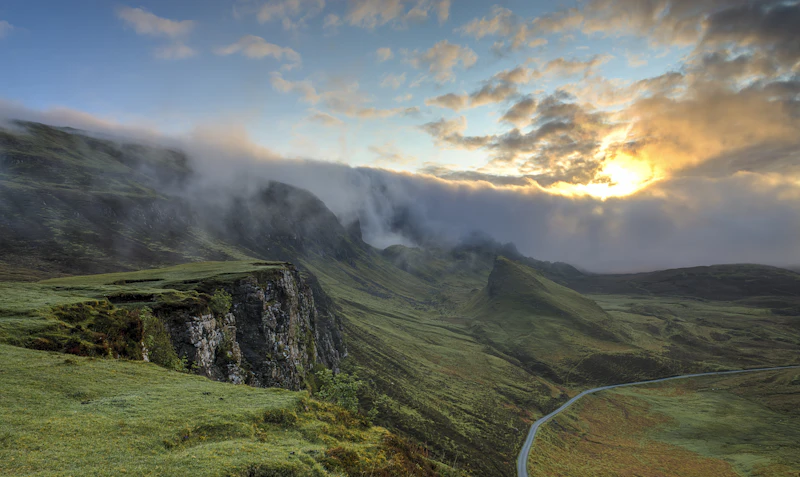
Myth vs. Reality: Campervanning in New Zealand
The dream of driving a campervan through New Zealand is often painted as an unregulated, bohemian adventure where you can pull over and sleep wherever your heart desires. However, the reality is governed by strict local bylaws, environmental protection acts, and safety standards designed to preserve the country's delicate ecosystems.
| Myth | Reality |
|---|---|
| "I can park and sleep anywhere I want." | Freedom camping is highly regulated. Under the Self-Containment Freedom Camping Act, you must camp in designated areas, and your vehicle must meet strict self-containment standards (NZS 5465:2001). Fines for illegal camping start at NZD $400. |
| "A campervan is cheaper than renting a car and staying in hotels." | While you save on accommodation, campervan rentals during peak season (December to February) can cost upwards of NZD $300–$500 per day, plus high fuel consumption and campground fees. It is often a lifestyle choice rather than a budget-saving trick. See our New Zealand budget guide for a complete breakdown. |
| "Driving in New Zealand is straightforward because there is little traffic." | New Zealand roads are narrow, winding, often unsealed, and highly undulating. Travel times are almost always longer than GPS estimates suggest. Driving a heavy campervan requires constant focus and yields slower average speeds. |
Quick Answer: Is This Itinerary Right For You?
Choose a Campervan Trip if:
✓ You crave ultimate schedule flexibility.
✓ You want to wake up surrounded by pristine nature (such as Department of Conservation campsites).
✓ You enjoy slow travel and cooking your own meals in remote, scenic locations.
✓ You are comfortable driving large, heavy vehicles on narrow roads.
Choose a Car & Hotel Trip if:
✓ You prefer premium comfort, private hot showers, and dining out every night.
✓ You get anxious driving large vehicles on steep, winding mountain passes.
✓ You are traveling on a tight timeline and want to move quickly between destinations.
Best For: Nature Lovers, Outdoor Enthusiasts, Couples, and Families seeking an immersive outdoor lifestyle.
Comparing the Styles: Campervan vs. Car & Hotel
To help you decide on the best travel format for your journey, we have evaluated the two primary travel styles across 15 key categories based on average traveler feedback and local cost structures.
| Category | Campervan | Car & Hotel | Winner |
|---|---|---|---|
| Accommodation | Highly flexible; sleep in national parks at DOC sites. | Comfortable, heated rooms; requires booking months in advance. | Tie (depends on comfort preference) |
| Food | Self-catering in van kitchen; saves money. | Dining at local restaurants and cafes. | Campervan (for budget) |
| Nightlife | Quiet nights under the stars in remote locations. | Easy access to urban bars and pubs in Queenstown/Christchurch. | Car & Hotel |
| Public Transport | Not required; your vehicle is your transport. | Not required; rental car provides point-to-point transit. | Tie |
| Visa | Subject to standard NZeTA entry requirements. | Subject to standard NZeTA entry requirements. | Tie |
| Weather | Can be cold, damp, or noisy during heavy rain and wind. | Warm, dry, and insulated regardless of outside conditions. | Car & Hotel |
| Walkability | Park at trailheads; wake up directly at the start of hikes. | Must drive from accommodation to trailheads. | Campervan |
| Internet | Relies on cellular data or campsite Wi-Fi (often weak/limited). | Reliable high-speed hotel Wi-Fi. | Car & Hotel |
| Safety | Safe, but requires securing gear and choosing legal campsites. | Secure rooms with safes; minimal vehicle break-in risk. | Car & Hotel |
| Remote Work | Challenging due to power limits and variable signal strength. | Excellent; dedicated desks and stable connections. | Car & Hotel |
| Language | English is the primary language across all service sectors. | English is the primary language across all service sectors. | Tie |
| Family | Fun, cozy adventure; limited personal space for kids. | Spacious family suites, swimming pools, and amenities. | Car & Hotel |
| Senior Travelers | Physically demanding (climbing into beds, emptying waste). | High comfort, accessible facilities, and minimal heavy lifting. | Car & Hotel |
| Solo Travelers | Great for meeting people at communal holiday park kitchens. | Can feel isolating; hostels or hotels offer less community. | Campervan |
| Couples | Intimate, romantic, and adventurous. | Premium comfort, private dining, and spa options. | Tie |
The 14-Day South Island Classic Loop Itinerary
This 14-day route begins and ends in Christchurch, taking you through the dramatic Southern Alps, the wild West Coast, the adventure capital of Queenstown, and the majestic fiords of Milford Sound. For safety, ensure you read our campervan driving tips before setting off.
Day 1: Christchurch to Lake Tekapo
Driving Distance: 226 km (approx. 3 hours) | Route: State Highway 1 to State Highway 79, then State Highway 8.
After picking up your vehicle from your rental depot near Christchurch International Airport, head south across the flat Canterbury Plains. Stop in the artisan town of Geraldine for lunch and to stock up on groceries at the local supermarket. Continue through the rolling Burke's Pass to emerge into the Mackenzie Basin, where the striking, turquoise-blue waters of Lake Tekapo await.
Campsite Recommendation: Lake Tekapo Motels & Holiday Park (powered sites overlooking the lake, offering excellent facilities and power connections to charge your house batteries).
Local Tip: The Church of the Good Shepherd is exceptionally busy during sunset. Visit early the next morning for a quieter experience.
Day 2: Lake Tekapo to Aoraki / Mount Cook National Park
Driving Distance: 105 km (approx. 1 hour 15 mins) | Route: State Highway 8 to State Highway 80.
Drive along the edge of Lake Pukaki on State Highway 80. This road is widely considered one of the most scenic drives in New Zealand, with Aoraki (Mount Cook) dominating the horizon. In the afternoon, hike the Hooker Valley Track (10 km return, flat terrain, 3 hours), which crosses three swing bridges and ends at a glacial lake filled with icebergs.
Campsite Recommendation: White Horse Hill Campground (run by the Department of Conservation). This is a non-powered, basic campsite located directly at the trailhead of the Hooker Valley Track. Booking in advance via the Department of Conservation (DOC) website is mandatory.
Local Tip: There are no grocery stores in Mount Cook Village. Ensure your campervan is fully stocked with food and has a full tank of fuel before leaving Lake Tekapo or Twizel.
Day 3: Mount Cook to Wanaka via Lindis Pass
Driving Distance: 200 km (approx. 2.5 hours) | Route: State Highway 80 to State Highway 8, then State Highway 6.
Depart early to traverse the dramatic Lindis Pass (elevation 971 meters). The tussock-covered hills look otherworldly in the morning light. Descend into the Central Otago wine region before turning toward Wanaka. Spend your afternoon walking along the lakefront to spot the famous "That Wanaka Tree" or exploring the local boutique shops.
Campsite Recommendation: Glendhu Bay Motor Camp. Located 10 minutes outside the town center, it offers absolute lakefront powered sites with uninterrupted views of the Southern Alps.
Day 4: Wanaka Exploration Day
Driving Distance: Minimal (under 20 km).
Dedicate today to exploring Wanaka's world-class trails. For experienced hikers seeking a challenge, the steep Roys Peak Track (16 km return, 1,578m elevation, 5-6 hours) offers iconic panoramic views. Alternatively, Isthmus Peak offers a similarly challenging climb with fewer crowds and views of both Lake Wanaka and Lake Hawea. Read our comprehensive Mount Cook and Southern Alps hiking guide for packing lists and seasonal safety advice.
Local Tip: The Roys Peak parking lot fills up by 7:30 AM during summer. Consider taking a local shuttle or choosing Isthmus Peak as a quieter alternative.
Day 5: Wanaka to Queenstown via the Crown Range Road
Driving Distance: 70 km (approx. 1 hour 15 mins) | Route: Cardrona Valley Road / Crown Range Road.
The Crown Range Road is the highest main highway in New Zealand, reaching an elevation of 1,121 meters. It features steep switchbacks and tight curves. If you are driving a large, heavy motorhome (over 7.5 meters), it is highly recommended to take the alternative route via State Highway 6 through the Kawarau Gorge, which is flatter and easier to navigate.
Stop at the historic Cardrona Hotel for a coffee or lunch before descending into the Wakatipu Basin. Arrive in Queenstown and ride the Skyline Gondola for views of the Remarkables mountain range.
Campsite Recommendation: Queenstown Lakeview Holiday Park (located just a 5-minute walk from the town center, making it easy to leave your van parked and explore on foot).
Day 6: Queenstown Adventure & Glenorchy Day Trip
Driving Distance: 92 km return (approx. 1.5 hours driving time) | Route: Glenorchy-Queenstown Road.
Spend your morning experiencing Queenstown's adventure activities, such as the Shotover Jet boat ride or bungy jumping. In the afternoon, drive the scenic lakeside road to Glenorchy. This winding route hugs the edge of Lake Wakatipu, offering spectacular views of Mount Aspiring National Park. For more ideas on activities, see our Queenstown adventure guide.
Local Tip: Parking in downtown Queenstown is highly restricted for campervans. Use the designated boundary parking lots on Boundary Street or near the Lake Esplanade.
Day 7: Queenstown to Te Anau
Driving Distance: 172 km (approx. 2 hours) | Route: State Highway 6 to State Highway 94.
Leave Queenstown and head south along the edge of Lake Wakatipu, passing beneath the steep cliffs of the Devil's Staircase. Turn onto State Highway 94 at Lumsden, heading west toward Te Anau, the gateway to Fiordland National Park. Spend your afternoon visiting the Te Anau Glowworm Caves or walking a section of the Kepler Track.
Campsite Recommendation: Te Anau Lakeview Kiwi Holiday Park (excellent facilities, laundry, and hot showers to prepare for your journey into the remote Fiordland region).
Day 8: Te Anau to Milford Sound & Return to Cascade Creek
Driving Distance: 120 km to Milford Sound (approx. 2.5 hours) | Route: State Highway 94 (Milford Road).
The road to Milford Sound is a world-class journey in itself. You will pass through the Eglinton Valley, Mirror Lakes, and the engineered marvel of the Homer Tunnel. Book an afternoon nature cruise to see Mitre Peak and tumbling waterfalls up close. Learn more about booking options in our Milford Sound cruise tips.
Campsite Recommendation: Cascade Creek Campground (DOC). This is the closest campsite to Milford Sound (approx. 45 minutes away) and offers a beautiful, rustic forest setting. There is no cell service or power here.
Local Tip: Sandflies in Fiordland are notoriously aggressive. Bring high-strength insect repellent containing DEET or Picaridin, and keep your campervan screens closed at all times.
Day 9: Cascade Creek to Franz Josef Glacier via Haast Pass
Driving Distance: 350 km (approx. 5 hours) | Route: State Highway 94 to State Highway 6.
This is the longest driving day of the itinerary, taking you back through Te Anau, north past Wanaka, and over the rugged Haast Pass to the wild West Coast. Stop at the Blue Pools near Makarora for a short walk through native beech forest, and admire the coastal rainforest scenery as you enter Glacier Country. Explore more of this region in our West Coast South Island itinerary.
Campsite Recommendation: Franz Josef Top 10 Holiday Park (featuring clean facilities, heated TV lounges, and powered sites set against a backdrop of lush rainforest).
Day 10: Glacier Country Exploration
Driving Distance: Minimal (under 15 km).
Spend the day exploring the dramatic glaciers. You can hike the Sentinel Rock Walk for views of the Franz Josef Glacier valley, or drive 25 minutes south to Fox Glacier to walk the Lake Matheson track (famous for its perfect mirror reflections of Mount Cook on a calm day). For an up-close experience, consider booking a heli-hike excursion, which combines a scenic helicopter flight with a guided walk on the ice.
Day 11: Franz Josef to Hokitika
Driving Distance: 134 km (approx. 1 hour 45 mins) | Route: State Highway 6.
Drive north along the narrow coastal strip between the Tasman Sea and the Southern Alps. Arrive in Hokitika, a historic gold-mining town famous for pounamu (New Zealand greenstone). In the afternoon, drive 30 km inland to visit the stunning Hokitika Gorge, where glacial meltwater filters through rock flour to create a vibrant, milky-blue pool.
Campsite Recommendation: Hokitika Holiday Park or freedom camp at designated coastal sites if your vehicle is fully certified self-contained (refer to our New Zealand freedom camping guide for local bylaws).
Day 12: Hokitika to Punakaiki (Pancake Rocks)
Driving Distance: 85 km (approx. 1 hour 15 mins) | Route: State Highway 6.
Continue north along the coast to Punakaiki in Paparoa National Park. Here, explore the famous Pancake Rocks and Blowholes, where highly layered limestone formations are eroded by the sea. Time your visit with high tide to see water forced violently through the blowholes.
Campsite Recommendation: Punakaiki Beach Camp (nestled between dramatic limestone cliffs and the wild Tasman Sea beach).
Day 13: Punakaiki to Arthur's Pass National Park
Driving Distance: 145 km (approx. 2 hours) | Route: State Highway 6 south to Greymouth, then State Highway 73 east.
Turn inland at Greymouth and begin ascending the Southern Alps via the Otira Viaduct on State Highway 73. This is an engineering masterpiece, but it features steep gradients (up to 16%) that require low-gear driving to prevent your campervan brakes from overheating. Arrive in Arthur's Pass and hike the Devils Punchbowl Walking Track (2 km, 1 hour) to view a spectacular 131-meter waterfall.
Campsite Recommendation: Jackson's Retreat Alpine Holiday Park (offering unique covered powered sites to protect campervans from the high rainfall typical of the alpine pass).
Day 14: Arthur's Pass to Christchurch
Driving Distance: 140 km (approx. 2 hours) | Route: State Highway 73.
On your final day, descend the eastern slopes of the Alps. Stop at Castle Hill (Kura Tawhiti) to walk among the massive limestone rock formations, which are sacred to local Māori. Continue through the Canterbury Plains to return to Christchurch. Return your campervan to the depot and catch your departing flight. Check out our Christchurch city guide if you have extra time to explore the city.
Essential Trip Planner & Structured Data
Pros & Cons of Campervanning
Pros: Unmatched flexibility, wake up in stunning natural locations, save money on dining out, no need to pack and unpack luggage daily.
Cons: High fuel costs, driving large vehicles on narrow winding roads can be stressful, limited space, dump station maintenance is required.
Best Time to Visit
The shoulder seasons of Autumn (March to May) and Spring (September to November) offer the best balance of pleasant weather, lower rental rates, and fewer crowds on the roads.
Estimated Budget
According to data from local rental operators, expect to spend NZD $250–$600 per day. This includes campervan hire, fuel, holiday park powered sites, groceries, and occasional activities.
Safety & Road Rules
In New Zealand, you must drive on the left side of the road. Keep left, use slow vehicle pull-over bays to let traffic pass, and do not drive when tired after long international flights.
Visa Requirements
Most international visitors must apply for a New Zealand Electronic Travel Authority (NZeTA) online before departure. Check our detailed New Zealand visa guide for step-by-step application instructions.
Other Practicalities
- Weather: Highly changeable; maritime alpine climate. Always pack layers and high-quality rain gear.
- Currency: New Zealand Dollar (NZD). Card payments are accepted almost everywhere; cash is rarely required.
- Internet: 4G/5G is common in towns, but completely absent in deep valleys, national parks, and remote coastal areas.
- Power Plug: Type I (three flat pins, 230V, 50Hz). You will need a compatible adapter.
- Emergency Number: Dial 111 for Police, Fire, or Ambulance services.
Frequently Asked Questions
Do you need a self-contained campervan in New Zealand?
While you can rent a non-self-contained van, a certified self-contained vehicle (displaying the blue NZS 5465 warrant card) is highly recommended. It allows you to legally access hundreds of free and low-cost freedom camping sites across the South Island that are strictly closed to non-self-contained vehicles.
Can you freedom camp anywhere in the South Island?
No. Freedom camping is governed by local council bylaws. Even with a self-contained vehicle, you cannot camp on private property, close to town centers, or in prohibited conservation zones. Always look for signage or use local apps like CamperMate to verify if camping is permitted at a specific spot.
Is it easy to drive a campervan in New Zealand?
It requires care and attention. New Zealand roads are narrower and windier than those in North America or Europe. Wind gusts can affect high-sided motorhomes, and mountain passes require driving in low gear to manage speed safely without burning out brakes.
Are campervans cold in winter?
Yes, temperatures can drop below freezing overnight between June and August. If traveling in winter, ensure your rental van is equipped with a diesel/gas heater or a 240V electric heater (which requires you to plug into power at a holiday park nighty).
Do I need to book campsites in advance?
During the peak summer season (December through February), booking popular holiday parks and DOC campsites (like White Horse Hill or Cascade Creek) weeks or months in advance is highly recommended to secure a spot.
Editorial Methodology & Trust
Last Updated: July 2, 2026
Every Shaivio guide is created through editorial research using publicly available information from official tourism authorities, transportation providers, government resources, and other reliable references where applicable. Our editors review and update content regularly to improve accuracy and usefulness. Shaivio does not accept paid placements or sponsored rankings in editorial content. Because travel information can change, we recommend verifying critical details with the relevant official source before traveling.