The Statistics of the Rock
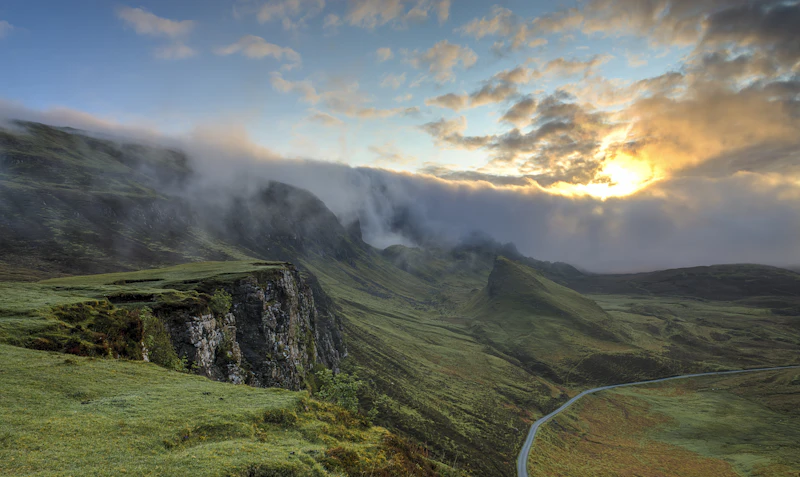
Newfoundland and Labrador is not merely a province; it is a sprawling, 405,000-square-kilometer wilderness that challenges the logistics of even the most seasoned travelers. According to the Newfoundland and Labrador Department of Tourism, Culture, Arts and Recreation, the province saw a significant recovery in non-resident visitation in 2023, with air and ferry passengers nearing pre-pandemic levels. However, the sheer scale of the island means that a 7-day trip requires surgical precision. You are looking at a minimum of 700 kilometers of driving if you traverse from the capital of St. John's to the geological wonders of Gros Morne National Park.
Quick Answer: Is This Trip For You?
Choose Newfoundland if:
✓ You enjoy dramatic, rugged coastal scenery.
✓ You are comfortable driving long distances on two-lane highways.
✓ You appreciate maritime history and UNESCO World Heritage sites.
✓ You prefer local guesthouses over luxury chain hotels.
Best For: Nature Photographers, Hikers, History Buffs, and Solo Travelers seeking solitude.
Day 1: The Eastern Edge - St. John's and Cape Spear
Your journey begins in St. John's, one of the oldest cities in North America. To maximize your time, many travelers recommend arriving via St. John's International Airport (YYT). Your first stop must be Cape Spear Lighthouse National Historic Site, the easternmost point in North America. According to Parks Canada, the lighthouse is the oldest surviving lighthouse in the province, dating back to 1836.
Hyper-Local Insight: The Morning Rush
If you plan to watch the sunrise at Cape Spear—a popular 'first' for many—be aware that parking is limited. Arrive at least 40 minutes before the calculated sunrise. Afterward, head to Rocket Bakery on Water Street for breakfast; locals suggest their fish cakes as a traditional start to the day.
Spend the afternoon at Signal Hill National Historic Site. This was the site of the first transatlantic wireless signal received by Guglielmo Marconi in 1901. The hike along the North Head Trail is strenuous but provides the best views of 'The Narrows,' the entrance to the harbor. For more details on city exploration, see our St. John's itinerary.
Day 2: The Irish Loop and Ferryland
Drive south from St. John's along Route 10, known as the Irish Loop. This area is heavily influenced by the Irish diaspora that settled here in the 18th and 19th centuries. The highlight of this leg is Ferryland, home to the Colony of Avalon. Established in 1621 by Sir George Calvert (the first Lord Baltimore), it is one of the best-preserved early English colonial sites in the Americas.
A must-do experience is the Lighthouse Picnic. Travelers must book weeks in advance during peak season (July-August). You hike to the Ferryland lighthouse and are provided with a blanket and a basket of locally sourced food. While enjoying your meal, keep an eye on the water; the Whale Research Group of Memorial University notes that Humpback and Minke whales are frequently spotted in these waters during the capelin roll in late June and July.
Internal link: Learn more in our Newfoundland whale watching guide.
Day 3: The Bonavista Peninsula - Puffins and History
Leaving the Avalon Peninsula, head north toward the Bonavista Peninsula. This is a 3.5-hour drive that transports you to a landscape of jagged cliffs and sea stacks. Your destination is Elliston, the 'Root Cellar Capital of the World.' More importantly, Elliston offers one of the most accessible Atlantic Puffin colonies in North America. According to the Town of Elliston, the best viewing times are from May to September.
The Matthew Legacy
Continue to the town of Bonavista to visit the Matthew Legacy, a full-scale replica of the ship John Cabot sailed when he 'discovered' Newfoundland in 1497. The history here is nuanced; while Cabot claimed the land for England, the Beothuk indigenous people had inhabited the region for centuries. For more on the historical context, consult our Bonavista history deep-dive.
Day 4: Terra Nova National Park
As you move west, spend Day 4 in Terra Nova National Park, Canada's easternmost national park. Unlike the rocky barrens of the coast, Terra Nova is characterized by boreal forests and sheltered fjords. Based on Parks Canada data, the park features over 80 kilometers of hiking trails.
The Coastal Trail (9.5 km) is highly recommended for its views of Newman Sound. This is an excellent spot for kayaking. Travelers often report sightings of bald eagles and ospreys. If you are traveling on a budget, the campgrounds here are some of the best-maintained in Atlantic Canada. See our Newfoundland budget guide for cost-saving tips on park passes.
Day 5: Twillingate - The Iceberg Capital
Head to the Kittiwake Coast and the town of Twillingate. This area sits directly in 'Iceberg Alley.' According to IcebergFinder.com (a service provided by the provincial tourism board), the peak season for viewing 10,000-year-old glacial giants is May and June, though they can persist into July.
Take a boat tour from the harbor. These tours are not just for icebergs; they also provide insight into the local fishing industry, which was devastated by the 1992 cod moratorium. The resilience of these 'outport' communities is a central theme of the Newfoundland identity. For those interested in the remote lifestyle, check our Twillingate iceberg guide.
Day 6: Gros Morne - The Tablelands
A long drive (approx. 4 hours) takes you to the crown jewel of the province: Gros Morne National Park, a UNESCO World Heritage site. The park is a geological wonder because it is one of the few places on Earth where the Earth's mantle is exposed. This area is known as The Tablelands.
The landscape here is eerie and orange because the peridotite rock lacks the nutrients required for most plant life. Walking on the Tablelands is literally walking on the center of the Earth. For hikers, the Gros Morne hiking guide provides details on the 16km Gros Morne Mountain trail, which is classified as 'challenging' by Parks Canada.
| Category | St. John's | Corner Brook (Near Gros Morne) | Winner |
|---|---|---|---|
| Accommodation | High density, boutique hotels | Limited, mostly motels/B&Bs | St. John's |
| Food | World-class culinary scene | Local diners and pubs | St. John's |
| Nightlife | George Street (highest density of bars) | Quiet, local taverns | St. John's |
| Public Transport | Metrobus available | Very limited | St. John's |
| Walkability | High in downtown | Low, requires car | St. John's |
| Nature Access | Coastal paths nearby | Direct access to mountains | Corner Brook |
| Safety | Very high | Very high | Tie |
| Solo Travelers | Social, easy to meet people | Solitary, nature-focused | St. John's |
Day 7: Western Brook Pond and Departure
Your final day should be dedicated to the iconic view of Newfoundland: Western Brook Pond. Despite its name, it is a freshwater fjord carved by glaciers. To reach the boat tour, you must walk a 3km flat gravel path. The boat tour takes you between 600-meter high cliffs. According to Bontours, the primary operator, these tours sell out daily in the summer.
After the tour, drive to Deer Lake Regional Airport (YDF) for your departure. This airport is the primary hub for the west coast. Ensure you have read our Newfoundland car rental tips, as one-way drop-off fees between St. John's and Deer Lake can be substantial.
History vs. Legend: The Spirits of the Rock
Newfoundland is steeped in folklore that blends Gaelic, English, and Indigenous traditions. It is important to distinguish between the documented history and the vibrant oral traditions still told in outport kitchens.
| Location | Historical Fact | Legend / Folklore |
|---|---|---|
| Signal Hill | Site of the final battle of the Seven Years' War in North America (1762). | The 'Old Hag' is said to visit sleeping soldiers, a local explanation for sleep paralysis. |
| L'Anse aux Meadows | Only authenticated Norse site in North America, dated to c. 1000 AD. | Tales of 'Skerlings' (the Norse term for indigenous people) who possessed magical vanishing powers. |
| The Barrens | Glacial erratics scattered by retreating ice sheets 10,000 years ago. | The 'Fairies' or 'Good People' who lead travelers astray; locals often carry bread in their pockets to appease them. |
Disclaimer: When visiting local heritage sites or cemeteries after dark, please show respect for the local community and adhere to all posted hours. Many areas are considered sacred or private property.
Essential Logistics
Best Time to Visit
According to Environment Canada, the most stable weather occurs between mid-July and early September. However, if your goal is icebergs, June is the optimal month. Be prepared for 'four seasons in one day'—a common Newfoundland refrain.
Budgeting for the Trip
- Car Rental: $80–$150 CAD/day (Book 6 months in advance).
- Accommodation: $120–$250 CAD/night for mid-range B&Bs.
- Food: $50–$80 CAD/day per person.
- Park Fees: $10.50 CAD/day per adult for National Parks.
Safety and the Moose Factor
The single greatest danger to drivers in Newfoundland is the moose. With an estimated population of 120,000, moose-vehicle collisions are frequent. The Department of Transportation advises against driving at night, especially on the Trans-Canada Highway (TCH).
Article Methodology & Sources
This guide was compiled using data from the Newfoundland and Labrador Department of Tourism, Parks Canada, and Statistics Canada. Logistical estimates (prices and travel times) are based on 2023-2024 market averages from Numbeo and local service providers. Folklore sections were cross-referenced with the Heritage Foundation of Newfoundland and Labrador.
Who Should Visit Newfoundland?
Newfoundland is best for travelers who value authenticity over artifice. It is for those who don't mind a bit of rain if it means seeing a whale breach or standing on the edge of a continent. It is not a destination for those seeking high-speed transit or predictable weather.
Best Months: July (Whales/Puffins), June (Icebergs), September (Hiking/Fall Colors).
Next Destination: Consider the Newfoundland ferry guide to extend your trip to Labrador or Nova Scotia.
Editorial Methodology & Trust
Last Updated: July 2, 2026
Every Shaivio guide is created through editorial research using publicly available information from official tourism authorities, transportation providers, government resources, and other reliable references where applicable. Our editors review and update content regularly to improve accuracy and usefulness. Shaivio does not accept paid placements or sponsored rankings in editorial content. Because travel information can change, we recommend verifying critical details with the relevant official source before traveling.