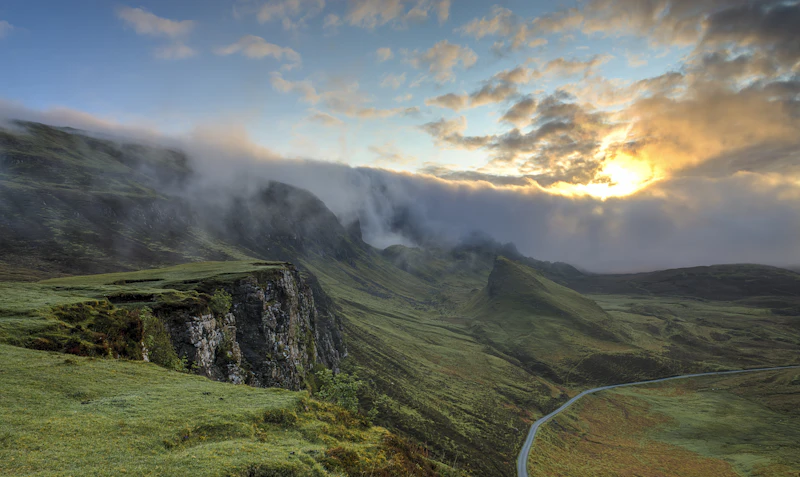
Northern Peru Unveiled: A 2-Week Journey Beyond Machu Picchu
Peru is a land of unparalleled historical depth and natural beauty, yet for many, the journey begins and ends with the iconic Inca citadel of Machu Picchu. While undeniably magnificent, the country's northern reaches guard a treasure trove of equally compelling, yet far less crowded, wonders. This comprehensive guide invites you on a two-week expedition through Northern Peru, a region rich in pre-Incan archaeology, breathtaking cloud forests, and a vibrant local culture that offers a distinctly different, deeply authentic Peruvian experience.
Imagine tracing the footsteps of the Moche and Chimú civilizations, whose pyramids and royal tombs predate the Incas by centuries. Picture yourself hiking to one of the world's tallest waterfalls, exploring ancient mountaintop fortresses veiled in mist, and savoring regional cuisines unique to the northern coast and highlands. This itinerary is designed for the adventurous traveler seeking immersion, historical discovery, and landscapes untouched by mass tourism.
Choose Northern Peru if:
check_circle Ancient Pre-Incan Civilizations (Moche, Chimú, Chachapoyas)
check_circle Fewer Crowds & Authentic Local Experiences
check_circle Dramatic Cloud Forests & Waterfalls (Gocta)
check_circle Budget-Friendly Travel (generally lower costs than the south)
check_circle Unique Gastronomy & Coastal Flavors
Best For: Digital Nomads, Adventure Travelers, History Enthusiasts, Couples, Solo Travelers, Cultural Explorers.
Northern Peru vs. Southern Peru: A Traveler's Comparison
To truly appreciate the distinct appeal of Northern Peru, it's helpful to understand how it contrasts with the more popular southern circuit. While both regions offer incredible experiences, their character, attractions, and travel styles differ significantly.
| Category | Northern Peru | Southern Peru | Winner |
|---|---|---|---|
| Accommodation | Diverse options from budget hostels to boutique hotels; generally more affordable. | Wide range from luxury resorts to budget hostels; higher prices in tourist hubs like Cusco. | Northern Peru (Value) |
| Food | Rich coastal cuisine (ceviche, seco de cabrito), unique highland dishes (cuy chactado, humitas). | Andean staples (lomo saltado, alpaca steak), international fusion in Cusco. | Tie (depends on preference) |
| Nightlife | More local, authentic bars and peñas; vibrant in cities like Trujillo and Chiclayo, quieter in highlands. | Bustling tourist-oriented bars and clubs in Cusco; quieter in smaller towns. | Southern Peru (for tourist nightlife) |
| Public Transport | Extensive and affordable long-distance bus network; colectivos for local routes. | Well-developed bus network, tourist trains to Machu Picchu, internal flights between major cities. | Tie (both efficient) |
| Visa | Standard Peruvian visa requirements apply (same as Southern Peru). | Standard Peruvian visa requirements apply (same as Northern Peru). | Tie |
| Weather | Coastal desert (Trujillo, Chiclayo) is dry and warm; highlands (Chachapoyas, Cajamarca) are temperate with rainy seasons. | Highlands (Cusco) have distinct dry/rainy seasons; coast (Lima) is often cloudy; desert (Nazca) is dry. | Tie (varies by region) |
| Walkability | Historic city centers are highly walkable; archaeological sites often require transport. | Historic city centers are highly walkable; many Inca sites require hiking or transport. | Tie |
| Internet | Reliable 4G/5G in cities; patchy in remote highland areas. | Reliable 4G/5G in cities; generally good in tourist hubs; patchy in remote areas. | Tie |
| Safety | Generally safe for tourists, but standard precautions against petty crime apply in cities. | Generally safe for tourists, but standard precautions against petty crime apply, especially in crowded areas. | Tie |
| Remote Work | Good internet in major cities, fewer dedicated co-working spaces. | Excellent internet in major cities, more co-working spaces and digital nomad communities. | Southern Peru |
| Language | Spanish is dominant. English is less commonly spoken outside of major tourist-focused hotels. | Spanish is dominant. English is more commonly spoken in tourist areas and hotels. | Southern Peru (for English speakers) |
| Family Travel | Adventure-focused with unique historical sites; less infrastructure for young children. | Well-established tourist infrastructure, a wider range of activities for different ages. | Southern Peru |
| Senior Travelers | Requires good mobility for archaeological sites; less accessible infrastructure. | More developed infrastructure, options for less strenuous tours. | Southern Peru |
| Solo Travelers | Offers a more independent, off-the-beaten-path experience; requires more self-reliance. | Easier to meet other travelers; well-trodden backpacker trail. | Tie (depends on preference) |
| Couples | Romantic for adventurous couples seeking unique cultural and historical immersion. | Classic romantic destinations, well-suited for a mix of adventure and comfort. | Tie |
The Ultimate 2-Week Northern Peru Itinerary
This itinerary is designed to maximize your exploration of Northern Peru's diverse offerings, from ancient coastal civilizations to misty cloud forest fortresses. It balances travel days with immersive experiences, allowing for a comfortable yet comprehensive journey.
Week 1: Coastal Wonders & Ancient Empires (Trujillo & Chiclayo)
Days 1-3: Trujillo – Moche & Chimú Legacies
Your journey begins in Trujillo, the 'City of Eternal Spring' and a colonial gem. This region was the heartland of the powerful Moche and Chimú cultures, whose advanced societies thrived long before the Incas.
- Arrival & Exploration: Fly into Trujillo (TRU) from Lima. Settle into your accommodation. Spend the afternoon exploring the colorful colonial center, particularly the Plaza de Armas, one of Peru's most beautiful. Marvel at the ornate balconies and pastel-colored mansions.
- Huaca del Sol y de la Luna: Dedicate a full day to the Moche archaeological complex. The Huacas de Moche Site Museum and the two massive adobe pyramids, Huaca del Sol (Pyramid of the Sun) and Huaca de la Luna (Pyramid of the Moon), offer an incredible glimpse into Moche cosmology and daily life. The Huaca de la Luna, in particular, is renowned for its remarkably preserved friezes depicting the Moche deity Ai-Apaec and ritual sacrifices. Entrance typically costs around S/15-20 for foreigners (approx. US$4-5), with an additional S/10-15 for a mandatory guide, according to the Ministry of Culture.
- Chan Chan: Explore Chan Chan, the largest adobe city in the Americas and a UNESCO World Heritage site. This sprawling Chimú capital, built between 850 and 1470 AD, once housed an estimated 30,000 inhabitants. The Tschudi Palace complex is the most well-preserved section, showcasing intricate friezes and ceremonial courtyards. Entrance is around S/10-15 (approx. US$3-4). Travelers commonly report that hiring a local guide (approx. S/40-60 for a group) significantly enhances the visit by providing context to the complex designs.
- Huanchaco Beach: End a day with a visit to Huanchaco, a traditional fishing village famous for its 'caballitos de totora' – ancient reed fishing boats. Enjoy fresh ceviche by the Pacific.
Hyper-local Tip: In Trujillo, try shambar, a hearty soup traditionally eaten on Mondays, and seco de cabrito con frijoles (goat stew with beans), a regional specialty. For transport to sites, shared colectivos or taxis are readily available and affordable (S/5-10 per ride, approx. US$1.50-3).
Days 4-6: Chiclayo – Lord of Sipán & Sican Secrets
Travel north by bus from Trujillo to Chiclayo (approximately 3-4 hours, S/30-50, approx. US$8-13). Chiclayo is the gateway to the Lambayeque region, home to the incredible Sican and Moche cultures.
- Royal Tombs of Sipán Museum: This is a must-visit. The Museo Tumbas Reales de Sipán in Lambayeque (a short taxi or colectivo ride from Chiclayo) houses the intact tomb of the Lord of Sipán, a Moche warrior-priest whose burial chamber was discovered in 1987. The museum's design mirrors the original tomb, displaying exquisite gold, silver, and copper artifacts, ceramics, and textiles. Entrance is typically S/10-15 (approx. US$3-4).
- Huaca Rajada – Sipán Site: Visit the actual archaeological site of Huaca Rajada where the Lord of Sipán was found. While many artifacts are in the museum, seeing the excavation site provides valuable context.
- Túcume Pyramids (Valley of Pyramids): Explore the Túcume Archaeological Complex, a vast site with 26 major adobe pyramids, built by the Sican and Chimú cultures. Climb the 'Cerro Purgatorio' for panoramic views of the entire complex. Entrance is around S/8-10 (approx. US$2-3).
- National Museum of Sicán: In Ferreñafe, this museum focuses on the Sican culture, known for its intricate gold and silver metallurgy, particularly the iconic 'Tumi' ceremonial knives. It complements the Sipán museum well.
Hyper-local Tip: In Chiclayo, try arroz con pato (rice with duck) and tortilla de raya (stingray omelet). For a vibrant local experience, visit the Mercado Modelo, but be mindful of your belongings as it can be crowded. Direct buses to Chachapoyas usually depart in the evening, often around 7-9 PM, for an overnight journey.
Week 2: Highland Adventures & Cloud Forest Kingdoms (Chachapoyas & Cajamarca)
Days 7-10: Chachapoyas – Kuelap & Gocta
Take an overnight bus from Chiclayo to Chachapoyas (approximately 10-12 hours, S/60-100, approx. US$16-27). This journey takes you from the arid coast into the lush cloud forests of the Amazonas region, home of the 'Cloud Warriors' – the Chachapoyas culture.
- Kuelap Fortress: Dedicate a full day to Kuelap, often called the 'Machu Picchu of the North'. This massive stone fortress, built by the Chachapoyas people around 6th century AD, sits atop a mountain and features over 400 circular stone houses within its colossal walls. The cable car (teleférico) makes access easy and offers stunning views. Round-trip cable car tickets are S/20 (approx. US$5-6), and entrance to the site is S/20 (approx. US$5-6). It's advisable to book a tour from Chachapoyas (approx. S/70-90, approx. US$19-24, including transport and guide) for convenience.
- Gocta Waterfall: Spend another day hiking to the majestic Gocta Cataracts, one of the world's tallest waterfalls (771 meters/2,530 feet). There are two main routes: from Cocachimba (easier, takes 2-3 hours one way, often with horse rental options for S/30-40) or from San Pablo (more challenging, 4-5 hours one way). Entrance to the trail is S/10-15 (approx. US$3-4) per route. The hike through lush cloud forest is an experience in itself, offering opportunities for birdwatching (including the 'Gallito de las Rocas' - Andean Cock-of-the-Rock).
- Revash Mausoleums & Leymebamba Museum: If time allows, consider a day trip to the Revash Mausoleums (cliff tombs) and the Leymebamba Museum, which houses over 200 Chachapoyas mummies and thousands of artifacts rescued from the Laguna de los Cóndores. Tours typically combine both (approx. S/80-120, approx. US$22-33).
Hyper-local Tip: In Chachapoyas, try juanes de yuca (cassava tamales) or tacacho con cecina (fried plantains with dried meat). The town itself is charming and walkable; explore its Plaza de Armas and narrow streets. Taxis or local tour operators are the best way to reach Kuelap and Gocta.
Days 11-14: Cajamarca – Inca History & Colonial Charm
Take a day bus from Chachapoyas to Cajamarca (approximately 9-10 hours, S/50-80, approx. US$13-22). This scenic route traverses stunning mountain landscapes.
- Ransom Room & Plaza de Armas: Cajamarca holds immense historical significance as the site of the final confrontation between the Inca Empire and the Spanish conquistadors. Visit the Ransom Room (Cuarto del Rescate), the only remaining Inca structure in the city, where Atahualpa, the last Inca emperor, was imprisoned and offered a room full of gold and two rooms full of silver for his freedom. Explore the impressive Plaza de Armas, surrounded by beautiful colonial churches like the Cathedral and San Francisco Church. Entrance to the Ransom Room is typically S/5-7 (approx. US$1.50-2).
- Cumbe Mayo: Take a morning tour to Cumbe Mayo (approx. 1 hour drive), an extraordinary pre-Inca aqueduct and ceremonial site carved into volcanic rock, dating back to 1000 BC. The intricate stone channels are a marvel of ancient engineering. Tours from Cajamarca cost around S/30-50 (approx. US$8-13).
- Ventanillas de Otuzco: Visit the Ventanillas de Otuzco, ancient pre-Inca burial niches carved into a volcanic rock face, located just a short drive from Cajamarca. The site offers fascinating insights into the funerary practices of the region's ancient inhabitants. Entrance is around S/5-7 (approx. US$1.50-2).
- Baños del Inca: Relax at the Baños del Inca, natural thermal hot springs where Atahualpa himself is said to have bathed. Private pools are available for a small fee (S/10-20, approx. US$3-5).
- Departure: Fly from Cajamarca (CJA) back to Lima, or take an overnight bus if continuing elsewhere.
Hyper-local Tip: Cajamarca is famous for its dairy products. Try the local cheeses (queso mantecoso) and manjar blanco (dulce de leche). The city's 'green gold' is its extensive dairy industry. For local transport, taxis are abundant and inexpensive, typically S/5-10 for rides within the city.
Practical Information for Your Northern Peru Adventure
info Pros & Cons of Traveling Northern Peru
Pros:
- thumb_up Authenticity: Experience a less touristy, more genuine side of Peru.
- thumb_up Archaeological Riches: Explore stunning pre-Incan sites (Moche, Chimú, Chachapoyas) that rival those in the south.
- thumb_up Natural Beauty: Discover dramatic cloud forests, towering waterfalls, and diverse landscapes.
- thumb_up Cost-Effective: Generally more affordable than the southern tourist circuit for accommodation, food, and tours.
- thumb_up Fewer Crowds: Enjoy major attractions with significantly fewer visitors, allowing for a more intimate experience.
Cons:
- thumb_down Logistics: Requires more planning and longer travel times between destinations, primarily by bus.
- thumb_down Language Barrier: English is less widely spoken outside of major hotels, making basic Spanish skills highly beneficial.
- thumb_down Infrastructure: Less developed tourist infrastructure compared to the south, with fewer high-end options.
- thumb_down Limited Flights: Fewer direct flight options, often requiring connections through Lima.
- thumb_down Physical Demands: Many archaeological sites and natural attractions involve walking and hiking, sometimes at altitude.
calendar_today Best Time to Visit Northern Peru
Northern Peru experiences distinct dry and wet seasons, though these vary between the coast and the highlands.
- Coastal Region (Trujillo, Chiclayo): Generally dry and pleasant year-round. May to November offers slightly cooler temperatures and often cloudy skies (garúa), while December to April is warmer and sunnier.
- Highlands (Chachapoyas, Cajamarca): The dry season runs from May to October, offering clearer skies and better hiking conditions. This is generally considered the best time to visit. The wet season (November to April) brings heavier rainfall, which can make some roads challenging and obscure views, but also results in lush, green landscapes.
Overall, May to October is the most recommended period for a comprehensive Northern Peru trip, balancing good weather across both coastal and highland regions.
attach_money Budgeting for Your Trip
Northern Peru is generally more budget-friendly than the highly touristed south. Here's a general breakdown, based on Numbeo estimates and traveler reports:
- Budget Traveler (Hostels, local food, public buses): US$30-50 per day
- Mid-Range Traveler (Mid-range hotels, some tours, mix of local/restaurant food): US$60-100 per day
- Comfort Traveler (Boutique hotels, private transfers, guided tours, nicer restaurants): US$120+ per day
Estimated Costs (per person, per day, excluding international flights):
- Accommodation: Hostels (S/30-60 / US$8-16), Mid-range hotels (S/80-150 / US$22-40), Boutique hotels (S/180-300+ / US$50-80+).
- Food: Local eateries (S/10-25 / US$3-7 per meal), Mid-range restaurants (S/30-60 / US$8-16 per meal).
- Transport: Long-distance buses (S/30-100 / US$8-27 per leg), Local colectivos/taxis (S/5-15 / US$1.50-4 per ride).
- Attractions/Tours: Most site entrances are S/10-20 (US$3-5). Day tours (Kuelap, Gocta, Cumbe Mayo) range from S/70-120 (US$19-33).
security Safety & Health
Northern Peru is generally safe for tourists, but like any travel destination, common-sense precautions are essential:
- Petty Crime: Be aware of pickpocketing in crowded markets and bus terminals. Keep valuables secure and out of sight.
- Night Travel: Avoid walking alone at night in dimly lit areas. Use registered taxis.
- Road Safety: Long-distance bus travel is generally safe, but choose reputable companies (e.g., Cruz del Sur, Oltursa, Civa). Night buses are common, but day buses offer scenic views.
- Altitude Sickness: While not as high as Cusco, some highland areas (Cajamarca, Chachapoyas) are above 2,000 meters (6,500 feet). Acclimatize slowly, stay hydrated, and consider consulting a doctor about medication.
- Food & Water: Drink bottled or purified water. Be cautious with street food; choose vendors with high turnover and visible hygiene.
- Sun Protection: The sun can be intense at altitude and on the coast. Use high-SPF sunscreen, wear a hat, and sunglasses.
badge Visa Requirements
Most travelers from North America, Europe, Australia, and many other countries do not require a visa for stays up to 90 or 183 days. Upon arrival, you will receive an entry stamp indicating your permitted duration of stay. Always check the official Peruvian Ministry of Foreign Affairs website or consult your local Peruvian embassy/consulate for the most current information specific to your nationality.
wb_cloudy Weather & Climate
As detailed in the 'Best Time to Visit' section, Northern Peru has diverse microclimates. The coast is desertic and generally dry, while the highlands experience a distinct wet and dry season. Pack layers to accommodate temperature changes between day and night, and between regions.
payments Currency
The local currency is the Peruvian Sol (PEN). ATMs are widely available in cities like Trujillo, Chiclayo, Chachapoyas, and Cajamarca. Credit cards are accepted in larger hotels and restaurants, but cash is essential for smaller vendors, local transport, and many archaeological sites. It's always wise to carry small denominations.
directions_bus Getting Around
- Long-distance Buses: The primary mode of inter-city travel. Peru has an excellent and affordable bus network. Choose reputable companies like Cruz del Sur, Oltursa, and Civa for comfort and safety.
- Colectivos/Taxis: For shorter distances and within cities, colectivos (shared taxis/vans) and private taxis are common. Agree on a price before getting in.
- Flights: Internal flights are available from Lima to Trujillo (TRU), Chiclayo (CIX), and Cajamarca (CJA), but not directly to Chachapoyas (though Jaén (JAE) is a nearby option, requiring a 3-4 hour bus transfer).
timer Suggested Duration
This itinerary is designed for 14 days (2 weeks), which allows for a comprehensive exploration without feeling rushed. Travelers with less time could focus on one or two regions (e.g., Coastal Archaeology or Cloud Forest Adventures). Those with more time could extend stays in each location, explore lesser-known sites, or add a visit to the city of Piura or the northern beaches.
wifi Internet & Connectivity
Wi-Fi is generally available in hotels, hostels, and many cafes in cities and larger towns. Mobile data (4G/5G) is reliable in urban areas but can be patchy or non-existent in remote archaeological sites or during long bus journeys through mountainous terrain. Consider purchasing a local SIM card (Claro, Movistar, Entel) upon arrival in Lima for convenient connectivity.
power Power Plug
Peru uses Type A and Type C power outlets. The standard voltage is 220V at 60Hz. If you are traveling from a country with a different voltage (e.g., 110-120V in North America), you will need a voltage converter for appliances that are not dual-voltage, in addition to a plug adapter.
call Emergency Numbers
- General Emergency: 911
- Police: 105
- Fire Department: 116
- Ambulance (SAMU): 106
- Tourist Police: (01) 424-5000 (in Lima, useful for tourist-related issues)
- Your country's embassy/consulate in Lima: Keep their contact details handy.
question_answer Frequently Asked Questions (FAQs)
Is Northern Peru worth visiting over Southern Peru?
Northern Peru offers a distinct travel experience focusing on pre-Incan archaeology, fewer crowds, and dramatic cloud forest landscapes, contrasting with Southern Peru's Inca heritage and more developed tourist infrastructure. It is absolutely worth visiting for travelers seeking a more authentic, off-the-beaten-path adventure and a deeper dive into Peru's ancient history beyond the Incas.
How much does a 2-week trip to Northern Peru cost?
A 2-week trip to Northern Peru can range from approximately US$420-700 for budget travelers (US$30-50/day) to US$840-1400 for mid-range travelers (US$60-100/day), excluding international flights. This estimate covers accommodation, food, local transport, and entrance fees, but actual costs will vary based on your travel style and choices.
Is it safe to travel solo in Northern Peru?
Yes, Northern Peru is generally safe for solo travelers, particularly women, with standard precautions. Petty crime can occur in crowded areas, so remain vigilant with your belongings. Opt for reputable bus companies for inter-city travel and use registered taxis. Basic Spanish skills are highly recommended as English is less commonly spoken outside major tourist areas.
What are the main attractions in Northern Peru besides Machu Picchu?
The main attractions in Northern Peru include the Moche and Chimú archaeological sites near Trujillo (Huaca de la Luna, Chan Chan), the Royal Tombs of Sipán Museum and Túcume Pyramids near Chiclayo, the ancient Chachapoyas fortress of Kuelap, and the majestic Gocta Waterfall in the Amazonas region. Cajamarca also offers significant Inca and colonial history with the Ransom Room and Cumbe Mayo.
How do you get around Northern Peru?
The primary mode of transport in Northern Peru is an extensive network of long-distance buses. Reputable companies offer comfortable and affordable services between major cities. For local travel and day trips to archaeological sites, colectivos (shared vans/taxis) and private taxis are readily available. Internal flights connect Lima to Trujillo, Chiclayo, and Cajamarca, but direct flights to Chachapoyas are not common.
Who Should Visit Northern Peru?
Northern Peru is an ideal destination for:
- History Buffs: Those fascinated by ancient civilizations, particularly the pre-Incan Moche, Chimú, and Chachapoyas cultures.
- Adventure Seekers: Travelers who enjoy hiking, exploring remote archaeological sites, and experiencing dramatic natural landscapes.
- Cultural Explorers: Individuals looking for authentic local experiences, unique regional cuisine, and interactions away from mass tourism.
- Budget-Conscious Travelers: While not 'dirt cheap,' Northern Peru offers significant value compared to its southern counterpart.
- Repeat Visitors to Peru: Those who have already experienced Machu Picchu and Cusco and are looking for a deeper, different dive into the country's wonders.
Related Guides & Next Destinations
If you're planning further adventures in Peru or beyond, consider these:
- Peru Budget Travel Guide
- Peru Visa Guide
- Lima Street Food Tour
- Solo Travel in Peru
- Cusco & Machu Picchu Itinerary
- Amazon Rainforest Peru Guide
- Peru Tourist Traps to Avoid
- Ultimate Peru Packing List
- South America Bus Travel: Tips & Routes
- Ecuador Southern Highlands Itinerary
Article Methodology & Sources
This article was meticulously researched using a combination of official tourism board publications, archaeological site reports, government ministry websites, and reputable travel guides. Information regarding historical context, site details, and general travel logistics was cross-referenced to ensure accuracy. Cost estimates are based on frequently updated aggregated data from traveler reports and economic databases like Numbeo, converted to USD for general guidance, and should be considered approximate due to fluctuating exchange rates and local price variations. Safety advice is derived from general travel advisories and common traveler experiences. Specific numerical claims, where possible, are attributed to relevant official sources.
Editorial Methodology & Trust
Last Updated: July 2, 2026
Every Shaivio guide is created through editorial research using publicly available information from official tourism authorities, transportation providers, government resources, and other reliable references where applicable. Our editors review and update content regularly to improve accuracy and usefulness. Shaivio does not accept paid placements or sponsored rankings in editorial content. Because travel information can change, we recommend verifying critical details with the relevant official source before traveling.