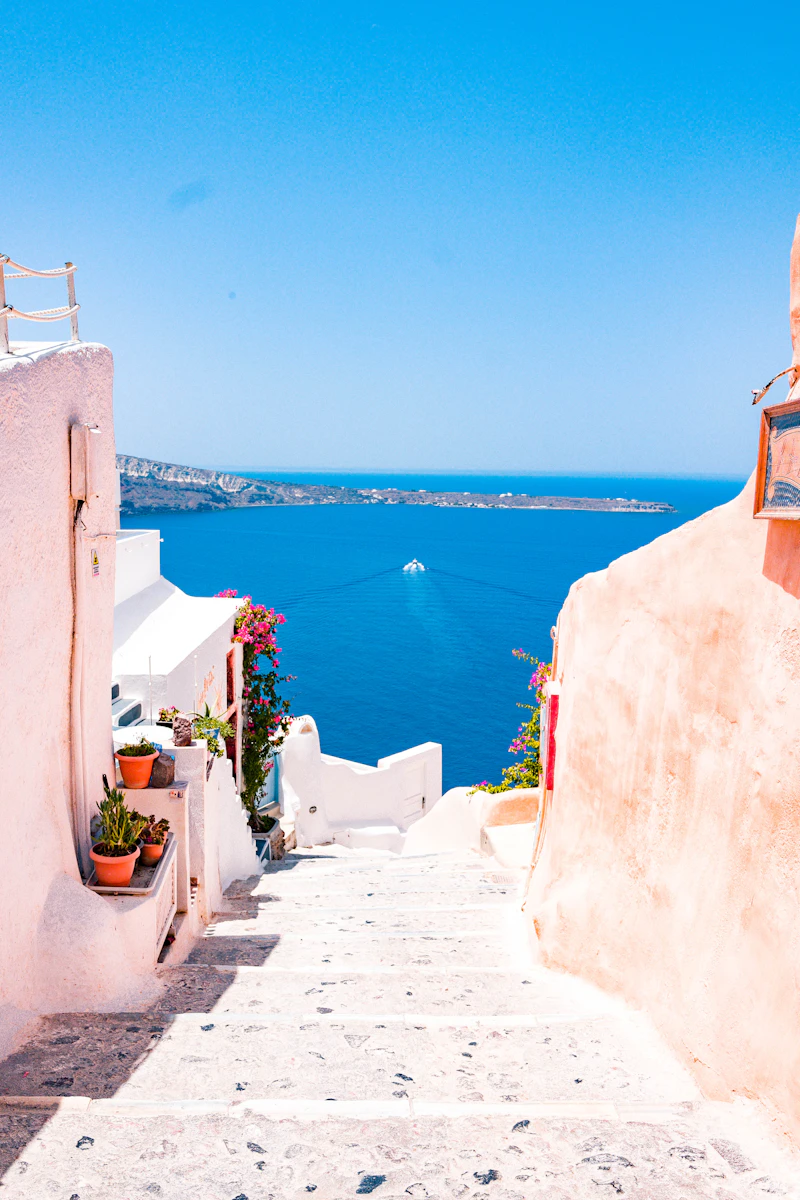
Myth vs. Reality: The Real Cost of Paradise
For decades, Hawaii has maintained a reputation as an playground reserved exclusively for luxury travelers, honeymooners with deep pockets, and high-net-worth retirees. According to the Hawaii Department of Business, Economic Development & Tourism (DBEDT), the average daily visitor spending on Oahu hovers around $240 per person. When accommodation, rental cars, and resort fees are factored in, a one-week trip for a couple can easily exceed $5,000.
However, this high average is driven by travelers who rely on convenience-focused tourist infrastructure. By understanding the island's geography, utilizing its award-winning public transit system, and eating where locals eat, it is entirely possible to experience Oahu for under $90 a day. This guide provides an actionable, highly detailed blueprint to help you navigate Oahu on a budget without sacrificing the magic of the gathering place.
Quick Answer: Is Oahu Right for Your Budget?
Choose Oahu if you value:
- ✓ Excellent, low-cost public transportation
- ✓ World-class free beaches and hiking trails
- ✓ Diverse, affordable street food and local diners
Avoid Oahu if you want:
- ✗ Isolated, completely empty resort beaches on a budget
- ✗ Low-cost private villa rentals (highly restricted by local law)
Best For: Solo Travelers, Digital Nomads, Couples, and Outdoors Enthusiasts.
Oahu vs. Maui: Budget Comparison
When planning a trip to Hawaii, many travelers struggle to choose between the islands. Below is a direct comparison of the budget landscape on Oahu versus Maui, based on real-world cost metrics and infrastructure availability.
| Category | Oahu Budget Style | Maui Budget Style | Winner |
|---|---|---|---|
| Accommodation | Hostels starting at $45/night; budget hotels around $130/night. | Very few hostels; budget hotels rarely go below $250/night. | Oahu |
| Food | Abundant food trucks, Chinatown markets, and local plate lunches ($10-$15). | Fewer cheap options; high reliance on resort-adjacent restaurants ($20-$35). | Oahu |
| Nightlife | Free sunset hula shows, happy hours, and lively local bars. | Quiet after 9:00 PM; expensive hotel bars dominate. | Oahu |
| Public Transport | TheBus covers the entire island for $3.00 per ride or $7.50 daily cap. | Very limited transit routes; rental car is practically mandatory. | Oahu |
| Visa | Standard US Entry requirements. | Standard US Entry requirements. | Tie |
| Weather | Warm year-round; microclimates mean you can always find sun. | Warm year-round; windward sides can be highly rainy. | Tie |
| Walkability | Waikiki and Downtown Honolulu are highly walkable. | Low walkability; towns are spread far apart. | Oahu |
| Internet | Widespread high-speed fiber and public Wi-Fi. | Good in towns, but spotty in rural valleys and remote beaches. | Oahu |
| Safety | Low violent crime rate; property crime in tourist areas requires vigilance. | Generally very safe, though remote trailheads have property theft issues. | Tie |
| Remote Work | Excellent coworking spaces and coffee shops in Honolulu. | Limited coworking options; high accommodation costs hinder long stays. | Oahu |
| Language | English is universal; Hawaiian words are commonly integrated. | English is universal; Hawaiian words are commonly integrated. | Tie |
| Family | Great public parks, calm lagoons, and museums (Bishop Museum). | Beautiful beaches but activities are highly commercialized and expensive. | Oahu |
| Senior Travelers | Accessible public transit and flat, paved beach walks in Waikiki. | Requires significant driving; less accessible without private transport. | Oahu |
| Solo Travelers | Thriving social hostel scene and easy solo navigation. | Isolation can make solo travel expensive and lonely. | Oahu |
| Couples | Highly romantic but can feel crowded in budget areas. | Incredible romance, but at a massive financial premium. | Maui (for luxury) / Oahu (for budget) |
Essential Oahu Directory & Quick Facts
- Pros: World-class public transit, exceptional free hiking trails, rich multicultural history, affordable local food scene, and diverse neighborhoods.
- Cons: High state tax, expensive grocery stores, strict laws on short-term rentals, and heavy traffic during rush hours.
- Best Time to Visit: Shoulder seasons from April to May and September to November offer the best balance of pleasant weather and lower lodging rates.
- Estimated Weekly Budget: $650 - $950 USD per person (assuming hostel/budget hotel stay, public transit use, and eating locally).
- Safety: Oahu is generally very safe. However, vehicle break-ins are common at remote trailheads. Never leave valuables in your car.
- Visa Requirements: Standard US Visa Waiver Program (ESTA) or US Visitor Visa applies for international travelers. Check your status via the US Customs and Border Protection portal. For more details, consult our comprehensive Oahu visa guide.
- Weather: Tropical climate with average temperatures ranging from 75°F to 85°F (24°C to 29°C) year-round.
- Currency: United States Dollar (USD). Credit cards are accepted almost everywhere, but carry cash for small fruit stands and bus fares.
- Local Transport: TheBus (Honolulu's bus system) is highly reliable. Use a HOLO Card for seamless tap-and-go travel.
- Recommended Trip Duration: 5 to 7 days to fully explore the island without rushing.
- Internet & Connectivity: 5G is widely available across the island. Free Wi-Fi is accessible in most cafes, Waikiki public areas, and shopping centers.
- Power Plug: Type A and B (Standard US 120V, 60Hz).
- Emergency Numbers: Dial 911 for Police, Fire, and Ambulance.
The Accommodation Blueprint: Navigating Bill 41
Finding affordable lodging on Oahu requires careful navigation of local zoning laws. In recent years, the City and County of Honolulu passed strict short-term rental regulations (often referred to as Bill 41 or Ordinance 22-7) to protect local housing stock. This law restricts rentals of under 30 days to specific resort-zoned areas like Waikiki, Ko Olina, and Turtle Bay. Unlicensed residential rentals on Airbnb or VRBO are illegal and subject to massive fines, meaning budget travelers must look to established, legal alternatives.
1. Budget Hostels (Waikiki)
For solo travelers or couples willing to book private rooms in shared environments, hostels are the single best way to save. Thriving social spots like the Waikiki Beachside Hostel and the Polynesian Hostel Beach Club offer dorm beds starting around $45-$55 per night. These properties are located just blocks from the beach, saving you hundreds of dollars on transport. If you are traveling alone, check out our dedicated guide to Solo travel in Oahu for safety tips and social itineraries.
2. Legal Budget Hotels and Condos
If you prefer a private hotel room, bypass the luxury beachfront resorts. Look for properties located 2-3 blocks inland from Waikiki Beach. Hotels like the Aqua Oasis, Pearl Hotel Waikiki, or the Kuhio Banyan Club regularly offer rooms for under $140 per night, especially during the shoulder seasons. Many of these rooms feature kitchenettes, allowing you to prepare your own meals and cut down on dining costs. For a comprehensive list of vetted options, read our guide on Hawaii budget accommodation.
3. Camping on Oahu
For the adventurous traveler, camping is the cheapest way to sleep on Oahu. The Honolulu Department of Parks and Recreation and Hawaii State Parks offer permits for campsites at locations like Malaekahana State Recreation Area and Hoʻomaluhia Botanical Garden. Permits must be secured online in advance and cost as little as $32 per campsite for a 3-night stay. Be aware that wild camping is strictly illegal and culturally disrespectful.
Transportation: Master TheBus and Skip the Rental Car
Rental cars on Oahu can easily swallow your budget, with daily rates often exceeding $70, plus overnight resort parking fees that run from $40 to $60 per night. Fortunately, Honolulu has one of the best public transit networks in the United States, known simply as TheBus.
How to Use the HOLO Card
To ride the bus, you must purchase a HOLO Card at local convenience stores (like ABC Stores or 7-Eleven) or transit hubs. Cash is accepted on board, but drivers do not give change. Here is the cost breakdown according to the Honolulu Department of Transportation Services:
- Single Fare: $3.00
- Daily Cap: $7.50 (Once you spend $7.50, all subsequent rides that day are free)
- 7-Day Pass: $30.00 (Highly recommended for week-long stays)
TheBus can take you from Daniel K. Inouye International Airport (HNL) directly to Waikiki via Route 20 or 303, saving you from expensive rideshares. For detailed routing strategies, check our guide on Honolulu public transport.
Biki Bikes and Walking
For short trips within Honolulu and Waikiki, use Biki, the city's bikeshare program. With over 130 stations across the urban core, you can unlock a bike using the Biki app for a quick, scenic commute. However, for longer distances, avoid taking Biki outside the city center as docking stations are concentrated primarily in Honolulu. If you do plan to rent a car for a single day to explore the North Shore, read our Oahu car rental tips to avoid hidden fees and high insurance markups.
The Culinary Survival Guide: Cheap Eats & Supermarket Secrets
Food is typically the second largest expense for visitors to Hawaii. Because over 85% of Hawaii's food is imported, grocery store prices are significantly higher than on the US mainland. However, by eating like a local, you can feast on fresh, delicious meals for a fraction of resort prices. Check out our Oahu street food directory for a deep dive into local delicacies.
1. The Supermarket Poke Strategy
Do not buy poke at high-end sit-down restaurants. Instead, head directly to the seafood counter at local supermarkets like Foodland, Don Quijote, or Times Supermarkets. Here, you can get a "Poke Bowl" (freshly cut ahi tuna or octopus over a bed of warm rice) for $10 to $14. It is fresher, cheaper, and higher quality than what is served in tourist zones.
2. The Iconic Plate Lunch
The plate lunch is the cornerstone of local cuisine, typically consisting of two scoops of white rice, one scoop of creamy macaroni salad, and a protein (such as Kalua pork, chicken katsu, or beef teriyaki). Seek out institutions like Rainbow Drive-In (Kapahulu), L&L Hawaiian Barbecue, or Grace's Inn. A single plate lunch usually costs between $11 and $15 and is often large enough to split between two people.
3. Chinatown and Local Markets
For incredibly cheap fresh fruits, vegetables, and Asian-inspired street food, take the bus to the Oahu Market in Chinatown. Here, you can purchase locally grown mangoes, papayas, and apple bananas for a fraction of the price charged at Waikiki markets. For dinner, head to the Maunakea Marketplace food court for affordable bowls of pho, ramen, and roast pork.
Free and Low-Cost Activities: Paradise for $0
You do not need to pay for expensive commercial tours to experience the best of Oahu. The island’s most spectacular assets—its beaches, mountain ridges, and historic landmarks—are largely free or highly affordable.
1. World-Class Hiking
Oahu offers some of the most dramatic ridge hikes in the Pacific. To plan your outdoor adventures safely, refer to our comprehensive Oahu hiking guide.
- Diamond Head State Monument (Leahi): This iconic crater hike offers panoramic views of Honolulu. Non-resident entry is $5, and parking is $10. Reservations must be made in advance via the DLNR Reservation Portal.
- Koko Crater Railway Trail: A challenging climb up 1,048 railroad ties to the summit of Koko Head. It is completely free and offers sweeping views of Hanauma Bay and Sandy Beach.
- Makapuu Point Lighthouse Trail: A fully paved, family-friendly trail on the easternmost point of the island. It is free to park and hike, and during the winter months, it is one of the best spots on the island for whale watching.
2. The Best Free Beaches
Under Hawaii state law, all beaches are public property up to the high-water mark. This means you have free access to the sand in front of even the most exclusive resorts.
- Lanikai Beach: Frequently ranked among the world's best beaches, known for its powdery white sand and calm turquoise waters. Access is free via public rights-of-way in the Kailua residential neighborhood.
- Sunset Beach & Waimea Bay: Located on the North Shore, these beaches are legendary for massive winter surf and calm summer swimming. Parking is free but limited, so arrive early.
- Ala Moana Beach Park: Located just west of Waikiki, this is where locals go to swim. It features a protective reef, calm waters, and ample free parking.
3. Historic and Cultural Sites
- Pearl Harbor National Memorial: Entrance to the visitor center and the boat ride to the USS Arizona Memorial is entirely free. However, you should reserve your tickets online in advance via Recreation.gov for a $1 booking fee.
- Hoʻomaluhia Botanical Garden: This 400-acre rainforest garden in Kaneohe features stunning views of the Koolau mountain range, walking trails, and a scenic lake. Admission is completely free.
- Kuhio Beach Hula Show: Watch authentic Hawaiian music and hula performances outdoors at sunset next to the Duke Kahanamoku statue in Waikiki. These shows are free to the public and run multiple nights a week.
The Ultimate 5-Day Budget Itinerary
This balanced itinerary is designed to maximize your experience while keeping costs low by grouping activities geographically to minimize travel time and transit fees.
Day 1: Arrival & Waikiki Exploration
- Morning: Arrive at HNL Airport, take TheBus Route 20 directly to Waikiki ($3.00).
- Afternoon: Check into your accommodation. Walk the length of Waikiki Beach and visit the Duke Kahanamoku Statue.
- Dinner: Grab a local plate lunch at Rainbow Drive-In ($12).
- Evening: Enjoy the free sunset hula show at Kuhio Beach.
Day 2: Historic Honolulu & South Shore Hike
- Morning: Take TheBus to Diamond Head Crater for an early hike (reservation required, $5). Enjoy spectacular views of the coastline.
- Lunch: Stop by the KCC Farmers Market (Saturdays) or grab a poke bowl at the nearby Safeway or Foodland ($11).
- Afternoon: Ride the bus to Downtown Honolulu. Walk past the Iolani Palace (the only royal palace on US soil) and the King Kamehameha Statue.
- Dinner: Explore Chinatown and eat fresh noodles at Maunakea Marketplace ($10).
Day 3: The Dramatic Windward Coast
- Morning: Take TheBus Route 60 from Ala Moana Center towards the Windward side. Get off at Hoʻomaluhia Botanical Garden (Free admission). Walk the lush, rainforest paths.
- Lunch: Stop in Kaneohe town for a traditional Hawaiian plate at Waiahole Poi Factory ($14). Try the hand-pounded poi and laulau.
- Afternoon: Head to Kailua Beach or Lanikai Beach for an afternoon of swimming in calm, crystal-clear water.
- Dinner: Grab a budget-friendly burger or sandwich in Kailua town before heading back on the bus.
Day 4: North Shore Surf & Food Trucks
- Morning: Take the scenic Route 60 bus all the way up the Windward coast to the North Shore, or rent a budget car for the day. Stop at Waimea Bay to watch the waves or swim (depending on the season).
- Lunch: Visit the famous shrimp trucks in Kahuku or Haleiwa. Get a plate of garlic shrimp at Giovanni's or Fumi's ($15).
- Afternoon: Explore the historic surf town of Haleiwa. Check out the local art galleries and cool off with a shave ice at Matsumoto Shave Ice ($4.50).
- Dinner: Pick up some fresh poke and snacks at the Haleiwa Foodland to eat on the beach as the sun sets.
Day 5: Pearl Harbor & Souvenir Shopping
- Morning: Take the bus early to the Pearl Harbor National Memorial (Free entry, $1 reservation fee). Tour the museum exhibits and take the boat to the USS Arizona Memorial.
- Lunch: Head to the nearby Aloha Stadium Swap Meet (held Wednesdays, Saturdays, and Sundays). This is the absolute cheapest place on Oahu to buy souvenirs, local snacks, and clothing. Grab lunch from one of the local food stalls ($8-$12).
- Afternoon: Spend your final afternoon relaxing at Ala Moana Beach Park, swimming in the calm, reef-protected lagoon alongside local families.
- Dinner: Enjoy a budget-friendly farewell dinner of garlic noodles or ramen at Shirokiya or the Ala Moana Center food court.
Common Budget Mistakes to Avoid on Oahu
Many travelers fall into expensive traps that can easily be avoided with a little preparation. To ensure your money goes as far as possible, keep these common pitfalls in mind:
- The ABC Store Convenience Trap: While ABC Stores are incredibly convenient and located on almost every corner in Waikiki, buying all your snacks, sunscreen, and drinks here will quickly drain your wallet. Walk a few blocks inland to a Target, Walmart, or Don Quijote for significantly cheaper prices on everyday items. For more tips on what to avoid, read our guide on Oahu tourist traps.
- Buying Cheap Snorkel Gear: Renting snorkel gear in Waikiki can cost $20+ per day. Buying cheap, low-quality plastic gear at a convenience store often leads to leaking masks and a frustrating experience. Instead, consider packing your own high-quality gear from home, or look for affordable rental packages at local shops like Snorkel Bob's.
- Ignoring Reef-Safe Sunscreen Laws: Hawaii law (Act 104) bans the sale of sunscreens containing oxybenzone and octinoxate to protect coral reefs. Avoid buying non-compliant sunscreen before you arrive only to have to throw it away. Purchase certified "reef-safe" mineral sunscreen (containing zinc oxide or titanium dioxide) at a local grocery store on the island.
- Not Planning for National Park Reservations: Showing up at Diamond Head or Hanauma Bay without a pre-booked reservation will result in being turned away. Avoid the disappointment and the temptation to book expensive last-minute commercial tours by securing your entry slots online weeks in advance. For a complete planning checklist, consult our Oahu budget guide.
Frequently Asked Questions
Is Oahu cheaper than Maui?
Yes, Oahu is significantly cheaper than Maui. Because Oahu has a highly developed public transportation system (TheBus), a wide variety of hostels and budget hotels, and a massive local culinary scene, budget travelers can easily save 40% to 50% compared to a trip to Maui, where rental cars and expensive resorts are practically mandatory.
Can you visit Oahu without renting a car?
Absolutely. You can easily visit Oahu without renting a car. TheBus covers nearly every major tourist attraction, beach, and trailhead on the island for just $3.00 per ride or a $7.50 daily cap. For short trips within Honolulu, bikeshare programs like Biki and walking are highly effective.
How much money do I need per day for Oahu?
A budget traveler can comfortably experience Oahu on $80 to $100 USD per day. This budget assumes staying in a highly rated hostel, utilizing public transportation (TheBus), taking advantage of free activities like hiking and public beaches, and eating at local diners, food trucks, and supermarkets.
Are the beaches on Oahu free to visit?
Yes, under Hawaii state law, all beaches on Oahu are public property up to the high-water mark. This means you have free access to every single beach on the island, including the sand directly in front of the most exclusive luxury resorts.
Is it safe to use public transit on Oahu at night?
Yes, public transit on Oahu is generally very safe and well-lit. However, as with any major metropolitan area, it is important to remain aware of your surroundings, keep your belongings secure, and avoid poorly lit transit stops late at night.
Who Should Visit Oahu?
Oahu is the ultimate destination for travelers who want to experience the classic beauty of Hawaii—from dramatic volcanic craters to world-class surf—without the isolating price tag of the outer islands. It is perfect for solo travelers looking for a social hostel scene, outdoor enthusiasts eager to tackle legendary ridge hikes, and foodies excited to dive into a rich, multicultural street food culture.
By planning ahead, utilizing the island's exceptional public transit, and embracing the local style of eating, you can experience a truly magical Hawaiian vacation that is both culturally enriching and financially sustainable.
Article Methodology & Sources
This guide was compiled using real-world cost data, local transport schedules, and official state resources. All prices, fees, and transit routes cited are accurate for 2026. Sources consulted include:
- The Hawaii Department of Business, Economic Development & Tourism (DBEDT) for up-to-date visitor expenditure statistics.
- The Honolulu Department of Transportation Services for current transit fares and HOLO card regulations.
- The Hawaii Division of State Parks for reservation fees and camping permit regulations.
- Local municipal codes regarding short-term rental zoning (Ordinance 22-7 / Bill 41).
Editorial Methodology & Trust
Last Updated: July 2, 2026
Every Shaivio guide is created through editorial research using publicly available information from official tourism authorities, transportation providers, government resources, and other reliable references where applicable. Our editors review and update content regularly to improve accuracy and usefulness. Shaivio does not accept paid placements or sponsored rankings in editorial content. Because travel information can change, we recommend verifying critical details with the relevant official source before traveling.