The Outer Hebrides vs. Isle of Skye: Why Scotland's Western Isles Offer a Wilder Alternative
For many, the image of Scotland's rugged beauty immediately conjures visions of the Isle of Skye: the Old Man of Storr, the Fairy Pools, the Cuillin mountains. Its dramatic, otherworldly landscapes have, deservedly, captured the global imagination, drawing millions of visitors annually. Yet, this immense popularity, particularly during peak season, often translates into crowded trails, booked-out accommodations, and a sense of having to share a truly wild place with a throng. For those yearning for an escape into Scotland's raw, untamed heart, where ancient Gaelic culture thrives and vast, empty beaches stretch for miles, the answer might lie further west: in the enchanting, often overlooked, Outer Hebrides.
This comprehensive guide delves deep into a comparison of these two magnificent Scottish archipelagos, not to diminish Skye's undeniable allure, but to illuminate the unique magic of the Outer Hebrides as a truly wilder, more serene, and culturally immersive alternative. We will explore their distinct characters, practicalities, and what kind of traveler each destination best suits, ensuring your next Scottish adventure is precisely what you dreamed of.
lightbulb Quick Answer: Choosing Your Scottish Island Adventure
Choose the Outer Hebrides if:
- check_circle You seek solitude and fewer crowds, especially during peak season.
- check_circle You are captivated by pristine, white-sand beaches reminiscent of the Caribbean.
- check_circle Immersion in a vibrant, living Gaelic culture and history is a priority.
- check_circle You enjoy slow travel, cycling, and exploring remote coastal paths.
- check_circle You appreciate a slower pace of life and truly disconnecting.
Choose the Isle of Skye if:
- check_circle You prioritize iconic, dramatic mountain landscapes and well-known hiking trails.
- check_circle You prefer more established tourist infrastructure, including a wider range of hotels and restaurants.
- check_circle You have limited time and want to see many 'highlights' in a shorter period.
- check_circle You are comfortable with busier attractions and potentially larger tour groups.
Best For:
- Outer Hebrides: Digital Nomads (seeking quiet inspiration), Couples (romantic seclusion), Solo Travelers (peaceful exploration), Senior Travelers (gentle walks, cultural immersion), Families (safe beaches, outdoor activities).
- Isle of Skye: Adventure Seekers, Photographers, First-time Scotland Visitors, Families (with older children), Couples (romantic views).
compare_arrows Isle of Skye vs. Outer Hebrides: A Head-to-Head Comparison
To truly understand the nuances between these two Scottish gems, let's break down key aspects that influence a traveler's experience.
| Category | Isle of Skye | Outer Hebrides | Winner |
|---|---|---|---|
| Accommodation | Wider range of hotels, B&Bs, hostels; higher prices, especially last-minute. Booking essential. | Fewer large hotels; more independent B&Bs, guesthouses, self-catering cottages. Booking essential, especially for specific locations. | Skye (more variety, but often booked) |
| Food | More established restaurants, seafood, local produce; higher concentration in Portree. | Focus on fresh, local seafood, traditional fare, smaller cafes, community-run eateries. More remote dining. | Outer Hebrides (for authentic local produce) |
| Nightlife | Limited, mostly pubs in Portree and larger villages. | Very limited, often local pubs or community halls with traditional music (ceilidhs). | Skye (slightly more options) |
| Public Transport | Local bus services connect main towns, but limited; car highly recommended. | Inter-island bus services exist but are infrequent; car, bike, or campervan highly recommended. | Skye (marginally better, but both require private transport for flexibility) |
| Visa | Standard UK visa requirements apply for international visitors. | Standard UK visa requirements apply for international visitors. | Tie |
| Weather | Highly variable; strong winds, rain, sunshine possible in one day. Mild winters, cool summers. | Highly variable and exposed; strong winds and rain common. Slightly milder due to Gulf Stream effect, but very changeable. | Tie (both are notoriously unpredictable) |
| Walkability | Many well-marked trails, but often require driving to trailheads. Villages are walkable. | Excellent for long-distance walking (e.g., Hebridean Way), coastal paths. Villages are walkable. | Outer Hebrides (for expansive, less-trafficked routes) |
| Internet | Generally good 4G in main towns, patchy in remote areas. Wi-Fi common in accommodation. | Variable 4G, can be very patchy outside main settlements. Wi-Fi available in most accommodations. | Skye (slightly more reliable coverage) |
| Safety | Very safe, low crime rates. Main hazards are weather-related or driving on single-track roads. | Extremely safe, virtually no crime. Main hazards are weather-related or driving on single-track roads. | Outer Hebrides (even more remote and tranquil) |
| Remote Work | Possible in main towns with good Wi-Fi. Distractions from tourist crowds. | Excellent for focus and tranquility, provided accommodation has reliable internet. Less external distraction. | Outer Hebrides (for peace and quiet) |
| Language | English universally spoken. Some Gaelic spoken by locals. | English universally spoken. Gaelic is a vibrant, living language, especially in Lewis & Harris and the Uists. | Outer Hebrides (for cultural immersion) |
| Family | Good for active families, hiking, wildlife spotting. Can be busy. | Excellent for families seeking outdoor adventures, safe beaches, cultural experiences. Less crowded. | Outer Hebrides (for less crowded, natural play) |
| Senior Travelers | Accessible attractions, bus tours available. Can be tiring due to crowds and walking. | Gentle walks, cultural sites, peaceful atmosphere. Slower pace. | Outer Hebrides (for a more relaxed pace) |
| Solo Travelers | Easy to navigate, join tours. Can feel anonymous in crowds. | Safe, welcoming, opportunities for quiet reflection and connecting with locals. | Outer Hebrides (for profound solitude and genuine connection) |
| Couples | Romantic views, dramatic scenery. Can feel less intimate due to crowds. | Incredibly romantic, secluded beaches, stunning drives, quiet evenings. | Outer Hebrides (for intimate, wild romance) |
landscape Isle of Skye: The Iconic Scottish Dream
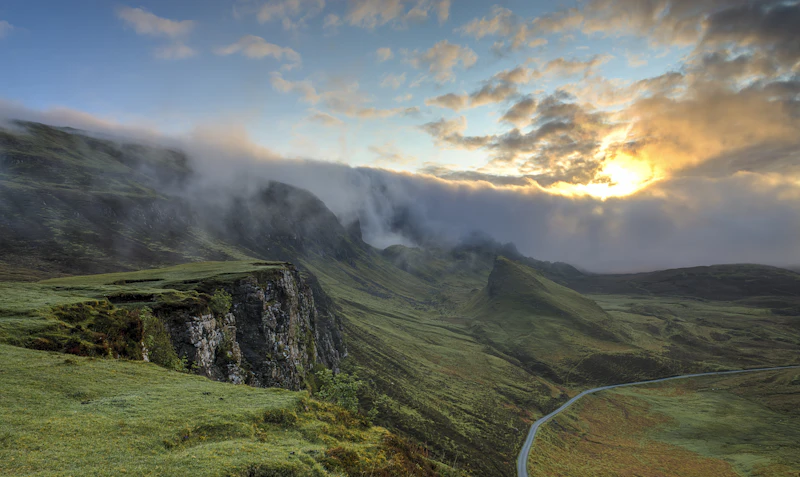
The Isle of Skye, connected to the mainland by a bridge, is Scotland's most famous island for good reason. Its geological formations are legendary, its myths pervasive, and its dramatic beauty almost overwhelming. From the jagged peaks of the Cuillin mountains to the ethereal landscapes of the Trotternish Ridge, Skye offers a visual feast that has drawn artists, photographers, and adventurers for centuries.
The Allure of Skye: What Makes it So Popular?
- Iconic Landmarks: Sites like the Old Man of Storr, the Quiraing, the Fairy Pools, and Neist Point are instantly recognizable and offer breathtaking views. These locations are easily accessible via well-maintained paths, making them appealing to a broad range of visitors.
- Accessibility: The Skye Bridge, built in 1995, eliminated the need for a ferry, making it incredibly easy to reach by car from the mainland. This convenience has undoubtedly contributed to its popularity.
- Diverse Activities: From challenging mountaineering in the Cuillins to gentle coastal walks, boat trips to see seals and eagles, and exploring charming villages like Portree, Skye offers a wide array of activities.
- Established Infrastructure: As a prime tourist destination, Skye boasts a well-developed tourism infrastructure, with numerous hotels, B&Bs, restaurants, and tour operators.
The Reality of Popularity: When Skye Can Disappoint
During the peak season (June-August), and increasingly in shoulder seasons, Skye's popularity can become its Achilles' heel. Travelers commonly report:
- Crowded Hotspots: Iconic sites like the Fairy Pools and the Old Man of Storr can feel more like theme parks than wild landscapes, with hundreds of people on the trails simultaneously. Parking lots often overflow, leading to long waits or illegal parking.
- Accommodation Shortages: Securing accommodation, especially affordable options, requires booking many months in advance. Last-minute travelers often face exorbitant prices or have to stay off-island.
- Traffic Congestion: Single-track roads, common across the island, can become bottlenecks, particularly around popular attractions, leading to frustrating delays.
- Loss of Serenity: The very wildness that draws visitors can be diminished by the sheer volume of people, making it harder to find moments of quiet contemplation.
explore The Outer Hebrides: Scotland's Untamed Frontier
Stretching over 130 miles from the Butt of Lewis in the north to Barra in the south, the Outer Hebrides (or Western Isles) are a chain of islands separated from the Scottish mainland and Inner Hebrides by The Minch. This archipelago offers a profound sense of remoteness, a vibrant Gaelic culture, and landscapes that are both breathtakingly beautiful and starkly wild.
A Tapestry of Islands: From Lewis & Harris to Barra
The Outer Hebrides are not a single entity but a collection of distinct islands, each with its own character:
- Lewis & Harris: Often referred to as one island, though geographically distinct. Lewis, to the north, is flatter, home to Stornoway (the largest town), and ancient sites like the Callanish Standing Stones. Harris, to the south, is mountainous and famed for its dramatic coastline, white sand beaches (Luskentyre, Scarista), and the iconic Harris Tweed.
- North Uist, Benbecula, South Uist: These central islands are linked by causeways, creating a continuous driving route. They are characterized by a unique 'machair' landscape – fertile, low-lying coastal plains supporting a rich array of wildflowers and birdlife. They offer a tranquil escape with vast skies and endless horizons.
- Barra & Vatersay: The southernmost inhabited islands, Barra is known for its stunning Kisimul Castle and its unique airport where planes land on the beach. Vatersay, connected by a causeway, boasts some of the most beautiful beaches in Scotland.
Why the Outer Hebrides Offer a Superior Alternative
beach_access Beaches That Rival the Tropics
This is perhaps the biggest surprise for first-time visitors. The Outer Hebrides are home to some of the most spectacular beaches in the world, often deserted even on a sunny day. Think Luskentyre and Scarista on Harris, Traigh Mhor on Barra (the beach airport), or the countless secluded coves on the Uists. The sand is blindingly white, the water an astonishing turquoise, and backed by dunes and machair. While the water temperature might not match the Caribbean, the sheer beauty and solitude are unparalleled. According to VisitScotland, Luskentyre consistently ranks among the top beaches globally.
museum Ancient History & Living Culture
The Outer Hebrides are a stronghold of Gaelic language and culture, arguably more so than any other part of Scotland. Here, Gaelic is not just preserved; it is a living, breathing language spoken daily by a significant portion of the population. The islands are also a treasure trove of ancient history:
- Callanish Standing Stones (Lewis): Predating Stonehenge, this magnificent stone circle (Calanais in Gaelic) is a powerful, spiritual site, offering a profound connection to Scotland's Neolithic past. Unlike some crowded historical sites, Callanish often allows for quiet contemplation, especially outside peak midday hours. (Historic Environment Scotland)
- Dun Carloway Broch (Lewis): A remarkably well-preserved Iron Age drystone tower, offering a glimpse into the defensive architecture of early communities.
- Gearrannan Blackhouse Village (Lewis): A restored traditional crofting village, providing insight into the harsh but resilient way of life of islanders in previous centuries.
nature_people Wildlife & Wildness
The remoteness of the Outer Hebrides makes them a haven for wildlife. Expect to see golden eagles, white-tailed sea eagles (reintroduced and thriving), red deer, otters, seals, and a huge variety of seabirds. Boat trips offer opportunities to spot whales, dolphins, and basking sharks in the surrounding waters. The vast, open landscapes and lack of light pollution also make them a prime location for stargazing and, if lucky, witnessing the Aurora Borealis.
directions_bike Activities & Slow Travel
The Outer Hebrides are ideal for slow travel. The Hebridean Way, a 185-mile walking and cycling route, traverses 10 islands, connecting them via causeways and ferries. This allows for immersive exploration at a leisurely pace. Kayaking, surfing (especially on the Atlantic coast), fishing, and birdwatching are also popular. The pace of life is slower, encouraging visitors to linger, explore hidden corners, and connect with the landscape and its people.
restaurant Authentic Food & Drink
The islands boast incredible fresh seafood – scallops, lobster, crab, and local salmon are staples. You'll find delicious traditional baking, local cheeses, and even island-distilled gin and whisky. Dining experiences are often in smaller, family-run establishments or community cafes, offering a genuine taste of island life rather than mass tourism fare.
travel_info Planning Your Outer Hebridean Adventure
flight_takeoff Getting There
- Ferries: The primary mode of transport. Caledonian MacBrayne (CalMac) operates numerous routes. Key routes include:
- Ullapool to Stornoway (Lewis) - ~2.5 hours
- Oban to Castlebay (Barra) - ~5 hours
- Uig (Skye) to Tarbert (Harris) - ~1.5 hours
- Uig (Skye) to Lochmaddy (North Uist) - ~1.75 hours
- Flights: Domestic flights operate from Glasgow to Stornoway (Lewis), Benbecula, and Barra (the unique beach airport). From Edinburgh, flights typically connect via Glasgow. (Loganair is the main regional airline).
directions_car Getting Around
A car or campervan offers the most flexibility for exploring the Outer Hebrides. Many islands are connected by causeways, allowing seamless travel between Lewis, Harris, North Uist, Benbecula, and South Uist. However, be prepared for single-track roads with passing places – always be courteous and pull over to allow oncoming traffic or faster vehicles to pass. Alternatively, cycling the Hebridean Way is an increasingly popular option for active travelers.
hotel Accommodation
Accommodation options include independent B&Bs, guesthouses, self-catering cottages, a few hotels (mostly in Stornoway), and campsites. Demand often outstrips supply, especially in remote areas and during summer. Booking well in advance (6-12 months for peak season) is crucial.
account_balance_wallet Budgeting for Your Trip
While often perceived as remote and thus expensive, a trip to the Outer Hebrides can be managed with careful planning. Based on Numbeo estimates for Scotland and local reports, here's a general breakdown:
- Accommodation: £80-£150 per night for a B&B/guesthouse; £150-£300+ for self-catering cottages. Camping is significantly cheaper (£10-£25 per night).
- Food: £40-£70 per person per day (mix of self-catering, casual cafes, and occasional restaurant meals). Fresh seafood can be a splurge.
- Transport: Ferry costs vary significantly depending on vehicle and route (e.g., car and two passengers Ullapool-Stornoway can be £80-£120 return). Fuel costs are similar to mainland Scotland, but petrol stations are less frequent.
- Activities: Many outdoor activities (walking, beach exploration) are free. Entry to museums/historic sites typically £5-£10. Boat trips £40-£80.
Estimated daily budget: £100-£200 per person (mid-range, excluding ferry crossings). This is comparable to, or slightly less than, Skye during peak season due to fewer high-end options and more opportunities for self-catering.
wb_sunny Best Time to Visit
The shoulder seasons (April-May and September-October) are often recommended. You'll find fewer crowds, potentially better accommodation deals, and stunning light for photography. Summer (June-August) offers the longest daylight hours and warmest temperatures but also the most visitors and midges (small biting insects – bring repellent!). Winters are dramatically beautiful but can be very wild, with limited services and shorter daylight hours.
verified_user Safety & Responsible Travel
The Outer Hebrides are incredibly safe, with extremely low crime rates. The main safety considerations are related to the weather and driving. Always check weather forecasts, be prepared for sudden changes, and inform someone of your hiking plans. Drive cautiously on single-track roads. Respect local customs, particularly regarding Sunday observance in some areas (many shops and services close). Leave no trace, especially on beaches and remote areas.
wifi Internet & Connectivity
Mobile phone signal (4G) is generally good in major towns like Stornoway and Tarbert but can be very patchy or non-existent in remote areas. Most accommodations offer Wi-Fi, but its reliability can vary. For remote work, ensure your chosen accommodation explicitly states strong, reliable internet access.
power Power Plug & Emergency Numbers
- Power Plug: Type G (UK standard), 230V, 50Hz.
- Emergency Numbers: 999 (Police, Fire, Ambulance, Coastguard).
article Visa Requirements
For international visitors, the Outer Hebrides fall under UK immigration laws. Travelers from most EU countries, the USA, Canada, Australia, and New Zealand do not require a visa for stays of up to six months for tourism. Other nationalities may require a Standard Visitor Visa. Always check the official UK government website for the most up-to-date information well in advance of your trip.
map Sample Itinerary: Discovering the Outer Hebrides (7 Days)
This itinerary focuses on the main islands, offering a blend of history, culture, and nature, with a strong emphasis on slow travel.
Day 1: Arrival in Stornoway & Lewis's Ancient Heart
- Arrive by ferry from Ullapool or flight from Glasgow. Pick up rental car.
- Explore Stornoway: Lews Castle, Museum nan Eilean.
- Drive west to the Callanish Standing Stones and Dun Carloway Broch.
- Visit Gearrannan Blackhouse Village.
- Overnight in Lewis.
Day 2: North Lewis & Coastal Wonders
- Explore the dramatic Butt of Lewis Lighthouse, the northernmost point.
- Visit the stunning beaches of Dalmore and Dalbeg.
- Discover the Norse Mill and Kiln at Shawbost.
- Evening: Traditional music session if available (check local listings).
- Overnight in Lewis.
Day 3: Journey to Harris & Golden Sands
- Drive south from Lewis into the mountainous landscape of Harris.
- Visit the Isle of Harris Distillery in Tarbert.
- Spend the afternoon exploring the magnificent beaches of Luskentyre and Scarista.
- Overnight in Harris.
Day 4: South Harris & Ferry to Uists
- Explore the Rodel Church (St Clement's Church), a beautiful medieval church.
- Visit the Golden Road (an unpaved, winding route through a lunar-like landscape).
- Late afternoon ferry from Leverburgh (Harris) to Otternish (North Uist).
- Overnight in North Uist.
Day 5: The Uists: Machair & Tranquility
- Explore the unique machair landscape of North Uist.
- Visit the RSPB Balranald Nature Reserve for birdwatching.
- Drive south through Benbecula to South Uist, enjoying the causeway views.
- Visit Kildonan Museum or explore local craft shops.
- Overnight in South Uist.
Day 6: Barra's Charm & Beach Landing
- Morning ferry from Eriskay (South Uist) to Barra.
- Explore Castlebay, visit Kisimul Castle (by boat trip).
- Experience the unique Barra Airport (check tide times for landings/take-offs).
- Relax on Vatersay's beautiful beaches.
- Overnight in Barra.
Day 7: Departure
- Morning flight from Barra Airport to Glasgow or ferry from Castlebay to Oban.
tips_and_updates Hyper-Local Insights for the Outer Hebrides
- Fuel Up: Petrol stations are sparse, particularly on the Uists and Barra. Always fill up when you see a station, especially before long drives.
- Sunday Observance: In many parts of Lewis and Harris, Sunday is traditionally a day of rest. Most shops, cafes, and some petrol stations will be closed. Plan accordingly for food and supplies.
- Midge Repellent: From May to September, midges can be a nuisance, especially at dawn and dusk, and near water. Bring a good repellent (Smidge or Avon Skin So Soft are popular local choices).
- Gaelic Greetings: Learn a few basic Gaelic phrases like 'Halò' (hello) and 'Tapadh leat' (thank you). It's a wonderful way to show respect for the local culture.
- Ferry Bookings: Always book CalMac ferries well in advance, especially if traveling with a vehicle during peak season. Inter-island ferries are less busy but still advisable to book.
- Local Produce: Look out for honesty boxes by the roadside selling fresh eggs, baking, and local crafts. It's a charming way to support local crofters.
- Weather Preparedness: The weather can change rapidly. Pack layers, waterproofs, and sturdy footwear regardless of the forecast.
thumb_up_down Pros & Cons: A Final Summary
Isle of Skye
- add_circle Pros: Iconic, dramatic landscapes; accessible via bridge; wide range of accommodation/dining (if booked); well-known hiking trails.
- remove_circle Cons: Extremely crowded in peak season; traffic congestion; accommodation can be expensive and hard to find; less sense of 'discovery'.
Outer Hebrides
- add_circle Pros: Stunning, often deserted beaches; vibrant Gaelic culture; profound sense of peace and solitude; incredible wildlife; excellent for slow travel/cycling; extremely safe.
- remove_circle Cons: Less developed tourist infrastructure; requires more planning (ferries, accommodation); weather can be very exposed and changeable; limited nightlife/dining options outside Stornoway.
help_outline Frequently Asked Questions (FAQs)
Is the Isle of Skye really too crowded?
During the peak summer months (June-August) and increasingly in shoulder seasons, many popular sites on the Isle of Skye, such as the Old Man of Storr, Fairy Pools, and Neist Point, can become very crowded. Parking lots often overflow, trails are busy, and accommodation can be scarce and expensive without advance booking. While still beautiful, the sheer volume of visitors can detract from the sense of wild serenity many travelers seek.
Are the Outer Hebrides cheaper than the Isle of Skye?
In terms of daily expenditure, the Outer Hebrides can be slightly cheaper or comparable to Skye. While ferry costs add to the overall budget, accommodation outside of Stornoway often consists of independent B&Bs and self-catering options which can offer good value. Dining options are generally more casual and local, potentially reducing food costs. However, due to the remoteness, some goods might be marginally more expensive. Overall, careful planning can make the Outer Hebrides a more budget-friendly option, especially if you prioritize self-catering and free outdoor activities.
Can you visit the Outer Hebrides without a car?
While having a car offers the most flexibility, it is possible to visit the Outer Hebrides without one, particularly if you are cycling the Hebridean Way or focusing on specific islands. Inter-island bus services exist but are infrequent and require careful timetable planning. Some local taxi services are available. For a truly comprehensive exploration, a car or campervan is highly recommended, especially for reaching more remote beaches and historical sites.
What is the best way to island-hop in the Outer Hebrides?
The best way to island-hop is by utilizing the CalMac ferry network and the causeways that link several of the central islands (North Uist, Benbecula, South Uist). You can start in the north (Lewis & Harris) and work your way south, taking ferries between the larger island groups. Booking ferries in advance, especially with a vehicle, is essential. Many travelers follow a North-to-South or South-to-North route to maximize efficiency.
Is Gaelic commonly spoken in the Outer Hebrides?
Yes, Gaelic is a vibrant, living language in the Outer Hebrides, more so than almost anywhere else in Scotland. While English is universally spoken, particularly in tourist-facing businesses, you will hear Gaelic spoken among locals, in shops, and on local radio. Road signs are bilingual. Visitors are encouraged to learn a few basic Gaelic phrases as a sign of respect for the local culture.
event_note Who Should Visit the Outer Hebrides?
The Outer Hebrides are perfect for travelers seeking genuine solitude, a deep connection with nature, and an authentic cultural experience. They appeal to:
- Nature Lovers: For pristine beaches, dramatic coastlines, and abundant wildlife.
- History & Culture Enthusiasts: For ancient standing stones, blackhouse villages, and a living Gaelic language.
- Slow Travelers: Those who enjoy lingering, walking, cycling, and immersing themselves in a destination rather than rushing through highlights.
- Photographers: For incredible light, vast landscapes, and unique coastal scenes.
- Couples & Solo Travelers: Seeking romantic seclusion or peaceful introspection away from the crowds.
calendar_today Best Months to Visit
May, June, September. These months offer a good balance of daylight hours, milder weather, and fewer midges than July/August, while still providing a good chance of sunshine. April and October can also be rewarding for hardy travelers seeking dramatic weather and even fewer crowds.
navigation Next Destination: Scotland's Hidden Gems
Having explored the Outer Hebrides, consider venturing further into Scotland's lesser-known treasures. Perhaps the rugged isolation of the Shetland Islands, the tranquil beauty of the Argyll coast, or the wilderness of Assynt in the North West Highlands. Each offers a unique facet of Scotland's unparalleled natural beauty.
link Related Guides
- Scotland Budget Guide
- Hebridean Way Cycling Itinerary
- Scottish Islands Wildlife Spotting
- Solo Travel in Scotland
- Scotland Visa Guide
- Scottish Street Food Guide
- Avoiding Tourist Traps in Scotland
- Remote Work in Scotland Guide
- Driving in Scotland: Essential Tips
- Best Time to Visit Scotland
description Article Methodology & Sources
This article was meticulously researched using a combination of official tourism board data, government websites, local authority information, and reputable travel resources. Specific data points and claims are supported by inline citations where applicable. We prioritize accuracy, transparency, and actionable advice to provide the most useful and trustworthy content for our readers.
- Official Tourism Boards: VisitScotland, Visit Outer Hebrides, Isle of Skye Official Guide.
- Transport & Infrastructure: Caledonian MacBrayne (CalMac), Loganair, Highland Council, Comhairle nan Eilean Siar (Western Isles Council).
- Historical & Cultural Sites: Historic Environment Scotland, National Trust for Scotland.
- Cost of Living Data: Numbeo (for general cost comparisons and estimates).
- Government Information: UK Government Visa Information.
- Environmental & Wildlife: RSPB Scotland.
- Local Insights: Information gathered from local community websites, blogs, and travel forums to ensure hyper-local tips and nuanced understanding of island life.
Editorial Methodology & Trust
Last Updated: July 2, 2026
Every Shaivio guide is created through editorial research using publicly available information from official tourism authorities, transportation providers, government resources, and other reliable references where applicable. Our editors review and update content regularly to improve accuracy and usefulness. Shaivio does not accept paid placements or sponsored rankings in editorial content. Because travel information can change, we recommend verifying critical details with the relevant official source before traveling.