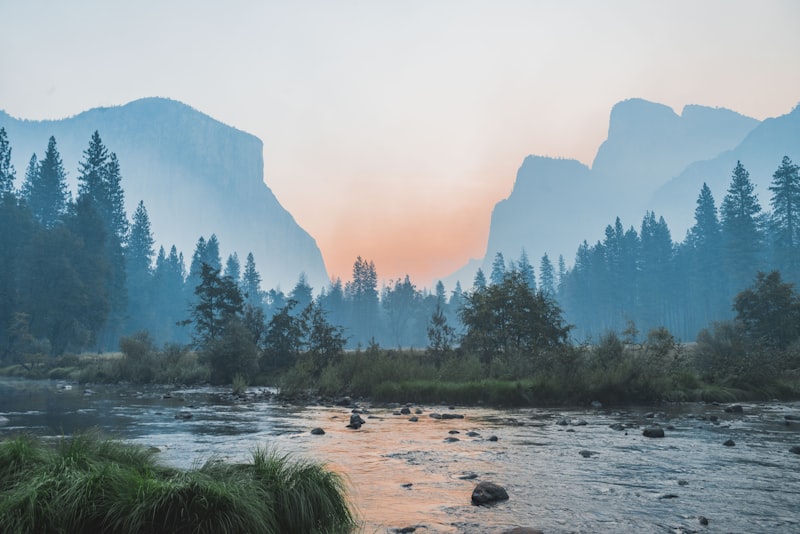
Myth vs. Reality: Traveling in Guatemala
Guatemala is a land of dramatic geographical contrasts, rich indigenous heritage, and complex historical narratives. However, misconceptions about traveling within the country persist. Understanding the reality behind these common myths is essential for planning a safe, rewarding, and culturally respectful journey.
| Common Myth | The Documented Reality | Practical Takeaway for Travelers |
|---|---|---|
| Guatemala is highly dangerous for tourists. | While Guatemala has historically faced security challenges, violent crime is highly concentrated in specific urban zones of Guatemala City and non-tourist regions. The main tourist corridor—consisting of Antigua, Lake Atitlán, and El Petén—is heavily patrolled by POLITUR (the Guatemalan Tourist Police) and experiences low incident rates among international visitors. | Exercise standard urban vigilance, avoid walking alone at night in unlit areas, and use registered shuttle services instead of public 'chicken buses' for long-distance travel. |
| You must speak fluent Spanish to navigate the country. | While Spanish is the official language, Guatemala is home to 22 distinct Mayan languages. In major tourist hubs like Antigua and Lake Atitlán, English is commonly spoken in tourist areas, hotels, and major attractions, though less frequently in residential neighborhoods and rural markets. | Learning basic Spanish phrases shows respect and facilitates smoother interactions, especially when purchasing items at local markets or using regional transport. |
| Tap water is safe if it is from a high-end hotel. | Tap water throughout Guatemala is generally untreated and contains pathogens that cause gastrointestinal illness. Even high-end boutique hotels rarely have complete filtration systems that render tap water safe for consumption. | Always drink bottled, filtered, or purified water. Use purified water to brush your teeth, and ensure that ice in your drinks is made from purified water (standard in reputable establishments in Antigua and Flores). |
Quick Answer & Trip Overview
This 10-day itinerary is designed to maximize your time in Guatemala, balancing cultural immersion, physical adventure, and historical exploration. It connects three of the country's most iconic destinations: the colonial city of Antigua, the volcanic basin of Lake Atitlán, and the ancient Mayan ruins of Tikal.
Choose this itinerary if:
- ✓ You want to experience dramatic volcanic landscapes and active eruptions.
- ✓ You appreciate well-preserved Spanish colonial architecture and UNESCO World Heritage sites.
- ✓ You are eager to explore deep Mayan history and pristine tropical rainforests.
Best For: Active travelers, couples, cultural explorers, and history enthusiasts.
Estimated Budget: $800 – $1,800 USD per person (excluding international flights), depending on accommodation preferences and dining choices.
Antigua vs. Lake Atitlán: A Comparison
To help budget your time and manage expectations, it is useful to compare the two primary highland destinations on this itinerary. While they are geographically close, they offer vastly different environments and cultural experiences.
| Category | Antigua | Lake Atitlán | Winner |
|---|---|---|---|
| Accommodation | Boutique colonial convents, luxury historic hotels, and budget hostels. High density. | Eco-lodges, cliffside villas, and rustic homestays spread across multiple villages. | Tie (Antigua for luxury; Atitlán for scenic views) |
| Food | World-class international dining, fine-dining fusion, and extensive street food markets. | Health-conscious cafes, vegetarian-friendly spots, and traditional local eateries. | Antigua |
| Nightlife | Speakeasies, salsa clubs, and craft breweries. Lively and highly concentrated. | Backpacker bars in San Pedro; quiet, introspective evenings in other villages. | Antigua |
| Public Transport | Easily walkable; tuk-tuks are readily available for short trips within town. | Public wooden boats (lanchas) connect villages; tuk-tuks operate within villages. | Antigua (simpler and less weather-dependent) |
| Visa | Part of the CA-4 border control agreement (90 days total for CA-4 countries). | Part of the CA-4 border control agreement (90 days total for CA-4 countries). | Tie |
| Weather | Spring-like year-round; warm days (23-26°C) and cool, crisp nights (12-15°C). | Slightly warmer than Antigua, but prone to high afternoon winds (the Xocomil). | Antigua |
| Walkability | Extremely walkable cobblestone grid, though uneven. No steep inclines. | Steep hills within villages; traveling between villages requires a boat. | Antigua |
| Internet | Reliable high-speed fiber-optic connections widely available in cafes and hotels. | Highly variable; subject to frequent power outages and weaker cellular signals. | Antigua |
| Safety | Highly secure within the central tourist grid; heavily policed by POLITUR. | Generally safe, but trail robberies can occur on isolated paths between villages. | Antigua |
| Remote Work | Excellent; numerous co-working spaces and cafes with reliable power backups. | Growing community, but power cuts and slow upload speeds can disrupt work. | Antigua |
| Language | Spanish is dominant; English is widely spoken in the hospitality sector. | K'iche' and Tz'utujil Mayan languages are primary; Spanish is secondary. | Antigua (for ease of communication) |
| Family | Excellent; flat streets, historical parks, chocolate workshops, and museums. | Good for active older kids; challenging for strollers due to steep terrain and boats. | Antigua |
| Senior Travelers | Great, provided travelers can navigate uneven, historic cobblestones. | Can be challenging due to unstable boat docks and steep, step-heavy terrain. | Antigua |
| Solo Travelers | Exceptional; very easy to meet other travelers in hostels and language schools. | Great for self-reflection, yoga, or social backpacker scenes in San Pedro. | Tie |
| Couples | Romantic colonial courtyards, candlelit dinners, and luxury spas. | Stunning volcanic sunsets, private hot tubs, and quiet, secluded eco-retreats. | Lake Atitlán |
The 10-Day Itinerary at a Glance
- Day 1: Arrival in Guatemala City (GUA), private transfer to Antigua, orientation walk.
- Day 2: Architectural and historical exploration of Antigua, local food tour.
- Day 3: Acatenango Volcano overnight hike (ascent) or Pacaya Volcano day hike.
- Day 4: Acatenango descent, afternoon transfer to Lake Atitlán (Panajachel).
- Day 5: Lake Atitlán village hopping: San Juan La Laguna and San Pedro La Laguna.
- Day 6: Active exploration of Lake Atitlán: Kayaking, hiking, and visiting San Marcos.
- Day 7: Transfer to Guatemala City; overnight luxury bus or evening flight to Flores (Petén).
- Day 8: Exploring Flores Island, afternoon sunset tour of Yaxhá National Park.
- Day 9: Deep exploration of Tikal National Park (UNESCO World Heritage Site).
- Day 10: Return flight to Guatemala City, international departure.
Day-by-Day Detailed Breakdown
Day 1: Arrival & Antigua Guatemala Orientation
Upon landing at La Aurora International Airport (GUA) in Guatemala City, skip the informal airport taxis and proceed to your pre-booked private shuttle. According to data from the Guatemalan Tourism Institute (INGUAT), registered tourist shuttles are the safest and most reliable means of transit between GUA and Antigua, located approximately 40 kilometers west. The journey typically takes between 1 to 2.5 hours, depending on Guatemala City's notorious rush-hour traffic.
Check into your accommodation. For a deep historical experience, consider staying in a restored colonial mansion. Spend your afternoon walking the cobblestone streets. Begin at the central plaza (Parque Central), which is anchored by the Cathedral of Saint Joseph and the Palace of the Captains General. The plaza serves as the social heart of the city, where locals and visitors gather under the shade of massive jacaranda trees.
For dinner, avoid the obvious Antigua Guatemala tourist traps near the main arch. Instead, seek out traditional Guatemalan cuisine at restaurants serving pepián—a rich, spiced meat stew made from roasted seeds, chiles, and tomatoes, widely considered Guatemala's national dish.
Day 2: Antigua Cultural Exploration
Dedicate your second day to exploring Antigua's rich architectural history. Founded in 1543, Antigua served as the colonial capital of Central America until a series of devastating earthquakes in 1773 forced the Spanish crown to move the capital to its present site in Guatemala City. Because of this sudden relocation, the city remained frozen in time, preserving its Baroque architecture and earning it UNESCO World Heritage status in 1979.
Start your morning at the iconic Santa Catalina Arch. Walk north through the arch toward the bright yellow Iglesia de La Merced, which boasts one of the finest examples of ultra-Baroque stucco work in Latin America. Enter the ruins of the adjoining monastery to view what is reputed to be the largest stone fountain in Central America.
In the afternoon, participate in a hands-on workshop at a local chocolate museum or visit a nearby coffee plantation. The volcanic ash-rich soil surrounding Antigua produces some of the world's finest Arabica beans. If you are traveling on a budget, consult our Antigua Guatemala budget guide for a list of free architectural ruins and affordable local eateries.
Day 3: The Acatenango Volcano Hike (The Ultimate Adventure)
For many, the overnight trek up Acatenango Volcano is the highlight of their trip to Central America. At 3,976 meters (13,044 feet) above sea level, Acatenango sits directly adjacent to Volcán de Fuego, one of the world's most consistently active stratovolcanoes. Fuego erupts small plumes of ash, gas, and glowing red lava almost constantly, providing an extraordinary night-time spectacle from the high ridges of Acatenango.
Crucial Safety and Physical Notice: This hike is physically demanding. You will ascend roughly 1,500 vertical meters over a 5-to-6-hour period, starting at an elevation of 2,400 meters. Altitude sickness is a real risk. Ensure you have spent at least 48 hours adjusting to Antigua's elevation (1,500m) before attempting this climb. Temperatures at the base camp routinely drop below freezing (0°C / 32°F) at night, and high winds are common.
Always book this trek with a highly reputable, licensed guiding service. Reputable operators provide warm winter gear (coats, gloves, hats), three substantial meals, porter options, and well-maintained base camps with permanent shelter structures. For detailed gear checklists, safety protocols, and operator recommendations, read our comprehensive Acatenango volcano hike guide.
Alternative Option: If the physical demands of Acatenango are too daunting, opt instead for a day hike up Pacaya Volcano (2,552m). Pacaya is a much shorter, gentler hike (roughly 2 hours to the active lava fields) where you can roast marshmallows over geothermal vents.
Day 4: Descent & Transfer to Lake Atitlán
Wake up at 4:00 AM for the final summit push to the peak of Acatenango to witness the sunrise over the volcanic arc of Guatemala. On a clear morning, you can see all the way to the Pacific Ocean and spot the peaks of Tajumulco (the highest point in Central America) and Santa María.
After descending back to the trailhead at La Soledad, you will return to Antigua by midday. Take a quick shower, collect your stored luggage, and board a pre-arranged afternoon shuttle to Lake Atitlán. The journey takes approximately 2.5 to 3 hours, traversing the winding Pan-American Highway before dropping down the dramatic cliffs of the caldera into the lakeside hub of Panajachel.
Lake Atitlán occupies a massive volcanic caldera formed 84,000 years ago during the Los Chocoyos super-eruption. Today, the lake is flanked by three majestic volcanoes: Atitlán, Tolimán, and San Pedro. Check into your hotel in Panajachel or take an evening public boat (lancha) to your chosen village eco-lodge.
Day 5: Lake Atitlán Village Hopping
The shores of Lake Atitlán are dotted with unique villages, each possessing its own distinct character, culture, and economic focus. Navigating between them is best done using the public lancha system, which operates like a water-taxi network. Lanchas depart from the main docks of Panajachel, San Pedro, and Santiago Atitlán roughly every 20 minutes from 6:30 AM until 5:30 PM.
Spend your morning in San Juan La Laguna, a Tz'utujil Mayan town renowned for its vibrant arts, murals, and women-led weaving cooperatives. Here, weavers demonstrate how they extract natural dyes from local plants, bark, and insects (such as cochineal) before weaving the thread on traditional backstrap looms. This is an excellent place to purchase authentic, ethically made textiles. For dining tips in these lakeside towns, check out our guide to Lake Atitlan street food.
In the afternoon, take a short lancha ride to San Pedro La Laguna, a lively town popular with backpackers and hikers. San Pedro is filled with lakeside cafes, thermal baths, and Spanish language schools. For a detailed breakdown of where to stay, what to avoid, and how to allocate your days on the water, refer to our comprehensive Lake Atitlan itinerary.
Day 6: Active Exploration & Wellness at Lake Atitlán
Dedicate this day to experiencing the natural beauty and spiritual side of the lake. Start early in the morning, before the daily afternoon wind known as the Xocomil begins to blow. The Xocomil is a strong wind created by the meeting of warm air from the Pacific coast and cool mountain air from the highlands, which can turn the lake's calm waters into a choppy, challenging sea by 2:00 PM.
Rent a kayak from Santa Cruz La Laguna or Pasajcap and paddle along the sheer volcanic cliffs of the northern shore. The water here is deep, clear, and incredibly scenic. Alternatively, hike a portion of the lower Mayan trail that connects Santa Cruz to San Marcos, passing through small indigenous hamlets and offering panoramic views of the lake and volcanoes.
Spend your afternoon in San Marcos La Laguna, the holistic and wellness capital of the lake. San Marcos is home to numerous yoga retreats, meditation centers, and vegetarian cafes. Visit the Cerro Tzankujil Nature Reserve, where you can walk along shaded forest paths, swim in clean waters, or jump from a 7-meter-high wooden platform directly into the lake.
Day 7: Atitlán to Guatemala City & Journey to Petén
In the morning, enjoy a final coffee overlooking the lake before boarding a shuttle back to Guatemala City. To reach the northern rainforest province of El Petén—home to the ancient Maya city of Tikal—you have two main transit options:
- The Express Option: Book an evening flight from La Aurora International Airport (GUA) to Mundo Maya International Airport (FRS) in Flores. The flight takes approximately 45 to 60 minutes and is operated by regional carriers such as TAG Airlines. This is the recommended option to maximize comfort and save time.
- The Overland Option: Take a luxury overnight sleeper bus (such as those operated by Fuente del Norte or Maya de Oro). The journey takes between 8 to 10 hours, departing Guatemala City late in the evening and arriving in Flores early the following morning.
Upon arrival in El Petén, check into your accommodation on the colorful island-town of Flores, which sits on Lake Petén Itzá and serves as the perfect base for exploring the surrounding archaeological sites.
Day 8: Flores & Yaxhá Sunset Tour
Flores is a charming, pastel-colored island connected to the mainland town of Santa Elena by a short causeway. Spend your morning walking the narrow, circular streets of the island, enjoying views of the lake, and eating local breakfast dishes featuring black beans, plantains, and fresh cheese.
At midday, depart for a half-day tour of Yaxhá National Park, located roughly 70 kilometers east of Flores. Yaxhá is the third-largest Maya ruin in Guatemala but receives a fraction of the visitors that Tikal does. The site is situated alongside a beautiful turquoise lagoon.
As the afternoon cools down, climb to the top of Temple 216 (the handsomely restored East Acropolis) to watch the sunset over the surrounding rainforest canopy and Lake Yaxhá. The sound of howler monkeys roaring in the distance as the sun sinks below the horizon is an unforgettable sensory experience.
Day 9: Tikal National Park Exploration
Tikal is one of the most important archaeological sites of the pre-Columbian Maya civilization. Settled as early as the 4th century BCE, Tikal grew into a massive military, economic, and political superpower that dominated the Maya region during the Classic Period (200 to 900 CE). It was abruptly abandoned around 900 CE, likely due to a combination of overpopulation, environmental degradation, and severe droughts.
To experience Tikal at its most magical, book a sunrise tour. Shuttles depart Flores at 3:00 AM, arriving at the park gates before dawn. Walk through the pitch-black jungle paths under the guidance of a certified local expert, listening to the forest wake up. Climb to the top of Temple IV (the double-headed serpent temple), which stands 65 meters high, and watch the morning mist burn off the jungle canopy to reveal the limestone peaks of Temples I, II, and III piercing through the clouds.
Spend the rest of the morning exploring the Great Plaza, the Lost World Complex, and the Window Palace. Be sure to purchase your Tikal park entrance tickets in advance at a Banrural bank branch or online via the official government portal, as tickets are not sold at the park entrance gate. For detailed ticketing rules, transport schedules, and guide hiring tips, consult our dedicated Tikal national park guide.
Day 10: Return to Guatemala City & Departure
On your final day, take a morning flight from Flores back to Guatemala City. Ensure you schedule your domestic flight with a generous buffer of at least 4 to 5 hours before your international departure from La Aurora International Airport, as regional flights can occasionally experience weather delays.
If you have extra time in Guatemala City before your flight, visit the National Museum of Archaeology and Ethnology (MUNAE) to view its world-class collection of Classic Maya jade masks, carved stelae, and ancient ceramics, which provides a wonderful final context to your journey.
History vs. Legend: Separating Fact from Folklore
Guatemala is a land where deep indigenous cosmology and Spanish Catholic traditions have fused over centuries, creating rich local folklore. When visiting historical ruins and sacred natural sites, it is important to distinguish historical fact from local legends.
| Location | Documented Historical Fact | Local Folklore / Legend | Cultural Significance |
|---|---|---|---|
| Antigua (La Merced Ruins) | The church and monastery of La Merced were designed by architect Juan de Dios Estrada and completed in 1767, built with low, thick walls to withstand seismic activity. | Locals whisper of La Llorona (The Weeping Woman), a tragic spirit who wanders the colonial ruins and riverbanks at night, crying for her lost children. | Reflects the syncretic blend of Spanish moral tales and indigenous mourning myths used during the colonial era. |
| Lake Atitlán (Samabaj) | In 1996, diver Roberto Samayoa discovered the underwater ruins of an ancient Mayan city, now named Samabaj, which was submerged around 250 CE due to rising water levels. | Local Tz'utujil elders speak of powerful lake spirits (the Dueños del Agua) who demand respect and occasionally pull disrespectful swimmers into the depths. | Maintains a traditional, sacred relationship between the indigenous Maya communities and the natural forces of the lake. |
| Tikal (Temple I) | Temple I was built around 732 CE as the funerary monument for the great ruler Jasaw Chan K'awiil I, whose tomb was discovered rich with jade and carved bones. | It is believed that the spirits of ancient Maya kings guard the ruins after dark, and that the stone temples act as cosmic portals to the underworld (Xibalba). | Highlights the enduring spiritual connection that modern Maya priests maintain with Tikal, often visiting the site for sacred fire ceremonies. |
⚠️ Cultural Respect & Safety Disclaimer: Many archaeological sites and temples across Guatemala remain active places of worship for modern Maya communities. Never touch or disrupt active ceremonial fires, altars, or offerings. Furthermore, for personal safety and out of respect for local spiritual customs, avoid visiting isolated ruins or sacred temple grounds after official park closing hours or after dark.
Practical Travel Directory & Logistics
Pros & Cons of this Route
Pros: Highly diverse (covers history, nature, culture, and adventure); well-established tourism infrastructure; efficient domestic flight connection to Petén.
Cons: Requires significant transit on winding highland roads; high physical demands for volcano hiking; domestic flights add to the overall trip cost.
Best Time to Visit
The dry season runs from November to April. During these months, skies are clear, making it the ideal time for volcano hiking and exploring ruins. The wet season (May to October) features daily afternoon downpours but offers lush, green landscapes and lower accommodation prices.
Estimated 10-Day Budget
- Budget Backpacker: $400 - $600 USD (Hostels, street food, public transit, cheap tours)
- Mid-Range Traveler: $1,000 - $1,500 USD (Boutique hotels, private shuttles, sit-down dinners, flight to Flores)
- Luxury Traveler: $2,500+ USD (5-star historic hotels, private guides, private aviation, fine dining)
Safety & Health
Always carry a copy of your passport. Use registered tourist transportation. Be cautious of street food hygiene; look for vendors with high local turnover. Vaccinations for Hepatitis A and Typhoid are highly recommended by health authorities before visiting.
Visa & Entry Requirements
Most passport holders (US, Canada, UK, EU, Australia) do not require a pre-arranged visa for stays under 90 days. Guatemala is part of the CA-4 Border Control Agreement, meaning your 90-day limit is shared with El Salvador, Honduras, and Nicaragua. For up-to-date entry protocols, consult our Guatemala visa guide.
Key Travel Specs
- Currency: Guatemalan Quetzal (GTQ). Cash is king; carry small bills (10, 20, 50 GTQ).
- Power Plug: Type A & B (Standard US plugs, 120V / 60Hz).
- Internet: Claro and Tigo have the best nationwide 4G/5G coverage.
- Emergency Numbers: POLITUR (Tourist Police): +502 1500; National Police: 110.
Frequently Asked Questions
Planning a trip to Guatemala often raises practical questions about safety, logistics, and regional differences. Here are answers to some of the most common inquiries from independent travelers.
Is Antigua safer than Guatemala City?
Yes, statistics from the Guatemalan National Police (PNC) and INGUAT consistently show that Antigua has significantly lower rates of violent crime than Guatemala City. Antigua is heavily patrolled by POLITUR (Tourist Police) and is highly walk-friendly, whereas parts of Guatemala City require high vigilance and private transport.
Can you visit Tikal without a guide?
Yes, you can visit Tikal National Park without a guide. The paths are well-marked and map boards are located at major junctions. However, hiring a certified local guide at the entrance (typically costing 300 to 400 GTQ for a private group) is highly recommended to understand the complex Mayan history and locate hard-to-spot wildlife.
Is Lake Atitlan clean enough to swim in?
Swimming safety in Lake Atitlan varies by location. Areas near major towns with high runoff, such as Panajachel and San Pedro, are not recommended for swimming due to water quality issues. However, cleaner, deeper waters can be found around San Marcos, Santa Cruz, and Jaibalito, particularly at designated reserves like Cerro Tzankujil.
Who Should Visit Guatemala?
Guatemala is an exceptional destination for travelers who value raw natural beauty, living indigenous cultures, and profound historical depth over manicured resort environments. It rewards those who are willing to wake up early, hike steep trails, and embrace local transit with an open mind and a sense of adventure.
If you have more than 10 days to spend in the region, consider expanding your journey northward into the natural pools of Semuc Champey by reading our comprehensive Semuc Champey travel guide, or brush up on general safety protocols with our vetted Guatemala safety tips.
Article Methodology & Sources
This comprehensive guide was compiled by our editorial team using a combination of official tourism statistics, academic archaeological resources, and real-time transit data. Key sources utilized include:
- Visitor expenditure and regional safety data from the Guatemalan Tourism Institute (INGUAT).
- Archaeological and historical architectural records from the UNESCO World Heritage Centre for Antigua and Tikal.
- Transit schedules and regional flight details verified directly through TAG Airlines and local shuttle cooperatives.
- Health and safety guidelines sourced from the World Health Organization (WHO) and the US Department of State travel advisories.
Editorial Methodology & Trust
Last Updated: July 2, 2026
Every Shaivio guide is created through editorial research using publicly available information from official tourism authorities, transportation providers, government resources, and other reliable references where applicable. Our editors review and update content regularly to improve accuracy and usefulness. Shaivio does not accept paid placements or sponsored rankings in editorial content. Because travel information can change, we recommend verifying critical details with the relevant official source before traveling.